Metastatic Breast Cancer: 4 Key Sites, Treatment And Care 2025
Understand metastatic breast cancer: stages, symptoms, treatments, and living with stage 4 breast cancer effectively.
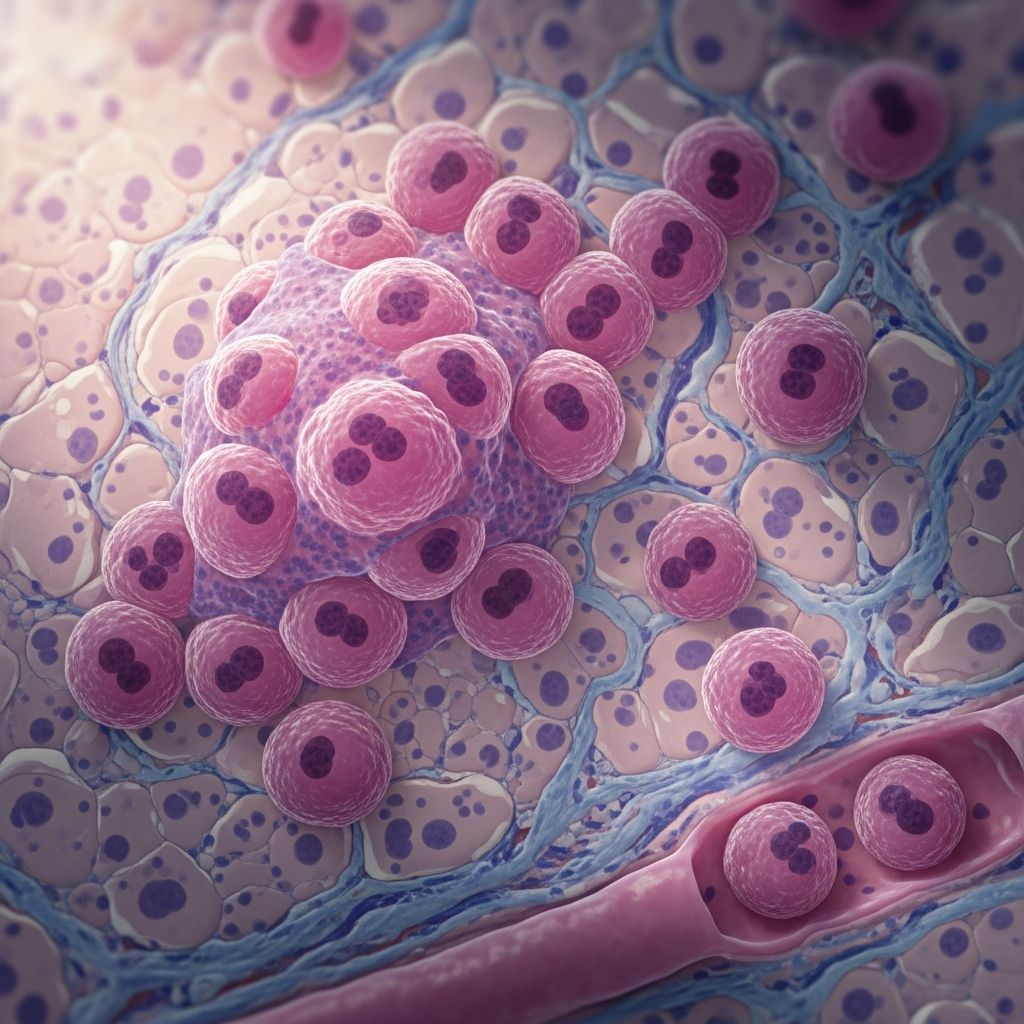
Metastatic breast cancer, also known as stage 4 breast cancer, occurs when cancer cells from the breast spread to other parts of the body, such as the bones, lungs, liver, or brain. Unlike earlier stages, it cannot be cured but can be managed with treatments to extend life and improve quality of life.
Symptoms of Metastatic Breast Cancer
Metastatic breast cancer symptoms depend on where the cancer has spread. Common sites include bones, liver, lungs, and brain, each causing distinct issues.
- Bone metastasis: Persistent bone pain, fractures, high calcium levels leading to nausea or confusion.
- Liver metastasis: Jaundice, abdominal swelling, fatigue, weight loss.
- Lung metastasis: Shortness of breath, chronic cough, chest pain.
- Brain metastasis: Headaches, seizures, vision problems, memory issues.
General symptoms include fatigue, unexplained weight loss, and appetite changes. Early detection of these can guide prompt management.
How Metastatic Breast Cancer Is Diagnosed
Diagnosis starts with a history review and physical exam, followed by imaging like CT scans, PET scans, MRIs, or bone scans to detect spread. Biopsies confirm cancer cells in distant sites, and biomarker tests (hormone receptors, HER2, gene mutations) inform treatment.
De novo metastatic breast cancer is diagnosed at stage 4 initially, while recurrent cases develop from earlier stages. About 6% of U.S. cases are de novo.
Metastatic Breast Cancer Prognosis
Prognosis varies by tumor biology, spread sites, overall health, and treatment response. Modern therapies have improved survival; about 30% of U.S. women live 5+ years post-diagnosis, some 10+ years. Men have limited data but similar trends apply.
Your oncologist provides personalized estimates, but exact timelines are unpredictable. Factors like hormone receptor-positive status often yield better outcomes.
Treatment for Metastatic Breast Cancer
Treatment aims to control cancer, relieve symptoms, and enhance life quality, not cure. Plans are tailored to tumor biology: hormone receptors (ER/PR), HER2 status, and mutations like PIK3CA or BRCA.
Hormone Receptor-Positive (HR+) Metastatic Breast Cancer
Targets estrogen/progesterone. Options include:
- Endocrine therapies: Tamoxifen, aromatase inhibitors (letrozole), fulvestrant.
- CDK4/6 inhibitors: Palbociclib, ribociclib, abemaciclib combined with endocrine therapy.
- PIK3CA inhibitors: Alpelisib for specific mutations.
HER2-Positive Metastatic Breast Cancer
HER2-targeted therapies:
- Trastuzumab (Herceptin), pertuzumab, ado-trastuzumab emtansine (Kadcyla).
- Tucatinib or neratinib for brain metastases.
Often combined with chemotherapy.
Treatment for Triple-Negative Metastatic Breast Cancer
Lacks HR and HER2; more aggressive. Treatments:
- Chemotherapy: Taxanes, anthracyclines, capecitabine, eribulin.
- Immunotherapy: Pembrolizumab for PD-L1 positive tumors.
- PARP inhibitors: For BRCA mutations.
- Sacatinib: A newer targeted therapy.
Other Treatments
- Chemotherapy: Systemic to shrink tumors.
- Targeted therapy: Attacks specific cancer pathways.
- Immunotherapy: Boosts immune response.
Local Treatments
For symptom control:
Related Stories



- Radiation for bone pain or brain lesions.
- Surgery for isolated metastases or complications.
Treatment decisions evolve; patients can pause or adjust based on quality of life priorities.
Side Effects and Symptom Management
Treatments cause side effects like nausea, hair loss, neuropathy, fatigue. Cancer symptoms include pain and distress. Palliative care helps manage these.
Studies show only 5.7% of inpatients with metastatic breast cancer receive palliative consultations, despite benefits like reduced hospital charges (about $5,452 less) and better symptom control. Predictors include older age, non-White race, lower income.
Tell your team about symptoms for tailored management, improving quality of life.
Your Healthcare Team for Metastatic Breast Cancer
A multidisciplinary team supports care:
- Oncologist: Leads treatment.
- Medical oncologist: Systemic therapies.
- Radiation oncologist: Radiation.
- Surgeon: If needed.
- Palliative care specialist: Symptom relief.
- Nurse navigator: Coordinates care.
- Social worker, psychologist: Emotional/practical support.
Clinical Trials for Metastatic Breast Cancer
Trials test new therapies, available early or later. Discuss with your oncologist; they offer access to innovations not yet standard.
Living With Metastatic Breast Cancer
About 170,000 U.S. women live with MBC (2025 estimate). Emotional challenges include grief over changed life plans, but support helps. Focus on quality of life, self-advocacy, and wellness.
Resources: Susan G. Komen MBC Impact Series for expert sessions and peer stories.
Frequently Asked Questions (FAQs)
What is metastatic breast cancer?
Stage 4 breast cancer that has spread beyond the breast and nearby lymph nodes to distant organs like bones, liver, lungs, or brain.
Is metastatic breast cancer curable?
No, but treatments control it, extend life, and maintain quality of life.
How long can you live with metastatic breast cancer?
Varies widely; ~30% live 5+ years, some longer with modern treatments.
What causes breast cancer to metastasize?
Cancer cells undetected after early treatment grow later; process not fully understood, not patient’s fault.
Does palliative care mean end-of-life care only?
No, it manages symptoms anytime, improving life quality and reducing costs.
Support for Metastatic Breast Cancer
Connect with communities; ~170,000 affected in U.S. Videos and series share stories of living 20+ years with MBC.
References
- Evaluating Outcomes for Women with Metastatic Breast Cancer — National Library of Medicine. 2024. https://pmc.ncbi.nlm.nih.gov/articles/PMC11591844/
- Newly Diagnosed With Metastatic Breast Cancer — Susan G. Komen. 2025. https://www.komen.org/breast-cancer/metastatic/new-diagnosis/
- SEER Cancer Stat Facts: Female Breast Cancer — National Cancer Institute. 2024. https://seer.cancer.gov/statfacts/html/breast.html
- Breast Cancer Treatment (PDQ®)–Health Professional Version — National Cancer Institute. 2025-01-10. https://www.cancer.gov/types/breast/hp/breast-treatment-pdq
- Palliative Care in Advanced Cancer Patients — National Comprehensive Cancer Network. 2024. https://www.nccn.org/guidelines/guidelines-detail?category=3&id=1454
Similar Articles








Read full bio of Sneha Tete