Monk Fruit Sweetener: 5 Key Benefits And Uses
Explore monk fruit: a natural zero-calorie sweetener with antioxidant properties and potential health benefits.
What Is Monk Fruit?
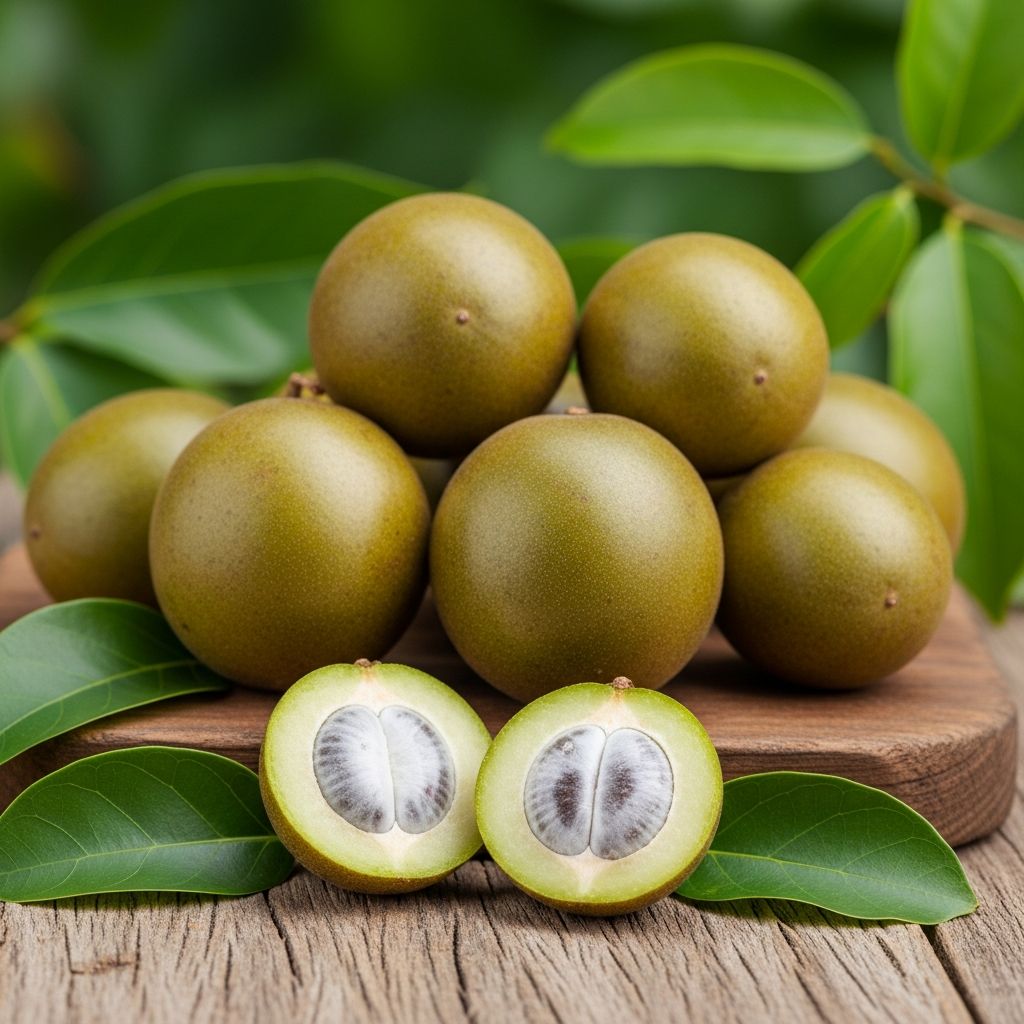
Monk fruit is a small, round fruit native to southern China that has been used for centuries in traditional medicine for constipation, sore throat, and coughing. The fruit itself contains natural sugars, including fructose and glucose, but these sugars are not what make it sweet. Instead, monk fruit gets its intense sweetness from unique antioxidants called mogrosides.
To create monk fruit sweetener, manufacturers crush the fresh fruit, extract its juice, and then isolate the mogroside compounds from the juice. The result is a concentrated sweetener that is between 100 to 250 times sweeter than sugar. Monk fruit mogrosides have a taste that is over 100 times sweeter than sugar, but they contain no calories.
How Is Monk Fruit Sweetener Made?
The production process of monk fruit sweetener is straightforward but requires precision. Manufacturers begin by harvesting mature monk fruits and crushing them to extract the juice. This juice contains the mogrosides along with other plant compounds. Through extraction processes, manufacturers isolate the mogrosides from the juice, creating a concentrated sweetener that can be used in various food and beverage applications.
Monk fruit extract is suitable for use as:
- An ingredient in food and drinks
- A flavor enhancer
- A component of sweetener blends
The extract is available in two main forms: powder or liquid, making it versatile for different culinary applications.
Health Benefits of Monk Fruit Sweetener
Research on monk fruit sweetener reveals several potential health benefits, though many require further human study to confirm their effectiveness.
Blood Sugar Control
One of the most significant advantages of monk fruit sweetener is its impact on blood sugar levels. Since monk fruit sweetener contains zero calories or carbohydrates, it will not raise blood sugar levels. A 2019 rat study found that mogroside V, the main mogroside in monk fruit extract, improved fasting glucose and insulin sensitivity. Recent research from randomized controlled trials demonstrates that monk fruit extract (MFE) reduces postprandial glucose levels by 10-18% and insulin responses by 12-22%.
For individuals with diabetes, monk fruit could be a valuable option. People with type 2 diabetes cannot properly regulate their blood sugar levels, which can result in weight gain, impaired immunity, and increased risk for chronic conditions like heart disease and cancer. Using a sugar substitute like monk fruit can help prevent blood sugar spikes that would occur after consuming regular sugar.
Antioxidant and Anti-Inflammatory Properties
Studies show that mogrosides, the main components of monk fruit, have antioxidant and anti-inflammatory properties. Mogroside extracts inhibit certain harmful molecules and help prevent damage to your DNA. When a compound has antioxidant properties, it means it can neutralize reactive oxygen species (ROS), which are byproducts of normal metabolism. Excess ROS have been linked to chronic disease and accelerated aging.
Related Stories



Researchers in China found that different types of monk fruit contain a mix of antioxidants and bioactive plant compounds tied to inflammation. Commonly found in plant foods, these antioxidants fight off free radicals that can lead to health problems like cancer and heart disease.
Weight Management
Monk fruit sweetener may help with weight management because it provides sweetness without adding calories. Excess sugar consumption drives weight gain, and replacing that sugar with a zero-sugar sweetener like monk fruit is a smart addition to a healthy weight management program. Additionally, artificial sweeteners such as aspartame and sucralose may contribute to weight gain and obesity, making monk fruit a preferable alternative.
Metabolic Support
Unlike artificial sweeteners, which have been linked to endocrine disruption and metabolic disturbances, monk fruit may support healthy metabolism. Artificial sweeteners may negatively impact the endocrine system, leading to metabolic changes and imbalances in the gut microbiome. Monk fruit has not been shown to have these same negative effects, making it a potentially healthier alternative to synthetic sweeteners.
Natural Alternative to Artificial Sweeteners
Monk fruit is a fantastic natural alternative to other sweeteners because it is heat-stable and ideal for baked goods. If you’re looking for a zero-carb sweetener that tastes like sugar, monk fruit is an excellent choice that is perfectly compatible with the keto diet.
Important Considerations About Health Benefits
While the research on monk fruit is promising, it’s important to note that no human studies have confirmed these benefits for most potential health claims. Monk fruit is relatively new to the U.S. market, and we don’t have solid evidence of any health benefits yet beyond blood sugar control.
According to medical experts, “It’s currently not clear what dosage you would need to experience any of these health benefits.” Additionally, most of the antioxidant research has been conducted in test tubes or animal studies, not in humans. Long-term clinical trials and a harmonized regulatory framework must confirm monk fruit’s safety and efficacy within sustainable health strategies.
Is Monk Fruit Safe?
Safety is a major advantage of monk fruit sweetener. Monk fruit received the “generally recognized as safe” (GRAS) designation from the U.S. Food and Drug Administration, confirming its safety for consumption. According to the FDA, monk fruit is generally recognized as safe for consumption by all consumers, including pregnant and nursing women and children. This FDA approval includes its use in both food and beverages.
Monk fruit has no reported side effects. Although side effects of monk fruit consumption are rare, some people may experience mild digestive issues. However, serious side effects are exceptionally uncommon.
Regulatory analysis indicates that monk fruit extract is approved for use in the United States and China, while its status remains under review in the European Union.
Monk Fruit vs. Other Sweeteners
When comparing monk fruit to other sugar alternatives, several distinctions emerge:
| Sweetener Type | Calories | Impact on Blood Sugar | Natural Source | Safety Status |
|---|---|---|---|---|
| Monk Fruit | Zero | No impact | Yes | FDA GRAS |
| Regular Sugar | 16 per teaspoon | Raises blood sugar | Yes | Natural |
| Aspartame | Zero | No impact | Synthetic | FDA approved |
| Sucralose | Zero | No impact | Synthetic | FDA approved |
| Stevia | Zero | No impact | Natural plant | FDA GRAS |
How to Use Monk Fruit Sweetener
Monk fruit sweeteners come in powder or liquid forms, offering flexibility for various applications. Consider these uses for monk fruit sweetener:
- Sweetening beverages like coffee, tea, and smoothies
- Baking goods, thanks to its heat-stable properties
- Mixing into yogurt or oatmeal
- Creating desserts and confections
- As a tabletop sweetener alternative to sugar
However, as monk fruit extract is often mixed with other sweeteners, you should carefully examine product labels before making a purchase.
Who Should Consider Monk Fruit?
Monk fruit sweetener is particularly suitable for:
- People with diabetes: Since monk fruit doesn’t raise blood sugar levels, it can be a good option for individuals managing diabetes.
- Those on a low-carb or keto diet: With zero carbohydrates and calories, monk fruit fits perfectly into these dietary approaches.
- Weight-conscious individuals: As a zero-calorie sweetener, it can help reduce overall caloric intake when replacing regular sugar.
- People sensitive to artificial sweeteners: Monk fruit offers a natural alternative to synthetic sweeteners like aspartame and sucralose.
- Pregnant and nursing women: The FDA has approved monk fruit for use by these populations.
- Children: Monk fruit is safe for consumption by children according to FDA guidelines.
Expert Recommendations
According to Dr. Anthony Liberatore, an endocrinology and metabolism specialist, “Monk fruit is a good option for lowering sugar intake.” However, he emphasizes that “instead of consuming lots of zero-calorie sweeteners, focus on eating a balanced diet.”
He also notes that “Monk fruit is new to the U.S. market, and we don’t have solid evidence of any health benefits yet,” beyond its blood sugar properties. When considering monk fruit for health purposes, “Focus on your overall diet if you want to cut calories or lose weight,” advises Dr. Liberatore. “Don’t rely on a sweetener alone to improve your health or help with weight loss.”
Frequently Asked Questions
Q: Does monk fruit raise blood sugar?
A: No. Monk fruit sweetener contains zero calories or carbohydrates, so it will not raise blood sugar levels. Recent research shows it may even reduce postprandial glucose levels by 10-18%.
Q: Is monk fruit safe for pregnant women?
A: Yes. According to the FDA, monk fruit is generally recognized as safe for consumption by pregnant and nursing women.
Q: How much sweeter is monk fruit than sugar?
A: Monk fruit is 100 to 250 times sweeter than sugar. Its mogrosides are over 100 times sweeter than sugar but contain no calories.
Q: Can children consume monk fruit?
A: Yes. The FDA has approved monk fruit for use by children, and it is generally recognized as safe for this population.
Q: What are mogrosides?
A: Mogrosides are unique antioxidants found in monk fruit that are responsible for its sweetness. They have antioxidant and anti-inflammatory properties that may offer various health benefits.
Q: Is monk fruit better than artificial sweeteners?
A: Monk fruit may be preferable to artificial sweeteners like aspartame and sucralose because it is natural and has not been linked to the metabolic and endocrine disruption associated with some synthetic sweeteners.
Q: Does monk fruit have any side effects?
A: Monk fruit has no reported side effects for most people. Although rare, some individuals may experience mild digestive issues, but serious side effects are exceptionally uncommon.
Q: What forms does monk fruit come in?
A: Monk fruit sweeteners are available in both powder and liquid forms, making them versatile for different culinary applications and uses.
The Bottom Line
Monk fruit sweetener is a natural, zero-calorie sweetener derived from the juice of monk fruit that is 100 to 250 times sweeter than sugar. It has received FDA approval for safe consumption and offers a natural alternative to both regular sugar and artificial sweeteners. The most well-established benefit is its ability to not raise blood sugar levels, making it suitable for people with diabetes and those following low-carb diets. While preliminary research suggests that mogrosides have antioxidant and anti-inflammatory properties that may support weight management and overall health, more extensive human studies are necessary to confirm these potential benefits.
When considering monk fruit as part of your diet, remember that it works best as part of an overall healthy eating pattern rather than as a standalone solution for weight loss or health improvement. Speak with a doctor for more information about monk fruit sweetener and other alternatives to sugar, especially if you have specific health conditions or dietary concerns.
References
- Monk Fruit Sweetener: Benefits and Safety — Healthline. 2024. https://www.healthline.com/nutrition/monk-fruit-sweetener
- 12 Monk Fruit Benefits: What to Know — Kroma Wellness. 2024. https://www.kromawellness.com/blogs/news/monk-fruit-benefits
- Monk Fruit Extract and Sustainable Health: A PRISMA-Guided Systematic Review — PubMed/National Center for Biotechnology Information. 2025. https://pubmed.ncbi.nlm.nih.gov/40362742/
- Is Monk Fruit a Healthy Sweetener? — Cleveland Clinic. 2024. https://health.clevelandclinic.org/why-you-should-use-monk-fruit-sweetener
- Everything You Need To Know About Monk Fruit — Splenda. 2024. https://www.splenda.com/blog/everything-monk-fruit/
- What Is Monk Fruit Sweetener? — WebMD. 2024. https://www.webmd.com/diet/what-to-know-about-monk-fruit-sugar
- The Zero-Calorie Sugar Substitute You’re Using May Do More Than Sweeten Food — Fox News. 2024. https://www.foxnews.com/food-drink/zero-calorie-sugar-substitute-youre-using-may-do-more-than-sweeten-food-study-says
Similar Articles








Read full bio of medha deb