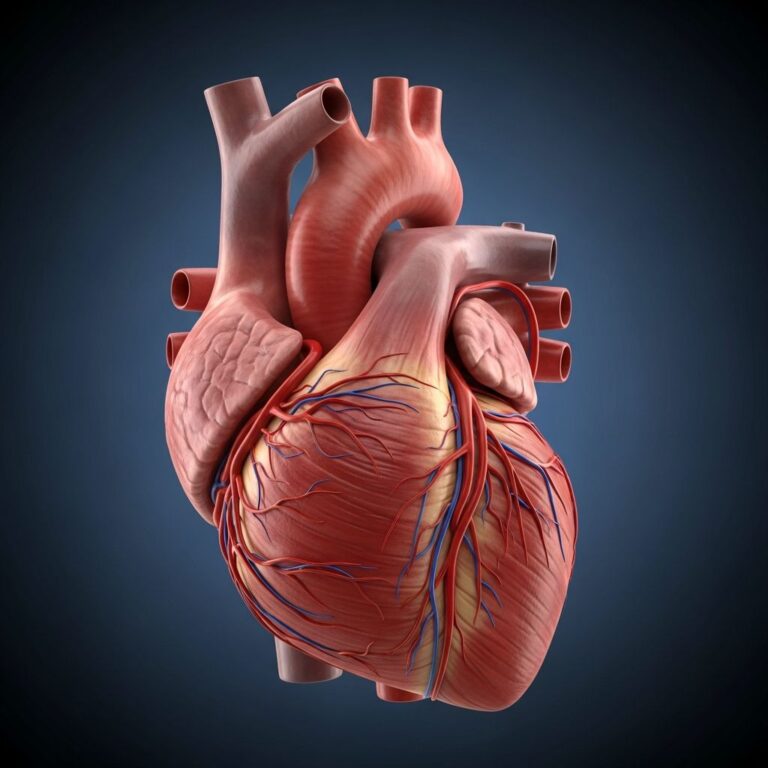
What Is Necrosis? Types, Causes & Treatment
Understanding necrosis: cell death causes, types, symptoms, and effective treatment options.
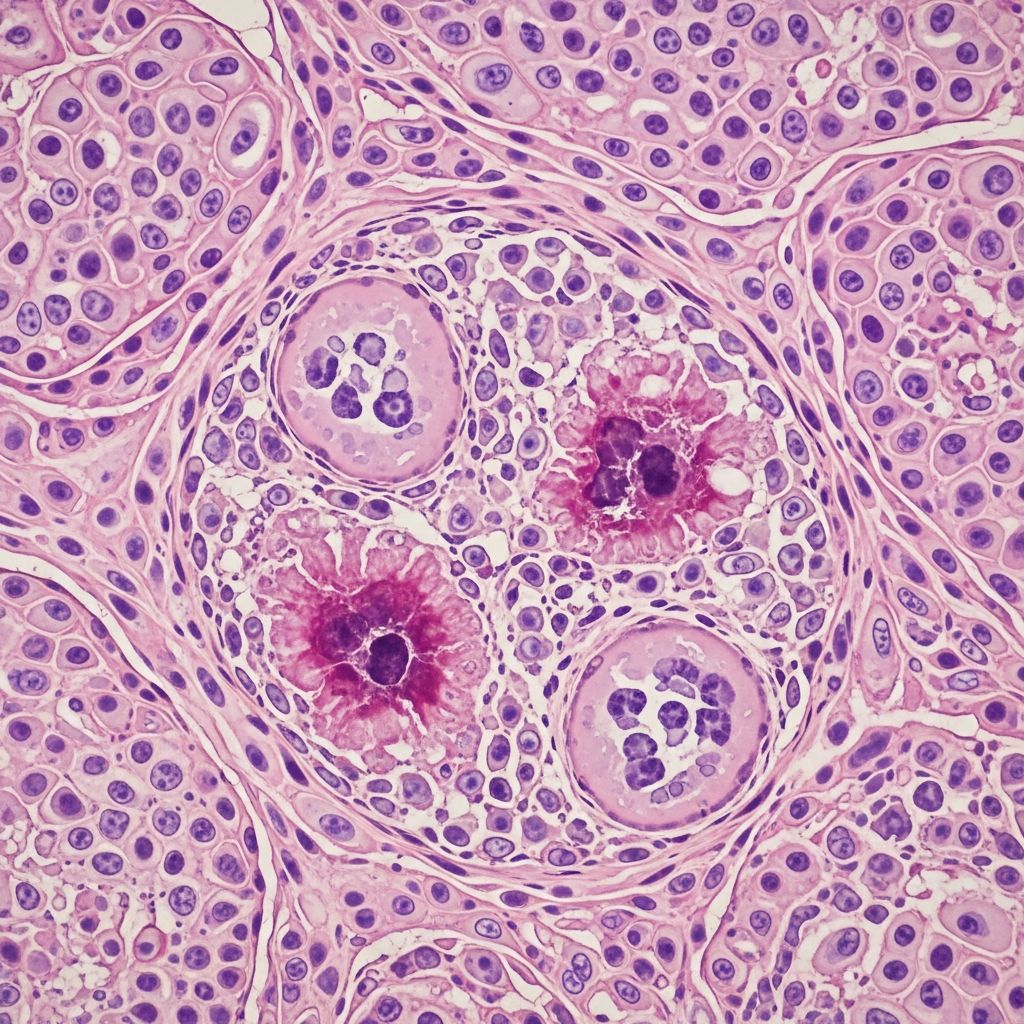
Necrosis is the death of cells in your body tissues. Unlike apoptosis, which is a controlled, programmed form of cell death, necrosis occurs unexpectedly and involuntarily when cells are damaged beyond repair. This uncontrolled cell death can lead to inflammation and tissue damage throughout affected areas. Understanding necrosis is crucial because it can result from various injuries, infections, or diseases, and recognizing its signs early can help prevent serious complications.
When necrosis occurs, the affected tissue becomes damaged and cannot be restored to normal function. The severity and impact of necrosis depend on which tissues are affected, how extensive the damage is, and how quickly treatment is initiated. Early diagnosis and appropriate intervention can help minimize damage and improve outcomes.
What Causes Necrosis?
Necrosis develops when cells in your tissues lose their blood supply or suffer damage from various causes. The most common trigger is inadequate blood flow, known as ischemia, which deprives cells of oxygen and essential nutrients they need to survive. However, numerous other factors can initiate the necrotic process:
Vascular and Circulatory Causes
Loss of blood flow is the primary mechanism behind necrosis. This can occur through:
– Arterial or venous insufficiency- Blood clots (thrombosis) blocking vessels- Embolism, where a clot or debris travels through the bloodstream- Surgical complications affecting blood supply- Atherosclerosis reducing blood vessel diameter
Traumatic Injuries
Direct physical trauma can cause tissue damage leading to necrosis:
– Severe crush injuries- Burns from heat exposure- Frostbite from extreme cold- Electrocution injuries- Compartment syndrome from internal pressure buildup
Infections and Inflammatory Conditions
Bacterial and fungal infections can trigger tissue death. Necrotizing fasciitis, commonly called flesh-eating disease, represents one of the most severe infectious causes of necrosis. This bacterial infection spreads rapidly through tissue layers beneath the skin. Additionally, conditions like pyelonephritis can lead to renal papillary necrosis.
Disease-Related Causes
Various medical conditions increase necrosis risk:
– Diabetes, particularly in the feet and lower extremities- Pancreatic disorders causing acute pancreatitis- Bone diseases affecting the femoral head and other joints- Malignant tumors- Lymphedema
External Pressure and Mechanical Factors
Prolonged external pressure can restrict blood flow and cause necrosis. Pressure ulcers develop when sustained pressure cuts off circulation to skin and underlying tissues. Internal pressure from swelling beneath the fascia can also trigger compartment syndrome, leading to tissue death.
Types of Necrosis
Medical professionals classify necrosis into several distinct types based on appearance, location, and underlying causes. Each type has specific characteristics and clinical implications:
Coagulative Necrosis
This is the most common type, typically resulting from sudden loss of blood supply (ischemia). The tissue architecture remains relatively preserved initially, appearing firm and pale. Coagulative necrosis frequently affects the heart during myocardial infarction, the brain during stroke, and the kidneys and spleen in other ischemic events.
Related Stories



Liquefactive Necrosis
In this type, dead tissue is completely digested by enzymes, leaving a liquid or semi-liquid substance. Liquefactive necrosis commonly occurs in the brain following stroke and in tissues infected by bacteria. The affected area becomes soft and may form an abscess.
Caseous Necrosis
This type features a distinctive cheese-like appearance and occurs primarily in tuberculosis infections. The dead tissue appears granular and white, and the lesion is typically surrounded by inflammatory cells forming a characteristic granuloma.
Fat Necrosis
Fat tissue undergoes necrosis in conditions like acute pancreatitis and following trauma to fatty tissues. The appearance is chalky white, and this type often occurs in the pancreas and breast tissues.
Fibrinoid Necrosis
This specialized type occurs in blood vessel walls during severe vasculitis or in certain autoimmune conditions. The tissue appears to merge with fibrin deposits, creating a homogeneous appearance under microscopic examination.
Gangrenous Necrosis
Gangrene represents extensive necrosis of tissue, typically affecting limbs. It appears dark brown or black as dead tissue loses circulation. Gangrenous necrosis requires urgent intervention, often including amputation to prevent life-threatening complications like sepsis.
Symptoms of Necrosis
Necrosis symptoms vary depending on which tissues are affected and the extent of cell death. Symptoms typically develop over weeks or months as the condition progresses:
Local Symptoms
– Pain or tenderness in the affected area- Swelling and inflammation around damaged tissue- Skin discoloration, ranging from pale to dark brown or black- Tissue softening or hardening- Foul-smelling discharge from infected necrotic areas- Numbness or decreased sensation- Limited mobility in affected joints- Visible tissue breakdown
Systemic Symptoms
When necrosis becomes extensive or infected, whole-body symptoms can develop:
– Fever and chills indicating infection- Sepsis in severe cases- Organ dysfunction or failure- Decreased quality of life and functional impairment
Diagnosis of Necrosis
Healthcare providers use multiple diagnostic approaches to identify and evaluate necrosis:
Physical Examination
Your doctor will examine the affected area for color changes, swelling, temperature differences, and tissue texture. They’ll assess for signs of infection and evaluate pain response and sensation.
Imaging Tests
Several imaging modalities help visualize necrotic tissue:
– Computed Tomography (CT) scans provide detailed cross-sectional images, particularly useful in evaluating necrotizing pancreatitis and identifying necrotic areas in internal organs- Magnetic Resonance Imaging (MRI) offers excellent soft tissue visualization and can detect early-stage necrosis- X-rays may reveal bony changes, such as the characteristic “crescent sign” in osteonecrosis of the femoral head- Ultrasound can assess blood flow and tissue characteristics
Laboratory Tests
Blood tests help evaluate:
– Infection markers like white blood cell count- Inflammatory indicators- Organ function- Blood clotting ability
Tissue Biopsy
In some cases, a small tissue sample is examined under a microscope to confirm necrosis diagnosis and identify the specific type and cause.
Treatment Options for Necrosis
Treatment strategies depend on the necrosis cause, extent, location, and overall health status. The fundamental principle involves removing the underlying cause and eliminating dead tissue:
Addressing the Underlying Cause
Identifying and treating the root cause is essential for successful management. If ischemia causes necrosis, restoring blood flow becomes the priority. For infection-related necrosis, aggressive antibiotic therapy is necessary.
Debridement and Tissue Removal
Debridement removes dead tissue through various techniques:
– Sharp debridement: Surgical removal of dead tissue- Autolytic debridement: Using the body’s own enzymes to break down dead tissue- Enzymatic debridement: Applying specialized enzyme solutions- Biological debridement: Using maggot therapy (larvae consume dead tissue)- Mechanical debridement: Using specialized dressings or irrigation
Minimally Invasive Procedures
For necrotizing pancreatitis, a step-up approach starting with minimally invasive procedures is becoming standard care. Endoscopic necrosectomy shows less inflammatory response and lower risks of new-onset organ failure, bleeding, and fistula formation compared to open surgery.
Surgical Intervention
Surgical approaches may include:
– Open surgical necrosectomy for infected pancreatic necrosis- Embolectomy to remove blood clots- Escharotomy for severe burns- Joint replacement for advanced osteonecrosis of the femoral head- Amputation for gangrenous tissue when other interventions fail
Vascular Intervention
Surgical revascularization restores blood flow to ischemic tissues, preventing or halting necrosis progression. Angioplasty or bypass procedures may be necessary to reestablish circulation.
Supportive Care
Supportive management is crucial, particularly in acute pancreatitis. Early aggressive fluid resuscitation in the first 48-72 hours, pain control, and bowel rest form the mainstays of therapy. Intensive care admission may be necessary if organ failure accompanies necrosis.
Adjunctive Therapies
Additional treatments enhance primary interventions:
– Antibiotic therapy for infected necrotic tissue- Hyperbaric oxygen therapy to improve tissue oxygenation- Off-loading strategies for pressure-related necrosis- Warming therapy for frostbite-related necrosis- Adjusting serum calcium levels for calciphylaxis-related necrosis
Prognosis and Complications
The outcome of necrosis depends on multiple factors including the cause, extent of tissue involvement, affected organ systems, and how quickly treatment begins.
Avascular Necrosis Prognosis
Avascular necrosis (osteonecrosis) is not life-threatening and won’t affect lifespan. However, it can significantly impact quality of life and functional ability. Early diagnosis and treatment can slow disease progression and reduce its impact. People with avascular necrosis may develop severe osteoarthritis, potentially requiring joint replacement surgery.
Necrotizing Pancreatitis Complications
Necrosis significantly increases morbidity and mortality rates in acute pancreatitis due to associations with organ failure and infectious complications. Acute pancreatitis accounts for over 300,000 hospital admissions annually in the United States, with associated healthcare costs exceeding $2.6 billion.
Serious complications include:
– Abdominal compartment syndrome (associated with 5 times higher mortality rates)- Spontaneous hemorrhage into necrotic pancreatic tissue- Organ failure affecting kidneys, lungs, and other systems- Infection of necrotic tissue- Decreased respiratory compliance and hemodynamic instability
Necrotizing Fasciitis Outcome
Necrotizing fasciitis remains particularly dangerous, with mortality rates of approximately 1 in 3 people even with aggressive treatment combining antibiotics and surgical debridement.
Prevention Strategies
While not all necrosis is preventable, several strategies reduce your risk:
– Maintain good circulation through regular exercise and avoiding smoking- Keep cholesterol levels controlled- Manage diabetes carefully to prevent complications- Avoid prolonged pressure on skin (use pressure-relieving mattresses and frequent position changes)- Prevent injuries through safety measures- Treat infections promptly with appropriate antibiotics- Maintain proper wound care for existing injuries- Manage underlying vascular disease
Frequently Asked Questions About Necrosis
Q: Is necrosis the same as gangrene?
A: No. Gangrene is a specific type of extensive necrosis typically affecting limbs, characterized by tissue turning dark brown or black. While all gangrene involves necrosis, not all necrosis becomes gangrene. Gangrene usually results from severe circulation loss and requires urgent intervention.
Q: Can necrosis be reversed?
A: No. Once cells die from necrosis, they cannot become viable again. Dead tissue will not recover even if blood flow is restored. Treatment focuses on removing dead tissue and preventing further damage to surrounding healthy tissue.
Q: How long does necrosis take to develop?
A: The timeline varies significantly depending on the cause. In acute conditions like myocardial infarction or necrotizing fasciitis, necrosis can develop within hours. In other conditions like avascular necrosis, symptoms may appear over weeks or months as cell death progresses gradually.
Q: What is the difference between necrosis and apoptosis?
A: Apoptosis is controlled, programmed cell death that occurs naturally and without inflammation. Necrosis is uncontrolled cell death resulting from injury or disease, typically causing inflammation and tissue damage. Necrosis is pathological, while apoptosis is a normal biological process.
Q: Can antibiotics treat necrosis?
A: Antibiotics cannot reverse necrosis itself, but they are essential when necrosis is caused by or complicated by infection. Antibiotics treat the infection while dead tissue must be removed through debridement or surgery. Combined antibiotic and surgical treatment is most effective for infected necrosis.
Q: When should I seek emergency care for necrosis?
A: Seek immediate emergency care if you experience rapidly spreading redness or swelling, severe pain, signs of infection (fever, chills), tissue discoloration turning to black, signs of sepsis, or loss of sensation in affected areas. These symptoms suggest rapidly progressive necrosis requiring urgent intervention.
Q: What specialists treat necrosis?
A: Treatment requires a multidisciplinary team approach. Depending on the type and location of necrosis, specialists may include vascular surgeons, orthopedic surgeons, infectious disease specialists, cardiologists, gastroenterologists, wound care nurses, and general internists.
References
- Necrotizing Pancreatitis: Diagnose, Treat, Consult — Cleveland Clinic Journal of Medicine. 2017-08. https://www.ccjm.org/content/84/8/639
- Avascular Necrosis (AVN or Osteonecrosis): What It Is — Cleveland Clinic. 2025-11-03. https://my.clevelandclinic.org/health/diseases/14205-avascular-necrosis-osteonecrosis
- Renal Papillary Necrosis — American Journal of Roentgenology. https://www.ajronline.org/doi/10.2214/ajr.114.4.741
- Osteonecrosis of the Femoral Head with Subchondral Collapse — Cleveland Clinic Journal of Medicine. 2019. https://www.ccjm.org/content/86/8/511
- Necrotic Tissue: Identification and Treatment — Wound Care Education Institute. https://blog.wcei.net/necrotic-tissue-how-to-identify-and-treat-it
- Necrotizing Fasciitis (Flesh-Eating Disease): Symptoms & Treatment — Cleveland Clinic. https://my.clevelandclinic.org/health/diseases/23103-necrotizing-fasciitis
- What Is Necrosis? Types & Causes — Cleveland Clinic. https://my.clevelandclinic.org/health/diseases/23959-necrosis
Similar Articles








Read full bio of Sneha Tete