What Is A Neonatologist? What To Expect & When To See One
Learn what neonatologists do, when you need one, and how they care for high-risk newborns.
What Is a Neonatologist?
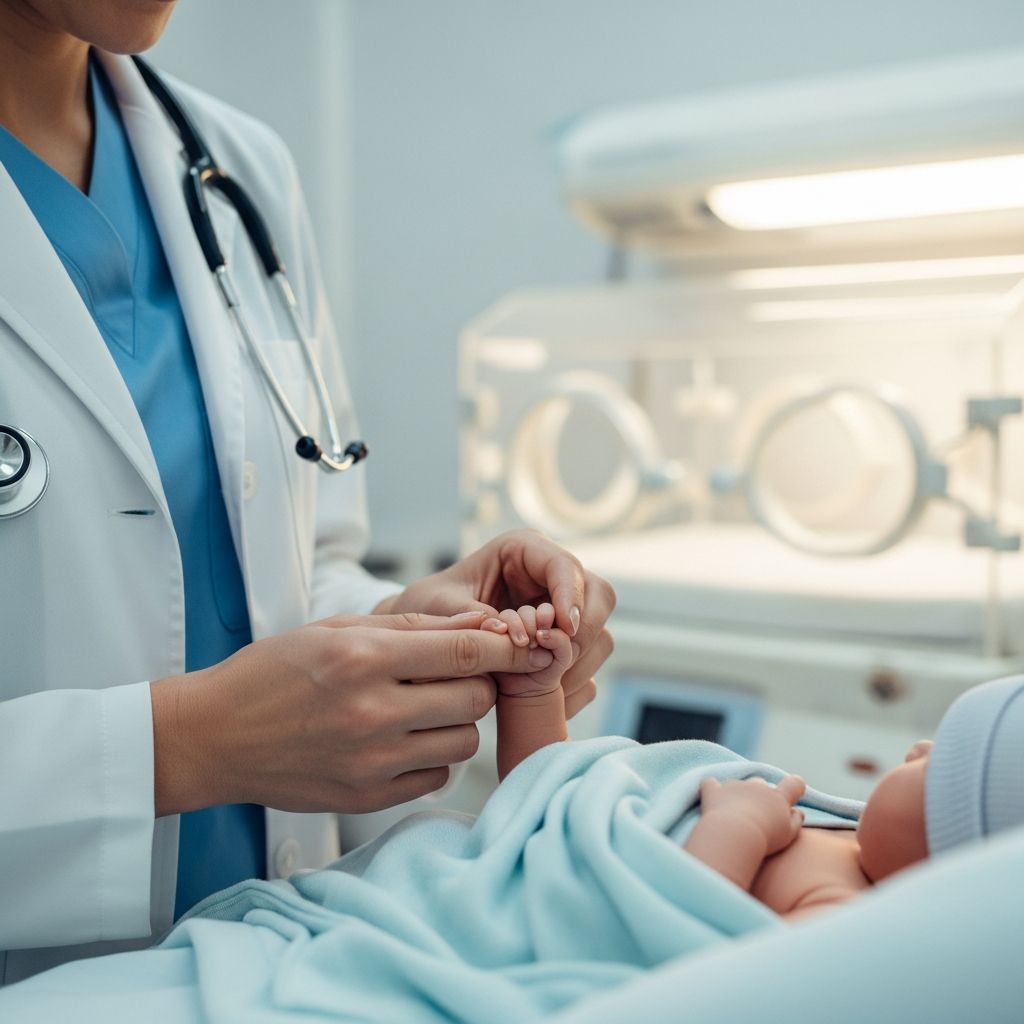
A neonatologist is a healthcare provider who specializes in premature babies or newborns with high-risk or complex health conditions. These medical professionals dedicate their careers to caring for and treating infants born prematurely or those diagnosed with congenital disorders, diseases, or other serious health complications that require specialized attention from birth. Neonatologists are pediatricians who have undergone additional years of specialized training in neonatology, enabling them to manage the most challenging cases in newborn medicine.
When your baby arrives unexpectedly early or with a serious health condition, the experience can feel overwhelming and emotionally taxing. Parents often experience fear, confusion, nervousness, and a sense of being alone in the situation. Neonatologists are trained not only to provide expert medical care but also to support families through these difficult times, helping navigate every aspect of their baby’s treatment journey.
Where Do Neonatologists Work?
Most neonatologists work in hospitals within neonatal intensive care units (NICUs). The NICU is a special type of newborn nursery designed to provide 24-hour specialized care to sick or premature babies. Cleveland Clinic Children’s operates a Level IV, state-of-the-art 17-bed intensive care unit specifically designed to care for newborns with the most complex medical problems. An extensive team of 50 neonatal specialists at Cleveland Clinic oversees over 90 NICU beds across multiple facilities, demonstrating the scale and sophistication of modern neonatal care.
A neonatologist may provide follow-up care after your baby is discharged from the NICU and often works collaboratively with your baby’s pediatrician to ensure continuity of care. This transition from hospital-based care to outpatient management is crucial for babies who have spent time in intensive care.
Training and Qualifications of Neonatologists
Neonatologists are pediatricians for newborn babies with injuries or diseases that require special care. Their educational pathway involves completing medical school followed by pediatric residency training, and then pursuing additional fellowship training specifically in neonatology. This specialized training focuses exclusively on newborns whose lives are at risk due to disease or congenital disability. In contrast, a pediatrician provides routine wellness checkups and treats illnesses in infants and children until they’re 18 years old. The additional training allows neonatologists to develop expertise in managing life-threatening conditions unique to newborns and managing the sophisticated equipment found in NICUs.
When to See a Neonatologist
During Pregnancy
You may first see a neonatologist during pregnancy if the fetus is diagnosed with a congenital disability. These could include structural issues affecting one of the fetus’s organs or an inherited genetic condition such as cystic fibrosis. Neonatologists work collaboratively with obstetricians and maternal-fetal specialists to help manage your baby’s care before, during, and immediately after delivery. Early involvement allows for comprehensive planning and preparation for specialized care immediately after birth.
At Birth
A neonatologist may be needed when an unexpected health condition or injury is discovered at birth. Some neonatologists are present in the delivery room to treat newborn babies immediately after they’re born, particularly when serious conditions are anticipated. Neonatologists assist in delivering babies in certain circumstances—for example, if your baby has a medical condition that requires immediate treatment, a neonatologist will work alongside your obstetrician in the delivery room to ensure your baby receives emergency care without delay.
Related Stories



Common Reasons to See a Neonatologist
There are numerous conditions and circumstances that may warrant neonatologist involvement in your baby’s care. These specialists treat sick and injured newborns or babies that need special care after birth. Some of the most common conditions or diseases neonatologists treat include prematurity-related complications, infections, respiratory distress syndrome, heart defects, and genetic disorders. Other reasons to see a neonatologist include:
- Premature birth (being born before 37 weeks of pregnancy)
- Infections or suspected infections in the newborn period
- Respiratory problems requiring mechanical ventilation
- Congenital heart disease
- Birth defects requiring surgical intervention
- Metabolic disorders or genetic conditions
- Severe jaundice requiring specialized treatment
- Seizures or neurological complications
- Feeding difficulties or gastrointestinal disorders
- Injuries sustained during delivery
Common Treatments and Procedures
Neonatologists use a wide range of treatments to manage your baby’s health condition. The NICU is equipped with special equipment to help care for critically ill newborns. When surgery is required, a neonatologist will work closely with your baby’s surgeon to ensure comprehensive care. Common procedures and treatments used by neonatologists include mechanical ventilation to support breathing, continuous positive airway pressure (CPAP) for respiratory support, and specialized feeding methods such as parenteral nutrition when oral feeding is not possible.
Additional interventions may include phototherapy for severe jaundice, antibiotics for infections, and medications to support heart function or blood pressure. Neonatologists also perform procedures such as lumbar punctures to diagnose infections, umbilical catheter placement for medication and fluid administration, and specialized imaging studies to diagnose conditions. Blood transfusions may be necessary for severely anemic infants, and some babies require extracorporeal membrane oxygenation (ECMO) support—an advanced life-support technology for the most critically ill newborns.
What to Expect During Your Visit
Prenatal Consultation
If you see a neonatologist during pregnancy, they’ll start by educating you on the disease or condition the fetus is suspected of having. They may go over a treatment plan; however, this may not be entirely known until after your baby is born. Neonatologists will monitor your pregnancy up until delivery. Depending on the condition, the neonatologist may help deliver your baby and transfer them to the NICU for immediate care. This prenatal consultation provides an opportunity for you to ask questions and understand what to expect, which helps reduce anxiety and improves family preparedness.
Postnatal Care
If your baby is born with an unexpected health condition, a neonatologist will educate you on the condition and tell you how they plan to treat your baby. They’ll go over the risks and benefits of treatment and what you can expect. Don’t hesitate to ask them any questions you have about your baby’s condition or care. Clear communication and shared decision-making are essential components of neonatal care, and neonatologists recognize that informed parents are better equipped to support their baby’s recovery.
Collaboration With Other Healthcare Providers
Neonatologists work as part of a multidisciplinary team to provide comprehensive care for critically ill newborns. They collaborate with pediatricians, obstetricians, maternal-fetal specialists, pediatric surgeons, and other specialists depending on your baby’s specific needs. This collaborative approach ensures that your baby receives coordinated, evidence-based care from multiple experts. Nurses, respiratory therapists, lactation consultants, and social workers also play vital roles in the care team, each contributing their expertise to support your baby’s recovery and your family’s wellbeing.
Neonatologist vs. Pediatrician
Understanding the difference between a neonatologist and a pediatrician can help clarify which specialist your baby needs. A pediatrician provides routine wellness checkups and treats common illnesses in infants and children until they’re 18 years old. They focus on preventive care, monitoring normal development, and managing acute and chronic conditions that don’t require intensive hospitalization. Neonatologists, by contrast, specialize exclusively in critically ill or high-risk newborns, often working in hospital settings with sophisticated equipment and technology. Neonatologists and pediatricians sometimes work together to treat or manage a baby’s care, with the neonatologist managing acute hospital-based care and the pediatrician providing ongoing outpatient management after discharge.
Innovations in Neonatal Care
The field of neonatology continues to advance with emerging innovations designed to improve outcomes for vulnerable newborns. Researchers at leading institutions are developing new technologies and approaches to address longstanding challenges in neonatal care. These include deep learning algorithms trained on video and physiological data to detect and quantify stressor events in the NICU, allowing for earlier detection of adverse events and more timely interventions. Advanced computational models are being developed to enhance detection of conditions like necrotizing enterocolitis, one of the leading causes of death in preterm infants. New devices combining high-flow nasal cannula with continuous non-invasive airway pressure assessment are emerging to simplify care and improve patient experience.
Frequently Asked Questions
Q: Is a neonatologist a doctor?
A: Yes, a neonatologist is a doctor who has completed medical school, pediatric residency training, and specialized fellowship training in neonatology.
Q: Can neonatologists help during pregnancy?
A: Yes, if a congenital condition is diagnosed prenatally, a neonatologist can work with your obstetric team to plan for specialized care at delivery and in the NICU.
Q: What is the difference between a NICU and a regular nursery?
A: A NICU is a specialized unit providing 24-hour intensive care to sick or premature babies using advanced equipment and trained specialists, while a regular nursery provides basic care for healthy newborns.
Q: How long do babies typically stay in the NICU?
A: The length of stay varies widely depending on the baby’s condition, ranging from a few days to several months for very premature or critically ill infants.
Q: Do neonatologists continue caring for babies after discharge?
A: Neonatologists may provide follow-up care after NICU discharge, often coordinating with your baby’s pediatrician for ongoing management and developmental monitoring.
Q: What equipment do neonatologists use in the NICU?
A: The NICU is equipped with ventilators, CPAP machines, cardiac monitors, incubators, phototherapy equipment, and other specialized devices for monitoring and treating critically ill newborns.
Conclusion
Neonatologists are healthcare providers with unique expertise in treating newborns with medical conditions or congenital disorders. Whether you meet a neonatologist during pregnancy or your baby needs one immediately after birth, these specialists are dedicated to providing expert care and support to your newborn during a critical time. With their advanced training, access to state-of-the-art equipment and technology, and compassionate approach to family-centered care, neonatologists help ensure that babies born prematurely or with serious health conditions have the best possible chance for healthy development and long-term wellbeing. Understanding the role of neonatologists and what to expect during neonatal intensive care can help families navigate this challenging journey with greater confidence and peace of mind.
References
- Pediatric Neonatology (NICU) | Cleveland Clinic Children’s — Cleveland Clinic. Accessed December 2025. https://my.clevelandclinic.org/pediatrics/departments/neonatology
- What Is A Neonatologist? What To Expect & When To See One — Cleveland Clinic. Last reviewed November 25, 2022. https://my.clevelandclinic.org/health/articles/24471-neonatologist
- 7 Emerging Innovations in Neonatology — Cleveland Clinic Consult QD. https://consultqd.clevelandclinic.org/7-emerging-innovations-in-neonatology
- Long-term Consequences of Prematurity — Cleveland Clinic Journal of Medicine, Vol. 87, No. 12. https://www.ccjm.org/content/87/12/759.abstract
Similar Articles








Read full bio of Sneha Tete