What is Neurodiversity? Understanding Brain Differences
Explore neurodiversity: how brain differences represent natural human variation, not deficits.
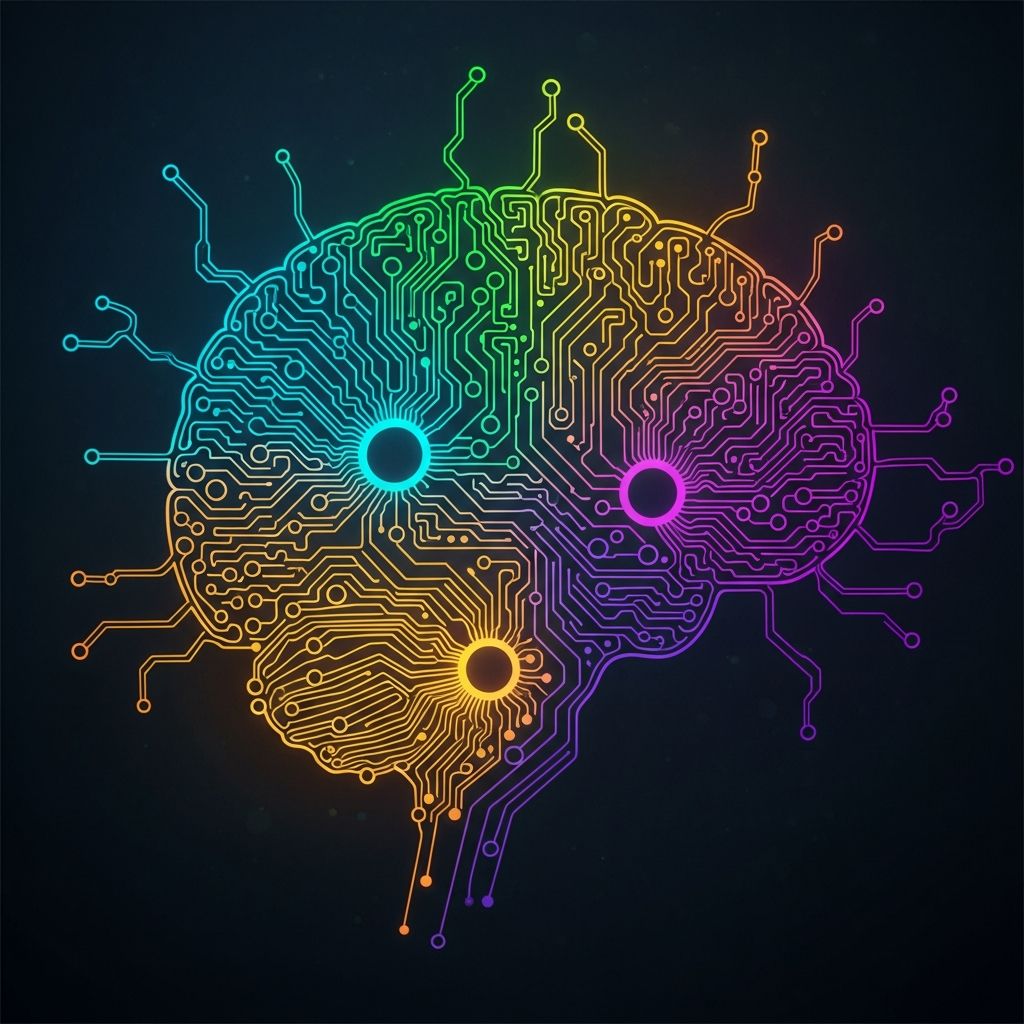
The way our brains work is as unique as our fingerprints. Yet for decades, modern medicine has approached neurological differences through a deficit-based lens, categorizing conditions like autism spectrum disorder, attention-deficit hyperactivity disorder (ADHD), dyslexia, and others as disorders requiring correction or treatment. The concept of neurodiversity offers a fundamental shift in perspective, inviting us to view these differences not as deficits, but as natural variations in human brain functioning that come with distinct strengths and challenges.
Defining Neurodiversity
Neurodiversity is a non-medical umbrella term that describes the natural variations in how human brains are wired and function. The concept recognizes that neurological differences—including autism, ADHD, dyslexia, dyspraxia, and dyscalculia—represent normal human variation rather than pathological conditions requiring cure. Sociologist Judy Singer coined the term “neurodiversity” in 1998, drawing a parallel to the concept of biodiversity in nature. Just as biological diversity strengthens ecosystems, neurological diversity enriches human communities by bringing varied perspectives, strengths, and ways of thinking.
The term “neurodivergent” refers to individuals whose neurological development differs from the majority, while “neurotypical” describes people whose brains develop along conventional lines. However, it’s important to understand that neurodiversity is not preventable, treatable, or curable—it is a fundamental aspect of human brain development.
The Origins and Evolution of the Neurodiversity Movement
The neurodiversity movement emerged in response to the explosive growth in psychiatric diagnoses. The American Psychiatric Association’s Diagnostic and Statistical Manual, first published in 1952, contained approximately 100 categories of mental illness. By 2000, that number had tripled, reflecting an increasing tendency to pathologize cognitive differences. Journalist Harvey Blume and autism advocate Judy Singer were instrumental in popularizing the neurodiversity framework in the late 1990s. Blume wrote in The Atlantic that “neurodiversity may be every bit as crucial for the human race as biodiversity is for life in general,” positioning neurological differences as a vital dimension of human diversity alongside class, gender, and race.
This paradigm shift challenges the traditional medical model that defines normality as a specific standard and judges all deviations as abnormal or pathological. Instead, neurodiversity acknowledges that no two brains—not even identical twins—function exactly alike, making the very concept of “normal” neurological function problematic.
Conditions Encompassed by Neurodiversity
Neurodiversity encompasses a broad spectrum of neurological conditions and neurodevelopmental differences. The primary conditions typically included under the neurodiversity umbrella are:
- Autism Spectrum Disorder (ASD) — A developmental difference characterized by variations in social communication, sensory processing, and behavioral patterns
- Attention-Deficit/Hyperactivity Disorder (ADHD) — A condition affecting attention regulation, impulse control, and executive functioning
- Dyslexia — A difference in language processing affecting reading and written expression
- Dyspraxia — A condition affecting motor coordination and movement planning
- Dyscalculia — A difference in numerical and mathematical processing
- Mental Health Conditions — Including bipolar disorder, depression, anxiety, and schizophrenia, which are increasingly recognized as involving neurodivergent traits
Between 10% and 20% of the global population is considered neurodivergent, according to research from Deloitte. This substantial proportion underscores that neurodivergence represents a significant portion of human neurological variation rather than a rare anomaly.
Neurodiversity Versus Traditional Medical Models
The traditional medical approach to neurological differences operates from a pathology-centered framework. This model emphasizes what neurodivergent individuals cannot do, focusing on symptoms, deficits, and the need for normalization. The goal has historically been to “fix” or “correct” neurological differences to align with neurotypical functioning standards.
The neurodiversity approach fundamentally challenges this perspective. Rather than viewing neurological differences as disorders to be cured, neurodiversity acknowledges these variations as natural expressions of human brain diversity that warrant recognition, acceptance, and accommodation. This shift moves the conversation from pathology to identity, from deficit to strengths-based perspectives.
Related Stories



Under the neurodiversity framework, rather than asking “What is wrong with this person?” we ask “What does this person need to thrive?” This reorientation acknowledges that many challenges experienced by neurodivergent individuals stem not from their neurological differences themselves, but from environments, systems, and social structures that fail to accommodate diverse ways of thinking, learning, and communicating.
Strengths and Abilities Associated with Neurodiversity
A cornerstone of the neurodiversity movement is the recognition that neurological differences come with distinctive strengths and abilities. This perspective shifts focus from limitations to capabilities:
- Autism Spectrum — Individuals often demonstrate exceptional abilities in pattern recognition, systems thinking, attention to detail, and specialized expertise. Many excel in fields like computer programming, mathematics, engineering, and technical work
- ADHD — People with ADHD often possess creativity, spontaneity, resilience, and a capacity for rapid context-switching. They frequently excel in novel situations requiring flexibility and innovative thinking
- Dyslexia — Individuals with dyslexia often demonstrate strong visual-spatial thinking, entrepreneurial abilities, creative problem-solving, and leadership potential
- Bipolar Disorder — Those with bipolar disorder are often recognized for enhanced creativity, artistic expression, and productivity during certain mood states
Research demonstrates that teams incorporating neurodivergent professionals can be 30% more productive than those without them. Forward-thinking organizations, including major software and technology companies, have begun actively recruiting individuals with autism and other neurodivergent profiles specifically to leverage their specialized skills and unique perspectives.
Neurodiversity and Mental Health Challenges
While recognizing strengths is essential, the neurodiversity framework does not minimize the real challenges that neurodivergent individuals often face. Research indicates higher rates of mental health conditions—including anxiety, depression, and other mood disorders—among people with autism, ADHD, dyspraxia, and related conditions.
However, the neurodiversity perspective helps us understand these mental health difficulties in context. Many challenges arise not from the neurological difference itself, but from societal pressures to conform, social stigma, lack of appropriate accommodations, and systems designed exclusively for neurotypical functioning. When individuals receive proper support, understanding, and accommodations tailored to their needs, their capacity to thrive substantially improves.
Neurodiversity in Workplace and Education Settings
The business sector has begun recognizing neurodiversity as a competitive advantage. Harvard Business Review published an influential article in 2017 titled “Neurodiversity as a Competitive Advantage,” highlighting why organizations benefit from hiring neurodivergent employees. Companies are discovering that neurodivergent workers bring unique problem-solving abilities, fresh perspectives, and specialized talents that enhance innovation and productivity.
In educational settings, the neurodiversity framework encourages educators to recognize that students learn differently and that these differences are not deficits. Instead of attempting to force all learners into a single mold, inclusive education based on neurodiversity principles provides multiple pathways for learning, assessment, and expression, allowing students to demonstrate their strengths and receive support for genuine challenges.
Implications for Healthcare and Medical Practice
The neurodiversity framework has profound implications for how healthcare providers approach neurological and neurodevelopmental conditions. Rather than focusing exclusively on symptom reduction or behavioral normalization, a neurodiversity-informed medical approach emphasizes:
- Person-centered care that respects individual identity and preferences
- Tailored support and interventions addressing specific needs rather than enforcing uniformity
- Collaboration with neurodivergent individuals in treatment planning and decision-making
- Recognition of strengths alongside challenges
- Research and therapeutic development aimed at improving quality of life rather than enforcing normalization
This shift requires including neurodivergent voices in research, clinical practice, policy development, and healthcare decision-making. When neurodivergent individuals participate in shaping their own care and broader healthcare systems, treatment becomes more effective and respectful of individual autonomy.
Challenging Ableism Through Neurodiversity
A crucial goal of the neurodiversity movement is combating ableism—the systemic discrimination and prejudice against individuals perceived as disabled or “abnormal”. Ableism manifests when society devalues neurodivergent individuals, excludes them from opportunities, treats them with condescension, or denies them equal rights and participation in community life.
The neurodiversity framework actively challenges ableist assumptions by asserting that neurological differences do not render individuals less worthy or less capable of meaningful participation in society. Instead, it advocates for creating inclusive systems and accommodating diverse neurological functioning so that all individuals—regardless of how they think, learn, process information, or perceive the world—can contribute their gifts and exercise their rights fully.
Frequently Asked Questions
What is the difference between neurodiversity and neurodivergence?
Neurodiversity refers to the concept or framework recognizing natural variation in human neurological functioning. Neurodivergence describes the state of being neurodivergent—having a brain that functions differently from neurotypical patterns.
Is neurodiversity the same as disability?
Not necessarily. While neurodivergent individuals may experience disabilities in certain contexts or environments, neurodiversity itself is not inherently a disability. Rather, it describes natural neurological variation. Many neurodivergent people reject the disability label while others embrace it as part of their identity.
Can neurodiversity be cured or treated?
Neurodiversity is not preventable, treatable, or curable because it reflects fundamental aspects of how an individual’s brain is wired. However, specific conditions or challenges associated with neurodiversity may be manageable through appropriate support, therapy, accommodations, and sometimes medication.
Why is neurodiversity important?
Neurodiversity is important because it promotes acceptance, inclusion, and the recognition of human neurological diversity as natural and valuable. This perspective improves mental health outcomes, enhances educational and workplace inclusion, and allows neurodivergent individuals to be recognized for their unique strengths and contributions.
How can I support neurodiversity in my workplace or school?
Support neurodiversity by advocating for accommodations tailored to individual needs, recognizing and valuing diverse thinking styles and approaches, including neurodivergent voices in decision-making, providing accessible learning or work environments, and actively working against discrimination and ableist attitudes.
Conclusion
Neurodiversity represents a paradigm shift in how society understands and responds to neurological differences. By recognizing that autism, ADHD, dyslexia, and related conditions represent natural human variation rather than disorders requiring correction, we create space for greater inclusion, respect, and opportunity. This framework doesn’t deny that neurodivergent individuals face real challenges—many do—but it reframes those challenges in context, often recognizing that societal structures and attitudes create barriers as much as neurological differences themselves. As our understanding of neurodiversity grows, so does our capacity to build more inclusive systems, value diverse forms of thinking and learning, and allow all individuals to contribute their unique gifts to society. The future of medicine, education, and workplace culture increasingly depends on our willingness to embrace neurodiversity as fundamental to human experience.
References
- The Neurodiversity Framework in Medicine: On the Spectrum — National Center for Biotechnology Information (NCBI). 2024. https://pubmed.ncbi.nlm.nih.gov/39874176/
- The Power of Neurodiversity — Thomas Armstrong, Ph.D., Institute for Learning. https://www.institute4learning.com/resources/articles/neurodiversity/
- Explainer: What is neurodivergence? Here’s what you need to know — World Economic Forum. 2022. https://www.weforum.org/stories/2022/10/explainer-neurodivergence-mental-health/
- Neurodivergent: What It Is, Symptoms & Types — Cleveland Clinic. https://my.clevelandclinic.org/health/symptoms/23154-neurodivergent
Similar Articles








Read full bio of medha deb