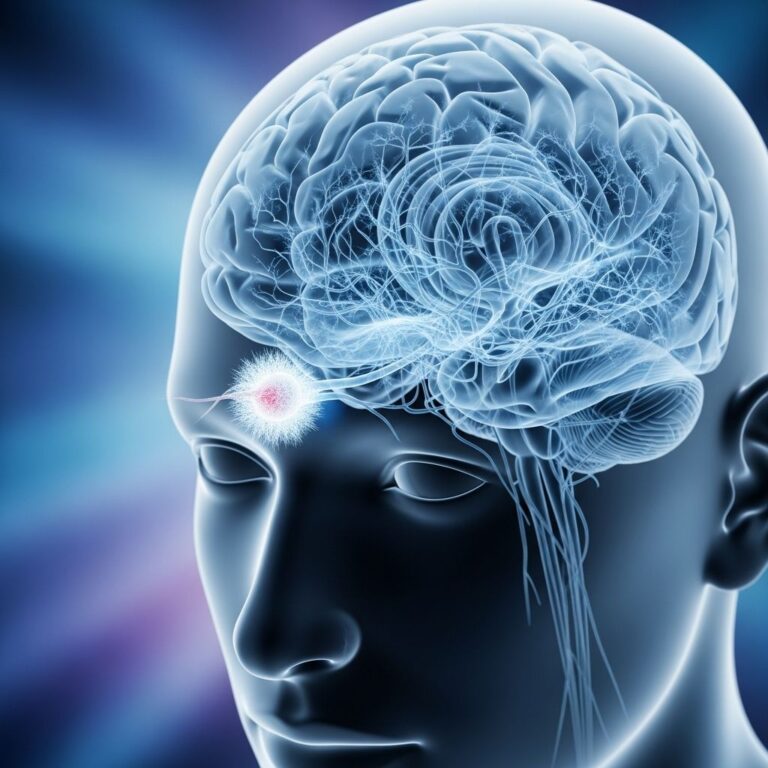
What Is a Neurologist? What They Do & When to See One
Learn about neurologists, their specializations, and when you should seek neurological care.
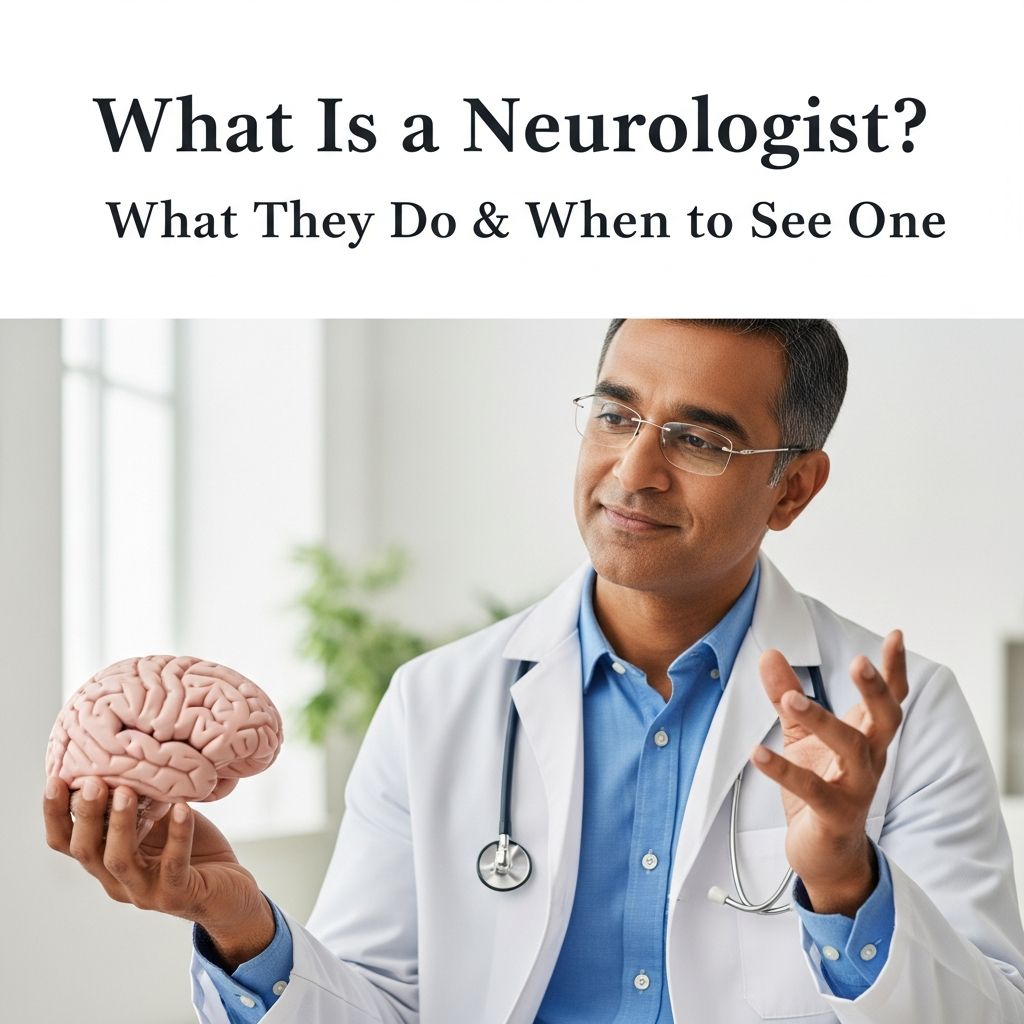
What Is a Neurologist?
A neurologist is a medical doctor who specializes in diagnosing and treating diseases of the brain, spinal cord, and nerves. These highly trained physicians have completed medical school followed by extensive specialized training in neurology, which typically includes a three-year residency program and often additional fellowship training in specific neurological subspecialties. Neurologists are experts in understanding the complex nervous system and how various diseases and conditions affect brain function, nerve transmission, and overall neurological health.
Neurologists differ from neurosurgeons, though the two specialties often work together. While neurologists focus on medical management and diagnosis of neurological conditions, neurosurgeons perform surgical procedures on the brain, spinal cord, and nerves when surgical intervention is necessary. Many neurological conditions can be effectively managed through medical treatment alone, including medications, therapy, and lifestyle modifications.
Education and Training Requirements
Becoming a neurologist requires extensive education and training. After completing four years of medical school (MD or DO degree), aspiring neurologists must complete a three-year neurology residency program accredited by the Accreditation Council for Graduate Medical Education (ACGME). During this residency, physicians gain hands-on experience in diagnosing and treating various neurological conditions under the supervision of experienced neurologists.
Many neurologists pursue additional fellowship training in subspecialties such as:
- Epilepsy and seizure disorders
- Stroke and cerebrovascular disease
- Movement disorders
- Neuromuscular diseases
- Neuro-oncology
- Sleep medicine
- Pediatric neurology
- Headache and pain management
Board certification in neurology requires passing the American Board of Psychiatry and Neurology (ABPN) examination, demonstrating mastery of neurological knowledge and clinical skills. Many neurologists maintain their certification through continuing medical education and periodic recertification.
What Conditions Do Neurologists Treat?
Neurologists diagnose and manage a wide range of conditions affecting the nervous system. These conditions can be broadly categorized into several groups:
Cerebrovascular Disorders
Neurologists treat conditions affecting blood flow to the brain, including stroke, transient ischemic attack (TIA), cerebral aneurysms, and carotid stenosis. These are among the most common reasons patients seek neurological care, as prompt diagnosis and treatment are critical for preventing serious complications.
Epilepsy and Seizure Disorders
Seizures result from abnormal electrical activity in the brain. Neurologists evaluate patients experiencing seizures, determine the underlying cause, and develop personalized treatment plans that may include antiepileptic medications or, in some cases, surgical intervention.
Movement Disorders
Conditions such as Parkinson’s disease, essential tremor, dystonia, and Huntington’s disease affect movement and motor control. Neurologists specialize in managing these progressive conditions and improving quality of life through medication management and other interventions.
Headaches and Facial Pain
Migraines, cluster headaches, tension headaches, and other chronic pain syndromes affecting the head and face are common reasons to visit a neurologist. These specialists can identify underlying causes and prescribe preventive and acute treatment strategies.
Related Stories



Multiple Sclerosis and Autoimmune Disorders
Multiple sclerosis and other autoimmune neurological conditions require specialized care. Neurologists manage disease progression, prescribe immunomodulatory therapies, and help patients adapt to their conditions.
Neurodegenerative Diseases
Conditions such as Alzheimer’s disease, amyotrophic lateral sclerosis (ALS), and Parkinson’s disease progressively affect nerve function. Neurologists provide comprehensive care, symptom management, and support for patients and families facing these challenging diagnoses.
Sleep Disorders
Many neurologists specialize in diagnosing and treating sleep disorders, including insomnia, sleep apnea, restless leg syndrome, and narcolepsy. Quality sleep is essential for brain health, and neurologists help patients achieve restorative sleep patterns.
Infections of the Nervous System
Meningitis, encephalitis, and other infections affecting the brain and spinal cord require urgent neurological evaluation and treatment to prevent serious complications.
Trauma and Injury
Traumatic brain injury and spinal cord injuries are managed by neurologists who assess damage, monitor recovery, and coordinate rehabilitation efforts.
Memory and Cognitive Disorders
Dementia, mild cognitive impairment, and other conditions affecting memory and thinking abilities are evaluated by neurologists who work to identify reversible causes and slow progression when possible.
Common Diagnostic Tools and Procedures
Neurologists employ various diagnostic techniques to evaluate neurological function and identify disorders:
- Neurological Examination: A comprehensive assessment of cranial nerves, motor strength, sensation, coordination, and reflexes
- Magnetic Resonance Imaging (MRI): Produces detailed images of brain and spinal cord structures
- Computed Tomography (CT) Scan: Provides cross-sectional images useful for detecting bleeding or acute changes
- Electroencephalography (EEG): Records electrical activity of the brain, essential for diagnosing seizure disorders
- Electromyography (EMG) and Nerve Conduction Studies: Evaluate muscle and nerve function
- Lumbar Puncture (Spinal Tap): Analyzes cerebrospinal fluid to diagnose infections and other conditions
- Ultrasound: Uses sound waves to visualize blood vessels and other structures
- Positron Emission Tomography (PET) Scan: Detects metabolic activity in the brain
When Should You See a Neurologist?
You should consider scheduling an appointment with a neurologist if you experience any of the following symptoms or conditions:
- Persistent headaches or migraines that interfere with daily life
- Dizziness or vertigo affecting balance and coordination
- Numbness or tingling in your extremities
- Weakness or paralysis in any part of your body
- Seizures or episodes of loss of consciousness
- Memory problems or cognitive changes
- Sleep disturbances lasting more than a few weeks
- Tremors or involuntary movements
- Speech difficulties or language problems
- Vision changes related to neurological issues
- Chronic pain conditions, particularly if related to nerve damage
- Recovery from stroke or traumatic brain injury
- Family history of neurological disease requiring monitoring
What to Expect During Your First Visit
During your initial neurological consultation, your doctor will conduct a comprehensive evaluation. This typically begins with a detailed medical history, including current symptoms, past medical conditions, medications, family history, and lifestyle factors. Your neurologist will ask specific questions about when symptoms started, how they’ve progressed, and how they affect your daily functioning.
Following the history, your neurologist will perform a thorough neurological examination to assess various aspects of nervous system function. This examination is non-invasive and painless, though it can be lengthy and detailed. Based on the history and examination findings, your neurologist may recommend additional diagnostic tests to confirm a diagnosis or rule out other conditions.
The appointment concludes with a discussion of findings and development of a treatment plan tailored to your specific condition. This plan may include medications, referrals to other specialists, physical therapy, lifestyle modifications, or recommendations for monitoring.
How Neurologists Work with Other Healthcare Providers
Neurologists rarely work in isolation. They frequently collaborate with other medical specialists to provide comprehensive care. For example, a patient with a complex neurological condition may see a neurologist alongside a primary care physician, physical therapist, psychologist, and other specialists. This multidisciplinary approach ensures all aspects of a patient’s health are addressed.
Neurologists often coordinate with neurosurgeons when surgical intervention becomes necessary. They work with neuroradiologists to interpret imaging studies and with other specialists to manage comorbid conditions that may complicate neurological illness. This collaborative care model leads to better outcomes and improved patient satisfaction.
Subspecialties Within Neurology
Modern neurology includes numerous subspecialties, allowing neurologists to develop expertise in specific areas:
- Epileptology: Specialization in seizure disorders and epilepsy management
- Stroke Neurology: Focus on cerebrovascular diseases and acute stroke intervention
- Movement Disorder Neurology: Expertise in Parkinson’s disease, dystonia, and tremors
- Neuromuscular Medicine: Management of muscle and nerve diseases
- Neuro-Oncology: Treatment of brain tumors and neurological complications of cancer
- Sleep Medicine Neurology: Diagnosis and treatment of sleep disorders
- Pediatric Neurology: Specialized care for children with neurological conditions
- Behavioral Neurology: Focus on psychiatric and behavioral manifestations of neurological disease
- Headache Medicine: Specialized management of headache and facial pain disorders
Advances in Neurological Care
The field of neurology continues to advance rapidly with new diagnostic technologies and treatment options emerging regularly. Modern neurological institutes like Cleveland Clinic’s Neurological Institute employ over 300 specialists working collaboratively to treat complex neurological disorders. These institutions utilize cutting-edge technologies including advanced neuroimaging, magnetoencephalography (MEG), artificial intelligence-assisted diagnostics, and precision medicine approaches to provide personalized treatment plans based on individual patient characteristics.
Emerging technologies are enhancing neurosurgical precision, improving patient outcomes, and reducing recovery times. Minimally invasive procedures, robotic surgical systems, augmented reality guidance, and brain-computer interfaces represent the frontier of neurological treatment. Integration of wearable sensors and digital health monitoring allows for continuous assessment of neurological function, enabling early detection of changes and more timely interventions.
Frequently Asked Questions
Q: What is the difference between a neurologist and a psychiatrist?
A: While both specialize in brain health, neurologists focus on diseases of the nervous system including brain, spinal cord, and nerves, often emphasizing organic neurological conditions. Psychiatrists specialize in mental health and behavioral disorders. However, significant overlap exists, and many conditions require both specialists’ expertise.
Q: Do I need a referral to see a neurologist?
A: Requirements vary depending on your insurance plan and healthcare system. Many insurance plans require a referral from your primary care physician, though some allow direct self-referral. Contact your insurance provider or healthcare facility to determine their specific requirements.
Q: How long does a neurological examination take?
A: Initial consultations typically last 45 minutes to 2 hours, depending on the complexity of your condition and the thoroughness of evaluation needed. Follow-up appointments are usually shorter.
Q: What should I bring to my neurologist appointment?
A: Bring your insurance card, photo identification, a list of current medications and supplements, relevant medical records from other providers, and a list of questions or symptoms you want to discuss.
Q: Can neurologists prescribe medications?
A: Yes, neurologists are medical doctors who can prescribe medications. They frequently prescribe medications to manage neurological conditions, including seizure medications, migraine preventives, and disease-modifying therapies.
Q: Is neurology only for elderly patients?
A: No, neurological conditions affect people of all ages. Pediatric neurologists specialize in treating children, while adult neurologists care for patients throughout their lifespan. Some conditions are more common in older adults, but many affect younger populations.
Q: What should I do if I think I’m having a stroke?
A: Call emergency services (911 in the United States) immediately. Stroke is a medical emergency requiring urgent intervention. Time is critical in stroke treatment, as medications and procedures are most effective when administered quickly after symptom onset.
References
- About the Neurological Institute — Cleveland Clinic. 2025. https://my.clevelandclinic.org/departments/neurological/about
- Revolutionizing Neurology Care: Previewing Cleveland Clinic’s New Neurological Institute — NeurologyLive. 2024. https://www.neurologylive.com/view/revolutionizing-neurology-care-previewing-cleveland-clinic-new-neurological-institute
- Neurological Institute Departments & Centers — Cleveland Clinic. 2025. https://my.clevelandclinic.org/departments/neurological/depts
- What Is a Neurologist? What They Do & When to See One — Cleveland Clinic. 2025. https://my.clevelandclinic.org/health/articles/22277-neurologist
- Get Neurology Care — Cleveland Clinic. 2025. https://my.clevelandclinic.org/services/neurology-care
- Cleveland Clinic Neurological Institute Overview — Cleveland Clinic. YouTube. https://www.youtube.com/watch?v=T4r9AtjIab0
Similar Articles








Read full bio of medha deb