What Is Nutrition & Essential Nutrients Your Body Needs
Learn what nutrition is and discover the essential nutrients your body requires for optimal health and function.
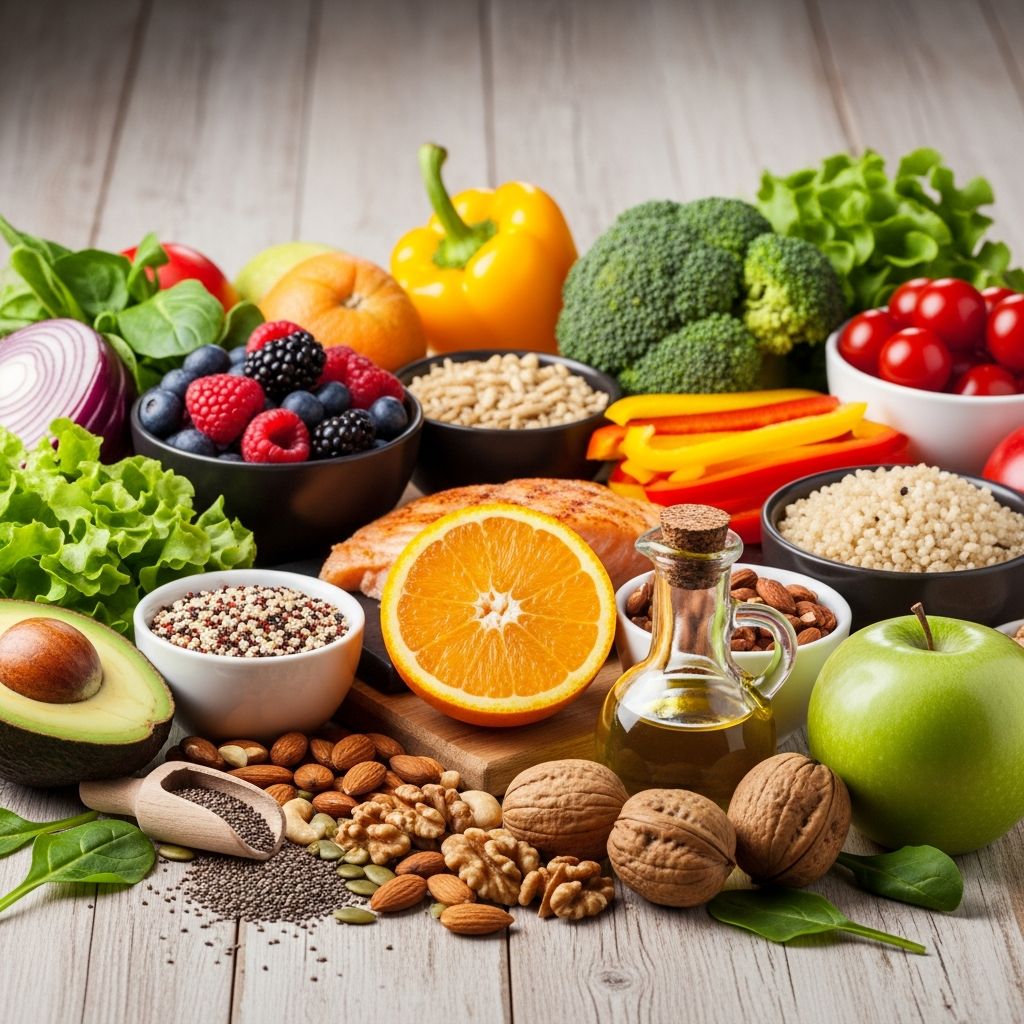
What Is Nutrition?
Nutrition is the process of consuming enough nutrients from food to keep your body working optimally. Nutrients are chemical substances found in food that your body requires to function properly, maintain energy levels, support growth, and prevent disease. Think of nutrition as fuel for your body—just as a car needs quality gasoline to run efficiently, your body needs the right combination of nutrients to operate at its best.
Proper nutrition involves eating a variety of foods from different food groups in appropriate amounts to meet your individual health needs. Whether you’re focusing on weight management, disease prevention, or athletic performance, understanding the fundamentals of nutrition is the first step toward making healthier dietary choices.
The Five Major Food Groups
A balanced diet includes foods from five major food groups, each providing different essential nutrients your body needs:
Fruits
Fruits are rich in vitamins, minerals, fiber, and phytonutrients that support immune function and overall health. They provide natural sugars for energy and contain antioxidants that protect your cells from damage. Eating a variety of colorful fruits ensures you get diverse nutrients.
Vegetables
Vegetables are nutritional powerhouses packed with vitamins, minerals, and fiber while being low in calories. Different colored vegetables offer different benefits—for example, orange vegetables contain beta-carotene, while dark leafy greens provide iron and calcium. Vegetables are fundamental to disease prevention and maintaining a healthy weight.
Proteins
Protein is essential for building and repairing muscles, producing enzymes, and creating hormones. Protein sources include lean meats, fish, poultry, eggs, legumes, nuts, and seeds. Including a variety of protein sources ensures you receive all essential amino acids your body cannot produce on its own.
Starches (Whole Grains)
Whole grains provide carbohydrates for energy, along with fiber, B vitamins, and minerals. Unlike refined grains, whole grains retain their bran and germ, offering superior nutritional value. Common whole grain options include brown rice, whole wheat bread, oats, and quinoa.
Fats and Oils
Healthy fats are crucial for absorbing fat-soluble vitamins, supporting brain function, and maintaining hormone balance. Focus on unsaturated fats from sources like olive oil, avocados, nuts, and fatty fish, while limiting saturated fats and avoiding trans fats entirely.
Essential Nutrients Your Body Needs
Your body requires various nutrients to function properly. These essential nutrients can be categorized into macronutrients and micronutrients, each playing specific roles in maintaining your health.
Macronutrients
Macronutrients are nutrients your body needs in large quantities to provide energy and support body functions.
Carbohydrates
Carbohydrates are your body’s primary energy source. They include sugars, starches, and fiber. Your body converts carbohydrates into glucose, which fuels your brain, muscles, and other organs. Complex carbohydrates from whole grains, vegetables, and legumes provide sustained energy and important nutrients, while simple carbohydrates should be limited as they lack nutritional value.
Related Stories



Proteins
Protein serves multiple functions beyond muscle building. It supports immune function, creates enzymes and hormones, and helps maintain fluid balance. Consuming adequate protein is particularly important for athletes, older adults, and anyone recovering from illness.
Fats
Despite their reputation, fats are essential for health. They provide energy, support vitamin absorption, and maintain cell structure. Unsaturated fats found in fish, nuts, and olive oil support heart health, while saturated fats should be consumed in moderation.
Micronutrients
Micronutrients are vitamins and minerals your body needs in smaller quantities but are vital for health.
Vitamins
Vitamins support immune function, energy production, and bone health. Water-soluble vitamins like B and C are not stored in your body and must be consumed regularly. Fat-soluble vitamins A, D, E, and K are stored in body fat and require adequate fat intake for absorption. The ‘sunshine vitamin,’ vitamin D, is found naturally in some fish and is added to other foods, helping your body absorb calcium for strong bones.
Minerals
Minerals regulate various bodily functions and are essential for bone health, muscle function, and nerve transmission. Great sources of potassium, an essential mineral, include potatoes, squash, lentils, and avocados. Other important minerals include calcium, iron, magnesium, and zinc.
Fiber
Dietary fiber supports digestive health, helps regulate blood sugar levels, and promotes heart health. Soluble fiber from oats and beans helps lower cholesterol, while insoluble fiber from vegetables and whole grains supports digestive regularity.
Water
Often overlooked, water is essential for nearly every bodily function. It transports nutrients, regulates body temperature, and supports digestion. Most adults should aim for adequate water intake daily, adjusting for activity level and climate.
How Your Body Uses Nutrients
Once you consume food, your digestive system breaks down nutrients into forms your body can absorb and use. Different nutrients follow different pathways. Carbohydrates are converted to glucose for immediate energy. Proteins are broken down into amino acids for tissue repair and building. Fats are processed for energy storage and essential functions. Vitamins and minerals are absorbed and distributed throughout your body to support specific functions.
Creating a Nutritious Diet Plan
Building a healthy diet doesn’t require complicated rules. Focus on eating a variety of nutrient-dense foods from all five food groups in appropriate portions. Here are practical strategies for improved nutrition:
Read Nutrition Labels
Understanding nutrition labels helps you make informed choices. Look for serving sizes, calorie content, and the amounts of nutrients like sodium, sugar, and fiber. Learning to read ingredient lists helps you identify processed foods and avoid added sugars and unhealthy fats.
Plan Your Meals
Meal planning ensures you include all necessary nutrients throughout the day. Aim to include protein, whole grains, and vegetables at each meal. Planning ahead reduces reliance on convenient but less nutritious options.
Cook at Home
Preparing meals in your own kitchen gives you control over ingredients and cooking methods. Home-cooked meals typically contain less sodium, added sugar, and unhealthy fats than restaurant or processed foods.
Practice Portion Control
Even nutritious foods can contribute to weight gain if portions are too large. Using smaller plates, eating slowly, and listening to hunger and fullness cues helps maintain healthy portions.
Nutrition for Different Life Stages
Nutritional needs vary across different life stages. Children need adequate nutrition for growth and development. Pregnant women require additional nutrients like folate and iron to support fetal development. Older adults may need adjusted protein and calcium intake to maintain bone health and muscle mass. Athletes require increased calories and protein to support training and recovery.
Managing Nutrition for Chronic Conditions
Nutrition plays a crucial role in managing chronic diseases. For diabetes, focusing on complex carbohydrates and portion control helps regulate blood sugar levels. For heart disease, limiting saturated fats and sodium while increasing omega-3 fatty acids supports cardiovascular health. For hypertension, reducing sodium intake and increasing potassium from foods like potatoes, squash, lentils, and avocados helps manage blood pressure. Working with a registered dietitian can help you develop a personalized nutrition plan for your specific health conditions.
The Mediterranean Diet Approach
One evidence-based eating pattern that aligns with nutrition principles is the Mediterranean Diet, a way of eating that emphasizes plant-based foods and healthy fats. This approach includes abundant vegetables, fruits, whole grains, legumes, and olive oil, with moderate amounts of fish and poultry. This dietary pattern has been associated with improved cardiovascular health and reduced chronic disease risk.
Frequently Asked Questions
Q: How many servings from each food group should I eat daily?
A: Daily recommendations vary based on age, sex, and activity level. Generally, adults should aim for 2.5 cups of vegetables, 2 cups of fruit, 6 ounces of grains (preferably whole grains), 5.5 ounces of protein, and 5-6 teaspoons of oils daily. Consult a registered dietitian for personalized recommendations.
Q: Is it possible to get all nutrients from food without supplements?
A: Most people can obtain adequate nutrients from a well-balanced diet including foods from all five food groups. However, certain individuals may benefit from supplements, such as those with dietary restrictions, specific health conditions, or increased needs. Discuss supplement use with your healthcare provider.
Q: What’s the difference between organic and conventional foods nutritionally?
A: From a nutritional standpoint, organic and conventional foods provide similar nutrients. The main differences relate to pesticide residues and farming practices. Both organic and conventional produce are excellent nutritional choices. Focus on eating a variety of fruits and vegetables regardless of how they’re grown.
Q: How can I improve my nutrition on a budget?
A: Buy seasonal produce, purchase frozen fruits and vegetables (equally nutritious to fresh), buy whole grains and proteins in bulk, and plan meals around sales. Cooking at home rather than eating out is significantly more economical while providing better nutritional control.
Q: Should I follow specific elimination diets for better health?
A: Most elimination diets, such as meat-based elimination diets, restrict important food groups—like fruits and vegetables—that keep you healthy. Rather than eliminating entire food groups, focus on eating a balanced variety of nutritious foods unless directed by a healthcare provider for specific medical reasons.
Working with a Registered Dietitian
A registered dietitian is a healthcare professional with specialized training in nutrition science. They use their knowledge to help people improve their health with food. Dietitians can create meal plans customized to your individual needs, lifestyle, and health goals. Whether you’re managing a chronic condition, pursuing weight loss, or optimizing athletic performance, a registered dietitian provides evidence-based guidance tailored to your situation.
Conclusion
Nutrition is fundamental to your health and wellbeing. By understanding what nutrition is, recognizing the essential nutrients your body needs, and incorporating foods from all five food groups into your diet, you can make informed choices that support your long-term health. Remember that good nutrition doesn’t require perfection—it’s about making consistent, balanced choices that work for your individual needs and lifestyle. Start today by adding more nutrient-dense foods to your meals and notice how you feel with improved nutrition.
References
- Progress report of the Cleveland Clinic’s Lifestyle 180 program — National Center for Biotechnology Information, National Institutes of Health. 2012. https://pmc.ncbi.nlm.nih.gov/articles/PMC3264524/
- How Cleveland Clinic Is Nourishing Community Health — American Heart Association. 2025-11-05. https://www.aha.org/news/blog/2025-11-05-food-medicine-how-cleveland-clinic-nourishing-community-health
- How To Eat Healthy Food Every Day — Cleveland Clinic. https://health.clevelandclinic.org/healthy-foods-to-eat-every-day
- Carbohydrates: What They Are, Function & Types — Cleveland Clinic. https://my.clevelandclinic.org/health/articles/15416-carbohydrates
- Mediterranean Diet: Food List & Meal Plan — Cleveland Clinic. https://my.clevelandclinic.org/health/articles/16037-mediterranean-diet
- Dietitian: What They Do & When To See One — Cleveland Clinic. https://my.clevelandclinic.org/health/articles/dietitian
Similar Articles








Read full bio of Sneha Tete