What Is an Ophthalmologist: Roles, Expertise & When to See One
Complete guide to ophthalmologists: their training, services, and how they differ from optometrists.
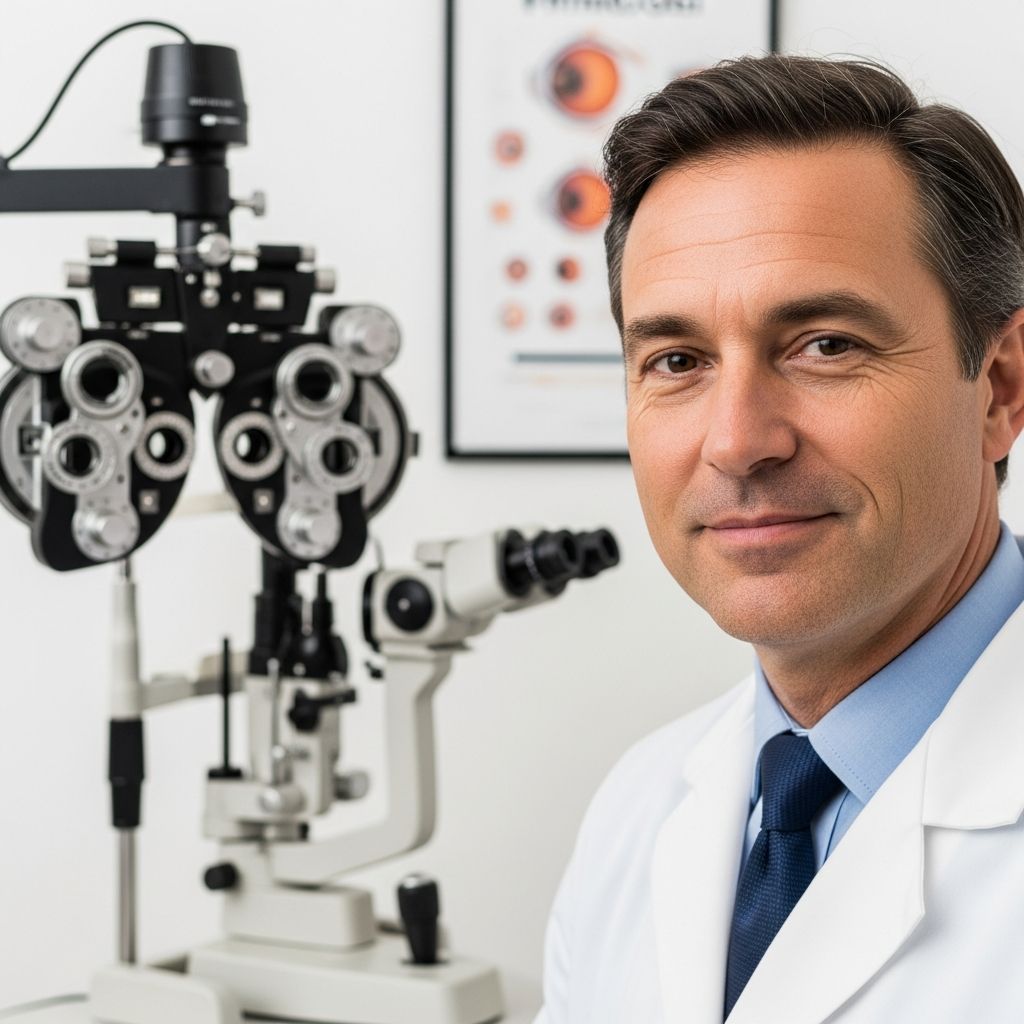
An ophthalmologist is a highly trained eye care specialist who plays a crucial role in maintaining and improving your vision and eye health. Unlike other eye care professionals, ophthalmologists are fully licensed medical doctors with extensive training in diagnosing and treating comprehensive eye and vision conditions. Whether you’re experiencing vision problems, seeking preventive care, or need surgical intervention, understanding what an ophthalmologist does and when to see one can help you make informed decisions about your eye health.
Who Is an Ophthalmologist?
An ophthalmologist is an eye care specialist who holds either a Medical Doctor (MD) or Doctor of Osteopathy (DO) degree. This professional credential distinguishes ophthalmologists from other eye care providers, as they have completed medical school and specialized training in eye and vision care. After obtaining their medical degree, ophthalmologists undergo extensive residency training lasting several years, during which they develop expertise in diagnosing and treating all types of eye and vision disorders.
The term “ophthalmologist” comes from the Greek words “ophthalmo” (eye) and “logy” (study of), reflecting their specialized knowledge in studying and treating eye-related conditions. These professionals represent the highest level of eye care expertise available in the healthcare system.
Ophthalmologist vs. Optometrist vs. Optician: Key Differences
Understanding the differences between ophthalmologists, optometrists, and opticians is essential for determining which eye care professional can best address your specific needs.
| Professional Type | Education & Credentials | Services Provided | Surgical Capabilities |
|---|---|---|---|
| Ophthalmologist | Medical degree (MD/DO) plus 4+ years of specialized training | Comprehensive eye exams, diagnosis and treatment of all eye conditions, prescription of medications and corrective devices | Yes – performs eye surgery |
| Optometrist | Doctor of Optometry (OD) degree plus specialized training | Eye exams, vision testing, prescription of glasses and contacts, diagnosis of common eye conditions | Limited – cannot perform surgery in most states |
| Optician | High school diploma plus on-the-job training or certification | Fitting and dispensing of glasses and contact lenses | No |
While optometrists are highly trained professionals capable of performing comprehensive eye exams and managing many common eye conditions, they have not attended medical school and therefore cannot perform surgery. Opticians are trained professionals who focus primarily on fitting and dispensing corrective eyewear but do not diagnose or treat eye conditions. Ophthalmologists, with their medical degree and extensive surgical training, can handle the full spectrum of eye care needs.
Education and Training of Ophthalmologists
Becoming an ophthalmologist requires one of the longest educational pathways in healthcare. The journey typically begins with four years of undergraduate education, followed by four years of medical school. After earning an MD or DO degree, aspiring ophthalmologists must complete a four-year residency program in ophthalmology, where they receive hands-on training in diagnosing and treating eye conditions and performing eye surgeries.
Many ophthalmologists pursue additional fellowship training in subspecialties, which can add one to three years of study. These subspecialties include retinal diseases, corneal surgery, glaucoma management, pediatric ophthalmology, neuro-ophthalmology, and oculoplastic surgery. This comprehensive educational background ensures that ophthalmologists possess deep scientific expertise and broad clinical knowledge necessary to address complex eye conditions.
What Ophthalmologists Do: Services and Procedures
Comprehensive Eye Examinations
Ophthalmologists perform thorough eye examinations that go far beyond simple vision testing. During a comprehensive eye exam, they assess visual acuity, eye pressure, peripheral vision, color vision, and eye movement. They also examine the structures of the eye, including the cornea, lens, retina, and optic nerve. Advanced imaging technology allows them to detect subtle changes that might indicate developing eye disease.
Related Stories



Diagnosis and Treatment of Eye Conditions
Ophthalmologists can diagnose and treat virtually any condition affecting the eyes or vision, including:
- Refractive errors (myopia, hyperopia, astigmatism)
- Cataracts
- Glaucoma
- Age-related macular degeneration
- Diabetic retinopathy
- Dry eye syndrome
- Retinal detachment
- Corneal diseases
- Eye infections and inflammation
- Inherited retinal degenerations
Medication Prescription
As licensed physicians, ophthalmologists can prescribe topical and systemic medications to treat eye conditions. This includes antibiotic eye drops for infections, anti-inflammatory medications for uveitis, and pressure-lowering medications for glaucoma. They can also prescribe oral medications when eye conditions are part of broader systemic diseases.
Vision Correction
Ophthalmologists can prescribe and fit corrective lenses, including eyeglasses and contact lenses. They determine the precise prescription needed to correct refractive errors and optimize visual function.
Surgical Intervention
One of the most significant capabilities that distinguishes ophthalmologists is their ability to perform eye surgery. Ophthalmologists perform numerous surgical procedures, including:
- Cataract surgery
- LASIK and refractive surgery
- Glaucoma surgery
- Retinal surgery
- Corneal transplantation
- Eyelid surgery
- Vitrectomy
- Laser procedures
Disease Management and Specialized Care
Ophthalmologists provide ongoing management for chronic eye conditions. They monitor disease progression, adjust treatment plans as needed, and coordinate care with other healthcare providers when eye conditions are related to systemic diseases like diabetes or hypertension.
When Should You See an Ophthalmologist?
While regular eye exams are important for everyone, certain situations warrant a visit to an ophthalmologist specifically:
Routine Eye Care
Many experts recommend annual eye exams at an ophthalmology clinic to catch vision problems early and maintain long-term eye health. Even if you don’t experience symptoms, regular exams can detect early signs of serious conditions like glaucoma or age-related macular degeneration.
Vision Changes
If you experience sudden changes in vision, blurred vision, floaters, flashes of light, or difficulty seeing at night, you should schedule an appointment with an ophthalmologist promptly. These symptoms may indicate serious conditions requiring immediate attention.
Eye Pain or Discomfort
Persistent eye pain, redness, or discomfort should be evaluated by an ophthalmologist. These symptoms can indicate infection, inflammation, or other conditions requiring professional assessment.
Age-Related Conditions
As you age, you become more susceptible to certain eye conditions. Ophthalmologists are experts in managing age-related issues such as cataracts, age-related macular degeneration, presbyopia, and glaucoma.
Diabetes Management
People with diabetes should see an ophthalmologist regularly to screen for diabetic retinopathy, a potentially sight-threatening complication. Annual or more frequent eye exams are recommended depending on diabetes control and prior retinopathy status.
Family History of Eye Disease
If you have a family history of glaucoma, retinal diseases, or other inheritable eye conditions, regular ophthalmologic evaluation is essential for early detection and treatment.
Preparation for Surgery
Before undergoing surgery or starting medications that might affect your vision, an ophthalmologist can provide baseline eye evaluations and identify any pre-existing conditions.
Pre- and Post-operative Care
If you require eye surgery, ophthalmologists manage your care from initial diagnosis through surgical planning, the procedure itself, and post-operative recovery and follow-up.
Specialized Ophthalmology Subspecialties
Ophthalmologists may specialize in specific areas of eye care, allowing them to develop deeper expertise in particular conditions and procedures:
- Retinal Specialists: Focus on diseases of the retina, including diabetic retinopathy, age-related macular degeneration, and retinal detachment
- Glaucoma Specialists: Specialize in diagnosing and treating glaucoma and managing elevated intraocular pressure
- Corneal Specialists: Focus on corneal diseases, refractive surgery, and corneal transplantation
- Pediatric Ophthalmologists: Specialize in eye care for infants and children, including amblyopia and strabismus
- Neuro-ophthalmologists: Address vision problems related to neurological conditions and the nervous system
- Oculoplastic Surgeons: Focus on cosmetic and reconstructive surgery around the eyes
Advanced Technology and Innovation
Modern ophthalmologists utilize advanced diagnostic and therapeutic technologies to provide superior patient care. These include optical coherence tomography (OCT) imaging for detailed retinal visualization, laser systems for various treatments, digital imaging for documentation and monitoring, and sophisticated surgical equipment for precise interventions. Institutions like Cleveland Clinic’s Cole Eye Institute have invested in cutting-edge imaging technology and expanded facilities to provide patients with the most current treatment options and research opportunities.
Frequently Asked Questions
Q: How often should I see an ophthalmologist?
A: The frequency depends on your age, overall health, and eye health history. Most adults should have comprehensive eye exams at least annually, while those with existing eye conditions or risk factors may need more frequent visits.
Q: Can an ophthalmologist treat presbyopia?
A: Yes, ophthalmologists can address presbyopia (age-related difficulty focusing on near objects) through various options including progressive eyeglasses, bifocals, contact lenses, and in some cases, surgical procedures.
Q: What should I expect during my first visit with an ophthalmologist?
A: Your first visit will typically include a comprehensive eye health history, visual acuity testing, dilated eye examination, measurement of intraocular pressure, and possibly advanced imaging. The ophthalmologist will discuss findings and recommend a treatment plan if needed.
Q: Can ophthalmologists treat floaters and flashes?
A: While most floaters are benign, sudden onset of new floaters or flashes can indicate serious conditions like retinal detachment. An ophthalmologist can examine you to determine the cause and recommend appropriate treatment if necessary.
Q: Is vision correction surgery safe?
A: Vision correction surgeries like LASIK have high safety and success rates when performed by experienced ophthalmologists on appropriate candidates. Your ophthalmologist can determine if you’re a suitable candidate and discuss risks and benefits.
Q: Can an ophthalmologist help with dry eye syndrome?
A: Yes, ophthalmologists can diagnose and treat dry eye syndrome through artificial tears, prescription medications, punctal plugs, or other therapeutic options tailored to your specific condition.
References
- What Is an Ophthalmologist? What They Do & When To See One — Cleveland Clinic. 2024-08-11. https://my.clevelandclinic.org/health/articles/22159-ophthalmologist
- Eyes: How They Work, Anatomy & Common Conditions — Cleveland Clinic. 2023-11-15. https://my.clevelandclinic.org/health/body/21823-eyes
- Cole Eye Institute: Eye Care Center — Cleveland Clinic. https://my.clevelandclinic.org/departments/eye
- Diabetic retinopathy: Screening, prevention, and treatment — Cleveland Clinic Journal of Medicine. 2024. https://www.ccjm.org/content/91/8/503
- Department of Ophthalmic Research — Cleveland Clinic Lerner Research Institute. https://www.lerner.ccf.org/ophthalmic-research/
Similar Articles








Read full bio of medha deb