What Is a Pathologist? Roles, Training & Types
Understanding pathologists: Their essential role in disease diagnosis, specialized training, and medical expertise.
What Is a Pathologist?
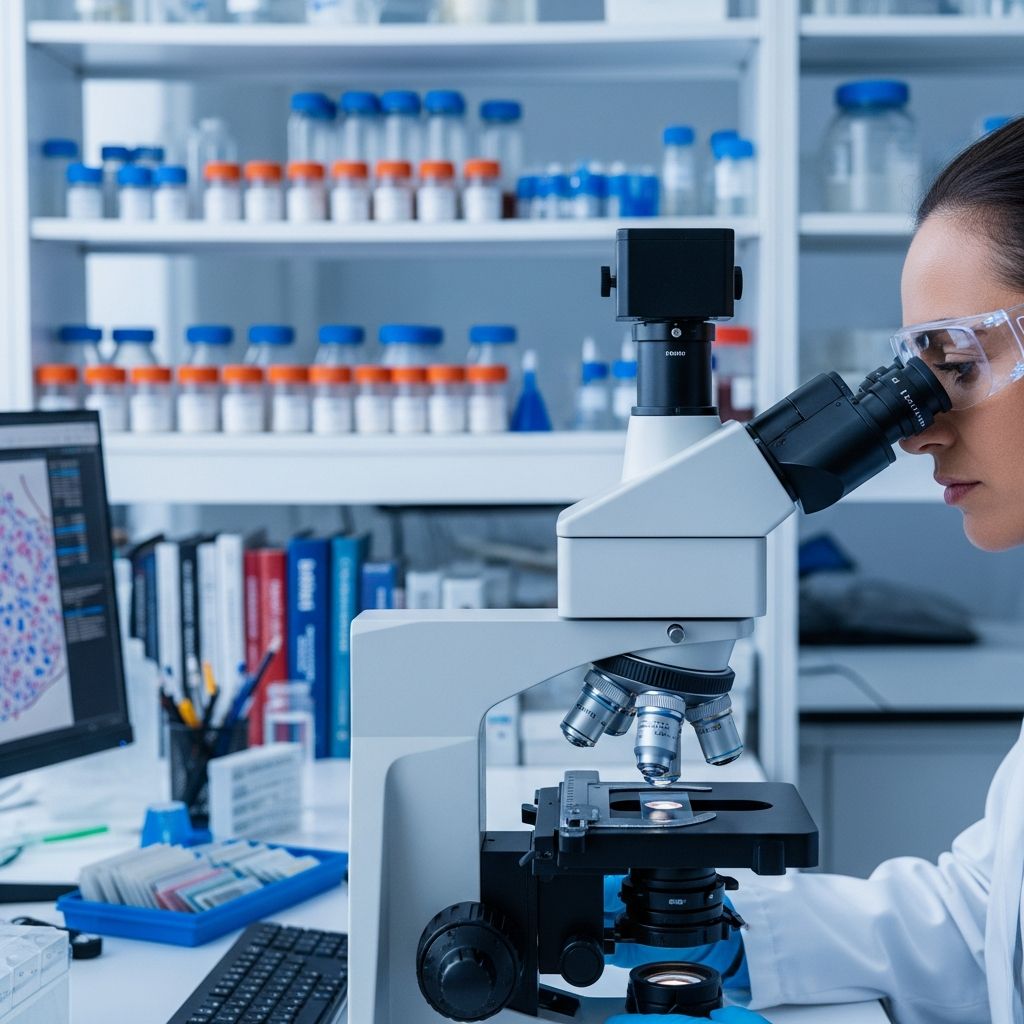
A pathologist is a medical doctor with specialized training to study medical conditions using human tissue, blood, urine, and other body fluids. These highly trained specialists provide essential insight and information to help diagnose and treat conditions, monitor disease progression, and provide accurate prognoses. Through rigorous research and analysis, pathologists continuously work to improve disease diagnosis across all medical specialties and improve patient outcomes through advanced diagnostic techniques and methodologies.
The Main Role of a Pathologist
The primary responsibility of a pathologist is to use laboratory tests and specialized techniques to determine the presence and type of disease in tissue and fluid samples from patients’ bodies. Pathologists work in virtually all areas of medicine, including oncology, immunology, genetics, and many other specialized fields. Their diagnostic expertise spans the entire spectrum of human disease, from common conditions to rare and complex disorders that require expert interpretation.
Pathologists are integral members of healthcare teams and work closely with other healthcare providers such as radiologists, oncologists, hematologists, surgeons, and numerous other specialists. This collaborative approach ensures that patients receive comprehensive and coordinated care based on accurate pathological findings. By examining samples under microscopes and utilizing advanced laboratory technologies, pathologists provide the critical diagnostic information that guides clinical decision-making and treatment planning.
Key Responsibilities and Functions
Pathologists perform several essential functions within the healthcare system:
Tissue and Fluid Analysis
Pathologists examine tissue samples obtained through biopsies, surgical procedures, and other collection methods. They analyze the microscopic characteristics of these samples to identify abnormalities, malignancies, infections, inflammatory conditions, and other pathological processes. This detailed analysis provides the foundation for accurate disease diagnosis and treatment planning.
Disease Diagnosis and Classification
Using their expertise in recognizing normal versus abnormal cellular and tissue structures, pathologists make definitive diagnoses of disease. They classify diseases based on their pathological characteristics, which helps guide appropriate treatment strategies. Their diagnostic expertise is essential for conditions ranging from infectious diseases to cancer classification.
Prognostic Assessment
Beyond diagnosis, pathologists provide prognostic information—predicting the likely course and outcome of disease based on pathological findings. This information helps clinicians and patients understand what to expect and make informed decisions about treatment options.
Research and Innovation
Pathologists engage in research to identify new disease markers, develop improved diagnostic methods, and discover therapeutic targets. These research efforts directly translate into better diagnostic capabilities and treatment options for patients. Research findings extend quickly into everyday clinical practice, improving patient care outcomes.
Types of Pathologists and Specializations
Pathology is a broad medical field with multiple subspecialties, each requiring specialized expertise and training. Major pathology specializations include:
Related Stories



Anatomic Pathology
Anatomic pathologists examine tissues and organs to diagnose disease. This includes surgical pathology, where samples from surgical procedures are analyzed, and cytopathology, which focuses on the study of individual cells. Anatomic pathologists use microscopy and advanced imaging techniques to identify disease processes at the cellular and tissue level.
Clinical Pathology
Clinical pathologists oversee laboratory testing of blood, body fluids, and other specimens. They manage laboratory operations, ensure quality control, and interpret results of various laboratory tests. This specialty bridges clinical medicine and laboratory science, ensuring accurate and reliable test results.
Molecular Pathology
Molecular pathologists analyze genetic material and molecular markers to diagnose diseases, predict treatment responses, and identify disease susceptibilities. This rapidly growing field utilizes DNA sequencing, gene expression analysis, and other advanced molecular techniques to provide personalized diagnostic and prognostic information.
Surgical Pathology
Surgical pathologists examine tissue samples removed during surgical procedures. They provide rapid intraoperative consultations to guide surgical decision-making and comprehensive pathology reports for final diagnosis. Surgical pathology is essential in cancer diagnosis and staging.
Hematopathology
Hematopathologists specialize in diagnosing diseases of blood and bone marrow, including leukemias, lymphomas, and other blood disorders. They examine blood smears, bone marrow biopsies, and lymph node samples to identify hematologic malignancies and blood-related diseases.
Dermatopathology
Dermatopathologists diagnose skin diseases by examining skin biopsies. They identify inflammatory conditions, infections, and malignancies affecting the skin, providing essential diagnostic information for dermatologists and other clinicians treating skin conditions.
Cardiovascular Pathology
Cardiovascular pathologists diagnose heart and blood vessel diseases through examination of cardiac tissue, including samples from biopsies and autopsies. They provide expertise in identifying myocardial infarction, cardiomyopathies, and other cardiac pathology.
Gastrointestinal Pathology
These pathologists specialize in diagnosing diseases of the digestive system, liver, and pancreas. They examine biopsies from endoscopic procedures and surgical specimens to identify cancers, inflammatory bowel diseases, infections, and other gastrointestinal disorders.
Bone and Orthopedic Pathology
Bone pathologists diagnose diseases affecting bone and soft tissues, including skeletal tumors, metabolic bone diseases, and soft tissue neoplasms. They provide essential diagnostic expertise for orthopedic surgeons and oncologists treating musculoskeletal conditions.
Cytopathology
Cytopathologists examine individual cells obtained through fine needle aspirations, body cavity fluids, and other minimally invasive sampling techniques. This specialty allows for rapid diagnosis with minimal patient discomfort and is particularly valuable for evaluating thyroid nodules, lymph nodes, and other accessible lesions.
Training and Education Requirements
Becoming a pathologist requires extensive education and specialized training. The path includes:
Undergraduate Education
Prospective pathologists must complete a bachelor’s degree with prerequisites in biology, chemistry, biochemistry, and other sciences that provide foundational knowledge for medical study.
Medical School
After completing undergraduate education, individuals must attend and graduate from an accredited medical school, earning either an MD or DO degree. Medical school provides comprehensive training in human anatomy, physiology, pathology, pharmacology, and clinical medicine.
Residency Training
Following medical school, pathologists complete a residency in anatomic and clinical pathology, typically lasting four to five years. This intensive training provides hands-on experience in laboratory analysis, tissue examination, and diagnostic interpretation under the supervision of experienced pathologists. Residents rotate through various subspecialties to develop broad expertise.
Fellowship Training (Optional)
Many pathologists pursue additional fellowship training in specific subspecialties such as surgical pathology, hematopathology, molecular pathology, or other specialized areas. Fellowships typically last one to three years and provide advanced expertise in particular diagnostic areas.
The Importance of Pathology in Patient Care
Pathology plays a vital role in virtually every aspect of patient care. Pathologists provide the diagnostic foundation for treatment decisions, helping ensure patients receive appropriate and timely care. From simple blood tests to sophisticated DNA analysis and expert tissue interpretation, pathology services are essential for diagnosing, treating, and monitoring disease.
Major medical centers like Cleveland Clinic maintain extensive pathology services with dedicated teams of subspecialty experts. The Robert J. Tomsich Pathology & Laboratory Medicine Institute processes more than 20 million tests annually, serving both internal patients and external clients through reference laboratory services. This large volume of testing demonstrates the critical importance of pathology in modern healthcare delivery.
Advanced Technologies in Modern Pathology
Contemporary pathology increasingly incorporates advanced technologies that enhance diagnostic accuracy and efficiency. Digital pathology and telepathology systems allow pathologists to view high-resolution digital images of tissue samples, enabling remote consultations, second opinions, and collaborative diagnosis. Molecular techniques provide genetic and genomic information that guides personalized medicine approaches. High-throughput technologies enable simultaneous analysis of multiple biomarkers, providing comprehensive diagnostic profiles.
Frequently Asked Questions (FAQs)
Q: What is the difference between a pathologist and a forensic pathologist?
A: While both are pathologists, they serve different roles. Clinical pathologists diagnose disease in living patients through tissue and fluid analysis. Forensic pathologists investigate unexpected, suspicious, unnatural, and violent deaths by performing autopsies and analyzing findings to determine cause of death.
Q: How long does it take to become a pathologist?
A: The minimum training typically requires four years of medical school plus four to five years of pathology residency, totaling 8-9 years. Additional fellowship training in subspecialties can add 1-3 more years. Undergraduate education adds another 4 years, making the complete training span approximately 12-17 years.
Q: What does a pathology report contain?
A: A pathology report is a pathologist’s description of what they found in a tissue or body fluid sample examined under a microscope. It includes findings, diagnosis or recommendations based on comparing cellular and tissue appearance to normal expectations, and helps guide clinical treatment decisions.
Q: How do pathologists work with other doctors?
A: Pathologists collaborate closely with various specialists including radiologists, oncologists, hematologists, surgeons, and other healthcare providers. They share diagnostic findings that inform treatment planning and discuss cases to ensure comprehensive patient care.
Q: What is molecular pathology?
A: Molecular pathology is a specialty that analyzes genetic material and molecular markers in tissue and fluid samples to diagnose diseases, predict treatment responses, and identify disease susceptibilities using advanced DNA sequencing and genetic analysis techniques.
Q: Can pathologists provide rapid diagnoses during surgery?
A: Yes, surgical pathologists can provide intraoperative consultations, examining tissue samples during surgery to provide rapid diagnoses that help guide surgical decision-making in real-time.
References
- Pathology Labs: Departments — Cleveland Clinic. Accessed December 1, 2025. https://my.clevelandclinic.org/departments/pathology/depts/pathology
- Pathology & Laboratory Medicine Institute — Cleveland Clinic. Accessed December 1, 2025. https://my.clevelandclinic.org/departments/pathology
- Pathology and Laboratory Medicine Institute – Cleveland Clinic, Ohio — USCAP-TV. March 15, 2012. https://www.youtube.com/watch?v=Mfo6EVUrEsE
- The Benefits and Challenges of Telepathology at the Cleveland Clinic — USCAP-TV. Accessed December 1, 2025. https://www.youtube.com/watch?v=yWIslSYhlQo
- Pathology Report — Cleveland Clinic. Accessed December 1, 2025. https://my.clevelandclinic.org/health/diagnostics/pathology-report
- What Is a Pathologist? What They Do, Training & Types — Cleveland Clinic. Accessed December 1, 2025. https://my.clevelandclinic.org/health/articles/24616-pathologist
Similar Articles








Read full bio of Sneha Tete