What Is a Phlebotomist? What They Do & Training
Essential guide to phlebotomy careers: roles, responsibilities, training requirements, and certification pathways.
What Is a Phlebotomist? Understanding the Role
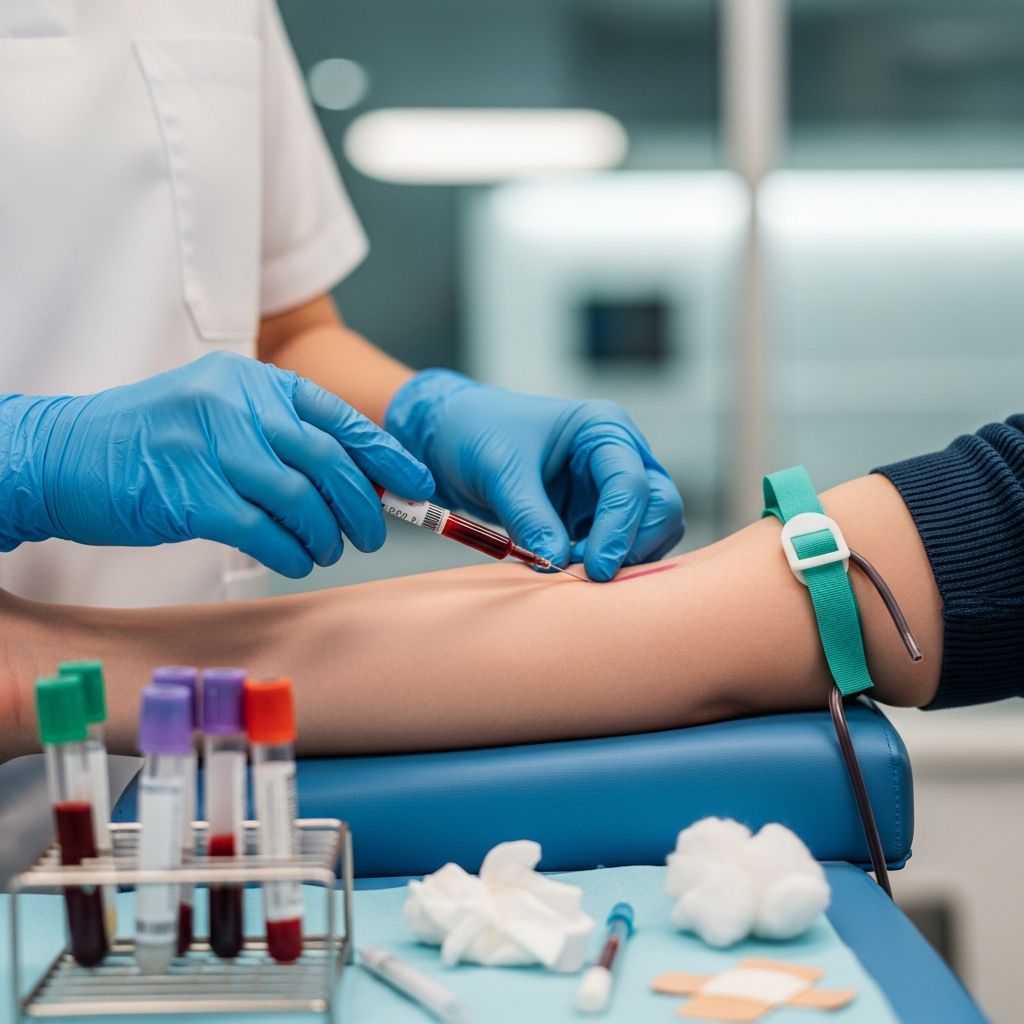
A phlebotomist is a medical professional trained to perform blood draws on both children and adults. These skilled healthcare workers are responsible for collecting and preparing blood samples for testing, which can then be analyzed in a medical laboratory. Beyond standard blood collection, phlebotomists also play a crucial role in collecting blood for donation purposes and can perform blood transfusions when needed. As an integral member of the medical laboratory team, phlebotomists ensure that high-quality specimens are obtained safely and efficiently.
The primary function of a phlebotomist centers on the collection of blood samples from patients. They work with precision and care to make the blood-drawing process as comfortable and safe as possible for patients. Their work is essential to modern healthcare, as accurate blood samples are fundamental to diagnosing diseases, monitoring patient progress, and guiding treatment decisions. Phlebotomists are typically supervised by clinical laboratory technologists or other qualified medical professionals, ensuring that all procedures meet established safety and quality standards.
Key Responsibilities of Phlebotomists
Phlebotomists perform a variety of important tasks throughout their workday. Understanding their core responsibilities provides insight into why this role is so vital to healthcare facilities.
Blood Collection and Sample Preparation
The primary responsibility of a phlebotomist is to collect blood samples using proper venipuncture techniques. This involves selecting appropriate collection sites, preparing the patient, and using sterile needles and collection containers to obtain blood samples. After collection, phlebotomists must properly label, process, and prepare specimens to maintain their integrity for laboratory testing. They demonstrate proper techniques using appropriate equipment to perform both venipuncture and capillary puncture while maintaining quality assurance during and after specimen collection.
Infection Control and Safety Protocols
Phlebotomists are responsible for performing proper infection control techniques and safety measures to protect patients, coworkers, and the community. This includes proper use of personal protective equipment, adherence to bloodborne pathogen protocols, and maintaining clean and organized workspaces. Their commitment to safety standards is essential in preventing the transmission of infectious diseases and ensuring a secure healthcare environment.
Patient Communication and Comfort
Effective communication is a vital component of a phlebotomist’s role. They must communicate ideas effectively in both oral and written form, demonstrating professional interpersonal skills during patient interactions. By using strong communication skills and empathy, phlebotomists help put patients at ease while obtaining high-quality specimens. This is particularly important for patients who experience anxiety about blood draws or medical procedures.
Technical Skills and Quality Assurance
Phlebotomists must demonstrate competency in using various laboratory equipment and understand proper specimen processing techniques. They apply knowledge of anatomy and physiology related to blood collection, recognize different body systems, and understand how medical conditions affect specimen collection for clinical laboratory testing. Additionally, they explain and apply appropriate functions of point-of-care testing and maintain quality assurance throughout the specimen collection and processing workflow.
Where Phlebotomists Work
Phlebotomists work in diverse healthcare settings across the country. Common workplace environments include:
- Hospitals and medical centers
- Clinical laboratories and diagnostic testing facilities
- Blood banks and donor collection centers
- Physician offices and medical clinics
- Community health centers and family health centers
- Healthcare systems with multiple locations
- Urgent care facilities and emergency departments
Related Stories



The variety of work environments means that phlebotomists can pursue careers in different healthcare settings based on their preferences and interests. Some may prefer the fast-paced environment of a hospital emergency department, while others might enjoy the routine of a dedicated clinical laboratory or blood donation center.
Training and Education Requirements
The path to becoming a phlebotomist requires completing formal training and meeting certification requirements. The specific requirements vary from state to state in the United States, but most jurisdictions require certification from a completed phlebotomy program to practice professionally.
Educational Programs
Phlebotomy programs are commonly offered at technical and vocational schools, community colleges, and specialized medical training institutions. These programs typically take less than a year to complete, making phlebotomy an accessible career option for individuals seeking relatively quick entry into the healthcare field. Accredited phlebotomy programs usually take a year or less to complete, providing comprehensive training in both theoretical knowledge and practical skills.
For example, the Cleveland Clinic Phlebotomy Program lasts approximately 14 weeks and includes scheduled days off for all major holidays. This intensive program ensures students develop proficiency in all aspects of phlebotomy practice. Students are expected to attend classes on the required days and times unless otherwise notified, maintaining consistent engagement with their training.
Program Curriculum and Learning Objectives
Comprehensive phlebotomy programs cover multiple essential areas to prepare graduates for professional practice. Upon successful completion of a phlebotomy program, graduates typically demonstrate competency in the following areas:
- Demonstrating concepts of communication involving both personal and patient interaction
- Performing proper infection control techniques and safety measures
- Applying knowledge of anatomy, physiology, and medical terminology relevant to blood collection
- Performing venipuncture and capillary puncture with appropriate equipment and technique
- Demonstrating proper specimen processing while maintaining specimen integrity
- Explaining and applying point-of-care testing functions
- Demonstrating professional attitude and willingness to continue professional development
- Practicing medical and professional ethics and understanding legal implications
Certification Levels and Options
There are three primary levels of certification that phlebotomy programs can offer, each representing different levels of expertise and specialization:
| Certification Level | Description | Scope of Practice |
|---|---|---|
| Entry-Level Certification | Basic phlebotomy certification upon program completion | Standard venipuncture and capillary puncture procedures |
| Advanced Certification | Enhanced certification with additional specialized training | Complex collection procedures and point-of-care testing |
| Specialized Certification | Advanced certification in specific areas of phlebotomy practice | Specialized collections, donor care, and technical procedures |
Many phlebotomists pursue certification through the American Society for Clinical Pathology (ASCP) Board of Registry Examination or equivalent certification bodies. Meeting eligibility requirements to sit for these examinations is a key objective of accredited phlebotomy training programs. Accreditation by recognized bodies such as the National Accrediting Agency for Clinical Laboratory Sciences (NAACLS) ensures that programs meet established standards for quality education and preparation for certification.
Steps to Becoming a Phlebotomist
The specific steps to becoming a phlebotomist typically follow a structured pathway:
- Complete High School Education: A high school diploma or GED is the foundational requirement for admission to phlebotomy programs.
- Enroll in a Phlebotomy Program: Select and complete an accredited phlebotomy training program at a technical school, community college, or medical training institution.
- Complete Classroom and Laboratory Training: Engage fully in both theoretical instruction and hands-on laboratory practice to develop essential skills.
- Participate in Clinical Experience: Complete required clinical rotations in healthcare settings to apply skills in real-world environments and gain practical experience.
- Obtain Certification: Pass the appropriate certification examination, such as the ASCP Board of Registry Examination or equivalent credential.
- Meet State Requirements: Ensure compliance with any additional state-specific licensing or registration requirements.
- Seek Employment: Apply for phlebotomist positions in your preferred healthcare setting.
Physical and Technical Standards
Phlebotomy requires individuals who possess specific physical and motor capabilities. Prospective students must be able to collect patient samples, use a microscope, and operate and repair laboratory equipment. Additional physical requirements include the ability to process samples, maintain physical mobility to collect blood specimens from patients, and demonstrate stamina to tolerate a physically demanding workload. Phlebotomists must be able to stand for long periods of time and maneuver through crowded spaces to collect specimens from various patient locations throughout healthcare facilities.
Professional Qualities and Competencies
Beyond technical skills, successful phlebotomists demonstrate essential professional qualities. These include knowledge assimilation to achieve competency in all aspects of phlebotomy practice, integrity in following required laboratory practices and maintaining organized workspaces, good judgment in analysis and problem-solving, and sustained competency through maintaining appropriate grades and standards. Phlebotomists demonstrate a professional attitude in all interactions, maintain willingness and enthusiasm to learn, accept instruction and suggestions in a positive and constructive manner, and continue to develop themselves professionally throughout their careers.
Patient Experience During Blood Draws
When patients need blood drawn for medical tests or are donating blood, they can expect a professional and caring experience from trained phlebotomists. These medical professionals understand that needing bloodwork done can be scary or stressful for some patients. Knowing that the phlebotomist drawing their blood has specialized training and skills helps ensure that the process is as safe and comfortable as possible. Patients should never hesitate to ask their phlebotomist questions, as these professionals are available to help patients feel more comfortable and confident about their blood draw.
Career Advancement Opportunities
Becoming a phlebotomist can serve as an entry point into a broader healthcare career. Many phlebotomists use their experience and credentials as a foundation for advancing into other clinical laboratory roles or healthcare positions. The skills developed during phlebotomy training, including attention to detail, patient care abilities, and understanding of laboratory processes, transfer well to other healthcare professions. Some phlebotomists pursue additional education to become clinical laboratory technicians or technologists, while others explore different areas within healthcare.
Accreditation and Quality Standards
Quality phlebotomy programs maintain accreditation through recognized bodies such as the National Accrediting Agency for Clinical Laboratory Sciences (NAACLS). This accreditation ensures that programs meet rigorous standards for curriculum, faculty qualifications, facilities, and student outcomes. Accredited programs commit to providing the highest quality classroom and laboratory education, preparing students to be proficient stewards in the field of phlebotomy. The vision of quality programs is to sustain excellence in the practice of phlebotomy through the study of current theory and practice that supports world-class care.
Frequently Asked Questions
Q: How long does it take to become a phlebotomist?
A: Most phlebotomy programs take less than a year to complete, with many accredited programs lasting approximately 14 weeks. The exact duration varies depending on the specific program and whether it is offered full-time or part-time.
Q: What are the educational requirements to become a phlebotomist?
A: At minimum, you need a high school diploma or GED. You then must complete an accredited phlebotomy training program and obtain certification from a recognized certifying body such as the ASCP Board of Registry.
Q: Is certification required to work as a phlebotomist?
A: While requirements vary by state, most jurisdictions require certification from a completed phlebotomy program. You may need to pass a certification examination such as the ASCP Board of Registry Examination or equivalent to practice professionally.
Q: Where can phlebotomists find employment?
A: Phlebotomists can work in hospitals, clinical laboratories, blood banks, physician offices, community health centers, urgent care facilities, and other healthcare settings that require blood sample collection.
Q: What physical demands does phlebotomy work involve?
A: Phlebotomists must be able to stand for long periods, move through crowded spaces, operate laboratory equipment, and handle the physical demands of collecting blood samples from multiple patients throughout their shift.
Q: Can I advance my career from a phlebotomist position?
A: Yes, many phlebotomists use their experience and training as a foundation for advancing into clinical laboratory technician, technologist, or other healthcare professional roles.
Q: What should I do if I feel anxious about getting my blood drawn?
A: Communicate your concerns with your phlebotomist. They are trained to work with anxious patients and can take steps to make the experience more comfortable. Don’t hesitate to ask questions or request accommodations.
References
- What Is a Phlebotomist? What They Do & Training — Cleveland Clinic. 2022-08-02. https://my.clevelandclinic.org/health/articles/23916-phlebotomist
- Phlebotomy Program — Cleveland Clinic School of Health Professions. 2025. https://my.clevelandclinic.org/departments/education/school-health-professions/programs/phlebotomy-program
- Phlebotomy Student Handbook 2023-2024 — Cleveland Clinic School of Phlebotomy. 2023. https://my.clevelandclinic.org/-/scassets/files/org/pathology/med-professionals/phlebotomy-student-handbook.pdf
- Phlebotomist Career Overview — Cleveland Clinic Center for Health Sciences Education. 2025. https://my.clevelandclinic.org/departments/health-sciences-education/careers/career-options/phlebotomist
- Phlebotomist Technician Job Description — Cleveland Clinic Careers. 2025. https://jobs.clevelandclinic.org/job/22674810
- Laboratory Stewardship Should Be a Priority in Every Hospital — Cleveland Clinic Journal of Medicine. 2021. https://www.ccjm.org/content/89/12/691
Similar Articles








Read full bio of Sneha Tete