What Is Plasma? Blood Plasma Donation & Importance
Understanding plasma: The vital liquid component of blood that saves lives through donation and medical treatments.
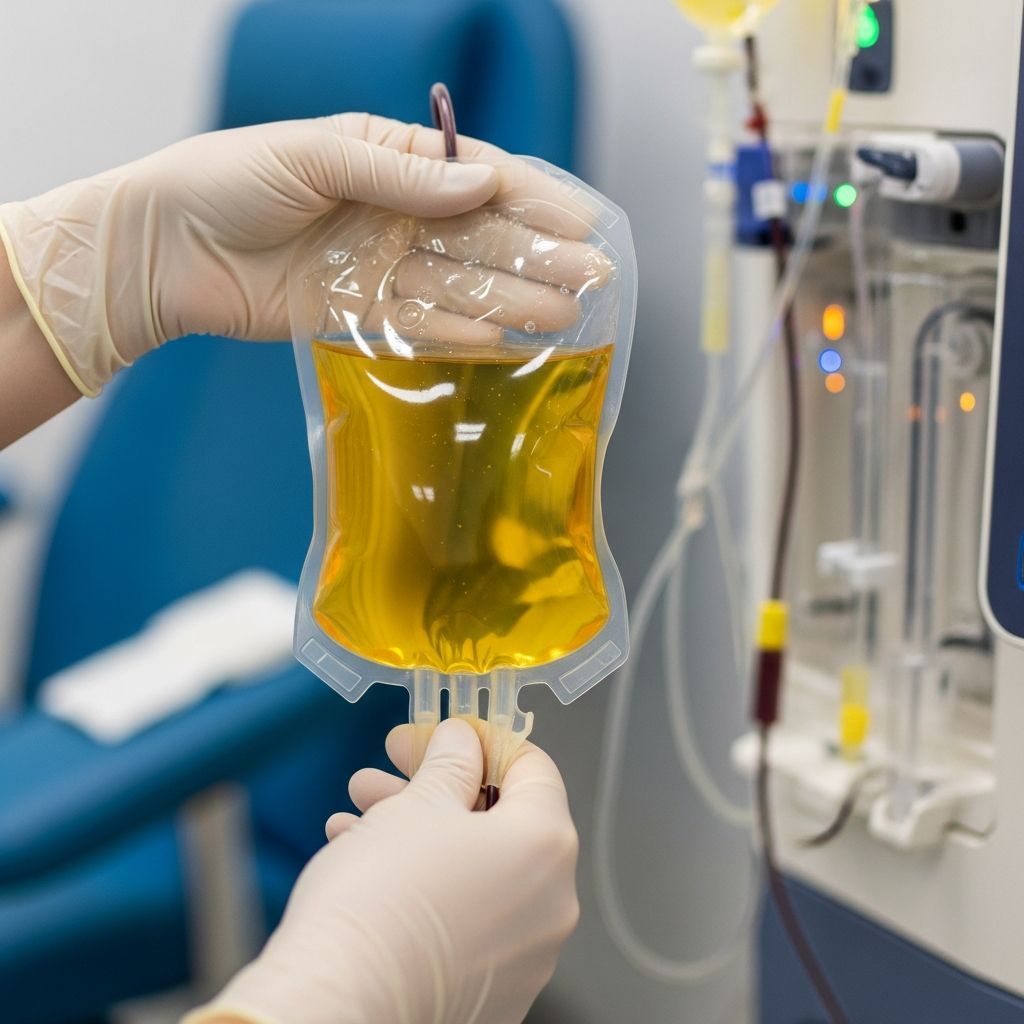
Plasma is the liquid component of your blood that plays a crucial role in maintaining your health and supporting vital bodily functions. Understanding what plasma is, how it works, and why it matters can help you appreciate the importance of blood donation and the life-saving treatments derived from this remarkable biological fluid.
Understanding Plasma: The Liquid Foundation of Blood
Your blood is composed of various components, each serving specific purposes to keep you healthy. Plasma makes up a significant portion of this composition, accounting for approximately 55% of your blood’s total volume. While this percentage can vary slightly depending on your biological sex or any medical conditions you may have, plasma remains the predominant liquid component of your circulatory system.
Plasma is often described as the “liquid highway” of your blood because it transports essential materials throughout your body. This clear to pale yellow fluid carries proteins, nutrients, hormones, and waste products, making it fundamental to your survival. Without adequate plasma volume and composition, your body cannot maintain proper circulation, deliver nutrients to cells, or remove metabolic waste products effectively.
The Composition of Plasma: What Makes It Essential
Plasma is far more than just water, though water does make up the majority of its composition. This complex fluid contains several important proteins that perform critical functions in your body. These proteins include albumin, which helps maintain blood volume and pressure; immunoglobulins, which are antibodies that fight infections; and clotting factors, which help stop bleeding when you’re injured.
The protein composition of plasma makes it uniquely suited for medical treatments. When plasma proteins are extracted and processed, they can be manufactured into plasma-derived therapies that treat various medical conditions. These therapies have become indispensable in modern medicine, helping patients with bleeding disorders, immune deficiencies, and numerous other life-threatening conditions.
How Blood Components Are Separated: Understanding Centrifugation
One of the most important techniques in blood science is the ability to separate blood components, including plasma, using a specialized tool called a centrifuge. This machine works by spinning a tube containing blood at extremely high speeds, creating a gravity-like effect that separates the different components based on their density.
When blood is centrifuged, the heavier red blood cells settle to the bottom of the tube due to their greater density. Above this layer sits a whitish layer consisting of platelets and white blood cells, which are less dense than red blood cells but heavier than plasma. At the top of the tube, you’ll find the plasma, the lightest component, which floats above all the cellular elements.
This separation process is fundamental to plasma donation, plasma transfusions, and the creation of plasma-derived therapies. By understanding how components separate, healthcare providers can effectively isolate plasma for various medical uses, from emergency transfusions to treating rare genetic disorders.
Related Stories



Plasma Donation: A Lifesaving Gift
Plasma donation is a vital process that allows individuals to contribute to the health and recovery of others. Unlike whole blood donation, plasma donation involves collecting only the liquid component of blood, which can be replaced by the body relatively quickly. This means plasma donors can donate more frequently than whole blood donors, making plasma donation an efficient way to meet the constant demand for this life-saving resource.
Donated plasma goes through rigorous testing for various diseases to ensure recipient safety. Healthcare providers screen plasma for infections such as HIV, hepatitis B, hepatitis C, and other blood-borne pathogens. This comprehensive testing process protects both recipients and maintains the integrity of the blood supply.
The impact of plasma donation on medical treatment cannot be overstated. For example, more than 1,200 plasma donations are needed to treat one person with hemophilia for a one-year supply of medicine. Similarly, more than 130 plasma donations are needed to treat one person with a primary immune deficiency for a one-year supply of medicine. These numbers highlight how essential regular plasma donation is for patients with rare and chronic conditions who depend on plasma-derived therapies for survival.
Medical Applications of Plasma and Plasma-Derived Therapies
Plasma-derived therapies (PDTs) represent one of the most important advances in modern medicine. These therapies are commonly used in the treatment of certain rare and chronic diseases such as bleeding disorders, immune deficiencies, hereditary angioedema, respiratory illnesses, and neurological disorders. Healthcare providers also use plasma in emergency departments, operating rooms, and burn units to treat conditions such as trauma, burns, and shock.
For certain plasma-derived therapies, they are vital in maternal-fetal medicine, including the prevention of conditions like hemolytic disease in newborns, which can lead to severe complications if left untreated. The versatility of plasma-derived therapies demonstrates why maintaining an adequate supply of donated plasma is crucial for the entire healthcare system.
Treating Trauma and Emergency Conditions
Plasma is commonly used to help treat trauma patients who have suffered traumatic injuries, are in shock, or have suffered severe burns. Albumin, one of the more common plasma-derived therapies, is used to treat low blood volume and has shown potential survival benefits when used as a resuscitative fluid for patients with sepsis. In life-threatening situations, plasma provides immediate support for circulation and organ function while definitive treatments are being arranged.
Treating Rare and Chronic Diseases
Plasma-derived therapies are used in treating numerous rare medical conditions. For example, individuals with certain immune deficiencies may lack specific plasma proteins or have proteins that do not function properly, which can contribute to serious and sometimes life-threatening health conditions. Plasma-derived therapies are developed using functional plasma proteins collected from eligible donors and manufactured through an innovative, controlled, and regulated process. In many cases, these therapies are considered among the most effective treatment options currently available for certain rare diseases.
Conditions Affecting Your Plasma
Many conditions and diseases can affect your plasma composition and function. These conditions may alter the protein content, clotting factors, or other essential components that make plasma vital for health. When plasma function is compromised, it can lead to serious medical complications that require specialized treatment and monitoring.
Some of the most significant plasma-related conditions include bleeding disorders, immune deficiencies, liver disease, kidney disease, and various autoimmune conditions. Understanding which conditions affect plasma helps healthcare providers develop appropriate treatment strategies and monitor patient health more effectively.
Symptoms of Plasma-Related Conditions
Several symptoms can indicate a plasma condition or related issue that requires medical attention. These symptoms may include unexplained bruising, frequent nosebleeds, prolonged bleeding from minor cuts, excessive fatigue, shortness of breath, or recurring infections. If you experience any of these symptoms, it’s important to consult with a healthcare provider who can perform appropriate diagnostic tests.
Diagnostic Testing for Plasma Conditions
Several blood tests can check your plasma for signs of medical conditions. These tests measure specific plasma proteins, clotting factors, and other components to identify abnormalities. Common plasma tests include prothrombin time (PT), partial thromboplastin time (PTT), fibrinogen level tests, and immunoglobulin level tests. Your healthcare provider will recommend the appropriate tests based on your symptoms and medical history.
Treatment Options for Plasma Disorders
The treatments for plasma disorders depend mainly on the specific disorder itself. Some examples of treatments include plasma transfusions, plasma-derived therapies, fresh frozen plasma, and plasmapheresis (plasma exchange). Each treatment approach is tailored to address the specific plasma deficiency or dysfunction affecting the patient.
Fresh frozen plasma (FFP) is one treatment option used when patients have deficiencies of clotting factors and are actively bleeding. However, healthcare providers typically use this treatment only when other preferred treatments aren’t available, such as clotting concentrates. Plasmapheresis, another advanced treatment, involves using a machine to remove plasma and replace it with donor plasma or a substitute fluid, effectively treating certain autoimmune and neurological conditions.
For patients with immune deficiencies, regular infusions of immunoglobulins derived from plasma can significantly improve their quality of life and reduce susceptibility to serious infections. For those with bleeding disorders, plasma-derived clotting factors provide the proteins needed to control bleeding and prevent life-threatening hemorrhages.
Frequently Asked Questions
What percentage of blood is plasma?
Plasma typically makes up approximately 55% of your blood’s total volume. This percentage can vary slightly depending on your biological sex and any medical conditions you may have.
How is plasma separated from other blood components?
Plasma is separated from other blood components using a machine called a centrifuge, which spins blood at high speeds. This creates a gravity-like effect that separates components by density, with plasma floating above the heavier cellular components.
How often can someone donate plasma?
Plasma donors can typically donate more frequently than whole blood donors because the body can replace plasma relatively quickly. Many plasma donation centers allow donors to give plasma twice a week, making it an efficient way to help patients in need.
What diseases are screened for in donated plasma?
Donated plasma is tested for various infectious diseases including HIV, hepatitis B, hepatitis C, and other blood-borne pathogens to ensure recipient safety.
Can plasma be stored for long periods?
Yes, plasma can be processed and frozen for storage. Fresh frozen plasma (FFP) can be stored for extended periods and used later for transfusions when patients need clotting factors or other plasma proteins.
What are plasma-derived therapies?
Plasma-derived therapies are medications manufactured from proteins found in donated plasma. These therapies treat various rare and chronic diseases including bleeding disorders, immune deficiencies, and neurological conditions.
Why is plasma donation important?
Plasma donation is crucial because it provides the raw material for life-saving plasma-derived therapies. Patients with rare diseases, immune disorders, and trauma victims depend on regular plasma donations for survival and recovery.
References
- The Power of Plasma — CSL Behring. 2024. https://www.csl.com/we-are-csl/our-businesses-and-products/csl-behring/csl-plasma/the-power-of-plasma
- What Is Plasma? Plasma Donation & Importance — Cleveland Clinic. 2024. https://my.clevelandclinic.org/health/body/22865-plasma
- Fresh Frozen Plasma (FFP): What It Is & Uses — Cleveland Clinic. 2024. https://my.clevelandclinic.org/health/treatments/fresh-frozen-plasma-ffp
- Plasmapheresis (Plasma Exchange): Therapy, Procedure & What It Is — Cleveland Clinic. 2024. https://my.clevelandclinic.org/health/treatments/24197-plasmapheresis-plasma-exchange
- Plasmapheresis in MS Fact Sheet — Cleveland Clinic. 2024. https://my.clevelandclinic.org/departments/neurological/depts/multiple-sclerosis/ms-approaches/plasmapheresis-in-ms
- Convalescent Plasma: What It Is, How It Works & Effectiveness — Cleveland Clinic. 2024. https://my.clevelandclinic.org/health/treatments/21886-convalescent-plasma
- Plasma Protein Fraction Injection — Cleveland Clinic. 2024. https://my.clevelandclinic.org/health/drugs/23600-plasma-protein-fraction-injection
Similar Articles








Read full bio of medha deb