What Is Proper Posture and How to Improve It
Discover the science behind proper posture, its health benefits, and practical tips to correct and maintain it.
What Is Proper Posture?
Posture refers to the natural way you hold your body while sitting, standing, or lying down. Proper posture supports your spine and helps prevent common aches and pains. While there isn’t one perfect posture for everyone in every situation, there are general guidelines to follow to support your body’s structure and function.
The Natural Curves of the Spine
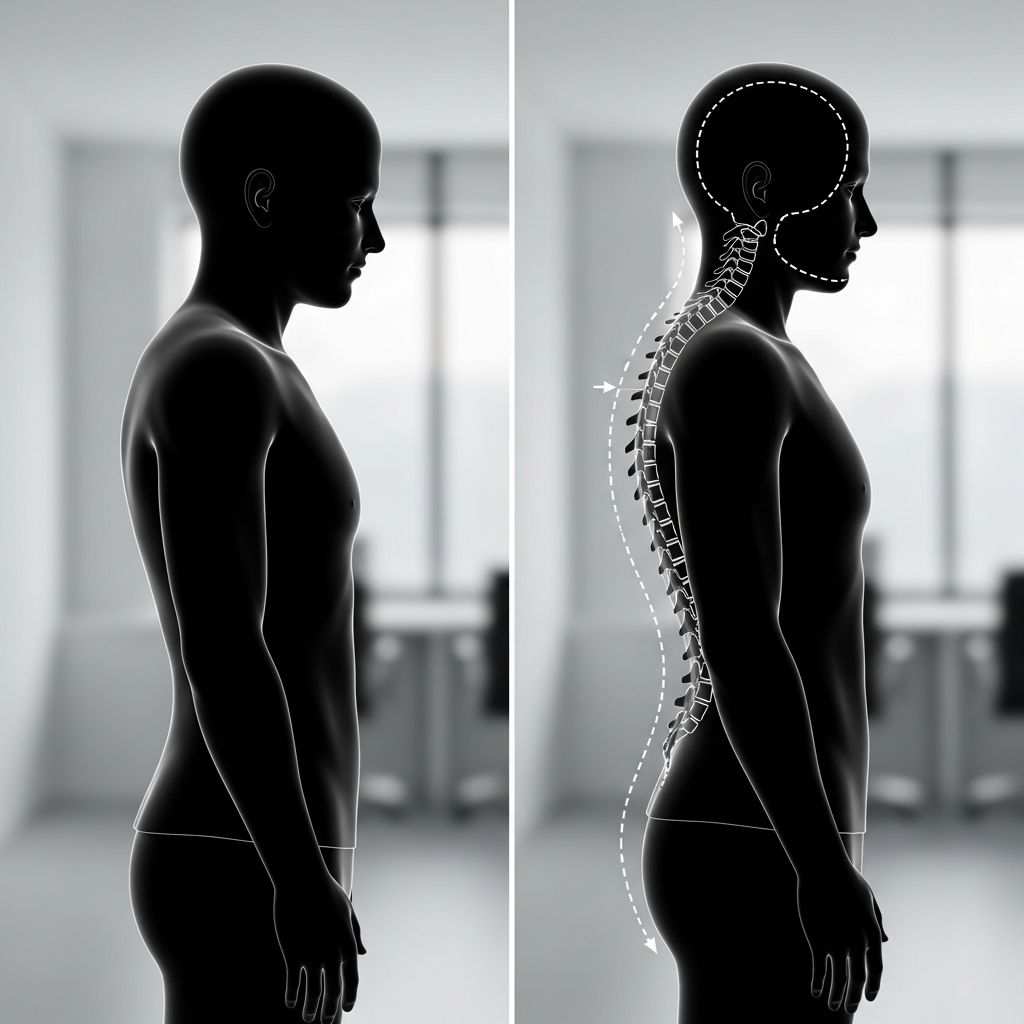
Your spine naturally has three curves:
- Cervical spine (neck): An inward curve.
- Thoracic spine (upper and mid-back): An outward curve.
- Lumbar spine (lower back): Another inward curve.
These curves give your spine a gentle, S-shaped appearance. Proper posture means maintaining these natural curves without adding extra bends or flexions. When your posture is correct, your spine is in a neutral position, which reduces stress on your muscles, joints, and ligaments.
Why Proper Posture Matters
Good posture is essential for overall health and well-being. It helps prevent excessive strain on your joints and muscles, reduces pain, and minimizes your risk of injury. Here are some key benefits of maintaining proper posture:
- Encourages proper alignment of joints and bones.
- Promotes effective and efficient use of your muscles.
- Reduces abnormal wear and tear on joint surfaces.
- Decreases stress on the ligaments of your spine.
- Prevents abnormal positioning of your spine.
- Prevents muscle fatigue.
- Decreases the risk of strain and sprain injuries.
- Decreases the risk of back pain.
Common Posture Mistakes
Many people struggle with poor posture due to sedentary lifestyles, weak or tightened muscles, obesity, stress, and pregnancy. Some common posture mistakes include:
- Head-forward posture: Your head hangs out too far in front of your shoulders, which can cause neck and shoulder pain.
- Slouching: Reversing the natural curves of your spine, leading to extra stress on your back and neck.
- Rounded shoulders: Shoulders that are rounded forward, often due to tight chest muscles and weak upper back muscles.
- Leaning too far forward or backward: This can cause low back pain and other spinal issues.
How to Check Your Posture
To check if your posture is correct, stand with your back against a wall. Your head, shoulders, hips, knees, and ankles should all touch the wall. If you can’t achieve this alignment, you may have poor posture. Here are some additional tips:
- Your chin should be parallel to the floor.
- Your shoulders should be back and even.
- Your spine should be in a neutral position, with no excessive arching of your back.
- Your arms should hang loosely at your sides.
- Your core muscles should be gently engaged.
- Your knees should be even and pointing forward.
- Your body weight should be evenly distributed over both feet.
Related Stories



Exercises to Improve Posture
Simple exercises can help keep your body in an optimal position and undo years of improper posture habits. Here are some effective exercises:
- Wall Angels: Stand with your back against a wall, arms at your sides. Slowly raise your arms overhead, keeping them in contact with the wall. Lower them back down. Repeat 10-15 times.
- Pelvic Tilts: Lie on your back with your knees bent. Tighten your abdominal muscles and tilt your pelvis upward, flattening your lower back against the floor. Hold for a few seconds, then release. Repeat 10-15 times.
- Shoulder Blade Squeezes: Sit or stand with your arms at your sides. Squeeze your shoulder blades together, hold for a few seconds, then release. Repeat 10-15 times.
- Chin Tucks: Sit or stand with your head in a neutral position. Gently tuck your chin toward your chest, hold for a few seconds, then release. Repeat 10-15 times.
- Core Strengthening Exercises: Planks, bridges, and abdominal crunches can help strengthen your core muscles, which support your spine.
Posture Tips for Daily Life
Improving your posture isn’t just about exercises; it’s also about making small changes in your daily routine. Here are some tips:
- When sitting at your desk, hold your shoulders and arms at a 90-degree angle. Position your monitor straight ahead at eye level to reduce neck strain.
- Keep your spine in a neutral position while standing. Avoid jutting your butt backward or leaning too far forward.
- Use a standing desk if possible, but be diligent about maintaining good posture.
- Take frequent breaks to move and stretch, especially if you have a sedentary job.
- Be conscious of your posture while exercising, and consider checking your position in the mirror or having a qualified physical therapist monitor your program.
Health Effects of Poor Posture
Ignoring advice on good posture can affect your overall health and set you up for neck and shoulder strain, back pain, and even joint damage. Poor posture can lead to:
- Neck and shoulder pain.
- Back pain.
- Joint degeneration.
- Rounded shoulders.
- A potbelly.
- Spinal dysfunction.
While poor posture might not directly cause pain in all cases, it is often a contributing factor, especially when combined with a lack of stretching or physical activity.
FAQs About Posture
Q: Can poor posture cause long-term damage?
A: Yes, having poor posture over the long term can lead to real damage, including joint degeneration, spinal dysfunction, and chronic pain.
Q: How long does it take to see improvements in posture?
A: Making a habit of good posture may take some time. As with any other exercise routine, it typically takes about four to six weeks to see real change.
Q: Are there specific exercises for correcting head-forward posture?
A: Yes, exercises like chin tucks and shoulder blade squeezes can help correct head-forward posture.
Q: Can working from bed affect my posture?
A: Yes, working from bed can negatively impact your posture and lead to back pain and other issues. It’s best to use a proper desk and chair setup.
Q: Should I consult a doctor if I have posture-related pain?
A: If you think bad posture is causing your neck, shoulder, or back pain, it’s a good idea to talk to your doctor about additional tips or therapies you can try to ease your symptoms.
References
References
- What Is Proper Posture? — Cleveland Clinic. 2023. https://my.clevelandclinic.org/health/articles/posture
- The Health Effects of Poor Posture — Cleveland Clinic. 2023. https://health.clevelandclinic.org/health-effects-of-poor-posture
- 8 Posture Exercises To Sit and Stand Straighter — Cleveland Clinic. 2023. https://health.clevelandclinic.org/posture-exercises
- The Benefits of Good Posture — Peak Performance Physical Therapy. 2023. https://www.peakphysicaltherapy.com/Newsletters/Full-Articles/The-benefits-of-good-posture/a~17683/article.html
- Posture — Better Health Channel. 2023. https://www.betterhealth.vic.gov.au/health/conditionsandtreatments/posture
Similar Articles








Read full bio of medha deb