What Is Prostatitis and How Is It Treated?
Understanding prostatitis: types, symptoms, diagnosis, and effective treatment options for men's health.
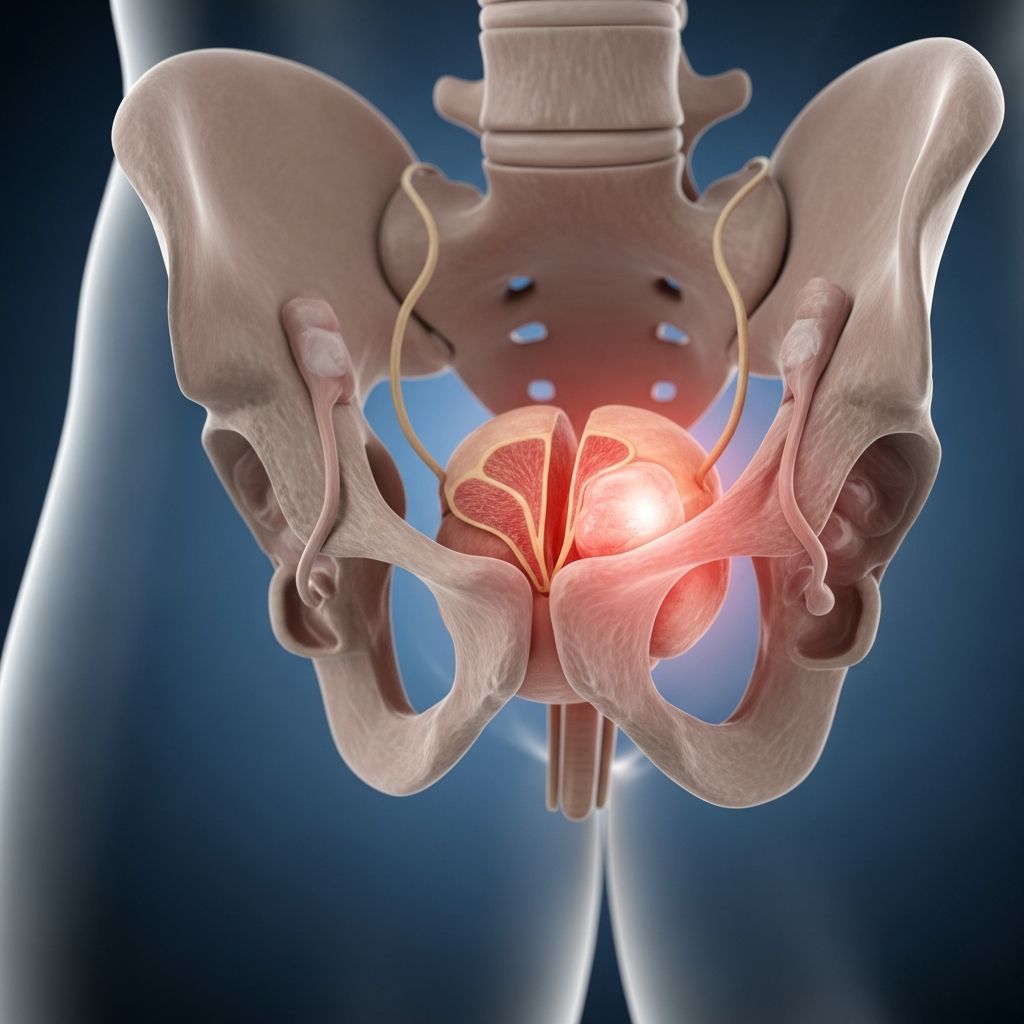
Understanding Prostatitis: A Comprehensive Guide to Prostate Inflammation
Prostatitis is a frequently painful condition involving inflammation of the prostate gland and sometimes the surrounding tissues. This condition affects millions of men worldwide and is particularly common in younger men, making it one of the most prevalent urological concerns in the male population.
What Is the Prostate and Why Does It Matter?
The prostate is a walnut-sized gland located in males that surrounds the urethra, the tube through which urine passes. This gland plays a crucial role in reproductive health by producing a fluid that becomes part of semen. Understanding the prostate’s function is essential for comprehending why prostatitis can cause such disruptive symptoms affecting both urination and sexual function.
The Four Types of Prostatitis
Scientists have identified four distinct types of prostatitis, each with different causes, severity levels, and treatment approaches. Understanding which type a patient has is critical for determining the appropriate treatment plan.
Category 1: Acute Bacterial Prostatitis
Acute bacterial prostatitis is the least common type of prostatitis but is particularly prevalent among younger men, especially those under thirty-five years old. This condition develops suddenly and is caused by a bacterial infection, often resulting from bacteria traveling from the urethra into the prostate. While acute bacterial prostatitis is the easiest type to treat, it can be quite severe and requires immediate medical attention.
Category 2: Chronic Bacterial Prostatitis
Chronic bacterial prostatitis is caused by bacteria and often lingers for several months or even years. This type most commonly affects men between the ages of forty and seventy. Unlike the acute form, chronic bacterial prostatitis typically presents with milder symptoms that tend to come and go rather than remaining constant. The prolonged nature of this condition can significantly impact a man’s quality of life.
Category 3: Chronic Prostatitis/Chronic Pelvic Pain Syndrome (CP/CPPS)
This is the most common and least understood form of prostatitis. CP/CPPS is not caused by bacteria and affects between ten to fifteen percent of the U.S. male population. It can occur in men of any age group and is characterized by chronic pain or discomfort in the pelvis that may come and go. The condition is often linked to chronic pelvic pain without evidence of bacterial infection, making diagnosis and treatment more challenging.
Category 4: Asymptomatic Inflammatory Prostatitis
Men with asymptomatic inflammatory prostatitis do not have symptoms and typically don’t know they have the condition. Healthcare providers may diagnose this type when testing for other urinary tract or reproductive tract disorders. This type of prostatitis does not cause complications and does not require treatment.
How Common Is Prostatitis?
Prostatitis is extremely common among the male population. Approximately two million men seek medical intervention for prostatitis each year in the United States alone, accounting for about two million visits to healthcare providers annually. Prostatitis is the most common urinary tract problem for men younger than age fifty and the third most common urinary tract problem for men older than age fifty, demonstrating its widespread prevalence across different age groups.
Related Stories



Risk Factors and Who Is More Likely to Develop Prostatitis
The factors that increase a man’s chances of developing prostatitis differ depending on the type. Identifying and understanding these risk factors can help men take preventive measures and seek early treatment.
Risk Factors for Bacterial Prostatitis
Men with lower urinary tract infections (UTIs) are significantly more likely to develop bacterial prostatitis. UTIs that recur or are difficult to treat may progress to chronic bacterial prostatitis. Medical procedures that involve inserting a catheter or other tubing into the urethra or rectum can expose the prostate to bacteria. Additionally, anal intercourse, a recent bladder infection, abnormalities in the anatomy of the urinary tract, diabetes, a suppressed immune system, and obstruction of the bladder from sources such as tumors, kidney stones, or an enlarged prostate gland all increase risk.
Risk Factors for Chronic Prostatitis/Chronic Pelvic Pain Syndrome
Men with nerve damage in the lower urinary tract due to surgery or trauma may be more likely to develop CP/CPPS. Psychological factors play a significant role in this form, with stress and anxiety potentially exacerbating symptoms. The condition is not caused by infection but rather by complex interactions between physical and psychological factors, pelvic floor dysfunction, and possibly unidentified inflammatory processes.
Recognizing the Symptoms of Prostatitis
Symptoms of prostatitis can appear slowly or suddenly, and they can be mild or quite severe. In nonbacterial prostatitis, symptoms often come and go. Understanding the various symptoms helps men recognize when they should seek medical attention.
Common Symptoms of Prostatitis
The most frequently reported symptoms include needing to urinate frequently or urgently, or both, especially at night. Men may experience pain or burning while urinating and difficulty initiating urination. Additional urinary symptoms include blood in the urine and a weak or interrupted urine stream. Pain and discomfort can manifest in various locations including the lower abdomen, lower back, perineal area (between the scrotum and anus), the penis, the scrotum, and the groin region.
Additional Symptoms
Beyond urinary symptoms, men with prostatitis may experience painful ejaculation and sexual dysfunction, including impotence. Some men report experiencing fever and chills, particularly with acute bacterial prostatitis. Psychological stress is common, and some men experience nausea, vomiting, body aches, and nocturia (frequent urination during periods of sleep). In severe cases, men may experience urinary retention, the inability to empty the bladder completely.
Diagnosis of Prostatitis
Diagnosis of prostatitis typically involves a thorough evaluation by a healthcare professional. The diagnostic process begins with a detailed medical history and physical examination. A healthcare provider may perform a digital rectal examination to assess the prostate gland for tenderness, swelling, or other abnormalities. Imaging tests such as ultrasound may be recommended to visualize the prostate and surrounding structures. Urine tests and cultures can help identify bacterial infections, while blood tests may reveal elevated white blood cells or other signs of infection. Proper diagnosis is crucial because it determines which type of prostatitis a patient has and guides appropriate treatment.
Complications of Untreated Prostatitis
While most cases of prostatitis can be effectively managed with appropriate treatment, untreated or inadequately managed prostatitis may lead to serious complications. These complications can include bacterial infection in the bloodstream, a condition that requires immediate medical intervention. A prostatic abscess, which is a pus-filled cavity in the prostate, may develop. Additionally, prostatitis can lead to sexual dysfunction and inflammation of reproductive organs near the prostate. Understanding potential complications emphasizes the importance of seeking timely medical care.
Treatment Approaches for Prostatitis
Treatment depends on the type of prostatitis and the underlying cause. A tailored approach ensures that men receive the most effective therapy for their specific condition.
Treatment for Acute Bacterial Prostatitis
Acute bacterial prostatitis is treated with oral antibiotics for one to two weeks. Commonly used drugs include quinolones such as norfloxacin, ciprofloxacin, and levofloxacin, or trimethoprim. In severe cases, treatment with intravenous antibiotics may be necessary, requiring hospitalization so men can receive fluids and medications through an IV tube. After IV treatment, the man will need to take oral antibiotics for two to four weeks. Most cases of acute bacterial prostatitis clear up completely with medication and slight changes to diet. Severe cases may require a short hospital stay.
Treatment for Chronic Bacterial Prostatitis
Chronic bacterial prostatitis is also treated with oral antibiotics but for a longer duration, typically four to twelve weeks. Because the infection can penetrate deep into prostate tissue, a longer course of antibiotics is necessary. Healthcare providers may also recommend additional medications including stool softeners, anti-inflammatory medications, pain medications and analgesics, alpha-blockers such as Flomax to improve urinary flow, and 5-alpha reductase inhibitors such as Proscar or Avodart to reduce prostate size.
Treatment for Chronic Prostatitis/Chronic Pelvic Pain Syndrome
Because CP/CPPS is not caused by bacterial infection, antibiotics are not effective. Instead, treatment focuses on symptom management and addressing underlying causes. Pain management is central to treatment and may include over-the-counter pain relievers, muscle relaxants, or other analgesics. Alpha-blockers may help improve urinary symptoms. Physical therapy targeting pelvic floor dysfunction has shown promising results. Psychological approaches, stress reduction techniques, and counseling may help address the psychological components of the condition. Lifestyle modifications such as avoiding irritating foods and substances, maintaining regular exercise, and managing stress are important components of the treatment plan.
Supportive Measures and Lifestyle Modifications
Regardless of the type of prostatitis, certain lifestyle modifications can support recovery and symptom management. Men should maintain adequate hydration by drinking plenty of water to help flush bacteria from the urinary system. Dietary modifications, such as avoiding spicy foods, alcohol, and caffeine, which can irritate the urinary tract, may provide relief. Regular exercise and stress reduction techniques can help manage symptoms, particularly for CP/CPPS. Some men find relief through sitz baths, sitting in warm water for fifteen to twenty minutes several times daily. Avoiding prolonged sitting and maintaining good ergonomics can also help reduce pelvic pain.
Prevention of Prostatitis
While there are no established prevention strategies that guarantee immunity from prostatitis, understanding risk factors can help men take preventive measures. Maintaining good hygiene, practicing safe sex to avoid sexually transmitted infections, treating urinary tract infections promptly, and avoiding unnecessary medical procedures involving catheterization can reduce risk. Men concerned about prostatitis should be aware of risk factors specific to their health profile and discuss prevention strategies with their healthcare provider.
Diet and Nutrition Considerations
While diet alone cannot cure prostatitis, certain dietary choices may help manage symptoms. Men with prostatitis should limit foods and beverages that can irritate the urinary tract, including spicy foods, alcohol, and caffeine. Maintaining a healthy diet rich in fruits, vegetables, and lean proteins supports overall health and immune function. Adequate hydration is particularly important, as drinking sufficient water helps dilute urine and reduce irritation during urination. Some research suggests that foods rich in antioxidants and anti-inflammatory compounds may be beneficial, though more research is needed.
When to Seek Medical Care
Men should seek immediate medical attention if they experience fever over 101 degrees Fahrenheit along with lower back or lower abdominal pain, as these may indicate serious infection. Any man experiencing symptoms of prostatitis, particularly acute symptoms such as severe pain during urination, inability to urinate, fever, or chills, should contact a healthcare provider promptly. Men with chronic symptoms that interfere with quality of life should also seek professional evaluation. Early diagnosis and treatment can prevent complications and improve outcomes.
Frequently Asked Questions About Prostatitis
Q: Can prostatitis be sexually transmitted to a partner?
A: Prostatitis itself is not contagious and cannot be transmitted to a sexual partner. However, if prostatitis is caused by a sexually transmitted infection, that infection can be transmitted to partners through unprotected sex.
Q: How long does it take to recover from acute bacterial prostatitis?
A: Most cases of acute bacterial prostatitis clear up completely with appropriate antibiotic treatment and dietary modifications within two to four weeks of starting therapy.
Q: Can prostatitis lead to prostate cancer?
A: There is no evidence that prostatitis causes prostate cancer. However, men with prostatitis and men at risk for prostate cancer may experience similar symptoms, so proper diagnosis is important.
Q: Is chronic prostatitis curable?
A: While chronic prostatitis/chronic pelvic pain syndrome can be effectively managed with a combination of treatments, it may not be completely curable. Management focuses on reducing symptoms and improving quality of life.
Q: What percentage of men experience prostatitis?
A: Approximately ten to fifteen percent of the U.S. male population experiences chronic prostatitis or chronic pelvic pain syndrome, making it a relatively common condition.
Q: Can stress cause prostatitis?
A: While stress may not directly cause prostatitis, psychological stress can exacerbate symptoms, particularly in chronic prostatitis/chronic pelvic pain syndrome.
References
- Prostatitis: Inflammation of the Prostate — National Institute of Diabetes and Digestive and Kidney Diseases (NIDDK). Accessed December 2025. https://www.niddk.nih.gov/health-information/urologic-diseases/prostate-problems/prostatitis-inflammation-prostate
- Prostatitis — EBSCO Research Starters. Accessed December 2025. https://www.ebsco.com/research-starters/consumer-health/prostatitis
- Prostatitis — Canadian Cancer Society. Accessed December 2025. https://cancer.ca/en/cancer-information/cancer-types/prostate/what-is-prostate-cancer/prostatitis
Similar Articles








Read full bio of Sneha Tete