Protein Powder: 6 Essential Types, Benefits, Risks & Uses
Unlock the essentials of protein powder: types, benefits, risks, and how to choose the best supplement for your fitness goals.
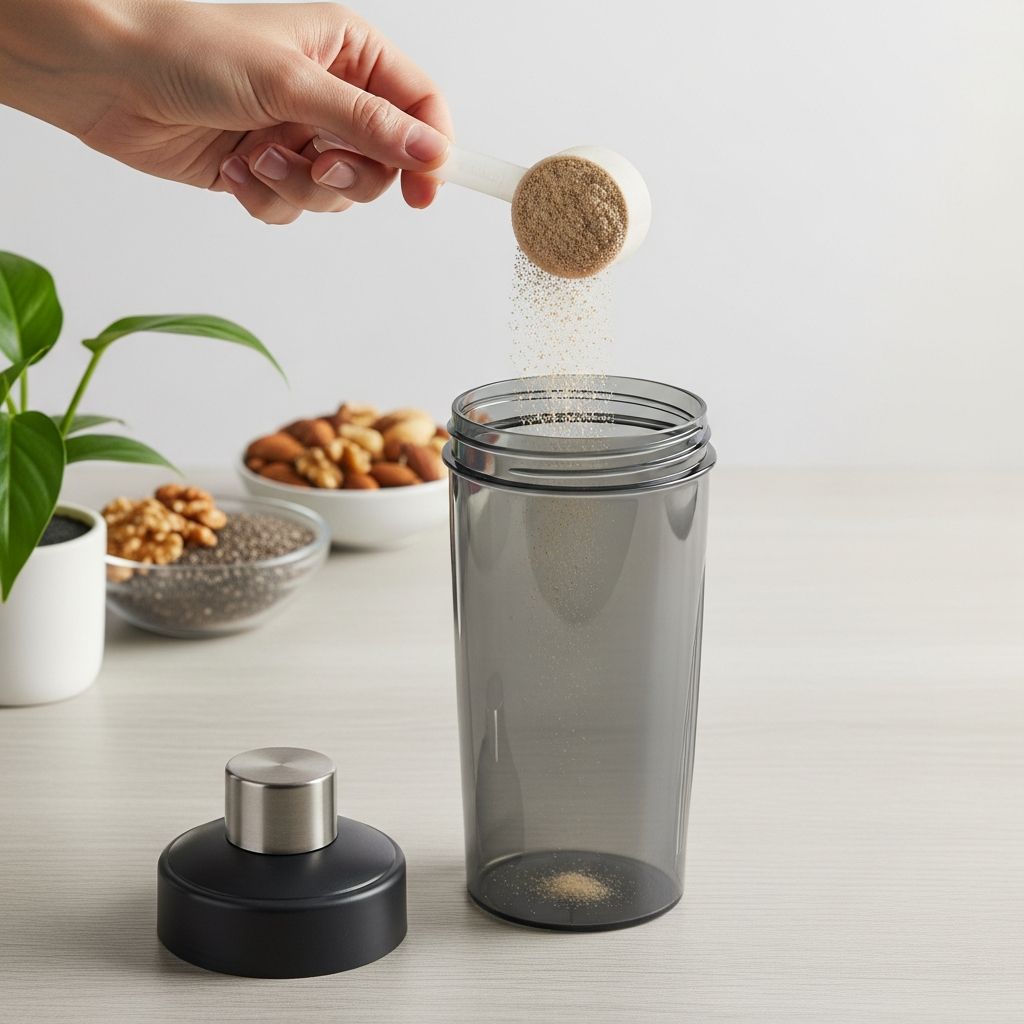
Protein powder has become a staple in gyms, kitchens, and supplement aisles worldwide. Whether you’re a dedicated athlete, a casual gym-goer, or someone simply looking to boost daily protein intake, protein powder offers a convenient way to meet nutritional needs. But what exactly is it, and is it right for you? This guide breaks down everything you need to know about protein powder, from its composition and types to benefits, risks, and practical usage tips.
What Is Protein Powder Made Of?
At its core, protein powder is a dietary supplement designed to deliver concentrated amounts of protein with minimal carbs, fats, or calories. It’s typically derived from food sources like milk, eggs, soy, peas, rice, or hemp, processed into a fine powder for easy mixing into shakes, smoothies, or foods.
The manufacturing process involves extracting protein from these sources through methods like filtration, centrifugation, or hydrolysis. For instance, whey protein—the most popular type—is a byproduct of cheese production. Milk is pasteurized and coagulated, separating into curds (used for cheese) and whey (filtered into powder). Plant-based options undergo similar grinding and extraction but often require blending multiple sources to achieve a complete amino acid profile.
Protein powders aren’t just pure protein; they may include additives like flavorings, sweeteners (natural or artificial), thickeners (xanthan gum), and emulsifiers (lecithin) to improve taste, texture, and solubility. Some are fortified with vitamins, minerals, or digestive enzymes. Always check labels, as ‘isolate’ forms are more purified (90%+ protein), while ‘concentrates’ retain more natural components but less protein per serving.
Types of Protein Powder
There are several types of protein powder, each suited to different dietary needs, digestion speeds, and goals. Here’s a breakdown:
- Whey Protein: Fast-digesting, complete protein from milk containing all essential amino acids, especially high in leucine for muscle synthesis. Ideal post-workout.
- Casein Protein: Slow-digesting milk protein that forms a gel in the stomach, providing sustained amino acid release—great for bedtime.
- Egg Protein: Highly bioavailable, lactose-free alternative from egg whites, with a neutral taste and complete amino profile.
- Plant-Based Protein: Includes pea, rice, hemp, soy, or blends. Vegan-friendly but may need combining for completeness; slower digestion.
- Collagen Protein: From animal connective tissues, supports skin, joints, and hair but incomplete for muscle-building (lacks tryptophan).
- Beef or Other Novel Proteins: Emerging options like beef isolate for low-carb diets.
Choosing depends on lactose tolerance, vegan preferences, and timing. Whey dominates (over 60% market share), per industry reports.
Health Benefits of Protein Powder
Protein powder amplifies the benefits of dietary protein, essential for muscle repair, enzyme production, hormones, and immune function. Research shows 1.6–2.2g protein/kg body weight daily optimizes muscle gains for active individuals.
Muscle Growth and Recovery
Post-exercise protein (20–40g) triggers muscle protein synthesis (MPS). A 2023 meta-analysis in British Journal of Sports Medicine confirmed whey outperforms other sources for hypertrophy due to rapid absorption and leucine content. It’s also linked to reduced soreness.
Weight Management
High-protein diets curb hunger via satiety hormones like PYY and GLP-1. A study in Obesity Reviews (2022) found protein supplements aid fat loss while preserving muscle during calorie deficits.
Related Stories



Bone Health and Aging
Protein supports bone density, countering myths of harm to kidneys in healthy people. Older adults benefit from 1.2g/kg+ intake to combat sarcopenia.
Other Perks
Convenience for busy lifestyles, blood sugar control (low glycemic), and workout performance enhancement.
Potential Downsides and Risks
While safe for most, protein powder isn’t risk-free. Overconsumption (beyond 2.5g/kg) strains kidneys in those with pre-existing issues, per NIH guidelines. Digestive woes like bloating affect 20–30% of users, especially with whey.
| Risk | Causes | Who’s Affected |
|---|---|---|
| GI Distress | Lactose, artificial sweeteners (sugar alcohols) | Lactose-intolerant, sensitive stomachs |
| Heavy Metals | Contaminated plant proteins (rice absorbs arsenic) | Long-term high users |
| Added Sugars | Flavored varieties | Diabetics, calorie counters |
| Hormone Concerns | Soy isoflavones (minimal impact per studies) | Men fearing estrogen effects (unfounded) |
Clean Label Project tests (2024) found contaminants in 50%+ of powders; opt for third-party tested (NSF, Informed-Sport).
How to Use Protein Powder
Aim for 20–30g per serving, 1–2 times daily. Mix with water/milk (shaker bottle), blend into smoothies, or bake into recipes. Timing: post-workout (30–60min window), between meals, or pre-bed (casein).
- Beginners: Start with half-scoop to test tolerance.
- Stacking: Pair with creatine, BCAAs if needed.
- Whole Foods First: Supplements complement, not replace, chicken, eggs, legumes.
How to Choose the Best Protein Powder
Prioritize:
- Protein per serving (20g+), amino acid profile.
- Third-party certification (USP, NSF).
- Minimal additives; natural flavors.
- Source match (vegan? plant-based).
- Taste/test via samples.
Budget: $1–2 per serving. Top picks: Optimum Nutrition Gold Standard Whey, Orgain Plant-Based.
Who Should Use Protein Powder?
Ideal for: athletes, older adults, vegetarians/vegans, weight-loss seekers. Not necessary if diet hits 0.8–1g/kg (RDA), but beneficial for higher needs. Consult doctor if pregnant, kidney disease, or under 18.
Frequently Asked Questions (FAQs)
Is protein powder necessary?
No, but convenient for hitting high protein targets. Food sources preferred primarily.
Can protein powder cause weight gain?
Only if calories exceed needs; it’s low-cal, supports muscle (heavier than fat).
Is plant protein as good as whey?
Nearly, if blended for complete aminos; whey edges in speed/leucine.
How much protein powder daily?
1–2 scoops (40–60g), part of total intake not exceeding 2g/kg body weight.
Does protein powder affect kidneys?
Safe for healthy kidneys; monitor if impaired.
Protein powder demystified: a powerful tool when used wisely. Prioritize quality, balance with diet, and fuel your goals effectively.
References
- International Society of Sports Nutrition Position Stand: protein and exercise — J Int Soc Sports Nutr. 2023-01-15. https://jissn.biomedcentral.com/articles/10.1186/s12970-023-00506-4
- Dietary Guidelines for Americans, 2020-2025 — USDA / HHS. 2020-12-01. https://www.dietaryguidelines.gov/sites/default/files/2020-12/Dietary_Guidelines_for_Americans_2020-2025.pdf
- Protein supplementation during resistance training — Br J Sports Med. 2023-05-10. https://bjsm.bmj.com/content/57/10/547
- High-protein diets and kidney health — National Kidney Foundation. 2024-02-20. https://www.kidney.org/atoz/content/protein-and-kidney-disease
- Contaminants in protein powders — Clean Label Project. 2024-03-15. https://cleanlabelproject.org/protein-study/
- Protein intake for optimal muscle mass — Am J Clin Nutr. 2022-11-01. https://doi.org/10.1093/ajcn/nqac174
Similar Articles








Read full bio of Sneha Tete