What Is a Radiologist? Training, Types & Specializations
Complete guide to radiologists: their roles, training requirements, and medical specializations.
What Is a Radiologist?
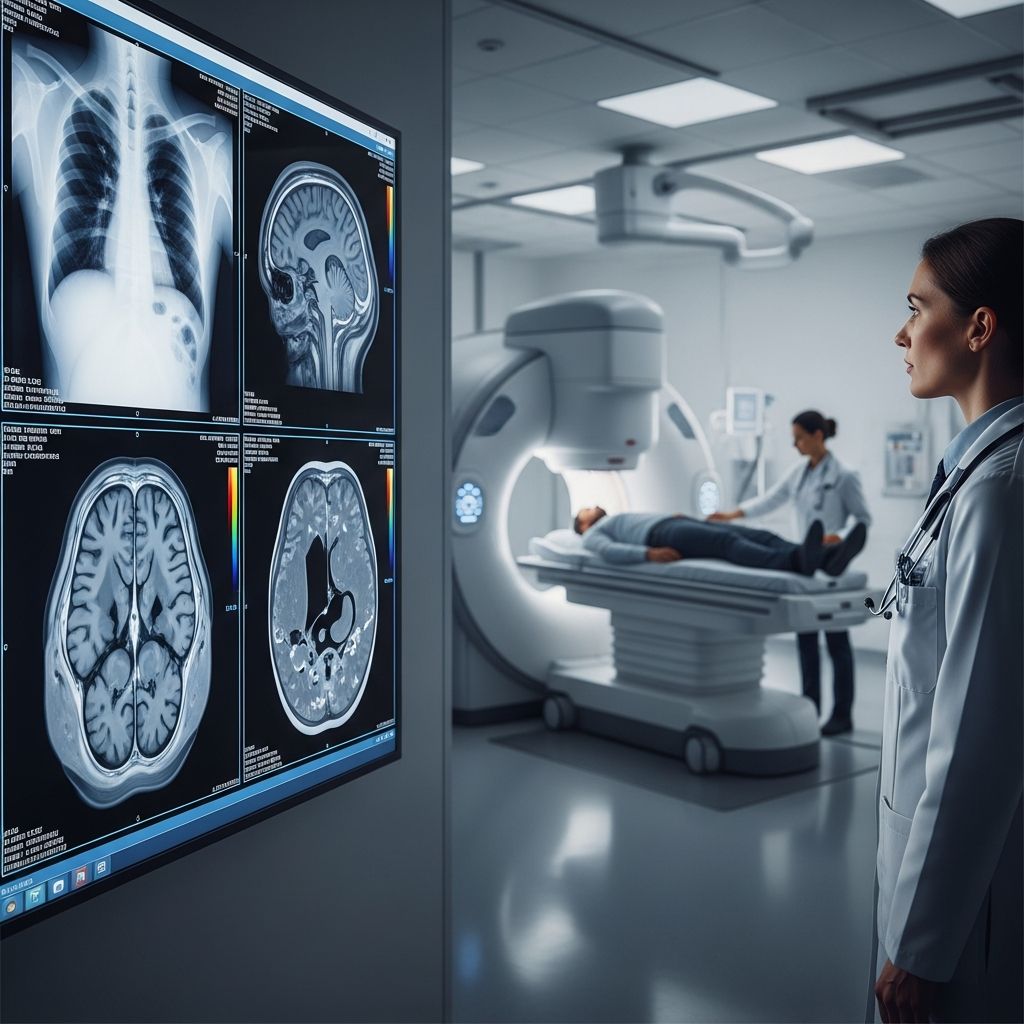
A radiologist is a medical doctor who specializes in diagnosing and treating conditions and injuries using advanced imaging equipment. These specialized physicians play a crucial role in modern healthcare by creating and interpreting detailed images of the human body’s internal structures. Radiologists work closely with other healthcare providers to help identify diseases, injuries, and abnormalities that might not be visible through physical examination alone.
Radiologists use a wide range of imaging technologies to visualize the inside of the human body. Their expertise allows them to detect everything from broken bones to tumors, infections, and organ dysfunction. Many radiologists develop specialized expertise in specific areas of radiology, such as pediatric radiology, oncology radiology, or interventional radiology, allowing them to provide focused, expert care in their chosen fields.
Main Types of Radiology
The field of radiology encompasses three main branches, each with distinct purposes and techniques. Understanding these primary types helps clarify the diverse roles radiologists play in healthcare delivery.
Diagnostic Radiology
Diagnostic radiology is the most common form of radiology and serves as the foundation of medical imaging. Diagnostic radiologists specialize in interpreting images to help healthcare providers see structures inside the body. These medical professionals are experts in analyzing detailed images and using them to identify abnormalities. Using diagnostic images, radiologists can often:
- Detect fractures and bone injuries
- Identify tumors and cancerous growths
- Diagnose infections and inflammatory conditions
- Evaluate organ function and structure
- Assess blood flow and vascular conditions
- Monitor disease progression and treatment response
Interventional Radiology
Interventional radiologists use imaging techniques such as CT, ultrasound, and MRI to guide minimally invasive procedures. Rather than primarily interpreting images for diagnosis, these specialists actively use imaging in real-time to direct their hands during procedures. The imaging guidance is particularly helpful when providers need to insert catheters, wires, and other small medical tools into the body. This approach typically allows for smaller incisions and reduced patient recovery time compared to traditional surgical methods. Interventional radiologists perform tasks including:
- Biopsies guided by imaging
- Placement of central lines and ports
- Angiography and vascular interventions
- Drainage of fluid collections
- Embolization procedures
- Ablation therapies
Radiation Oncology
Radiation oncology represents another major branch of radiology focused specifically on using radiation therapy to treat cancer and other malignancies. Radiation oncologists plan and administer targeted radiation treatments to destroy cancer cells while minimizing damage to surrounding healthy tissue. This specialized field requires extensive training in both oncology and radiation physics.
Radiology Subspecialties
Each of the three main branches of radiology contains several subspecialties, allowing radiologists to develop deep expertise in specific areas of medical imaging and treatment. These subspecialties represent focused fields where radiologists gain additional training and credentials.
Related Stories



Diagnostic Radiology Subspecialties
Within diagnostic radiology, physicians can specialize in numerous areas including:
- Neuroradiology: Imaging of the brain, spinal cord, and head structures
- Musculoskeletal Radiology: Imaging of bones, joints, muscles, and connective tissues
- Abdominal Imaging: Imaging of organs in the abdomen and pelvis
- Thoracic Imaging: Imaging of the chest, lungs, and heart
- Breast Imaging: Specialized mammography and breast ultrasound
- Pediatric Radiology: Imaging services specialized for children
- Cardiovascular Radiology: Imaging of the heart and blood vessels
Interventional Radiology Subspecialties
Interventional radiologists may develop subspecialties in:
- Vascular Intervention: Treating blood vessel disorders through minimally invasive procedures
- Oncology Intervention: Image-guided cancer treatment procedures
- Abdominal Intervention: Procedures targeting abdominal organs
- Neuro-Intervention: Procedures in the brain and spinal cord
Education and Training Requirements
Becoming a radiologist requires extensive education and specialized training. The pathway involves multiple years of rigorous academic work and clinical experience.
Medical School
The first step toward becoming a radiologist is completing a medical degree. This requires four years of medical school after obtaining a bachelor’s degree. Medical students take foundational courses in basic sciences and then progress to clinical rotations where they gain hands-on experience in various medical specialties.
Residency Training
After medical school, aspiring radiologists must complete a diagnostic radiology residency program, which typically lasts four years. During this residency, physicians receive comprehensive training in all aspects of diagnostic radiology. At major academic centers like Cleveland Clinic, residents benefit from exposure to more than 2.7 million imaging exams annually, providing exceptional learning opportunities. Residency training includes:
- Rotations through all major imaging modalities
- Hands-on experience with state-of-the-art equipment
- Mentorship from subspecialty experts
- Scholarly research opportunities
- Teaching and communication skills development
Fellowship Training
Following residency, many radiologists pursue additional fellowship training in their chosen subspecialty. Fellowships typically last one to two years and provide focused, intensive training in a specific area of radiology. For example, a radiologist interested in neuroradiology would complete a one or two-year fellowship focused exclusively on brain and spinal cord imaging. Fellowship training allows radiologists to develop expert-level knowledge and skills in their specialty area.
Board Certification
Radiologists must become board-certified by the American Board of Radiology (ABR). This certification process involves passing rigorous examinations that test knowledge and competency in diagnostic radiology. Board certification demonstrates that a radiologist has met high standards for education, training, and clinical knowledge.
Key Responsibilities of Radiologists
Radiologists carry significant responsibility in patient care. Their primary duties include interpreting medical images, communicating findings to other healthcare providers, and staying current with rapid advances in imaging technology. Diagnostic radiologists spend much of their day analyzing images and preparing detailed reports describing their findings. These reports guide clinical decision-making and often directly impact patient treatment plans.
Interventional radiologists balance image interpretation with active procedural work. They must understand not only how to obtain and interpret images but also how to use those images to safely and effectively guide therapeutic interventions. Both types of radiologists must maintain excellent communication skills, as they frequently need to discuss findings and recommendations with referring physicians, patients, and multidisciplinary care teams.
The Importance of Radiologists in Healthcare
Radiologists serve as essential partners in the healthcare system. Their expertise in medical imaging enables early disease detection, accurate diagnosis, and appropriate treatment planning. Many conditions cannot be definitively diagnosed without imaging studies, making radiologists integral to patient care across virtually every medical specialty. From detecting cancers at early, treatable stages to identifying life-threatening conditions like strokes or pulmonary embolisms, radiologists’ contributions directly impact patient outcomes and survival rates.
Modern Radiology Practice
Contemporary radiology departments are highly sophisticated medical centers equipped with cutting-edge technology. Major academic medical centers like Cleveland Clinic’s Imaging Institute operate world-class facilities with over 200 staff radiologists and conduct millions of imaging exams annually. These institutions offer:
- Advanced imaging equipment including multi-detector CT scanners and high-field MRI systems
- Picture archiving and communication systems (PACS) for digital image management
- Artificial intelligence tools assisting in image analysis
- Teleradiology capabilities enabling remote interpretation
- Subspecialized imaging suites for specific procedures
Career Opportunities and Job Outlook
Radiology remains one of the most sought-after medical specialties, offering diverse career opportunities. Radiologists can work in:
- Academic medical centers and teaching hospitals
- Community hospitals and private practices
- Imaging centers and outpatient facilities
- Telemedicine and remote reading services
- Government and military medical facilities
- Research and academic institutions
The field offers excellent compensation, flexible scheduling options, and the satisfaction of making significant contributions to patient care. The job outlook for radiologists remains strong, with continued demand for imaging services as medical technology advances and healthcare systems expand.
Frequently Asked Questions
Q: How long does it take to become a radiologist?
A: It typically takes 12-14 years total to become a radiologist. This includes 4 years of medical school, 4 years of diagnostic radiology residency, and 1-2 years of fellowship training in a subspecialty. Some radiologists may pursue additional fellowships or certifications.
Q: What is the difference between a radiologist and a technologist?
A: A radiologist is a medical doctor with specialized training who interprets imaging studies and diagnoses conditions. A radiology technologist operates imaging equipment and takes the images that radiologists interpret. Technologists typically complete a 2-4 year program, while radiologists complete medical school and residency.
Q: Can radiologists perform procedures?
A: Yes, interventional radiologists perform image-guided therapeutic and diagnostic procedures. However, diagnostic radiologists primarily interpret images. Some diagnostic radiologists may perform biopsies or other procedures, but interventional radiologists receive specialized training for procedure-based care.
Q: What imaging modalities do radiologists use?
A: Radiologists work with various imaging technologies including X-rays, computed tomography (CT), magnetic resonance imaging (MRI), ultrasound, positron emission tomography (PET), and nuclear medicine studies. Each modality has specific applications for different diagnostic questions.
Q: Do radiologists see patients directly?
A: Diagnostic radiologists typically do not have extensive direct patient contact, though they may briefly interact with patients during certain procedures. Interventional radiologists have more direct patient interaction since they perform procedures. However, all radiologists should be available to discuss findings with patients and referring providers.
Q: What subspecialty should I choose?
A: Choosing a subspecialty depends on your interests and career goals. Consider whether you prefer diagnostic interpretation or procedural work, which body systems interest you most, and what type of patient population you want to serve. Many radiologists rotate through different subspecialties during residency to explore options.
References
- Diagnostic Radiology Residency — Cleveland Clinic. 2025. https://my.clevelandclinic.org/departments/imaging/medical-professionals/residency-programs/diagnostic-radiology-residency
- Radiology & Diagnostic Imaging — Cleveland Clinic. 2025. https://my.clevelandclinic.org/departments/imaging
- What Is a Radiologist? What They Do, Training & Types — Cleveland Clinic. 2025. https://my.clevelandclinic.org/health/articles/24184-radiologist
- Cleveland Clinic Imaging Institute’s Commitment to Respect Initiative — NIH National Center for Biotechnology Information. 2017. https://pmc.ncbi.nlm.nih.gov/articles/PMC5593259/
- Cleveland Clinic Interventional Radiology Residency Programs — Cleveland Clinic. 2025. https://my.clevelandclinic.org/departments/imaging/medical-professionals/residency-programs/interventional-radiology-residency
Similar Articles








Read full bio of medha deb