Seitan: 5 Health Benefits, Risks, And Uses
Discover seitan, the high-protein wheat gluten meat alternative that's transforming plant-based diets with its meaty texture and nutrition.
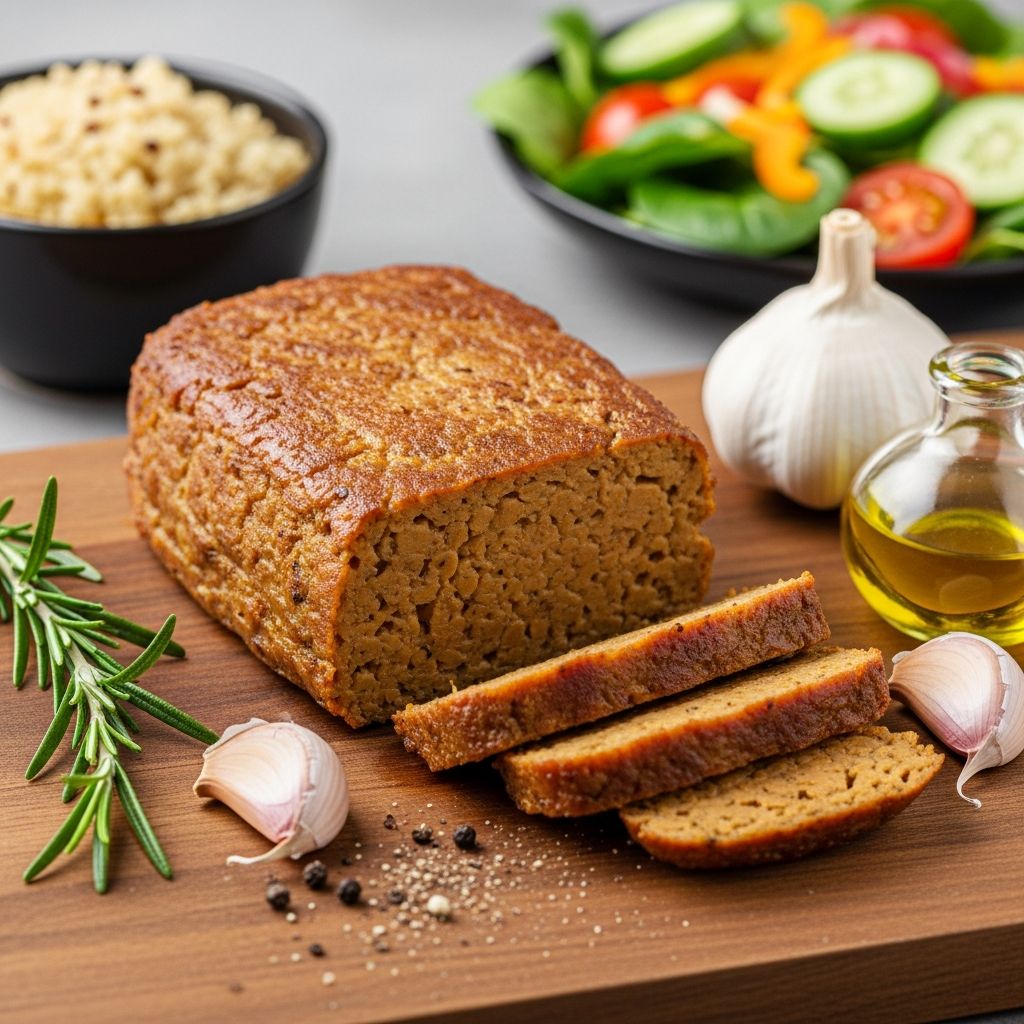
Seitan, a versatile plant-based protein made from wheat gluten, offers a chewy, meat-like texture that’s popular among vegans and vegetarians seeking meat alternatives. High in protein and low in fat, it provides essential nutrients but comes with considerations for those with gluten sensitivities.
What Is Seitan?
Seitan is a wheat-based meat substitute created by washing wheat flour dough to remove the starch, leaving behind the elastic protein called gluten. This process results in a firm, chewy product that mimics the texture of meat, making it ideal for dishes like stir-fries, sandwiches, and stews.
Known by various names such as wheat gluten, miànjīn in Chinese, fu in Japanese, and milgogi in Korean, seitan has deep roots in Asian cuisine dating back over 1,000 years. Buddhist monks developed it as a protein-rich alternative to meat, and it has since become a staple in vegan diets worldwide.
Unlike soy-based options like tofu or tempeh, seitan is naturally soy-free, appealing to those avoiding soy allergens. It’s typically seasoned with soy sauce, spices, or vegetable broth during preparation to enhance its mild, neutral flavor.
How Is Seitan Made?
Making seitan at home is straightforward and customizable. Start with vital wheat gluten flour, the dehydrated form of wheat protein, mixed with water and seasonings to form a dough. This dough is then simmered, steamed, baked, or boiled in broth for flavor absorption.
- Basic Homemade Recipe: Combine 1 cup vital wheat gluten with 1/4 cup nutritional yeast, garlic powder, onion powder, and vegetable broth to make dough. Shape into logs or patties, wrap in foil, and steam for 45-60 minutes until firm.
- Commercial Production: Store-bought seitan often includes added flavors, preservatives, or sodium, so check labels for minimal ingredients to ensure quality.
The washing method from flour yields a more traditional texture but is labor-intensive: knead flour-water dough under running water until starch rinses away, leaving gluten strands. This method highlights seitan’s versatility for slicing, crumbling, or grinding.
Seitan Nutrition Facts
Seitan stands out for its impressive nutrition: high protein, low calories, fat, and carbs. A typical 100g serving delivers 25-30g of protein, rivaling chicken or beef, while remaining cholesterol-free.
Key nutritional highlights per 100g (values vary by brand/preparation):
| Nutrient | Amount | % Daily Value* |
|---|---|---|
| Calories | 90-104 kcal | 5% |
| Protein | 21-30g | 42-60% |
| Fat | 0.5-2.35g | 1-3% |
| Carbohydrates | 3-5.88g | 1-2% |
| Iron | 1.2-5mg | 6-28% |
| Selenium | 10-16% DV | 10-16% |
| Phosphorus | 65-7% DV | 5-7% |
| Calcium | 24mg / 4% DV | 2-4% |
*Based on a 2,000-calorie diet. Data synthesized from multiple sources; premade versions may have higher sodium.
Seitan provides minerals like selenium for thyroid function and immunity, iron for oxygen transport, and phosphorus for bone health. However, it’s low in fiber and certain vitamins lost during starch removal.
Health Benefits of Seitan
1. High-Quality Protein Boost: With 21-30g per serving, seitan supports muscle repair, hormone production, and satiety. It’s particularly valuable for vegans meeting daily protein needs (46g for women, 56g for men).
Related Stories



Though low in lysine, pairing with legumes like lentils completes its amino acid profile.
2. Low-Calorie, Low-Fat Option: At under 110 calories and minimal fat per serving, seitan aids weight management by curbing hunger via protein-induced ghrelin reduction.
3. Heart-Healthy Profile: Zero cholesterol and low saturated fat make it superior to fatty meats for cardiovascular health.
4. Mineral-Rich: Selenium (16% DV) protects against oxidative stress, while iron (up to 28% DV) combats anemia, especially for women.
5. Versatile for Balanced Diets: Its meaty texture encourages plant-based eating without sacrificing satisfaction.
Potential Downsides of Seitan
Seitan isn’t suitable for everyone. Those with celiac disease or non-celiac gluten sensitivity must avoid it entirely, as it’s pure gluten, which can trigger inflammation, digestive issues, or autoimmune responses.
- Incomplete Amino Acids: Lacks sufficient lysine; combine with beans or rice.
- Low in Micronutrients: Minimal fiber, B12, omega-3s—supplement via diverse diet.
- High Sodium in Premade: Some brands exceed 500mg per serving; opt for low-sodium or homemade.
- Processing Concerns: Store-bought may include additives; prioritize whole-food versions.
Compared to meat, seitan lacks B12 and heme iron but excels in lower fat/cholesterol. It’s healthier than processed meats but part of a varied diet.
Seitan vs. Other Plant-Based Proteins
| Food (100g) | Protein | Calories | Fat | Key Notes |
|---|---|---|---|---|
| Seitan | 25g | 100 | 1g | Gluten-based, meaty texture |
| Tofu | 12g | 144 | 9g | Soy-based, complete protein |
| Tempeh | 19g | 193 | 11g | Fermented soy, probiotics |
| Lentils (cooked) | 9g | 116 | 0.4g | High fiber, lysine-rich |
Seitan leads in protein density but pairs best with lysine sources.
Delicious Ways to Use Seitan
Seitan’s adaptability shines in recipes:
- Seitan Stir-Fry: Cube, marinate in soy-ginger sauce, sauté with veggies.
- Seitan “Steak”: Press thin, grill with BBQ rub for smoky flavor.
- Chick’n Seitan: Shape into nuggets, bread, and bake.
- Sandwich Slices: Thinly slice boiled seitan for deli-style subs.
Tip: Always cook thoroughly to avoid gumminess; experiment with spices like smoked paprika or nutritional yeast.
Frequently Asked Questions (FAQs)
What is seitan made of?
Seitan is made from vital wheat gluten, the protein isolated from wheat flour after starch is washed away.
Is seitan healthy?
Yes, for most people—high protein, low fat/calories—but avoid if gluten-intolerant. Part of a balanced diet.
Is seitan a complete protein?
Nearly; it’s low in lysine but complemented by legumes.
How do you cook seitan?
Steam, bake, boil, or fry after kneading dough from vital wheat gluten and broth.
Is seitan healthier than meat?
Often yes—lower fat/cholesterol—but lacks some nutrients like B12; great for reducing meat intake.
Can seitan be eaten on a vegan diet?
Absolutely, it’s a top plant-based protein source.
References
- What is seitan? It’s so healthy with its nutrients and protein — Liebherr. 2023. https://www.liebherr.com/en-us/refrigerators-freezers/freshmag/food-a-z/seitan-7830717
- Everything You Need To Know About Seitan — Holland & Barrett. 2023. https://www.hollandandbarrett.ie/the-health-hub/food-drink/diets/vegan/guide-to-seitan/
- Seitan, the high-protein wheat-based alternative to meat — Kazidomi. 2023. https://www.kazidomi.com/en/blog/food/seitan-the-high-protein-wheat-based-alternative-to-meat
- Is Seitan Healthy? Benefits, Downsides and How to Make — DrAxe.com. 2024-01-15. https://draxe.com/nutrition/seitan/
- What is Seitan? (And How to Cook It) — Veganuary. 2024. https://veganuary.com/what-is-seitan/
- Is Seitan (Vital Wheat Gluten) Healthy? — Healthline. 2023-11-20. https://www.healthline.com/nutrition/seitan
- Seitan Handout — American Culinary Federation. 2024-03. https://www.acfchefs.org/Downloads/IOTM/202403-Handout.pdf
Similar Articles








Read full bio of medha deb