Self-Care: A Comprehensive Guide To Boost Your Wellbeing
Discover practical self-care strategies to boost mental health, reduce stress, and enhance overall wellbeing in daily life.
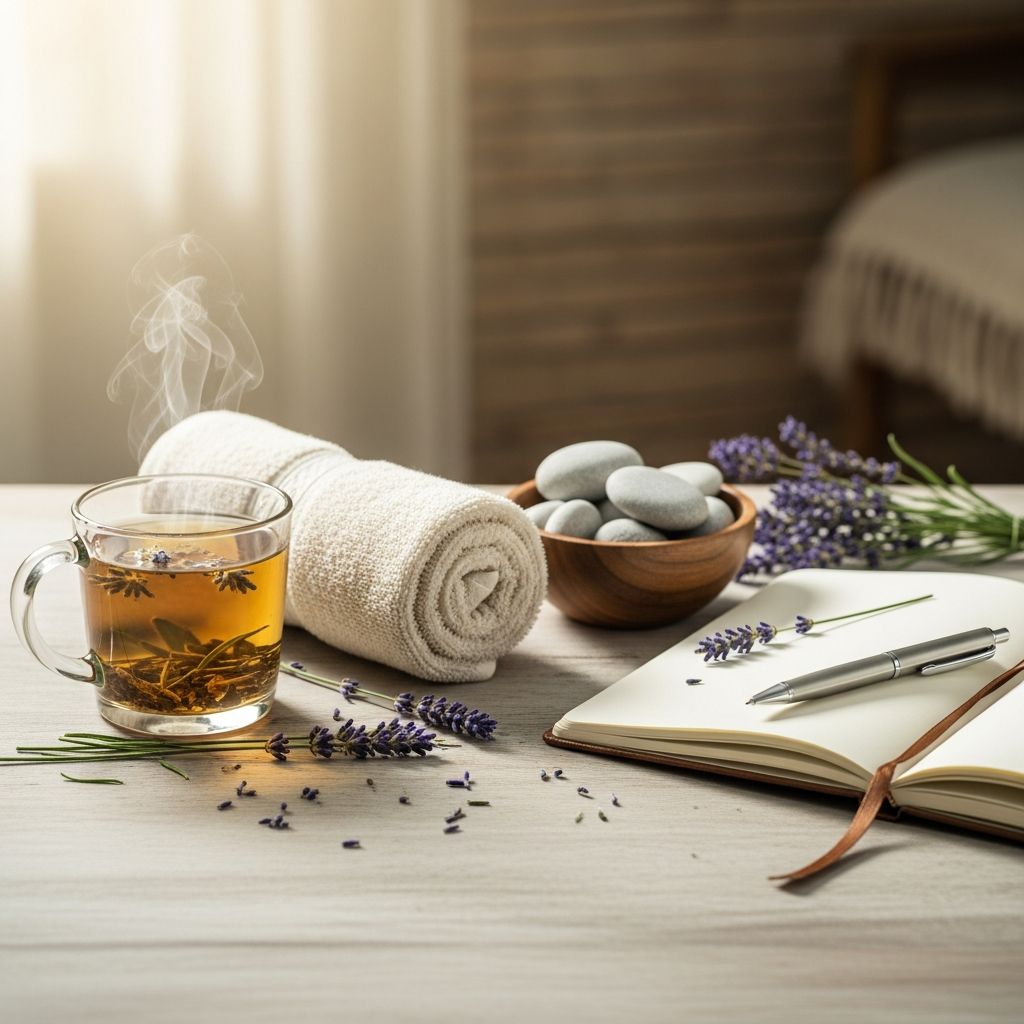
‘Self-care’ describes the actions, however small, people take to protect and improve their health and wellbeing. Self-care refers to activities and practices engaged in regularly to reduce stress, maintain, and enhance short- and long-term health. It is not about forcing unenjoyable tasks but refueling oneself to better handle daily challenges, support others, and recover from setbacks.
For those with low self-esteem, anxiety, depression, long-term health conditions, or poor work-life balance, self-care is essential. Dr Knut Schroeder, GP and founder of Expert Self Care, notes that in long-term conditions, it includes actions between appointments like staying active, eating healthily, and maintaining social relationships to improve wellbeing. The National Institute of Mental Health (NIMH) emphasizes that self-care supports mental health maintenance and aids treatment recovery for mental illnesses, encompassing emotional, psychological, and social wellbeing.
Why does self-care matter?
Regular self-care reduces anxiety and depression, lowers stress, increases happiness, and builds resilience to changes. It equips individuals to manage crises, support others with mental health challenges, and foster strong relationships. Studies show social support from self-care practices combats depression and reduces dementia risk, while poor sleep or isolation worsens outcomes.
Mental Health First Aid highlights that 64% of Americans engage in self-care but many want more, underscoring its role in overall wellness across emotional, spiritual, intellectual, physical, environmental, financial, occupational, and social dimensions. Practicing gratitude, positivity, and boundaries through self-care enhances energy, manages stress, and lowers illness risk.
How to create a self-care plan
Start with a personalized plan. Set goals like caring for physical/psychological health, reducing stress, recognizing emotional/spiritual needs, sustaining relationships, and achieving life balance. Consider SAMHSA’s eight dimensions of wellness to ensure balanced activities.
- Set self-care goals: Prioritize health, stress management, emotional needs, relationships, and balance.
- Dimensions of wellness: Emotional, spiritual, intellectual, physical, environmental, financial, occupational, social.
- Choose strategies: Select enjoyable activities that refuel you.
- Define a ‘No List’: Avoid stressors like late-night emails.
- Schedule and track: Make time non-negotiable and review progress.
- Encourage others: Share practices with friends/family.
Be mindful
Mindfulness keeps you centred by absorbing your surroundings and returning to yourself as an anchor. Set aside five minutes daily: focus on breath, then senses—what you hear, feel, smell, see. Mornings aid focus for the day; evenings improve sleep.
If switching off is hard, persist with resonant elements like music. Use guided breathing exercises, meditation apps, or classes. NIMH recommends practicing gratitude daily—list specifics to shift focus positively.
Try yoga
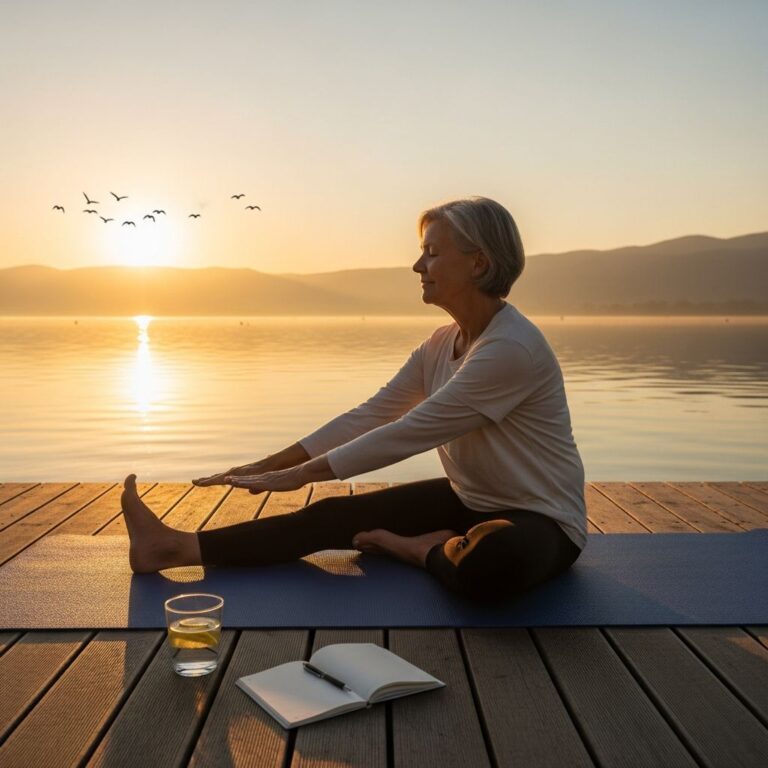
Yoga combines movement, breath, and mindfulness to reduce stress and enhance mental clarity. It promotes physical activity, a key self-care pillar, alongside healthy eating and social ties. Beginners can start with short online sessions focusing on gentle poses and breathing to build flexibility and calm. Regular practice supports emotional regulation and overall wellness.
Fresh air
Spending time outdoors boosts vitamin D, mood, and energy. Walks in nature reduce stress, improve brain function, and combat isolation. Even short strolls recharge, aligning with environmental wellness. Combine with mindfulness for amplified benefits.
Related Stories



Stock up on vitamin D
Vitamin D deficiency links to low mood and fatigue. Get sunlight exposure safely, eat fortified foods or fatty fish, and consider supplements if advised by a doctor. This supports physical health, crucial for mental wellbeing.
Get some rest
Adults need 7-9 hours of sleep nightly for mood regulation, brain function, and energy. Anxiety disrupts sleep; use controlled breathing, avoid phones 30 minutes pre-bed, and relax with meditation. Wake earlier for stress-free mornings: nutritious breakfasts, task lists. NIMH stresses sleep as core self-care.
Trust your gut
Intuition guides self-care. Reframe negative thoughts: focus on gratitude, pride, and break goals into tasks. Challenge unhelpful patterns to foster positivity.
Check out self-care apps
Apps offer guided meditation, breathing, mood tracking, and reminders. They make self-care accessible, supporting routines across wellness dimensions.
Ask for help
Social support is fundamental: strong networks reduce stress and improve health. Talk to family/friends; if needed, seek CBT, psychotherapy, or professionals. Stay connected for emotional/practical aid. Mental Health First Aid trains crisis response.
Keep it up
Make self-care non-negotiable: medication, tidying, window-opening—small acts count. Schedule ‘me time’ for sustainability. Track progress, adjust, and encourage others. Consistent habits yield lasting benefits.
Self-care for specific challenges
Anxiety/Depression: Mindfulness, exercise, socialising, therapy.
Stress: Boundaries, ‘No List’, rest, nature.
Long-term conditions: Activity, diet, relationships between appointments.
| Challenge | Self-Care Strategies |
|---|---|
| Anxiety | Mindfulness, breathing, boundaries |
| Depression | Social support, exercise, gratitude |
| Stress | Sleep, fresh air, ‘No List’ |
| Insomnia | 7-9 hours, no screens, meditation |
Frequently Asked Questions (FAQs)
What is self-care?
Actions to maintain health and wellbeing, reducing stress and enhancing life balance.
Why is self-care important for mental health?
It lowers anxiety/depression, boosts resilience, and supports recovery.
How do I start a self-care routine?
Set goals, choose enjoyable strategies across wellness dimensions, schedule time.
Can self-care help with anxiety?
Yes, via mindfulness, rest, boundaries, and social support.
How much sleep is needed for self-care?
7-9 hours for adults to regulate mood and energy.
Should I use apps for self-care?
Yes, for guided practices and tracking.
When to seek professional help?
If self-care isn’t enough; try CBT or therapy.
Self-care builds sustainable habits for lifelong mental health. Integrate tips daily for profound impact.
References
- How and why to practice self-care — Mental Health First Aid. 2023. https://mentalhealthfirstaid.org/news/how-and-why-to-practice-self-care/
- What is self-care — Patient.info. 2024-01-13. https://patient.info/features/mental-health/what-is-self-care
- Self-Care Includes Mental Health Care — Merit Health River Region/NIMH-influenced. 2023. https://www.merithealthriverregion.com/health-library/382
- Caring for Your Mental Health — National Institute of Mental Health (NIMH). 2024-10-01. https://www.nimh.nih.gov/health/topics/caring-for-your-mental-health
- Acute Stress Reaction — Patient.info. 2024. https://patient.info/mental-health/stress-management/acute-stress-reaction
Similar Articles








Read full bio of medha deb