What is Serotonin Syndrome and What Causes It?
Understand serotonin syndrome: causes, symptoms, risks, and life-saving treatments for this drug-induced condition.
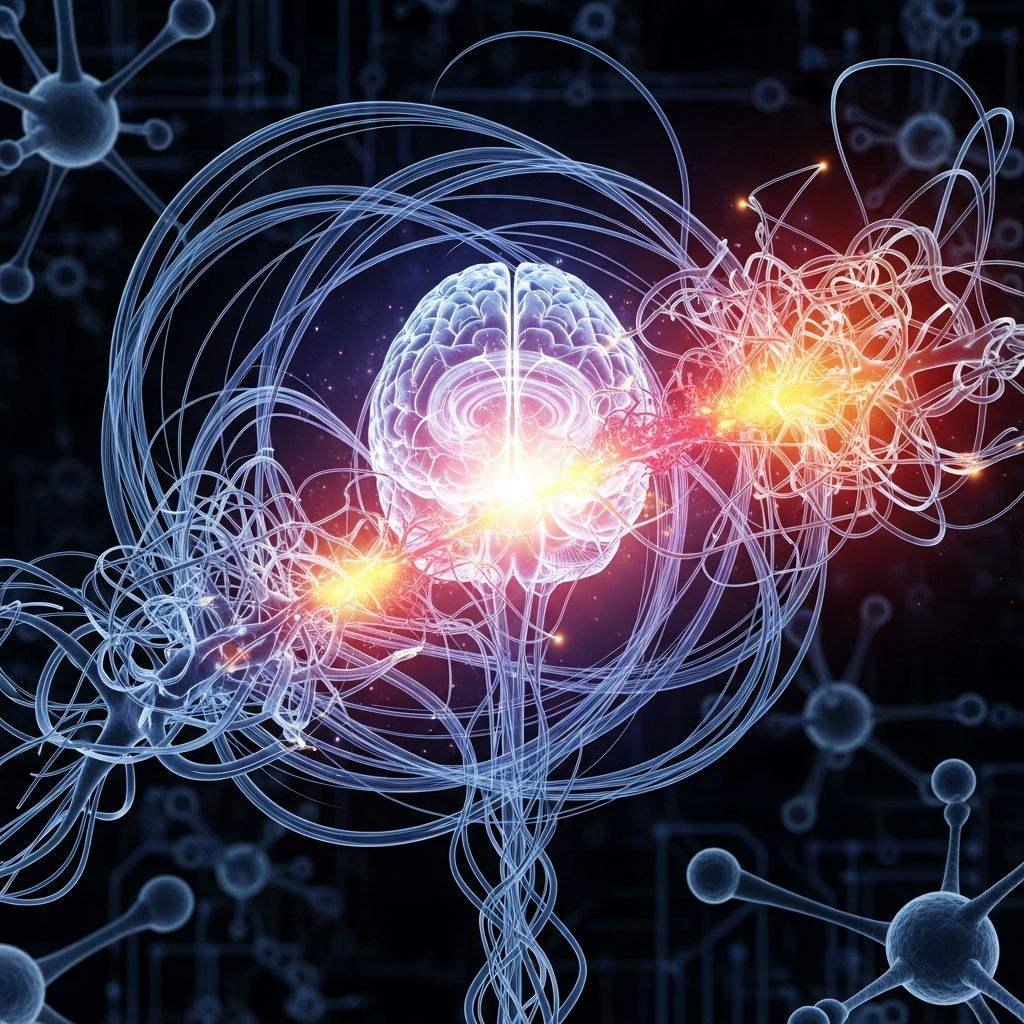
Serotonin syndrome, also known as serotonin toxicity, is a potentially life-threatening condition caused by excessive serotonin levels in the central and peripheral nervous systems, typically triggered by medications or drug combinations that boost serotonergic activity.
What is serotonin?
Serotonin, or 5-hydroxytryptamine (5-HT), is a neurotransmitter that plays a crucial role in regulating mood, appetite, sleep, digestion, and other bodily functions. It acts on various serotonin receptors, including 5-HT1A and 5-HT2A, which are implicated in serotonin syndrome when overstimulated.
While serotonin is essential for mental health—often targeted by antidepressants to alleviate depression—excess levels can lead to toxicity. This imbalance disrupts normal neural signaling, causing a toxidrome characterized by autonomic dysfunction, neuromuscular excitation, and altered mental status.
What is serotonin syndrome?
Serotonin syndrome manifests as a triad of symptoms: autonomic instability (e.g., rapid heart rate, fever), neuromuscular abnormalities (e.g., tremors, hyperreflexia), and mental status changes (e.g., confusion, agitation). It usually develops within hours of starting or increasing a serotonergic drug or combining multiple agents.
The condition ranges from mild (shivering, diarrhea) to severe (seizures, hyperthermia >41°C, coma), with severe cases potentially fatal if untreated. Incidence has risen with increased use of serotonergic agents like SSRIs.
Symptoms of serotonin syndrome
Symptoms typically appear 6-24 hours after a triggering event and can escalate rapidly. Severity is classified as mild, moderate, or severe based on Hunter Criteria or clinical presentation.
- Mild: Anxiety, restlessness, tremor, diarrhea, nausea, dilated pupils, shivering, diaphoresis.
- Moderate: Confusion, agitation, hyperreflexia, clonus (especially lower extremities), tachycardia, hypertension, mild hyperthermia (<40°C), mydriasis.
- Severe: High fever (>41°C), muscle rigidity, seizures, coma, disseminated intravascular coagulation (DIC).
Other signs include headache, vomiting, rapid heart rate, loss of muscle coordination, and goosebumps. Early recognition is critical, as symptoms mimic other conditions like neuroleptic malignant syndrome (NMS).
Serotonin syndrome causes
The primary cause is excessive serotonergic activity from medications that increase serotonin synthesis, release, inhibit reuptake, or directly stimulate receptors. Common mechanisms include:
- Increased serotonin production/release.
- Decreased metabolism or reuptake (e.g., via SERT inhibition).
- Drug interactions enhancing serotonin levels.
It often results from polypharmacy: combining two or more serotonergic agents, dose increases, or starting a new drug.
Medications that cause serotonin syndrome
Numerous drugs across classes can precipitate serotonin syndrome. Key culprits include:
| Drug Class | Examples |
|---|---|
| Antidepressants (SSRIs) | Fluoxetine (Prozac), Sertraline (Zoloft), Paroxetine (Paxil), Citalopram (Celexa) |
| SNRIs | Venlafaxine (Effexor), Duloxetine (Cymbalta) |
| MAOIs | Phenelzine (Nardil), Tranylcypromine (Parnate), Linezolid (Zyvox) |
| Triptans (migraine) | Sumatriptan (Imitrex), Rizatriptan (Maxalt) |
| Opioids | Tramadol, Meperidine (Demerol), Methadone, Fentanyl |
| Others | MDMA (ecstasy), St. John’s Wort, Dextromethorphan (cough meds), Lithium |
SSRIs are the most common due to widespread use for depression. MAOIs pose highest risk when combined with others.
Risk factors
- Polypharmacy: Multiple serotonergic drugs.
- Dose changes: Recent increase or new prescription.
- Genetic factors: Poor CYP2D6 metabolizers.
- Recreational drugs: Cocaine, amphetamines, ecstasy.
- Over-the-counter supplements: Tryptophan, Syrian rue.
How is serotonin syndrome diagnosed?
Diagnosis relies on clinical history, symptoms, and exclusion of mimics (e.g., NMS, anticholinergic toxicity). Key tools:
Related Stories



- Hunter Serotonin Toxicity Criteria: Requires serotonergic agent exposure plus ≥4 of: spontaneous clonus, inducible clonus + agitation/diaphoretic, ocular clonus, tremor + hyperreflexia, hypertonia, temperature >38°C + ocular/inducible clonus.
- Sternbach Criteria: Serotonergic exposure + ≥3 symptoms (agitation, diaphoresis, tremor, hyperreflexia, myoclonus, hyperthermia, etc.).
No specific lab test exists; supportive tests include electrolytes, CK, renal function, tox screen. Vital signs monitoring confirms autonomic instability.
Treating serotonin syndrome
Treatment hinges on severity: discontinue offending agents immediately (most improve within 24 hours).
- Mild: Observation, hydration, benzodiazepines (e.g., lorazepam) for agitation/tremors. Monitor 12-24 hours.
- Moderate/Severe: Hospitalization, IV fluids, cooling, benzos for seizures/rigidity. Cyproheptadine (serotonin antagonist, 12mg initial then 2mg q2h up to 32mg/day). Intubation/paralysis for hyperthermia/rigidity.
Supportive care: airway protection, vital sign stabilization. Avoid physical restraints.
Preventing serotonin syndrome
- Review medication history before prescribing serotonergics.
- Warn patients about risks of OTC combos (e.g., dextromethorphan + SSRI).
- Use lowest effective doses; taper slowly.
- Educate on symptoms; seek immediate care for new agitation post-med change.
Frequently Asked Questions (FAQs)
Can serotonin syndrome be fatal?
Yes, untreated severe cases can lead to rhabdomyolysis, DIC, or death, but most resolve with prompt treatment.
How long does serotonin syndrome last?
Mild cases resolve in 24-72 hours after stopping the drug; severe may take longer depending on half-life.
Is serotonin syndrome common?
Rare, but incidence rises with serotonergic polypharmacy; often underdiagnosed.
Can supplements cause serotonin syndrome?
Yes, St. John’s Wort, 5-HTP, or tryptophan with antidepressants.
What if I think I have serotonin syndrome?
Stop suspect meds, seek emergency care immediately.
References
- Serotonin Syndrome: Causes, Symptoms, and Treatment — WebMD. 2023. https://www.webmd.com/brain/serotonin-syndrome-causes-symptoms-treatments
- Serotonin Syndrome: Pathophysiology, Clinical Features — PMC (NCBI). 2019-09-30. https://pmc.ncbi.nlm.nih.gov/articles/PMC6734608/
- Serotonin syndrome: Preventing, recognizing, and treating it — Cleveland Clinic Journal of Medicine. 2016-11. https://www.ccjm.org/content/83/11/810
- Prevention, Diagnosis, and Management of Serotonin Syndrome — American Academy of Family Physicians (AAFP). 2010-05-01. https://www.aafp.org/pubs/afp/issues/2010/0501/p1139.html
- Serotonin syndrome — MedlinePlus (NIH). Accessed 2026. https://medlineplus.gov/ency/article/007272.htm
- How to Spot and Prevent Serotonin Syndrome — Cedars-Sinai. Accessed 2026. https://www.cedars-sinai.org/stories-and-insights/healthy-living/how-to-spot-and-prevent-serotonin-syndrome
Similar Articles








Read full bio of medha deb