Social Anxiety: Symptoms, Causes, And Treatment Guide
Understand social anxiety disorder: symptoms, causes, effects on life, and proven strategies for overcoming fear in social situations.
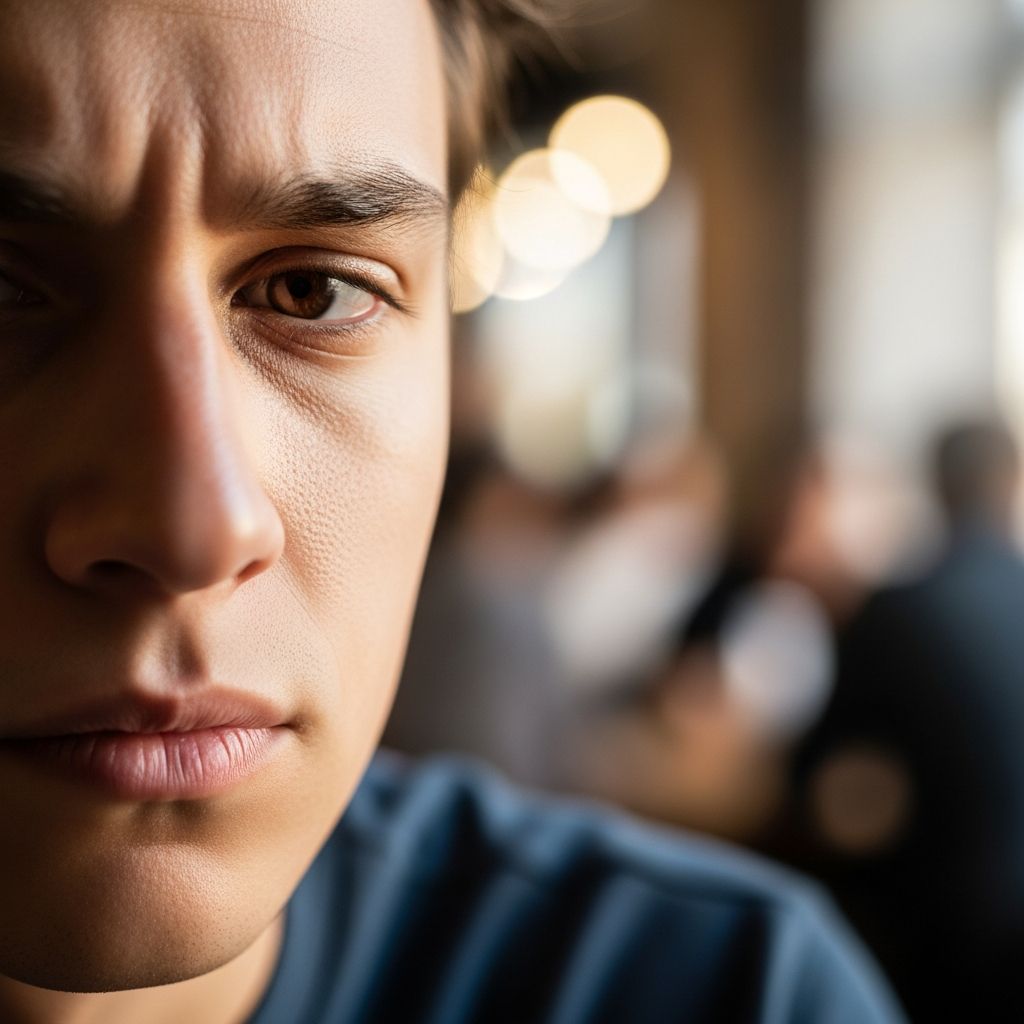
Social anxiety disorder, also known as social phobia, is a common mental health condition characterized by intense fear or anxiety in social situations where individuals worry about being judged, embarrassed, or scrutinized by others. This fear often leads to avoidance behaviors that can significantly disrupt daily life, relationships, work, and education.
Is social anxiety a mental illness?
Yes, social anxiety disorder is classified as a mental illness by health professionals, distinct from everyday shyness or introversion. It involves persistent, excessive fear that interferes with quality of life, affecting relationships, friendships, dating, and professional performance through avoidance of social interactions. Unlike shyness, which is a personality trait, social anxiety triggers overwhelming emotional responses like fear of humiliation, often resolvable through psychological therapy.
How common is social anxiety?
Social anxiety disorder is one of the most prevalent anxiety disorders, affecting millions worldwide. It typically begins in adolescence but can occur at any age, with symptoms fluctuating over time and worsening during periods of stress or life changes. Without treatment, it may lead to associated conditions like depression later in life.
What are the symptoms of social anxiety?
Symptoms of social anxiety are divided into mental/emotional, behavioral, and physical categories, often building weeks before a social event and peaking during it.
Mental and emotional symptoms
- Marked fear or dread of social situations where judgment is possible.
- Excessive worrying about social interactions and what others might think.
- Intense fear of embarrassing or humiliating oneself, appearing stupid, inadequate, or foolish.
- Anticipatory anxiety for weeks prior to events.
- Overthinking past interactions, analyzing for flaws, and fearing negative evaluation.
- Low self-esteem and confidence in social skills.
- Expecting the worst outcomes from social encounters.
Behavioral symptoms
- Avoiding social situations, strangers, or activities like public speaking, eating/drinking in public, or attending gatherings.
- Enduring situations with extreme distress.
- Avoidance of being the center of attention or interacting with unfamiliar people.
Physical symptoms
- Excessive sweating, blushing, trembling, or shaky voice.
- Increased heart rate or palpitations.
- Upset stomach, nausea, or clumsiness.
- Panic attacks in severe cases, with shortness of breath or dizziness.
These symptoms must persist for at least six months and impair daily functioning for a formal diagnosis.
Is it shyness, introversion, or social anxiety?
Shyness and introversion differ from social anxiety in intensity and impact. Shyness involves mild discomfort in social settings without significant interference. Introverts prefer solitude and may enjoy social gatherings without distress. Social anxiety, however, causes extreme physical and emotional reactions—like sweating at the mention of a party—disrupting life and requiring intervention.
Related Stories



| Aspect | Shyness | Introversion | Social Anxiety Disorder |
|---|---|---|---|
| Fear Level | Mild discomfort | Preference for alone time | Intense, overwhelming fear |
| Impact on Life | Minimal | Does not impair functioning | Disrupts work, relationships, daily activities |
| Physical Symptoms | Rare | None | Sweating, blushing, heart racing, panic |
| Duration | Situational | Trait | Persistent >6 months |
What causes social anxiety?
The exact causes are multifaceted, involving genetic, biological, environmental, and psychological factors. A combination of inherited temperament (e.g., behavioral inhibition in childhood), negative social experiences like bullying or rejection, and family history of anxiety disorders contribute. Brain structure differences, such as overactivity in fear-processing areas like the amygdala, also play a role. Stressful life events can trigger or exacerbate symptoms.
How does social anxiety affect your life?
Social anxiety profoundly impacts multiple life domains:
- Relationships: Difficulty forming or maintaining friendships, romantic partnerships due to avoidance.
- Career/Education: Underperformance in interviews, presentations, or team settings; school avoidance in youth.
- Daily Activities: Fear of routine tasks like shopping, ordering food, or using public restrooms.
- Mental Health: Increased risk of depression, substance use, or isolation; children may have outbursts or physical complaints.
- Long-term: Chronic avoidance reinforces anxiety, leading to a cycle of impairment without treatment.
How is social anxiety diagnosed?
Diagnosis involves a mental health professional assessing symptoms via clinical interviews, ruling out other conditions like panic disorder or autism. Criteria include persistent fear in social situations lasting over six months, recognition of excessive fear, and significant life interference. No lab tests exist; self-reported journals can aid evaluation.
What is the treatment for social anxiety?
Treatment is highly effective, combining psychotherapy, medication, and self-help strategies. Early intervention prevents chronicity.
Psychotherapy
Cognitive Behavioral Therapy (CBT) is first-line, helping reframe negative thoughts, face feared situations gradually (exposure therapy), and build social skills. Acceptance and Commitment Therapy (ACT) promotes mindfulness and value-driven actions. Sessions typically last 12-16 weeks.
Medications
- Selective Serotonin Reuptake Inhibitors (SSRIs) like sertraline or paroxetine as first choice.
- Beta-blockers for performance anxiety (e.g., public speaking).
- Benzodiazepines short-term for acute symptoms, with caution for dependency.
Medications often pair with therapy for best outcomes.
Lifestyle and self-help strategies
- Challenge negative thoughts: Question fears using evidence (e.g., “Has this happened before?”)
- Gradual exposure: Start small, like smiling at strangers, building to parties.
- Spotlight effect awareness: Realize others focus less on you than perceived.
- Preparation: Plan conversation topics; practice relaxation (deep breathing).
- Control room technique: Relax facial muscles to mask anxiety.
- Journaling: Track triggers and successes; prioritize enjoyable activities.
- Lifestyle: Exercise, sleep, limit caffeine/alcohol; mindfulness apps.
What is the outlook for social anxiety disorder?
With treatment, most experience significant improvement or full remission. Untreated, it persists chronically, risking depression or isolation. Prognosis improves with early help, consistent therapy adherence, and support networks.
Frequently Asked Questions (FAQs)
Q: Can social anxiety be cured completely?
A: While not always ‘cured,’ symptoms can be managed effectively long-term with therapy and strategies, allowing normal functioning for most.
Q: Does social anxiety get worse with age?
A: It can persist or worsen without treatment but often improves with intervention; stress exacerbates flares.
Q: Is medication necessary for social anxiety?
A: Not always; CBT alone works for many, but meds help severe cases or when combined with therapy.
Q: How can I help someone with social anxiety?
A: Encourage gently without pressure, offer to accompany to events, suggest professional help, avoid judgment.
Q: Can children have social anxiety?
A: Yes, showing as school refusal, tantrums, or physical complaints; early treatment is key.
References
- Social Anxiety Disorder: Causes, Symptoms, and Treatment — Patient.info. 2023. https://patient.info/mental-health/anxiety/social-anxiety-disorder
- How to spot the symptoms of social anxiety — Patient.info. 2023. https://patient.info/features/mental-health/what-is-social-anxiety
- Social anxiety disorder (social phobia) – Symptoms and causes — Mayo Clinic. 2024-06-10. https://www.mayoclinic.org/diseases-conditions/social-anxiety-disorder/symptoms-causes/syc-20353561
- Social Anxiety Self-Help Resources — Centre for Clinical Interventions, WA Health. 2023. https://www.cci.health.wa.gov.au/resources/looking-after-yourself/social-anxiety
- Social Anxiety Disorder: More Than Just Shyness — National Institute of Mental Health (NIMH). 2023-11-07. https://www.nimh.nih.gov/health/publications/social-anxiety-disorder-more-than-just-shyness
Similar Articles








Read full bio of Sneha Tete