What Is a Teeth Retainer? Complete Guide
Complete guide to teeth retainers: types, care, benefits, and long-term maintenance.
What Is a Teeth Retainer?
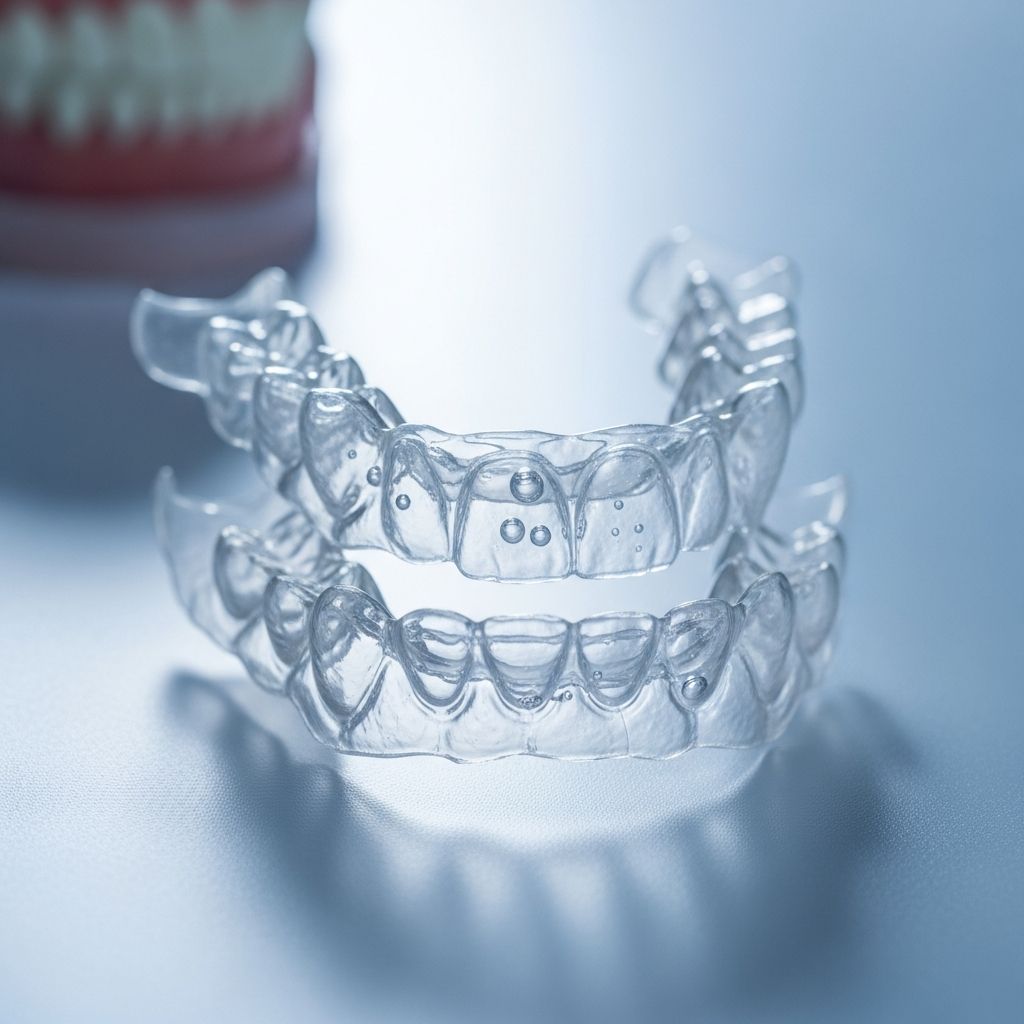
A teeth retainer is a custom-made orthodontic appliance designed to maintain the alignment of your teeth after orthodontic treatment, such as braces or clear aligners. Once your orthodontist removes your braces, your teeth are not yet permanently settled in their new position. The bones, gums, and muscles surrounding your teeth need time to adapt to these changes. A retainer holds your teeth in their corrected positions while these biological structures stabilize, preventing unwanted shifting and relapse.
Retainers are an essential component of post-orthodontic care and represent a long-term commitment to preserving your investment in a straighter, healthier smile. Your orthodontist will recommend the type of retainer best suited to your specific needs based on your treatment goals and dental anatomy.
Why You Need a Retainer After Braces
After braces are removed, many patients believe their orthodontic journey is complete. However, this is when the retention phase begins—arguably the most critical period for ensuring lasting results. Without a retainer, teeth naturally tend to shift back toward their original positions, a phenomenon known as relapse.
Several factors contribute to tooth movement after braces:
- Incomplete bone remodeling: The bone surrounding tooth roots needs several months to fully remodel and stabilize in new positions.
- Natural aging: Teeth can shift over time due to age-related changes in jaw structure and gum tissue.
- Muscle memory: The muscles and tissues in your mouth retain a “memory” of the original tooth positions.
- Grinding and clenching: Parafunctional habits like bruxism (teeth grinding) can cause significant tooth movement.
- Tongue pressure: Constant pressure from your tongue can gradually shift teeth over months or years.
Wearing your retainer as directed by your orthodontist counteracts these forces and maintains the alignment achieved during your active treatment phase.
Types of Retainers
Your orthodontist may recommend one or more types of retainers depending on your specific situation. Understanding the differences between retainer types helps you make informed decisions about your post-orthodontic care.
Fixed (Bonded) Retainers
Fixed retainers, also called lingual retainers, consist of a thin wire bonded permanently to the back surface of your front teeth using dental adhesive. This type of retainer is virtually invisible from the front and offers several advantages.
Advantages of fixed retainers:
- Continuous retention without relying on patient compliance
- Invisible appearance—no one can see you’re wearing a retainer
- No daily insertion or removal required
- Highly effective at preventing tooth movement
- Ideal for patients with severe crowding or bite problems
Disadvantages and considerations:
- Requires specialized flossing techniques with a floss threader
- More challenging to clean around, increasing plaque buildup risk
- May eventually bond failure requiring rebonding
- Difficult to repair if the wire breaks
- Not suitable for patients with poor oral hygiene habits
Removable Retainers
Removable retainers come in several styles, each with distinct characteristics and maintenance requirements.
Clear Plastic Retainers (Essix/Vivera Retainers)
These retainers resemble clear aligners and are made from transparent thermoplastic material. They cover all surfaces of your teeth and are custom-fitted to your dental anatomy.
Benefits:
- Nearly invisible aesthetic appearance
- Comfortable and easy to wear
- Simple to clean with regular brushing
- Relatively affordable compared to other options
- Effective for mild to moderate retention needs
Related Stories



Limitations:
- Prone to cracking or splitting with age
- Can accumulate stains and discoloration over time
- May become cloudy with extended use
- Shorter lifespan than other retainer types
Hawley Retainers
Hawley retainers feature a metal wire framework combined with an acrylic base molded to fit the roof of your mouth or floor of your mouth. They have been used in orthodontics for decades and remain a popular choice.
Advantages:
- Durable and long-lasting with proper care
- Can be adjusted if teeth shift slightly
- Economical option
- Less prone to damage than plastic retainers
Disadvantages:
- Visible metal wire may be noticeable when speaking or smiling
- Requires daily cleaning to remove food particles
- Less comfortable initially compared to clear retainers
- Can occasionally cause slight speech impediment
How Retainers Are Made
The manufacturing process differs depending on which type of retainer you choose.
Process for Removable Retainers
Your orthodontist takes impressions or digital scans of your teeth after braces removal. These records are sent to a dental laboratory where technicians create a custom-fitted retainer. The process typically involves:
- Taking detailed impressions or 3D digital scans of your teeth
- Creating a model from the impressions
- Fabricating the retainer in the laboratory using appropriate materials
- Quality control checks to ensure proper fit and retention
- Delivery to your orthodontist’s office for fitting
This process usually takes one to two weeks from impression to final delivery.
Process for Fixed Retainers
Fixed retainers are created and placed during a single appointment. Your orthodontist measures and cuts a thin wire to fit across the back of your front teeth, then bonds it in place using dental adhesive. While this process takes longer during your appointment, you leave the office with your retainer already in place—no waiting for laboratory fabrication.
Retainer Wear Schedule: The Timeline
Following your orthodontist’s recommended wear schedule is critical for preventing tooth relapse. The timeline typically follows this progression:
Initial Phase (First 4-6 Months)
During this critical period, your teeth are most vulnerable to shifting. Full-time wear is essential, meaning you should wear your retainer constantly except when eating or cleaning your teeth. This continuous wear allows the tissues surrounding your teeth to stabilize in their new positions.
Transition Phase (6 Months to 1 Year)
After your orthodontist confirms that your teeth have stabilized, you can transition to nighttime-only wear. This gradual reduction maintains retention while allowing you greater flexibility in your daily routine. Regular check-ins with your orthodontist during this phase confirm your teeth are remaining stable.
Long-Term Phase (After 1 Year)
Once your teeth are fully stable, most patients continue wearing their retainer every night for life. This ongoing nighttime wear prevents the subtle tooth movement that naturally occurs over years or decades. Some patients may transition to wearing their retainer several nights per week after consultation with their orthodontist, though nightly wear provides optimal retention.
Remember that skipping multiple nights of retainer wear can allow noticeable tooth movement, potentially undoing months of orthodontic progress. Consistency is key to maintaining your smile indefinitely.
How to Care for Your Retainer
Proper retainer care extends its lifespan and maintains its effectiveness. Different retainer types require slightly different care approaches.
Daily Cleaning for All Retainer Types
- Rinse your retainer with lukewarm water daily
- Use a soft-bristled toothbrush to gently brush your retainer
- Use gentle, non-abrasive cleaners—avoid toothpaste which can scratch the surface
- Never use boiling water, bleach, or harsh chemicals
- Brush and floss your teeth thoroughly before inserting your retainer
Weekly Deep Cleaning
Once or twice weekly, soak your removable retainer in a cleaning solution. Mix equal parts white vinegar and water, or use a specialized retainer cleaner solution. Soak for 15 to 20 minutes, then rinse thoroughly with lukewarm water. This process removes accumulated bacteria, eliminates odors, and prevents yellowing and discoloration.
Specialized Care for Fixed Retainers
Fixed retainers require diligent daily cleaning to prevent plaque and tartar accumulation. Use a floss threader to carefully clean between the wire and your teeth. Brush gently around the bonded areas to prevent the adhesive from loosening. Avoid hard, sticky foods that could potentially dislodge the wire.
Storage and Protection
- Store your removable retainer in a protective case when not wearing it
- Keep your retainer away from heat, direct sunlight, and extreme temperatures
- Avoid leaving your retainer in hot cars or near heat sources
- Never wrap your retainer in tissue or napkins—it’s easily thrown away accidentally
- Keep your retainer away from pets that might chew on it
What to Expect When Wearing Your Retainer
Your retainer may require an adjustment period as your mouth adapts to this new appliance.
Initial Discomfort
Most patients experience mild soreness or pressure during the first few days of retainer wear. This discomfort is normal and typically subsides within a week as your teeth, muscles, and tissues adjust. Ask your provider about expected discomfort duration and severity.
Speech Changes
Some retainers, particularly Hawley retainers or full fixed retainers, may temporarily affect your speech. You may notice slight lisping or difficulty with certain sounds. This typically improves dramatically within a few days to a week as your tongue adapts to the retainer’s presence.
Saliva Production
Your mouth may produce excess saliva initially as a response to the new appliance. This typically normalizes within several days.
Signs of Problems
If you experience persistent pain beyond the first week, significant difficulty eating or speaking, or feel that your retainer doesn’t fit properly, contact your orthodontist. These issues may indicate the need for adjustments or replacement.
Retainer Maintenance and Adjustments
Regular monitoring ensures your retainer continues fitting properly and functioning effectively.
Fit Checks
If your retainer feels tight after skipping several nights of wear, your teeth have begun to shift. This is a sign to resume full-time wear until the retainer fits comfortably again. Regular fit checks with your orthodontist catch minor issues before they become significant problems.
Professional Adjustments
Minor bends or looseness in your retainer can usually be corrected during a single office visit. Your orthodontist can adjust the wire or refit removable retainers to ensure optimal retention and comfort.
Repairs and Replacement
Lost or broken retainers should be addressed promptly to prevent rapid tooth relapse. Contact your orthodontist immediately to discuss repair or replacement options. Fixed retainer wires that break or bonds that fail require rebonding to maintain retention effectiveness.
Cost Considerations
Retainer costs vary depending on the type selected and your geographic location. Most dental insurance plans cover at least a portion of retainer costs, particularly immediately following orthodontic treatment. Clear plastic retainers typically cost less than Hawley retainers, while fixed retainers involve higher initial investment but eliminate replacement costs if properly maintained. Ask your orthodontist about retainer replacement plans, as some practices offer lifetime or discounted replacement services.
Frequently Asked Questions
How long do retainers last?
Fixed retainers can last many years with proper care, though the bonding may eventually fail. Clear plastic retainers typically last one to three years before cracking or becoming cloudy. Hawley retainers are more durable and can last several years with appropriate maintenance. Regular professional checks help determine when replacement is needed.
Can I eat while wearing my retainer?
No, you should remove your retainer before eating. Food particles can become trapped between the retainer and your teeth, promoting bacterial growth and decay. Removable retainers should be taken out for all meals and snacks.
What happens if I don’t wear my retainer?
Without consistent retainer wear, your teeth will gradually shift back toward their original positions. Even short gaps in wear can result in noticeable movement. Your orthodontic progress could be largely undone within months or years of non-compliance.
Can I get a retainer without having had braces?
Retainers are specifically designed to maintain orthodontic results. If you haven’t had braces or clear aligners, a retainer wouldn’t be appropriate. However, if you’re considering orthodontic treatment, discuss retainer options with your orthodontist.
Is it normal for my retainer to feel tight after skipping wear?
Yes, tightness indicates that your teeth have shifted slightly. This is a signal to resume consistent wear. Return to full-time wear until the retainer fits comfortably, demonstrating that your teeth have restabilized.
Can I wear my retainer during sports or physical activity?
Removable retainers should be taken out during contact sports where they could be damaged or cause injury. Consult with your orthodontist about appropriate retainer management during athletic activities. Fixed retainers remain in place but shouldn’t be affected by sports.
The Long-Term Commitment
Understanding that retainer wear is a lifelong commitment is crucial. Your orthodontist invests significant time and resources straightening your teeth, but maintaining those results depends entirely on your compliance with the retainer wear schedule. Think of your retainer as a permanent part of your daily routine, similar to brushing your teeth or flossing.
Teeth naturally tend to shift throughout life due to aging, changes in jaw structure, and various habits. Consistent retainer wear counteracts these forces, preserving your investment in orthodontic treatment and maintaining your improved smile and bite for decades.
References
- Teeth Retainers: What They Are, How to Care for Them and More — Cleveland Clinic. 2024. https://my.clevelandclinic.org/health/treatments/10899-teeth-retainer
- Braces: Types & How They Work — Cleveland Clinic. 2024. https://my.clevelandclinic.org/health/treatments/24601-teeth-braces
- What Is Orthodontics? — Cleveland Clinic. 2024. https://my.clevelandclinic.org/health/treatments/24285-orthodontics
- Retainers After Braces: Proven Steps for Long-Term Results — Docs OK Ortho. 2024. https://docsokortho.com/wearing-retainers-after-braces/
- Avoid Common Mistakes with These Retainer Care Tips — Local Orthodontics. 2024. https://localorthodontics.com/retainer-care-tips/
Similar Articles








Read full bio of Sneha Tete