African Heritage Diet: 5 Health Benefits And How To Start
Discover the vibrant, healthful foods and traditions of the African Heritage Diet, rooted in African American ancestors' foodways for modern wellness.
The
African Heritage Diet
is a healthful eating pattern inspired by the traditional foodways of African American ancestors and the broader African Diaspora, encompassing Africa, the Caribbean, parts of South America, and the American South. Developed by Oldways in collaboration with culinary historians, nutritionists, and community leaders, this diet emphasizes nutrient-dense, flavorful whole foods like yams, okra, black-eyed peas, millet, seafood, and teff, while minimizing processed items, added sugars, and excessive red meats.Unlike restrictive fad diets, the African Heritage Diet celebrates cultural resilience and joy in eating, promoting physical, emotional, and spiritual well-being. It counters the nutritional transitions in African and Diaspora communities toward Western-style diets high in refined carbs and fats, which contribute to rising rates of obesity, diabetes, and heart disease. Research shows that even short-term adherence—such as two weeks—can reduce inflammation markers and improve metabolic health.
What Foods Are Included in the African Heritage Diet?
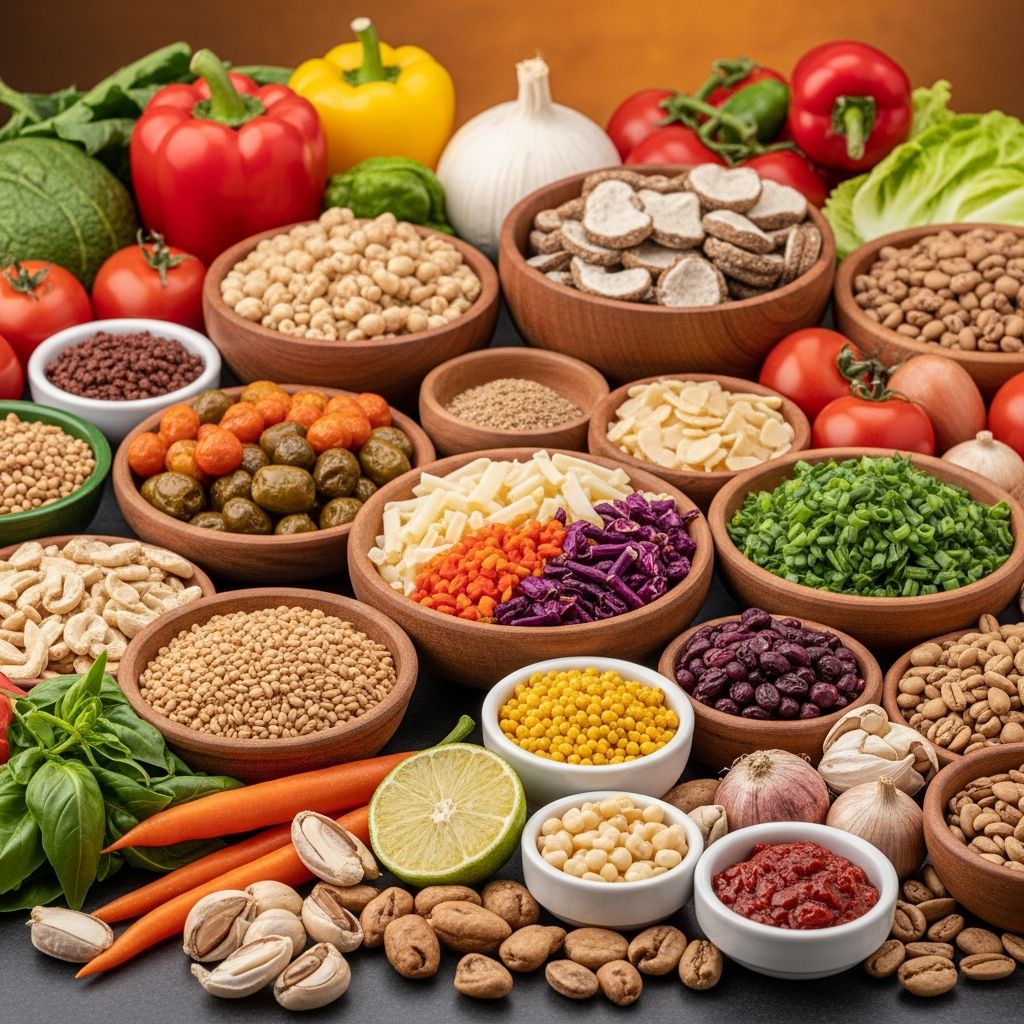
The diet draws from diverse regions, featuring staples that are affordable, seasonal, and versatile. Core foods include:
- Vegetables and greens: Okra, collard greens, callaloo, kale, eggplant, tomatoes, and peppers for vitamins, fiber, and antioxidants.
- Whole grains and tubers: Millet, sorghum, teff, fonio, yams, sweet potatoes, cassava, and plantains, providing sustained energy and gut health benefits.
- Legumes and nuts: Black-eyed peas, cowpeas, lentils, peanuts, and seeds, rich in plant protein and heart-healthy fats.
- Fruits: Berries, bananas, mangoes, papaya, and indigenous options like baobab for natural sweetness and micronutrients.
- Seafood and lean proteins: Fish like tilapia, shrimp, and mackerel; occasional poultry, eggs, and lean meats.
- Flavor enhancers: Spices (ginger, garlic, turmeric), herbs, and fermented foods like yogurt or mbege (banana-millet beverage).
These align with the
African Heritage Diet Pyramid
, where vegetables and fruits form the base, followed by whole grains, legumes, nuts, and seafood, with sweets and red meats at the tip. A scoping review confirms cereals (maize, millet, sorghum), pulses (cowpeas), vegetables, and fish as hallmarks of traditional African diets across >75% of studies.Health Benefits of the African Heritage Diet
Adopting this diet yields profound health advantages, supported by emerging research. A randomized study in Tanzania’s Kilimanjaro region found that switching healthy adults to a traditional African Heritage Diet (millet porridge, okra, beans, avocado) for two weeks significantly lowered inflammatory and metabolic plasma proteins, with benefits persisting four weeks post-intervention—even after returning to habitual eating. Urban participants on Western diets (white bread, sausage, fries) showed no such improvements, highlighting the diet’s anti-inflammatory power.
Key benefits include:
- Reduced inflammation and chronic disease risk: High fiber from whole grains and veggies lowers C-reactive protein and cardiometabolic markers.
- Heart health: Omega-3-rich seafood and nuts support cholesterol balance and blood pressure.
- Weight management and diabetes prevention: Low glycemic index foods stabilize blood sugar; legumes provide satiety.
- Gut and immune support: Fermented foods and diverse plants foster microbiome diversity.
- Mental and emotional wellness: Cultural foods enhance community bonds and reduce diet-related stress.
Traditional African diets (TrAfDi) are plant-forward, with low animal products, sugar, and salt, mirroring proven patterns like the Mediterranean diet but tailored to African contexts. Promoting TrAfDi could combat food insecurity, obesity, and NCDs amid dietary Westernization.
Related Stories



The African Heritage Diet Pyramid
Oldways’
African Heritage Diet Pyramid
visually guides daily intake, launched in 2011:| Level | Frequency | Examples |
|---|---|---|
| Base: Move & Play | Daily | Physical activity, community, music, dance |
| Vegetables & Fruits | Every Meal | Okra, collards, yams, mangoes, baobab |
| Whole Grains & Tubers | Daily | Millet, sorghum, teff, sweet potatoes |
| Legumes, Nuts, Seeds | Daily | Black-eyed peas, peanuts, sesame |
| Seafood & Healthy Fats | Weekly | Fish, avocado, olive oil |
| Poultry, Eggs, Dairy | Moderate | Yogurt, chicken, occasional cheese |
| Tip: Red Meat & Sweets | Sparingly | Lean cuts, fruit-based desserts |
This structure prioritizes biodiversity and seasonality, fostering sustainability.
How the African Heritage Diet Supports Cultural Pride and Community
Beyond nutrition, the diet reconnects people with ancestral roots, fostering pride amid historical erasure of African food legacies. Foods like mafe stew (peanut-based) or after-chop fruit salad embody resilience from enslavement to modern times. Programs like Oldways’ A Taste of African Heritage—a six-week curriculum with recipes and nutrition education—have reached communities nationwide since 2012, including kid-friendly versions with banana-millet porridge.
Weekly celebrations of heritage through meals strengthen family ties, echoing African communal dining traditions. This holistic approach addresses soul-deep wellness, countering disparities in African Diaspora health outcomes.
Sample 7-Day African Heritage Diet Meal Plan
Incorporate these ideas for easy adoption:
- Breakfast: Teff porridge with bananas and peanuts.
- Lunch: Okra stew with millet and greens.
- Dinner: Grilled fish with yam fries and cowpea salad.
- Snacks: Roasted plantains or baobab smoothie.
Adapt with local markets for freshness and affordability.
Frequently Asked Questions (FAQs)
What makes the African Heritage Diet different from other traditional diets?
It uniquely blends African, Caribbean, South American, and U.S. Southern influences, focusing on Diaspora staples like yams and greens, unlike the olive oil-heavy Mediterranean diet.
Is the African Heritage Diet suitable for vegetarians?
Yes, it’s highly plant-based; swap seafood for more legumes and nuts while retaining benefits.
How quickly can I see health improvements?
Studies show inflammation reductions in just 1-2 weeks.
Where can I find recipes?
Oldways offers free recipes like mafe stew; community classes expand options.
Does it help with weight loss?
Its fiber-rich, satisfying foods promote sustainable weight management without calorie counting.
Getting Started with the African Heritage Diet
Begin by stocking staples: millet, beans, greens, spices. Experiment with one heritage meal weekly, join cooking classes, or explore fermented drinks like mbege for gut health. Consult a doctor for personalized advice, especially with health conditions.
This diet isn’t just food—it’s a movement reclaiming vibrant health through ancestral wisdom.
References
- African Heritage Diet Can Improve Markers of Inflammation — Oldways. 2023. https://oldwayspt.org/blog/african-heritage-diet-can-improve-markers-of-inflammation/
- Starfish Blog: African Heritage and Health Week — Starfish Family Services. 2021-02. https://www.starfishfamilyservices.org/2021/02/starfish-blog-african-heritage-and-health-week/
- Definition of the traditional African diet: a scoping review — PMC (NCBI). 2024. https://pmc.ncbi.nlm.nih.gov/articles/PMC12465632/
- African Heritage Diet – Traditional African Diet, Food & Nutrition Info — Oldways. Accessed 2026. https://oldwayspt.org/explore-heritage-diets/african-heritage-diet/
Similar Articles








Read full bio of medha deb