What Is the Autoimmune Protocol Diet? Here’s What a Dietitian Has to Say
The autoimmune protocol (AIP) diet eliminates potentially inflammatory foods to help manage autoimmune conditions. A dietitian explains how it works, its benefits and what to eat.
The autoimmune protocol (AIP) diet is a specialized elimination diet designed to help manage autoimmune diseases by reducing inflammation and supporting gut health. It removes foods that may trigger immune responses while emphasizing nutrient-dense whole foods.
What Is the Autoimmune Protocol (AIP) Diet?
The autoimmune protocol diet, often called the AIP diet, is an elimination diet that targets foods thought to promote inflammation, particularly in people with autoimmune conditions. It’s essentially a stricter version of the paleo diet that removes additional foods that might irritate the gut lining or trigger immune responses.
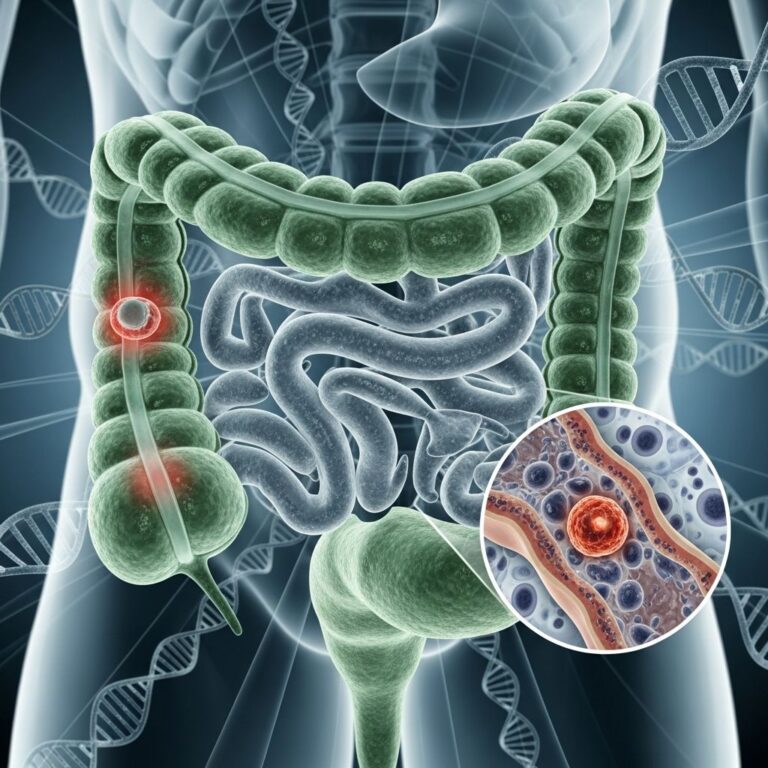
Autoimmune diseases occur when the immune system mistakenly attacks healthy tissues, leading to chronic inflammation. Common examples include rheumatoid arthritis, Hashimoto’s thyroiditis, inflammatory bowel disease (IBD), lupus, multiple sclerosis, and psoriasis. The AIP diet is based on the theory that certain foods contribute to “leaky gut” (increased intestinal permeability), allowing undigested food particles and toxins to enter the bloodstream and trigger autoimmune responses.
The diet has three phases:
- Elimination phase (4-8 weeks): Remove all potentially problematic foods to reduce inflammation and heal the gut.
- Reintroduction phase: Gradually reintroduce foods one at a time to identify personal triggers.
- Maintenance phase: Continue eating foods that don’t cause symptoms while avoiding personal triggers.
While popular in functional medicine circles, the AIP diet lacks large-scale clinical trials. Small studies show promise for symptom improvement, but more research is needed.
How Does the Autoimmune Protocol Diet Work?
The AIP diet works by eliminating foods that may damage the gut lining, promote inflammation, or disrupt the microbiome—factors believed to contribute to autoimmune disease progression. By removing these triggers and focusing on gut-healing foods, the diet aims to calm the overactive immune system.
Key mechanisms include:
- Gut healing: Removing irritants allows the intestinal lining to repair, potentially reducing leaky gut.
- Reduced inflammation: Eliminating inflammatory foods lowers systemic inflammation markers.
- Microbiome support: Emphasizing fermented foods and prebiotics promotes beneficial gut bacteria.
- Nutrient density: Focusing on whole foods provides vitamins and minerals essential for immune regulation.
The diet also incorporates lifestyle factors like stress management, sleep, and exercise, recognizing their role in immune health.
What Foods Are Eliminated on the Autoimmune Protocol Diet?
The AIP elimination phase is highly restrictive, removing entire food groups for 4-8 weeks. Common eliminated foods include:
- Grains: Wheat, rice, corn, oats, barley, rye, pseudograins (quinoa, buckwheat)
- Legumes: Beans, lentils, peanuts, soy, peas
- Nightshades: Tomatoes, potatoes, peppers, eggplant, goji berries, spices like paprika and cayenne
- Dairy: Milk, cheese, yogurt, butter (including ghee)
- Eggs: Chicken, duck, quail eggs (both whites and yolks)
- Nuts and seeds: Almonds, cashews, walnuts, chia, flax, sunflower seeds, cocoa, coffee
- Processed foods: Refined sugars, artificial sweeteners, food additives, emulsifiers
- Seed oils: Canola, sunflower, soybean, corn oil
- Alcohol and NSAIDs: Beer, wine, spirits; ibuprofen, aspirin
Related Stories



This strict elimination creates a “reset” period to reduce inflammation before careful reintroduction.
What Can You Eat on the Autoimmune Protocol Diet?
| Category | Allowed Foods |
|---|---|
| Vegetables | Leafy greens (kale, spinach, lettuce), broccoli, cauliflower, Brussels sprouts, carrots, beets, sweet potatoes, zucchini, asparagus, mushrooms (except nightshades) |
| Fruits | Berries, apples, pears, bananas, citrus, pineapple, avocado (2-3 servings/day) |
| Proteins | Grass-fed meats, wild-caught fish, pasture-raised poultry, organ meats, bone broth |
| Fats | Avocado oil, olive oil, coconut oil, animal fats (lard, tallow) |
| Fermented foods | Sauerkraut, kimchi, kombucha, coconut yogurt (dairy-free) |
| Sweeteners | Honey, maple syrup, coconut sugar (minimal use) |
| Herbs/spices | Turmeric, ginger, garlic, basil, rosemary, thyme (non-nightshade) |
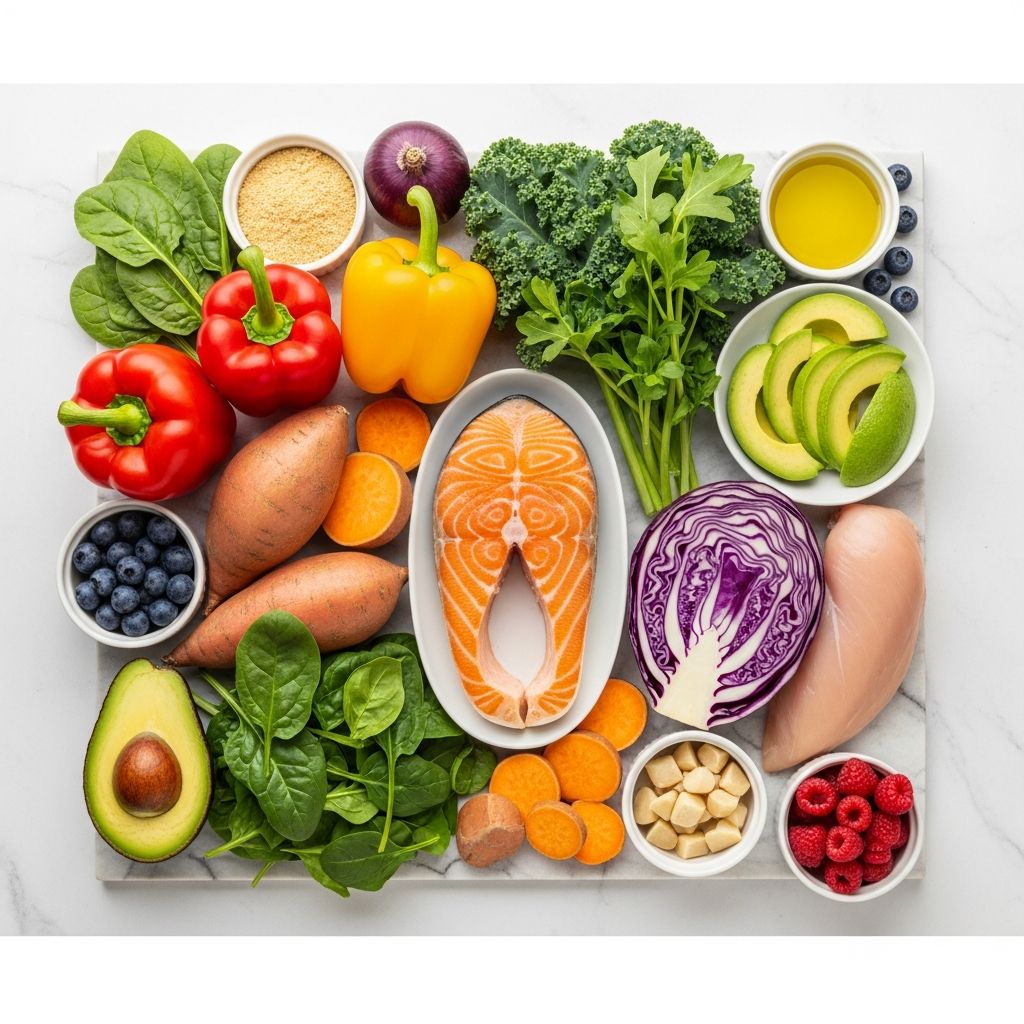
The focus is on nutrient-dense, whole foods that support gut healing and provide essential vitamins, minerals, and antioxidants.
Autoimmune Protocol Diet Food List
Foods to Eat
- All leafy greens and non-nightshade vegetables
- Colorful fruits (moderate amounts)
- High-quality animal proteins
- Coconut products (milk, flour, oil)
- Bone broth and collagen
- Honey as natural sweetener
Foods to Avoid
- All grains and pseudograins
- All legumes and peanuts
- Nightshade vegetables and spices
- Dairy products of all kinds
- Eggs in any form
- Nuts, seeds, and seed-based products
Sample AIP Diet Meal Plan
Day 1
- Breakfast: Sweet potato hash with ground turkey, kale, and avocado
- Lunch: Grilled salmon salad with mixed greens, cucumber, carrots, and olive oil dressing
- Dinner: Beef stir-fry with broccoli, zucchini, and coconut aminos
- Snack: Apple slices with coconut yogurt
Day 2
- Breakfast: Bone broth with ginger and turmeric
- Lunch: Chicken soup with carrots, celery, and spinach
- Dinner: Baked cod with roasted Brussels sprouts and mashed cauliflower
- Snack: Berries with coconut cream
This plan emphasizes variety, nutrient density, and gut-healing foods while avoiding all eliminated categories.
Benefits of the Autoimmune Protocol Diet
Small studies suggest several potential benefits:
- Symptom reduction: One study found significant improvements in IBD symptoms and quality of life after 11 weeks.
- Reduced inflammation: May lower inflammatory markers and gut irritation.
- Food sensitivity identification: Reintroduction phase reveals personal triggers.
- Gut healing: Nutrient-dense foods support intestinal repair.
- Improved quality of life: Patients report better daily functioning.
A 2023 study on rheumatoid arthritis showed promising symptom reduction, though larger trials are needed.
Autoimmune Protocol Diet Risks and Downsides
While potentially beneficial, the AIP diet has limitations:
- Nutrient deficiencies: Risk of calcium, vitamin D, B12, and fiber deficiencies due to dairy, egg, and grain elimination.
- Social challenges: Highly restrictive, making dining out and social events difficult.
- Cost: Grass-fed meats and specialty items can be expensive.
- Sustainability: Difficult to maintain long-term for many people.
- Limited evidence: Most studies are small; long-term data lacking.
What Does the Research Say About the AIP Diet?
Research is promising but preliminary:
- IBD study (2019): 15 patients showed significant symptom improvement and quality of life gains after 11 weeks.
- Hashimoto’s study: Improved quality of life but no change in thyroid markers.
- Rheumatoid arthritis (2023): Small study showed symptom reduction.
Larger randomized controlled trials are needed to confirm benefits and establish protocols.
Should You Try the Autoimmune Protocol Diet?
Consult a healthcare professional before starting, especially if you have:
- Diagnosed autoimmune disease
- Eating disorder history
- Nutritional deficiencies
- Are pregnant or breastfeeding
A registered dietitian experienced in autoimmune protocols can help with:
- Nutrient monitoring
- Personalized reintroduction
- Deficiency prevention
- Sustainable implementation
The diet may be most appropriate for short-term use (4-12 weeks) under supervision rather than lifelong restriction.
Frequently Asked Questions (FAQs)
Is the AIP diet the same as paleo?
No. AIP is a stricter elimination protocol within the paleo framework, removing eggs, nightshades, nuts, seeds, and more.
How long should you do the elimination phase?
Typically 4-8 weeks, or until symptoms significantly improve. Individual response varies.
Can you lose weight on AIP?
Weight loss often occurs due to reduced processed foods and calorie-dense items, but it’s not the primary goal.
Is AIP safe long-term?
Not recommended long-term without supervision due to nutrient deficiency risks. The goal is gradual reintroduction.
Does AIP cure autoimmune disease?
No. It may reduce symptoms and identify triggers but doesn’t cure autoimmune conditions.
Can kids follow AIP?
Possibly, but requires careful pediatric nutrition supervision to prevent growth issues.
References
- What Is the Autoimmune Protocol Diet? — WebMD. 2024. https://www.webmd.com/diet/autoimmune-protocol-diet
- An Autoimmune Protocol Diet Improves Patient-Reported Quality of Life in Inflammatory Bowel Disease — National Center for Biotechnology Information (PMC). 2019-11-13. https://pmc.ncbi.nlm.nih.gov/articles/PMC6892563/
- The AIP Diet: Beginner’s Guide to Autoimmune Protocol — Season Health. 2024. https://www.seasonhealth.com/blog/autoimmune-protocol-aip-diet
- Autoimmune protocol diet: A personalized elimination diet — National Center for Biotechnology Information (PMC). 2024. https://pmc.ncbi.nlm.nih.gov/articles/PMC11755016/
- AIP (Autoimmune Protocol) Diet: A Beginner’s Guide — Healthline. 2024. https://www.healthline.com/nutrition/aip-diet-autoimmune-protocol-diet
Similar Articles








Read full bio of Sneha Tete