Soluble vs. Insoluble Fiber: Dietitian Explains
Understand soluble vs. insoluble fiber differences, benefits, food sources, and how to balance them for optimal digestion and health.
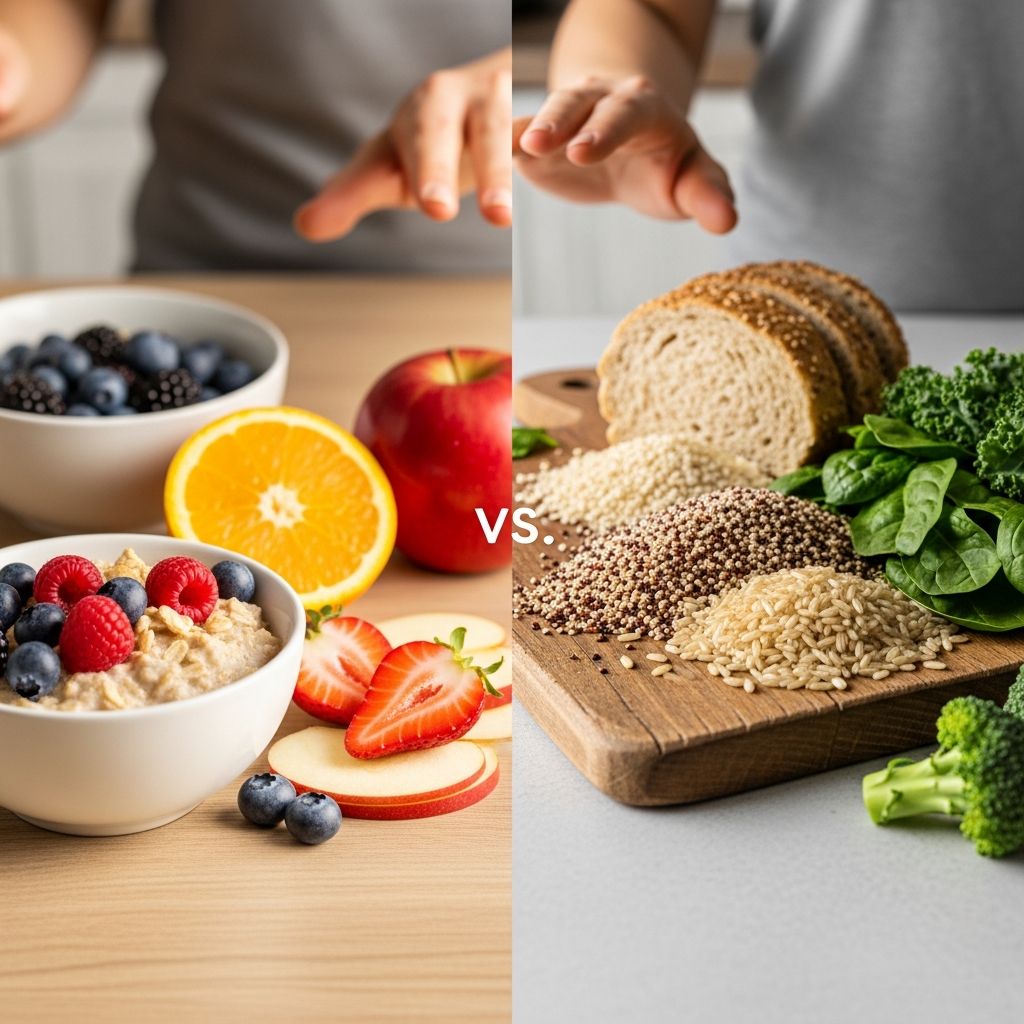
Dietary fiber is essential for digestive health, heart disease prevention, and blood sugar regulation, but not all fiber acts the same way in the body. Soluble fiber dissolves in water to form a gel-like substance that slows digestion and supports metabolic health, while insoluble fiber adds bulk to stool and promotes regular bowel movements.Soluble fiber is found in foods like oats, beans, and fruits, attracting water to create a viscous gel during digestion. Insoluble fiber, present in wheat bran, vegetables, and whole grains, does not dissolve and helps food pass quickly through the intestines.
What Is Soluble Fiber?
Soluble fiber partially dissolves in water and gastrointestinal fluids, transforming into a thick, gel-like material as it travels through the digestive tract. This gel slows the breakdown and absorption of nutrients, which can help manage blood sugar levels and reduce cholesterol absorption. According to experts, this type of fiber feeds beneficial gut bacteria in the colon, producing short-chain fatty acids that support overall health. Common sources include oat bran, barley, nuts, seeds, beans, lentils, peas, and certain fruits and vegetables like apples and citrus. Psyllium, a popular supplement, is also rich in soluble fiber.
The viscous nature of some soluble fibers, such as beta-glucans in oats and pectins in fruits, creates a feeling of fullness, aiding weight management by reducing overall calorie intake. Fermentable soluble fibers like inulin from legumes further enhance gut microbiome diversity.
What Is Insoluble Fiber?
Insoluble fiber does not dissolve in water; instead, it absorbs fluids and binds to other materials to increase stool bulk and softness, facilitating faster transit through the digestive system. This action prevents constipation and promotes regularity by speeding up intestinal motility. Primary sources are wheat bran, whole grains, vegetables (especially leafy greens and root veggies), fruits with edible skins, nuts, and seeds.
Unlike soluble fiber, insoluble fiber remains largely intact, providing no calories and acting mechanically to sweep the intestines clean. It is particularly useful for those with sluggish digestion or conditions like diverticulosis.
Key Differences Between Soluble and Insoluble Fiber
| Aspect | Soluble Fiber | Insoluble Fiber |
|---|---|---|
| Solubility | Dissolves in water to form gel | Does not dissolve; adds bulk |
| Digestion Effect | Slows digestion, lowers cholesterol & blood sugar | Speeds passage, prevents constipation |
| Gut Bacteria | Fermented by bacteria into SCFAs | Largely unfermented; mechanical action |
| Health Focus | Heart health, diabetes management | GI regularity, hemorrhoid prevention |
While soluble fiber emphasizes metabolic benefits through viscosity and fermentation, insoluble fiber prioritizes mechanical bowel support. Most plant foods contain both, making a varied diet ideal. Traditional categorization by solubility is evolving, with viscosity and fermentability emerging as better predictors of effects.
Health Benefits of Soluble Fiber
- Cholesterol Reduction: Binds to cholesterol in the gut, preventing absorption and lowering LDL levels, reducing heart disease risk.
- Blood Sugar Control: Slows carbohydrate absorption, stabilizing glucose for diabetes prevention.
- Gut Health: Fermentation produces short-chain fatty acids that nourish colon cells and reduce inflammation.
- Weight Management: Promotes satiety, potentially lowering calorie intake.
- Diarrhea Relief: Absorbs excess water to firm stool.
Health Benefits of Insoluble Fiber
- Constipation Prevention: Increases stool bulk and frequency for regular movements.
- Intestinal Health: Reduces risk of diverticulitis and hemorrhoids by easing passage.
- Detoxification: Binds toxins and promotes their excretion.
- Weight Control: Adds volume without calories, enhancing fullness.
Related Stories



Both fibers contribute to disease prevention, but soluble excels in cardiovascular and glycemic benefits, while insoluble targets gastrointestinal issues.
Food Sources of Soluble and Insoluble Fiber
Soluble Fiber-Rich Foods
- Oats and oat bran
- Barley
- Beans, lentils, peas
- Apples, oranges, berries
- Flaxseeds, chia seeds
- Psyllium husk
- Brussels sprouts, carrots
Insoluble Fiber-Rich Foods
- Wheat bran
- Whole wheat bread/pasta
- Brown rice
- Cabbage, broccoli, leafy greens
- Apple skins, pear skins
- Nuts (almonds, walnuts)
- Corn bran
Incorporate both by eating whole plants: add oats to breakfast, beans to salads, and whole grains to meals.
How Much Fiber Do You Need?
Adults should aim for 25–38 grams of total dietary fiber daily: women 25g, men 38g, though most get under 15g. No separate tracking for soluble/insoluble is needed; focus on total from diverse sources. Increase gradually with water to avoid bloating. Pregnant women and children have adjusted needs per USDA guidelines.
| Group | Daily Total Fiber (g) |
|---|---|
| Women 19–50 | 25 |
| Men 19–50 | 38 |
| Women 51+ | 21 |
| Men 51+ | 30 |
Practical Tips to Get More Fiber
- Start breakfast with oatmeal or high-fiber cereal.
- Swap white grains for whole wheat, brown rice.
- Add beans/lentils to soups, salads weekly.
- Eat fruits/veggies with skins.
- Snack on nuts/seeds.
- Use psyllium supplements if needed, with plenty of water.
- Read labels: aim for 5g+ fiber per serving.
Gradual increases prevent gas; pair with 8+ cups water daily.
Frequently Asked Questions (FAQs)
Which is better: soluble or insoluble fiber?
Neither is superior; both are crucial. Soluble aids heart/blood sugar health, insoluble supports regularity. Eat a mix.
Can too much fiber cause problems?
Yes, rapid increases lead to bloating/gas. Start slow, drink water.
Does fiber help with weight loss?
Yes, both types promote fullness and may reduce calorie intake.
Are fiber supplements necessary?
Not if diet is varied; prioritize foods for nutrients. Psyllium works well for soluble needs.
Which fiber for constipation vs. diarrhea?
Insoluble for constipation (speeds transit); soluble for diarrhea (slows, firms stool).
This comprehensive guide equips you to optimize fiber intake for better health. Consult a dietitian for personalized advice.
References
- Soluble vs. Insoluble Fiber — UF Health. 2023. https://ufhealth.org/conditions-and-treatments/soluble-vs-insoluble-fiber
- What’s the Difference Between Soluble and Insoluble Fiber? — Cleveland Clinic. 2023-05-15. https://health.clevelandclinic.org/whats-the-difference-between-soluble-and-insoluble-fiber
- Dietary Fiber — Academy of Nutrition and Dietetics (eatrightPRO.org). 2024. https://www.eatrightpro.org/news-center/practice-trends/dietary-fiber
- The Role of Dietary Fiber in Health Promotion and Disease Prevention — NCBI Bookshelf (StatPearls). 2023-07-17. https://www.ncbi.nlm.nih.gov/books/NBK559033/
- Dietary Fiber: An Update on Fiber — Today’s Dietitian Magazine. 2023. https://www.todaysdietitian.com/dietary-fiber-an-update-on-fiber/
- Soluble vs Insoluble Fiber – Alissa Lupu — NewYork-Presbyterian (YouTube Transcript). 2022. https://www.youtube.com/watch?v=-z7CAsDxmMs
- Eye on Nutrition: Fiber — USDA WIC Works. 2023. https://wicworks.fns.usda.gov/resources/eye-nutrition-fiber
Similar Articles








Read full bio of medha deb