GAPS Diet: 6-Stage Introduction And Full Diet Guide
Explore the GAPS diet: a gut-healing protocol that eliminates grains and processed foods while emphasizing nutrient-dense meats, broths and fermented items for digestive health.
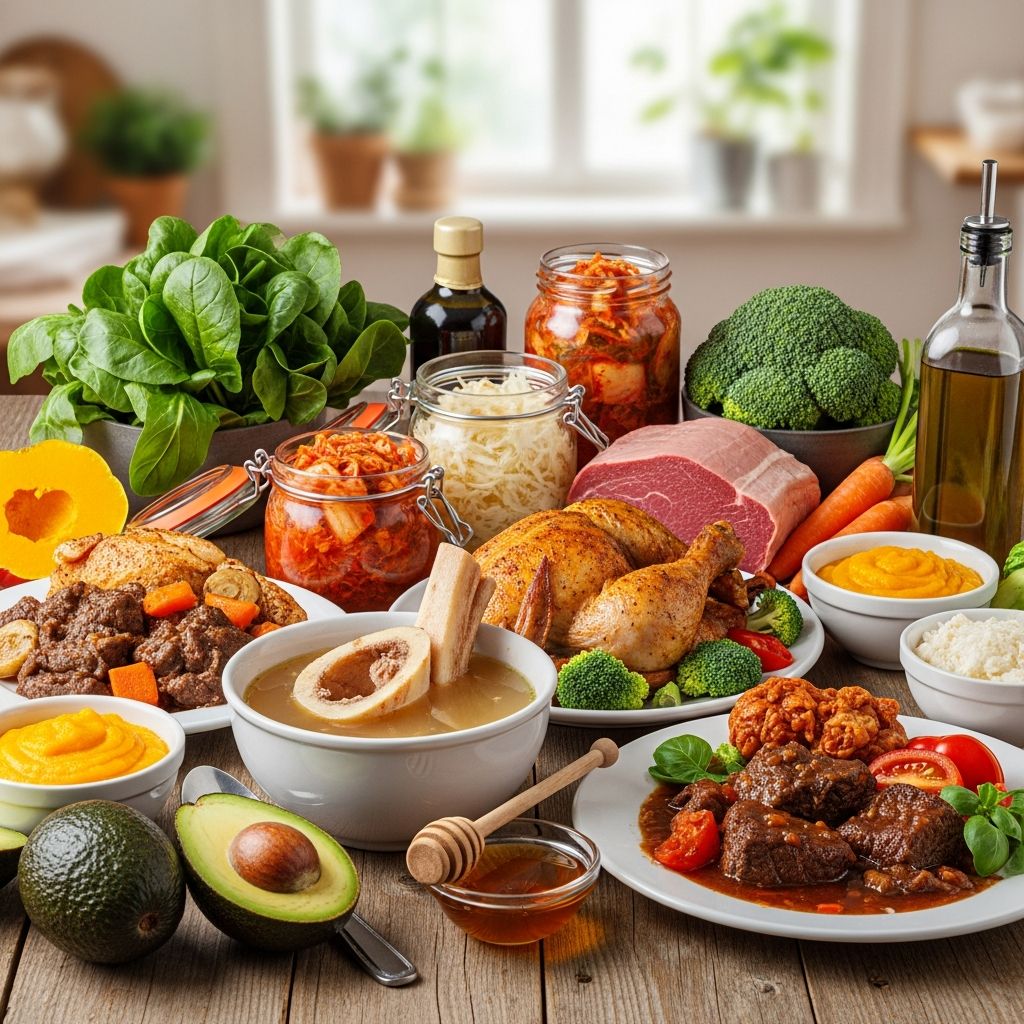
The GAPS (Gut and Psychology Syndrome) diet is a strict elimination protocol designed to heal the digestive system by removing grains, starchy vegetables, refined carbohydrates and most commercial dairy products. Developed by Dr. Natasha Campbell-McBride, it emphasizes nutrient-dense, easily digestible foods like homemade bone broths, organic meats, fermented vegetables and healthy fats to repair the gut lining and restore microbial balance.
This diet posits that a damaged gut microbiome contributes to a range of physical and mental health issues, including autism, ADHD, depression, IBS and autoimmune conditions. By starving harmful bacteria and feeding beneficial ones, the GAPS protocol aims to “heal and seal” the intestinal wall, reducing inflammation and toxin leakage into the bloodstream.
The program divides into an Introduction Diet (six progressive stages lasting 3-6 weeks) followed by a Full GAPS Diet (1.5-2 years). Progress depends on tolerance, with normal bowel movements signaling readiness for the next stage. While anecdotal reports praise its benefits, scientific evidence remains limited, primarily from the founder’s clinical observations rather than large-scale trials.
What Is the GAPS Diet Used For?
The GAPS diet targets conditions linked to gut dysbiosis, or microbial imbalance. Proponents claim it addresses:
- Digestive disorders like IBS, Crohn’s disease, ulcerative colitis and chronic diarrhea.
- Neurological and psychological issues including autism spectrum disorders, ADHD, dyslexia, depression and schizophrenia.
- Autoimmune diseases such as rheumatoid arthritis, eczema and asthma.
- Skin conditions like acne and eczema.
- Fatigue, food intolerances and failure to thrive in children.
Dr. Campbell-McBride developed the diet based on her experience with her autistic son, reporting improvements in behavior and cognition after gut healing. The theory hinges on “leaky gut syndrome,” where intestinal permeability allows toxins to enter circulation, triggering systemic inflammation and brain fog.
How Does the GAPS Diet Work?
The protocol works through targeted food elimination and reintroduction. Grains, processed sugars and starches feed pathogenic bacteria, while approved foods provide bioavailable nutrients for repair. Key mechanisms include:
- Detoxification: Bone broths supply glycine and proline to rebuild connective tissue in the gut lining.
- Probiotic repopulation: Fermented foods like kefir and sauerkraut introduce beneficial bacteria.
- Anti-microbial action: Garlic, coconut oil and animal fats combat infections without harming good flora.
- Nutrient density: Organic meats and fats deliver vitamins A, D, K2 and omega-3s deficient in modern diets.
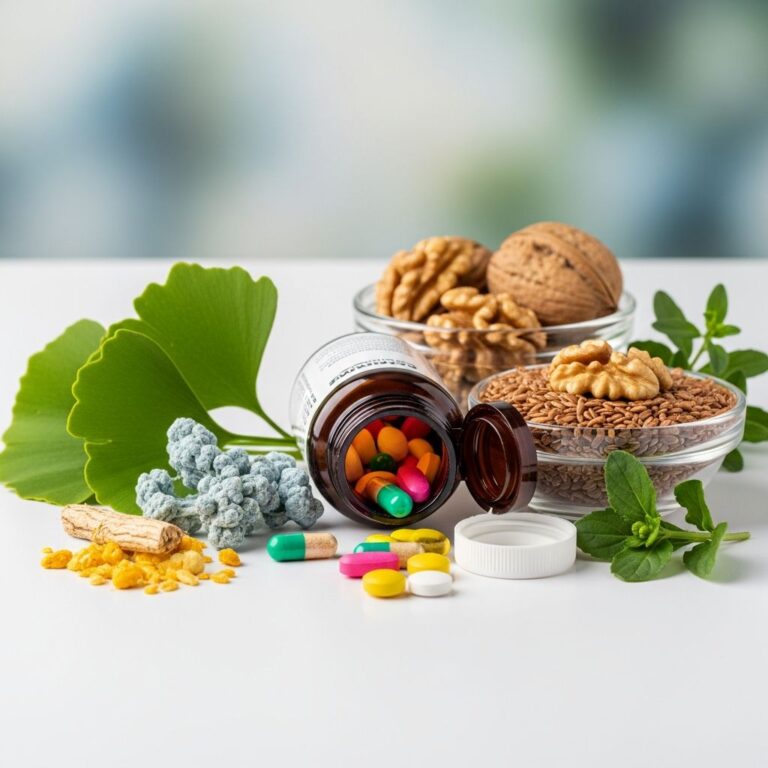
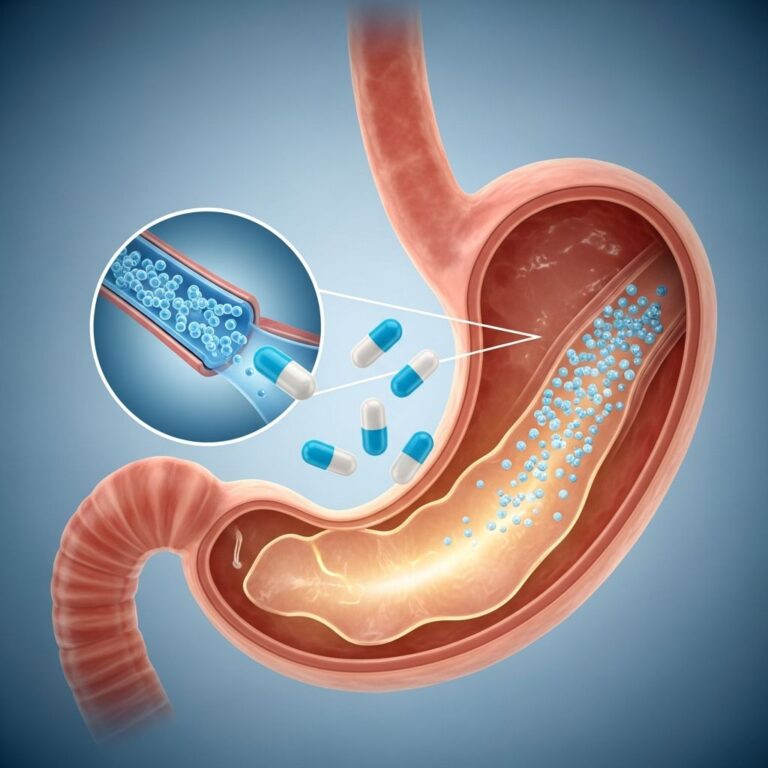
Supplements like digestive enzymes, L-glutamine and fish oil support the process, alongside lifestyle tweaks such as stress reduction and sleep hygiene. The phased approach prevents overwhelm, allowing the gut to adapt gradually.
GAPS Diet Food List
The diet prioritizes whole, unprocessed foods. Here’s a comprehensive breakdown:
Related Stories



Foods to Eat
- Meats & Proteins: Grass-fed beef, lamb, pork, poultry (chicken, turkey, duck), organ meats, wild-caught fish (non-predatory like salmon, sardines), shellfish.
- Broths & Stocks: Homemade bone broths from any bones, simmered 12-72 hours.
- Fats: Animal fats (lard, tallow, duck fat), ghee, raw butter, coconut oil, cold-pressed olive oil, avocado.
- Vegetables: Non-starchy like zucchini, broccoli, cauliflower, spinach, kale, cabbage, asparagus (cooked initially, raw later).
- Fruits: Limited peeled apples, pears, berries, mangoes (no citrus until stage 6).
- Fermented Foods: Homemade kefir, yogurt (24+ hours fermented), sauerkraut, kimchi.
- Nuts & Seeds: Moderate raw almond butter, nut flours (coconut, almond).
- Sweeteners: Raw honey, date paste (sparingly).
- Beverages: Herbal teas, sparkling water, fresh vegetable juices, almond/coconut milk.
Foods to Avoid
- All grains (wheat, rice, corn, oats).
- Starchy vegetables (potatoes, sweet potatoes, cassava, parsnips).
- Refined sugars and processed carbs.
- Pasteurized dairy (except limited hard cheeses).
- Processed/canned foods, artificial additives.
- Predatory fish (shark, tuna, swordfish).
GAPS Diet Stages: Introduction Diet
The Introduction Diet ramps up over six stages, starting ultra-restrictive. Introduce one new food per stage, tolerating it for normal stools before advancing.
Stage 1 (3-7 days)
Focus on soups and broths:
- Homemade meat bone broths with non-starchy veggies.
- Probiotic foods: kefir, yogurt (1 tsp increasing to cups).
- Ginger/mint tea with honey.
- Boiled meats (chicken, turkey, beef).
- Cooked squash, zucchini, spinach.
Stage 2
- All stage 1 foods.
- Raw egg yolks.
- Ghee, coconut oil (gradually).
- Avocado.
- Chicken soup with garlic, spices.
Stage 3
- Nut butter, almond/coconut flour (limited).
- Fermented veggies (sauerkraut).
- Scrambled eggs, asparagus, cabbage.
Stage 4
- Grilled/roasted meats.
- Carrot juice, olive oil.
- Dried herbs.
Stage 5
- Applesauce, peeled cucumber.
- Tomatoes, mangoes, veggie juices.
Stage 6
- Raw fruits (including citrus).
- Baked goods with nut flours.
Transition to Full GAPS once tolerating stage 6 for 1-2 months.
Full GAPS Diet
This maintenance phase lasts 1.5-2 years, comprising 85% meats, broths, eggs, fermented dairy and vegetables. Rules include:
- Bone broth every meal.
- Fats at every meal.
- No meat with fruit.
- Organic whenever possible.
- Large fermented food portions.
Reintroduce potatoes and gluten-free grains last, then exit by limiting processed foods permanently.
GAPS Diet Meal Plan Sample
| Meal | Stage 1 Example | Full GAPS Example |
|---|---|---|
| Breakfast | Bone broth with boiled chicken, ginger tea | Scrambled eggs in ghee, sauerkraut, avocado |
| Lunch | Beef soup with zucchini, probiotic yogurt | Roast lamb with broccoli, bone broth |
| Dinner | Turkey stew with spinach, kefir | Salmon with fermented carrots, olive oil salad |
| Snack | Honey tea | Almond butter, apple slices |
Potential GAPS Diet Benefits
Anecdotal successes include improved digestion, clearer skin, better focus and reduced allergies. The nutrient focus may aid weight loss and energy. Fermented foods boost microbiome diversity, supported by general probiotic research.
GAPS Diet Risks and Downsides
Criticisms:
- Restrictive: Cuts nutrient-rich foods like whole grains and legumes long-term.
- Limited evidence: Lacks randomized trials; relies on testimonials.
- Nutrient gaps: Risk of fiber, B-vitamin deficiencies without planning.
- Difficult: Time-intensive prep, social challenges.
- Not suitable for eating disorders or without medical supervision.
Frequently Asked Questions
What does GAPS stand for?
Gut and Psychology Syndrome, linking gut health to mental conditions.
How long is the GAPS diet?
Introduction: 3-6 weeks; Full: 1.5-2 years.
Is the GAPS diet keto or paleo?
Similar but emphasizes ferments and dairy; not strictly low-carb.
Can kids do GAPS?
Yes, often used for autism/ADHD, but supervise closely.
What if I cheat?
Return to previous stage; consistency is key.
References
- GAPS Diet Guide — Allergy Research Group. 2023. https://allergyresearchgroup.com/blogs/practitioner-resources/gaps-diet-guide
- GAPS Outline — GAPS Diet. 2024. https://www.gapsdiet.com/gaps-outline/
- GAPS Diet Plan, Foods and Protocol — DrAxe.com. 2023-05-12. https://draxe.com/nutrition/gaps-diet-plan-protocol/
- The GAPS Diet: An Evidence-Based Review — Healthline. 2024-01-15. https://www.healthline.com/nutrition/gaps-diet
- Full GAPS Diet — GAPS Diet. 2024. https://www.gapsdiet.com/full-gaps-diet/
- What Is the GAPS Diet? — IFIC. 2023. https://ific.org/resources/articles/what-is-the-gaps-diet/
Similar Articles








Read full bio of Sneha Tete