HCG Diet: Risks, Why It’s Unsafe, And Safer Alternatives
Uncover the truth about the HCG diet: its extreme calorie restrictions, unproven claims, serious health risks, and why experts strongly advise against it.
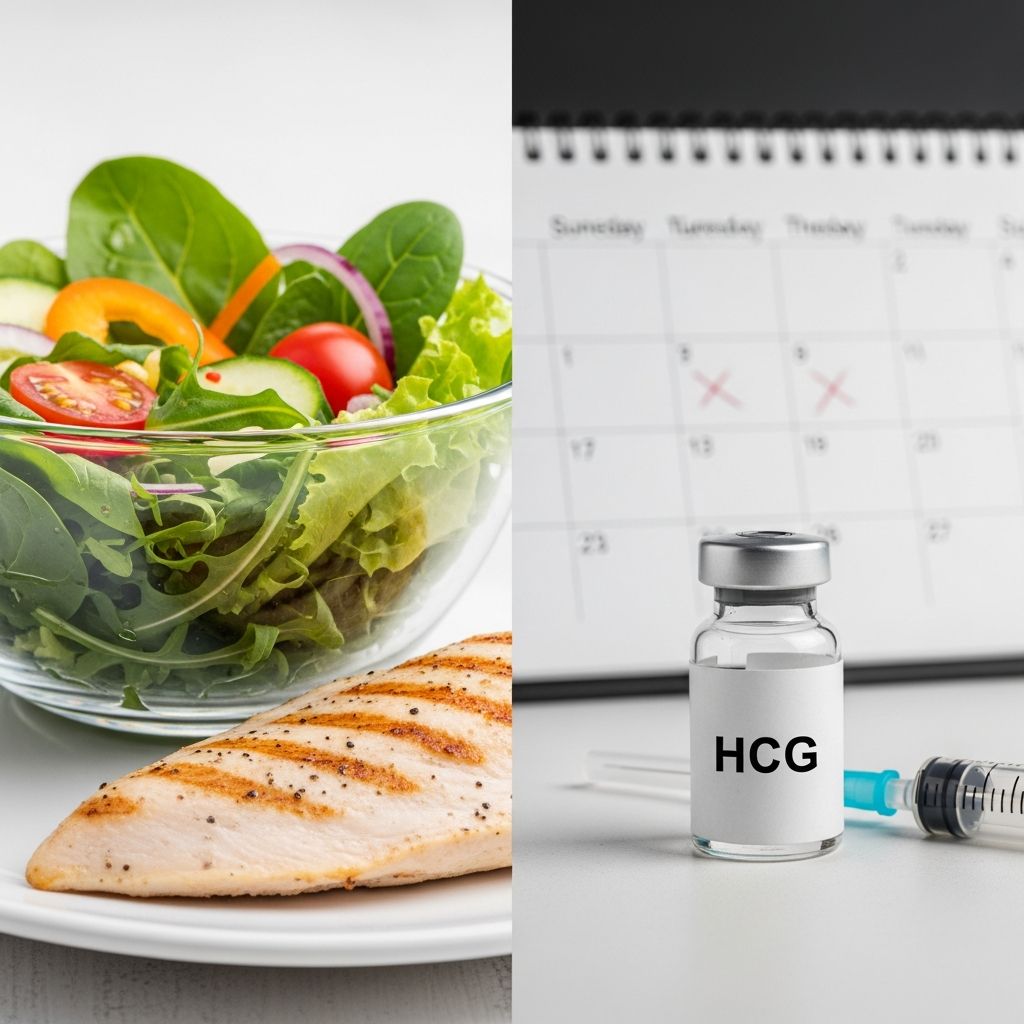
The HCG diet combines injections, drops, or pellets of human chorionic gonadotropin (HCG)—a hormone produced during pregnancy—with an extremely low-calorie diet of about 500 calories per day. Proponents claim it promotes rapid fat loss while preserving muscle, but major health authorities like the FDA and Mayo Clinic state it is neither safe nor effective for weight loss, as any results stem solely from starvation-level calorie restriction.
What Is HCG?
Human chorionic gonadotropin (HCG) is a hormone naturally produced by the placenta soon after implantation during pregnancy, peaking around weeks 8-11 to support fetal development. Medically, prescription HCG treats fertility issues in women and specific hormonal deficiencies in men, but it is explicitly not approved for weight loss, with labels warning against such use.
In the context of dieting, HCG is marketed in unregulated forms like oral drops, sprays, or “homeopathic” products sold online or in clinics. The FDA has issued warnings against these, noting they are illegal, unproven, and dangerous, often lacking the actual hormone or containing unsafe doses.
How Does the HCG Diet Work?
Popularized in the 1950s by Dr. A.T.W. Simeons, the HCG diet theory posits that HCG mobilizes abnormal fat stores (from areas like hips and thighs), suppresses hunger, and prevents muscle loss during severe calorie restriction. Followers take daily HCG supplements while adhering to strict food rules.
However, scientific evidence debunks this: multiple studies show HCG provides no additional weight loss benefits beyond the effects of the 500-calorie diet alone. The hormone does not enhance fat burning, reduce hunger, or protect muscle mass.
What Are the Phases of the HCG Diet?
The diet follows a structured three-phase protocol:
- Loading Phase (Days 1-2): Consume high-fat, high-calorie foods (up to 5,000 calories daily) while starting HCG to “load” fat cells.
- Weight Loss Phase (Days 3-40+): Restrict to 500 calories per day from approved proteins (e.g., chicken, fish), vegetables, and fruits; no oils or sugars; continue HCG.
- Maintenance Phase (3 weeks): Stop HCG, gradually increase calories to 1,500-2,000 while avoiding sugars and starches to stabilize weight.
Variations exist, but the core is extreme restriction. Vegetarians and vegans struggle due to required animal proteins.
Does the HCG Diet Work?
Short-term weight loss occurs—up to 1-2 pounds daily initially—but it’s primarily water and muscle loss from calorie deprivation, not targeted fat reduction. No high-quality studies support HCG’s role; a 1995 meta-analysis of five trials found no difference between HCG and placebo groups.
Long-term, weight rebounds upon resuming normal eating, as the diet instills no sustainable habits. The FDA states: “There is no substantial evidence that HCG increases weight loss beyond caloric restriction.”
What Are the Risks and Side Effects of the HCG Diet?
Related Stories



The 500-calorie intake poses severe risks, classified as very-low-calorie diets (VLCDs) requiring medical supervision:
- Gallstones from rapid fat breakdown and bile stasis.
- Irregular heartbeat and electrolyte imbalances (e.g., low potassium).
- Vitamin/mineral deficiencies leading to fatigue, hair loss, and weakened immunity.
- Muscle wasting, slowed metabolism, and yo-yo weight gain.
HCG-specific risks include:
- Gynecomastia (breast enlargement in men), edema, irritability, depression.
- Potential cancer promotion: HCG may stimulate androgen production, worsening prostate or other hormone-sensitive cancers.
- Blood clots (thromboembolism), ovarian hyperstimulation syndrome (OHSS) in women, and rare tumors/cysts.
Case reports link the diet to fatal clots and other emergencies.
What Do Health Experts Say About the HCG Diet?
Consensus from credible sources is unanimous against it:
| Organization | Stance |
|---|---|
| FDA | Not approved for weight loss; warns against products as illegal and dangerous. |
| Mayo Clinic | Unsafe, no long-term benefits; risks outweigh any short-term loss. |
| Cleveland Clinic | No evidence HCG works; extreme restriction can be fatal. |
| Augusta Health | Ineffective; linked to cancer risk and severe side effects. |
Experts emphasize sustainable approaches like balanced diets, exercise, and behavioral changes over fad diets.
What Can You Eat on the HCG Diet?
The 500-calorie phase limits choices:
- Proteins (100g per meal): Lean beef, chicken breast, white fish, shrimp, lobster, eggs (no yolk).
- Vegetables: Spinach, chard, chicory, tomatoes, celery, onions, cabbage (unlimited with protein).
- Fruits: Apples, oranges, strawberries, grapefruit (1 per meal).
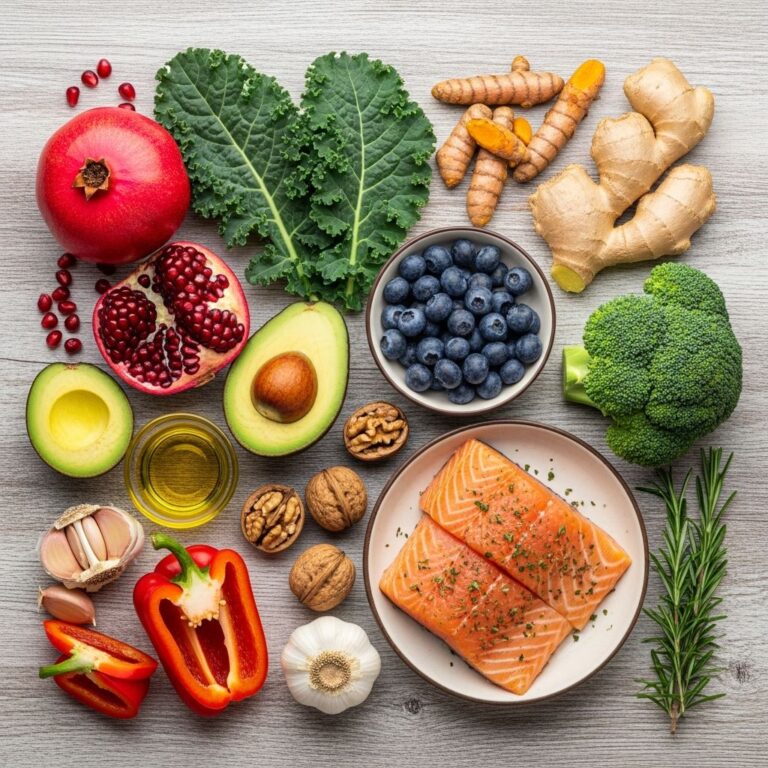
- Drinks: Water, tea, coffee (black, no sugar); stevia allowed.
- Prohibited: Oils, butter, nuts, dairy (except skim cottage cheese), sugars, starches.
Meals: Two 250-calorie servings daily (e.g., 100g protein + veggies/fruit). This leads to nutrient gaps, especially fats and fiber.
Is the HCG Diet Safe?
No. The combination of unregulated HCG and VLCD creates life-threatening risks without proven benefits. Even prescription HCG forbids weight-loss use. Vulnerable groups (pregnant, elderly, those with heart/kidney issues) face amplified dangers. Health professionals recommend consulting a doctor before any restrictive plan.
Frequently Asked Questions (FAQs)
What is the HCG hormone?
A pregnancy hormone used medically for fertility, not weight loss.
Can HCG drops help with weight loss?
No, FDA-unapproved drops are ineffective and risky; weight loss is from calorie cuts alone.
How much weight can you lose on the HCG diet?
1-2 lbs/day short-term, but mostly unsustainable water/muscle loss.
Are there any benefits to the HCG diet?
None beyond generic VLCD effects; risks far outweigh.
What are safer alternatives to the HCG diet?
Balanced calorie deficit with exercise, Mediterranean diet, or supervised medical programs.
Final Thoughts
Pursue evidence-based weight management: aim for 1-2 lbs/week loss via whole foods, portion control, strength training, and professional guidance. Avoid extremes like HCG for lasting health.
References
- HCG diet: Is it safe and effective? — Augusta Health. Accessed 2026. https://www.augustahealth.com/answer/hcg-diet-is-it-safe-and-effective/
- HCG diet: Is it safe and effective? — Mayo Clinic. Accessed 2026. https://www.mayoclinic.org/healthy-lifestyle/weight-loss/expert-answers/hcg-diet/faq-20058164
- HCG Diet for Weight Loss: Is It Safe? — Cleveland Clinic. Accessed 2026. https://health.clevelandclinic.org/hcg-diet
- hCG (Human Chorionic Gonadotropin) for Weight Loss — WebMD. Accessed 2026. https://www.webmd.com/diet/hcg-and-weight-loss
- hCG Diet: Weight Loss, Safety, Side Effects & More — Healthline. Accessed 2026. https://www.healthline.com/nutrition/hcg-diet-101
- Avoid Dangerous HCG Diet Products — U.S. Food and Drug Administration (FDA). Accessed 2026. https://www.fda.gov/consumers/consumer-updates/avoid-dangerous-hcg-diet-products
Similar Articles








Read full bio of Sneha Tete