Lectin-Free Diet: What You Need To Know In 2025
Explore the lectin-free diet: its rules, potential benefits, scientific critique, and balanced alternatives for better health.
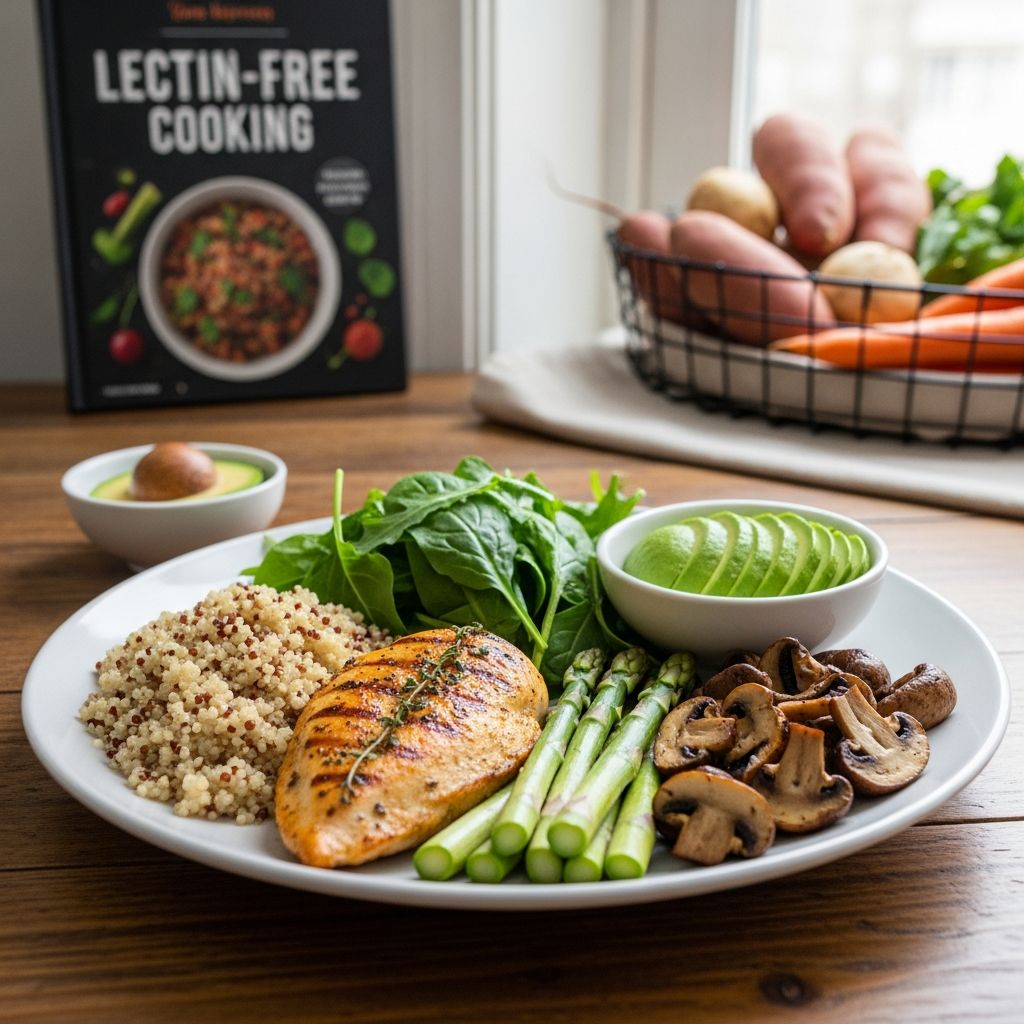
The lectin-free diet, popularized by cardiologist Steven Gundry through his book The Plant Paradox, claims that lectins—proteins found in many plant foods—cause inflammation, weight gain, autoimmune issues, and chronic diseases. Proponents argue eliminating them leads to dramatic health improvements, but major health authorities like Mayo Clinic state no evidence supports curing diseases by avoiding lectins.
What Are Lectins?
Lectins are carbohydrate-binding proteins naturally present in plants, grains, beans, and nightshades like tomatoes and peppers. They act as a plant’s defense mechanism against pests, binding to cell walls and potentially resisting digestion in humans if consumed raw or undercooked. High-lectin foods include legumes (beans, chickpeas, lentils), grains (wheat, rice), nightshade vegetables (tomatoes, potatoes, peppers, eggplant), nuts, seeds, and some fruits. Cooking, soaking, sprouting, or fermenting significantly reduces lectin content, making most foods safe.
Raw kidney beans exemplify lectin risks: they contain phytohaemagglutinin, which can cause nausea, vomiting, and diarrhea if not properly cooked. However, standard preparation neutralizes this.
Who Created the Lectin-Free Diet?
Dr. Steven Gundry, a former cardiac surgeon, developed the diet after observing heart patients improve by avoiding lectins. His Plant Paradox theory posits lectins as “anti-nutrients” that puncture gut linings, causing “leaky gut” and systemic inflammation leading to obesity, diabetes, arthritis, and autoimmune diseases. Earlier ideas trace to naturopath Peter J. D’Adamo, but Gundry popularized it. Celebrities like Kelly Clarkson credit it for weight loss—nearly 40 pounds in two months combined with walking—but skeptics note lack of controlled studies.
How Does the Lectin-Free Diet Work?
The diet phases out high-lectin foods to supposedly heal the gut, reduce inflammation, and reprogram metabolism. Gundry claims lectins mimic enemy signals in plants, tricking the human immune system into overreacting. By avoiding them, the body allegedly sheds fat, stabilizes blood sugar, and boosts energy. Phases include strict elimination followed by reintroduction of low-lectin alternatives.
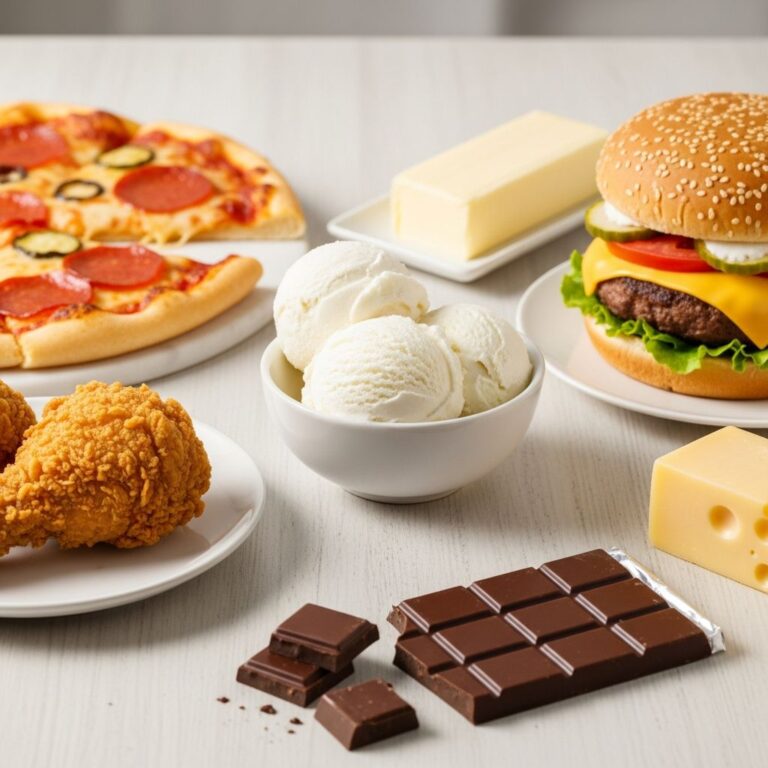
Allowed foods emphasize pasture-raised meats, wild fish, certain vegetables (leafy greens, broccoli, avocados), olive oil, and limited dairy. It promotes whole foods over processed ones, which may explain anecdotal benefits.
What Can You Eat on a Lectin-Free Diet?
The diet strictly limits many staples. Here’s a breakdown:
| Category | Foods to Avoid (High-Lectin) | Allowed Foods (Low-Lectin) |
|---|---|---|
| Vegetables | Tomatoes, potatoes, peppers, eggplant, cucumbers, squash | Broccoli, cauliflower, kale, spinach, Brussels sprouts, asparagus, celery, mushrooms |
| Legumes/Grains | Beans, lentils, chickpeas, peas, wheat, rice, corn, quinoa | Pressure-cooked lentils (limited), sorghum, millet (in moderation) |
| Fruits | Most, especially goji berries, melons | Avocados, berries (limited), olives |
| Nuts/Seeds | Cashews, peanuts, chia, sunflower | Walnuts, pistachios, macadamia (sprouted or peeled) |
| Proteins | Conventional farm-raised meats, canned tuna | Grass-fed beef, wild salmon, pasture-raised poultry, pastured eggs |
| Fats/Oils | Seed oils (sunflower, corn) | Olive oil, avocado oil, coconut oil |
| Dairy/Sweeteners | Most dairy, sugar, artificial sweeteners | A2 milk, goat cheese (limited), stevia, monk fruit |
Related Stories



Preparation matters: pressure cooking reduces lectins in otherwise avoided foods.
What Are the Purported Benefits of a Lectin-Free Diet?
Advocates claim:
- Weight Loss: By cutting grains, beans, and processed foods, calorie intake drops; Kelly Clarkson’s experience highlights this.
- Reduced Inflammation: Lectin avoidance allegedly heals leaky gut, easing arthritis, skin issues, and autoimmune symptoms.
- Better Digestion: Fewer GI problems for those with IBS or sensitivities.
- Stabilized Blood Sugar: Limits carbs that spike insulin, potentially curbing cravings.
- Improved Energy/Mood: Anecdotal reports of mental clarity.
These may stem from ditching junk food rather than lectin removal.
Does the Lectin-Free Diet Work? What Does the Science Say?
No robust clinical trials validate broad claims. Mayo Clinic states, “No scientific evidence shows eliminating dietary lectins cures medical disorders, including autoimmune diseases”. Harvard’s Nutrition Source notes lectins offer benefits: antioxidant effects, slowed carb absorption preventing blood sugar spikes, potential anti-cancer properties, and gut cell growth stimulation.
Population studies link lectin-rich foods (legumes, grains, nuts) to lower heart disease, diabetes, and weight loss rates. Blue Zones’ longevity diets feature beans and grains, countered by olive oil per Gundry, but preparation mitigates lectins. National Kidney Foundation deems lectin-free diets nonsensical given pulse benefits. MD Anderson adds lectins stabilize blood sugars for diabetics.
Raw lectin overdose is rare and unrealistic in normal diets. Experts recommend cooking over avoidance.
Potential Downsides and Risks
- Nutrient Deficiencies: Limits fiber, B vitamins, minerals from beans/grains.
- Unsustainable: Restrictive, expensive (e.g., grass-fed meats), socially challenging.
- Side Effects: Initial detox symptoms like fatigue, headaches.
- Missed Benefits: Forfeits proven healthy foods.
Is the Lectin-Free Diet Right for You?
Not for most. Those with lectin sensitivities (rare) or autoimmune issues might trial it short-term under medical supervision. Otherwise, balanced diets like Mediterranean—rich in lectin foods but prepared properly—offer proven benefits: reduced heart disease, diabetes risk, and weight loss. Consult a doctor or dietitian before starting.
Frequently Asked Questions (FAQs)
What foods have the most lectins?
Raw or undercooked beans (especially kidney), grains, nightshades (tomatoes, potatoes), and seeds. Cooking deactivates most.
Can you eat beans on a lectin-free diet?
Strictly no, unless pressure-cooked, which reduces lectins by 99%.
Does lectin-free help with weight loss?
Anecdotally yes, via carb reduction, but no specific lectin evidence.
Are lectins toxic?
Only in large raw amounts; normal diets pose no risk.
What’s a good alternative to lectin-free?
Mediterranean diet: fruits, veggies, whole grains, nuts, fish, olive oil.
Who should avoid the lectin-free diet?
Most people; pregnant individuals, athletes needing carbs, or those without sensitivities.
References
- The Lectin-Free Diet | Health Library — Lutheran Kosciusko Hospital. 2023. https://www.lutherankosciuskohospital.com/health-library/442
- Is a Lectin-Free Diet Just a Trend or Truly Beneficial? — Jupiter Internal Medicine. 2024. https://www.jupiterinternalmedicine.com/is-a-lectin-free-diet-just-a-trend-or-truly-beneficial/
- Lectin-free diet — Wikipedia. 2025. https://en.wikipedia.org/wiki/Lectin-free_diet
- Lectins — Harvard T.H. Chan School of Public Health. 2023. https://nutritionsource.hsph.harvard.edu/anti-nutrients/lectins/
- What to Know about the Plant Paradox Diet (Lectin-Free Diet) — WebMD. 2024. https://www.webmd.com/diet/what-to-know-plant-paradox-diet
- Mayo Clinic Q and A: Is a lectin-free diet beneficial? — Mayo Clinic News Network. 2023-10-18. https://newsnetwork.mayoclinic.org/discussion/mayo-clinic-q-and-a-is-a-lectin-free-diet-beneficial/
- The Lectin Controversy — National Kidney Foundation of Hawaii. 2024. https://kidneyhi.org/blog/the-lectin-controversy/
- Should you eat a lectin-free diet? — MD Anderson Cancer Center. 2020-01-30. https://www.mdanderson.org/cancerwise/should-you-eat-a-lectin-free-diet.h00-159695178.html
Similar Articles








Read full bio of medha deb