What is the link between IBS and anxiety?
Discover the bidirectional brain-gut connection linking IBS symptoms and anxiety, and explore effective management strategies for better health.
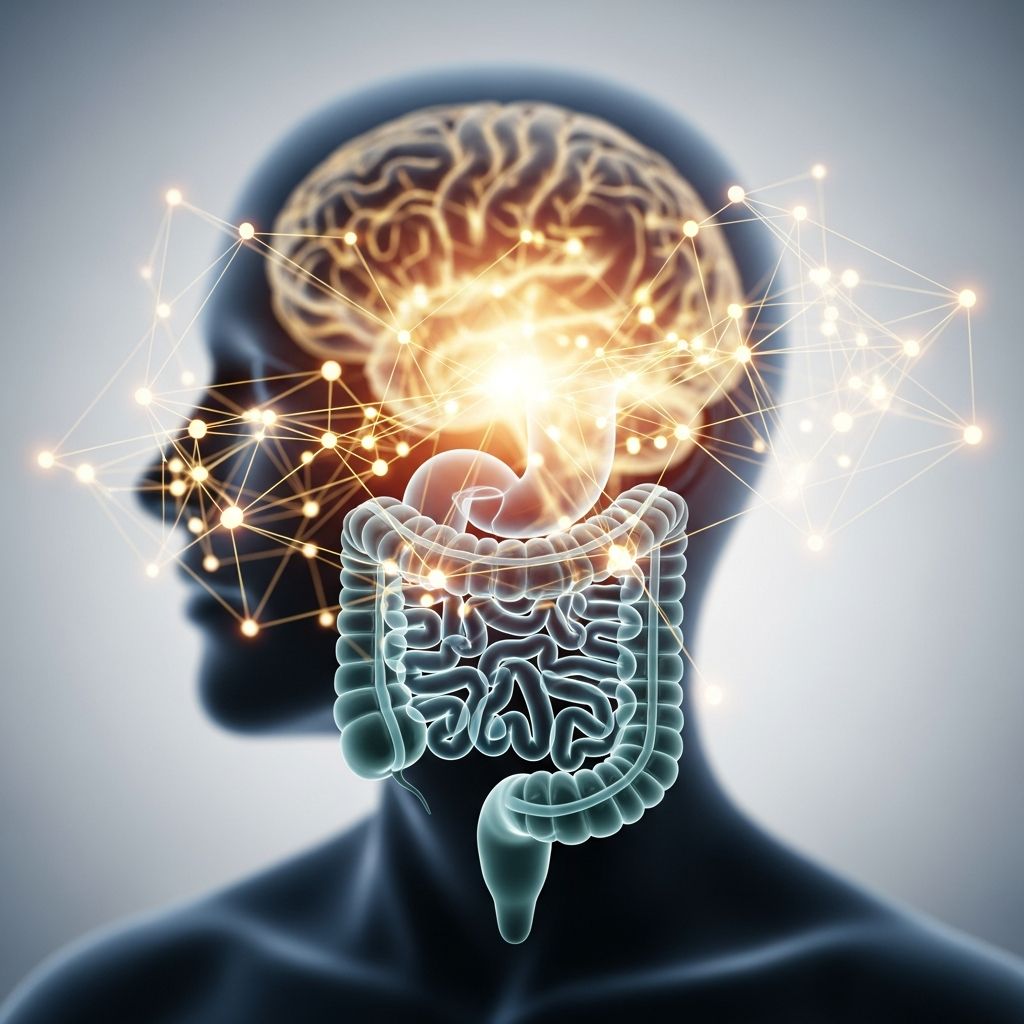
Irritable bowel syndrome (IBS) and anxiety share a profound bidirectional relationship mediated by the brain-gut axis, where psychological stress exacerbates gastrointestinal symptoms and vice versa, affecting up to 38% of IBS patients with co-occurring anxiety.
What is irritable bowel syndrome (IBS)?
Irritable bowel syndrome (IBS) is a common functional gastrointestinal disorder characterized by chronic abdominal pain, bloating, and altered bowel habits such as diarrhea, constipation, or both, impacting 10-15% of the global population. Unlike inflammatory conditions like Crohn’s disease, IBS involves no structural damage but arises from disordered gut-brain signaling, motility issues, and visceral hypersensitivity. Symptoms often fluctuate, triggered by diet, infections, or stress, and significantly impair quality of life.
IBS is classified into subtypes: IBS with constipation (IBS-C), IBS with diarrhea (IBS-D), mixed IBS (IBS-M), and unsubtyped IBS (IBS-U), each with varying symptom dominance. Diagnosis relies on Rome IV criteria, emphasizing recurrent abdominal pain at least one day per week for three months, associated with defecation or changes in stool frequency/form. Women are disproportionately affected, and prevalence peaks in younger adults.
How are IBS and mental health connected?
The gut-brain axis forms the core connection between IBS and mental health, a bidirectional communication network involving the central nervous system, enteric nervous system, and vagus nerve. This axis regulates digestion, mood, and stress responses via neurotransmitters like serotonin (95% gut-produced) and hormones such as cortisol.
In IBS, disturbances in the sympathetic (fight-or-flight) and parasympathetic (rest-and-digest) systems heighten gut sensitivity. Stress activates the sympathetic system, overstimulating gut nerves and causing pain, spasms, diarrhea, or constipation. Conversely, IBS symptoms like unpredictable bowel changes fuel anxiety through embarrassment, social withdrawal, and chronic discomfort.
Meta-analyses confirm elevated depression and anxiety across all IBS subtypes compared to healthy controls, with standardized mean differences (SMD) highest in IBS-C (depression SMD=0.83; anxiety SMD=0.81). Psychiatric comorbidities double in IBS patients versus the general population.
Why does anxiety affect people with IBS more?
IBS patients exhibit amplified hypothalamic-pituitary-adrenal (HPA) axis responses to stress, releasing excess corticotropin-releasing hormone (CRH) and cortisol, which sensitize the colon to distension and amplify visceral pain. Rodent studies with high-anxiety traits mirror this, showing elevated colonic sensitivity and visceromotor responses.
Anxiety prevalence in IBS reaches 38%, versus 19% in non-IBS groups, with depression at 27%. During stressors like the COVID-19 pandemic, 88.5% of female IBS patients reported severe anxiety, correlating with worsened symptoms (OR:1.75 per anxiety score unit). Age, urban living, and lower education predict symptom flares alongside anxiety.
Visceral hypersensitivity, present in 33-90% of IBS cases, intensifies under anxiety, as amygdala hyperactivity heightens threat perception to gut signals. This creates a vicious cycle: anxiety triggers symptoms, which perpetuate worry.
IBS symptoms and anxiety triggers
- Abdominal pain/cramping: Anxiety-induced gut hypermotility or spasms mimic attacks.
- Bloating/gas: Stress slows digestion, trapping air.
- Diarrhea (IBS-D): Sympathetic overdrive accelerates transit.
- Constipation (IBS-C): Inhibited motility from chronic tension.
- Mixed/alternating: Fluctuating stress responses.
Triggers overlap: high-FODMAP foods, caffeine, and emotional stress provoke flares. Pandemic data showed 77.9% symptom worsening tied to anxiety spikes.
Does IBS cause anxiety or the other way around?
The relationship is bidirectional. IBS symptoms provoke anxiety via lifestyle disruptions, fear of flares, and social stigma, leading to avoidance behaviors. Conversely, pre-existing anxiety disorders heighten IBS risk through sustained HPA activation and gut dysbiosis.
Related Stories



Studies show no causal primacy; both directions amplify via the brain-gut loop. For instance, 38-100% lifetime mental disorder prevalence in IBS, with anxiety at 5-50%. Hospital data from 1.2 million cases confirm mutual reinforcement, urging dual treatment.
| Direction | Mechanism | Evidence |
|---|---|---|
| IBS → Anxiety | Symptom unpredictability, QoL decline | 27-38% comorbidity rates |
| Anxiety → IBS | HPA overdrive, visceral sensitization | OR 1.75 for symptom increase |
| Bidirectional | Brain-gut axis dysfunction | Meta-analysis SMD >0.8 |
Treating IBS and anxiety together
Holistic management targets both ends of the axis. First-line: low-FODMAP diet, soluble fiber (psyllium), and antispasmodics (e.g., hyoscine). For anxiety-driven flares, cognitive behavioral therapy (CBT) reduces symptoms by 40-70%.
- Psychotherapy: Gut-directed hypnotherapy, mindfulness-based stress reduction (MBSR).
- Medications: SSRIs (e.g., citalopram) for comorbid anxiety/depression; low-dose tricyclics for pain.
- Lifestyle: Exercise (30 min/day), sleep hygiene, yoga.
- Probiotics: Bifidobacterium strains modulate gut-brain signaling.
Psychiatric screening is essential; anxiety management ameliorates IBS.
Can anxiety management help IBS symptoms?
Yes, robust evidence supports it. CBT and hypnotherapy yield sustained relief, outperforming drugs alone. Pandemic studies link anxiety reduction to fewer flares. Smoking cessation and stress audits further help.
Integrated care improves outcomes: treat IBS to ease anxiety, manage mind to soothe gut.
Key takeaways
- IBS-anxiety link via brain-gut axis is bidirectional and prevalent.
- Stress worsens all subtypes; screen routinely.
- Combined therapies (diet, CBT, meds) optimize relief.
- Early intervention prevents cycles.
Frequently Asked Questions (FAQs)
Q: Can anxiety alone cause IBS?
A: Anxiety heightens risk via gut sensitization but typically interacts with other factors like diet or genetics.
Q: How common is anxiety in IBS patients?
A: Up to 38%, double general rates; severe in 88% during stress.
Q: Does treating anxiety improve IBS?
A: Yes, CBT reduces symptoms significantly (OR 1.75 correlation).
Q: Are women more affected?
A: Yes, higher IBS/anxiety susceptibility, especially under stress.
Q: What quick steps help both?
A: Mindfulness, low-FODMAP, exercise; consult for CBT/SSRIs.
References
- Explaining How Anxiety Affects IBS to Patients — Gastroenterology Advisor. 2023. https://www.gastroenterologyadvisor.com/news/explaining-how-anxiety-affects-ibs-to-patients/
- The relationship between anxiety and irritable bowel syndrome — PMC (NCBI). 2023-08-01. https://pmc.ncbi.nlm.nih.gov/articles/PMC10419348/
- Irritable Bowel Syndrome Patients Suffer High Rates of Anxiety and Depression — University of Missouri School of Medicine. 2023. https://medicine.missouri.edu/news/irritable-bowel-syndrome-patients-suffer-high-rates-anxiety-and-depression
- The Increased Level of Depression and Anxiety in Irritable Bowel Syndrome — Journal of Neurogastroenterology and Motility. 2017-04-30. https://www.jnmjournal.org/journal/view.html?doi=10.5056/jnm16220
- Irritable Bowel Syndrome (IBS): Causes, Symptoms, and Treatment — Patient.info. 2023. https://patient.info/digestive-health/irritable-bowel-syndrome-leaflet
- Irritable Bowel Syndrome (IBS) | Doctor — Patient.info. 2023. https://patient.info/doctor/gastroenterology/irritable-bowel-syndrome-pro
Similar Articles








Read full bio of Sneha Tete