Low FODMAP Diet: 3-Phase Plan To Ease IBS Symptoms
Explore the low FODMAP diet: a proven strategy for managing IBS symptoms through targeted carbohydrate reduction and food reintroduction.
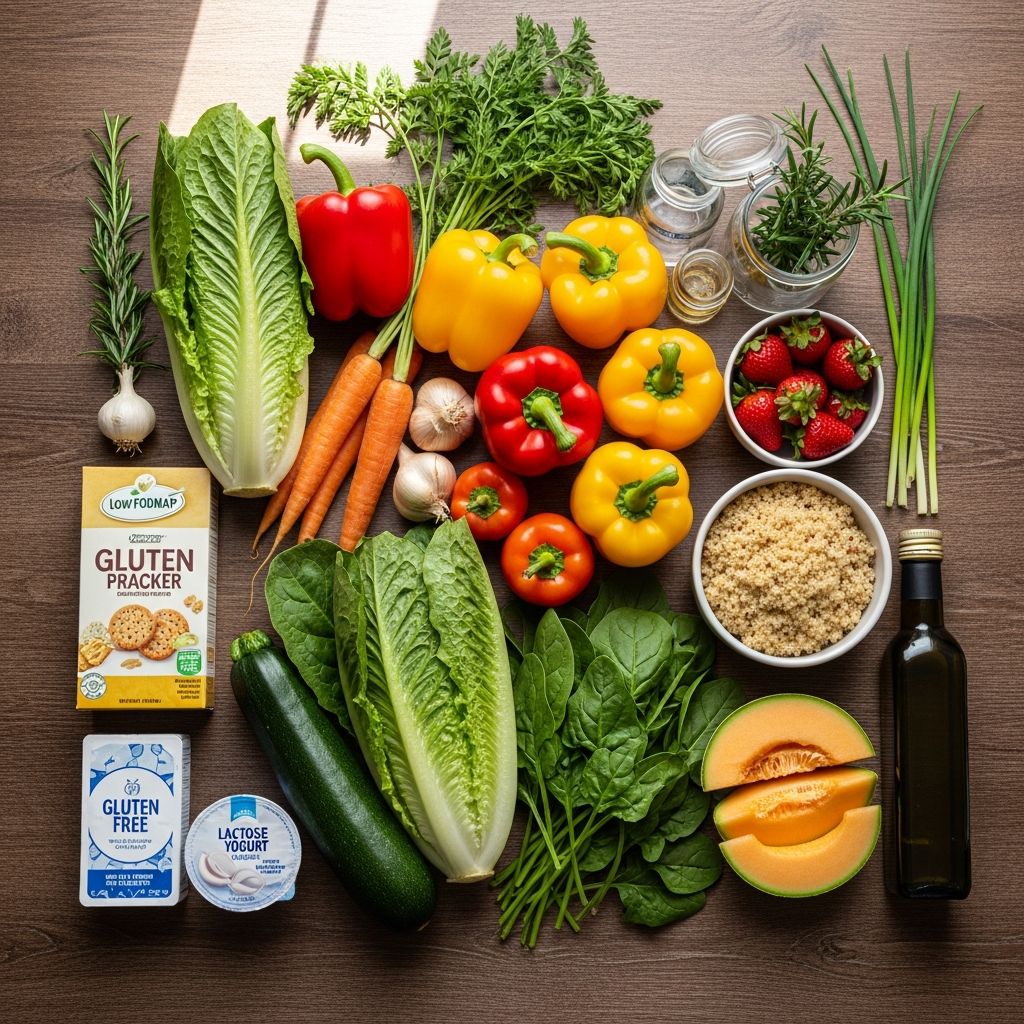
What Is the Low FODMAP Diet?
The low FODMAP diet is a structured elimination diet designed to manage symptoms of
irritable bowel syndrome (IBS)
and other functional gastrointestinal disorders by reducing intake of specific short-chain carbohydrates known as FODMAPs. Developed by researchers at Monash University, this diet involves three phases: elimination, reintroduction, and personalization, helping individuals identify and avoid personal food triggers while maintaining nutritional balance.What Are FODMAPs?
FODMAPs are
fermentable oligosaccharides, disaccharides, monosaccharides, and polyols
—short-chain carbohydrates that are poorly absorbed in the small intestine and rapidly fermented by gut bacteria, leading to symptoms like gas, bloating, and abdominal pain in sensitive individuals. These carbs draw water into the gut and produce hydrogen gas through fermentation, exacerbating IBS symptoms in up to 80% of patients who follow the diet.- Fructans: Found in wheat, onions, garlic, and barley; not digested by human enzymes.
- Galacto-oligosaccharides (GOS): Present in legumes like beans, lentils, and chickpeas.
- Lactose: The sugar in dairy products; affects those with lactose intolerance.
- Fructose: In fruits like apples, pears, and honey; excess over glucose causes issues.
- Polyols: Sugar alcohols in stone fruits, mushrooms, and artificial sweeteners like sorbitol and mannitol.
These compounds are osmotic, pulling water into the bowel and fermenting quickly, which is particularly problematic for people with IBS or small intestinal bacterial overgrowth (SIBO).
Who Might Benefit from a Low FODMAP Diet?
This diet is primarily recommended for individuals diagnosed with
IBS
, affecting 10-15% of the global population, as well as those with SIBO or other functional gut disorders. Studies show it improves symptoms in 50-80% of IBS patients, including reduced bloating, gas, diarrhea, constipation, and abdominal pain. It’s especially effective for IBS-D (diarrhea-predominant) subtypes, with meta-analyses confirming moderate-quality evidence for global symptom relief.Benefits extend beyond physical symptoms, including improved quality of life, reduced anxiety, and better mental health due to fewer disruptions from digestive issues. However, it’s not a cure or long-term restrictive plan but a diagnostic tool best undertaken with a registered dietitian.
The Three Phases of the Low FODMAP Diet
The diet follows a rigorous three-phase process to systematically identify triggers without unnecessary long-term restriction.
Phase 1: Elimination (2-6 Weeks)
Strictly avoid high-FODMAP foods to allow gut symptoms to subside. This phase reduces fermentable carbs, starving excess bacteria and normalizing digestion. Expect 50-75% symptom improvement if FODMAPs are triggers. Work with a dietitian to ensure adequate nutrition, as this phase eliminates many common foods.
Phase 2: Reintroduction (6-8 Weeks)
Systematically reintroduce one FODMAP group at a time (e.g., fructans for 3 days), testing tolerance at increasing amounts. This identifies specific triggers and tolerances, preventing blanket avoidance. Track symptoms in a food diary to pinpoint issues like wheat vs. garlic.
Phase 3: Personalization (Long-Term)
Create a sustainable plan incorporating well-tolerated high-FODMAP foods while limiting triggers. Most people tolerate some high-FODMAPs in moderation, leading to a varied diet that supports gut health and microbiome diversity.
High- and Low-FODMAP Foods
Use Monash University’s FODMAP app for the latest tested foods, rated green (low), yellow (moderate), or red (high). Below is a sample guide:
| Category | High FODMAP (Avoid) | Low FODMAP (Safe) |
|---|---|---|
| Vegetables | Onions, garlic, cauliflower, mushrooms, artichokes | Carrots, zucchini, spinach, green beans, potatoes |
| Fruits | Apples, pears, watermelon, cherries, mango | Bananas, strawberries, oranges, grapes, pineapple |
| Grains | Wheat bread, rye, couscous | Gluten-free oats, rice, quinoa, sourdough spelt |
| Dairy | Milk, soft cheeses, yogurt, ice cream | Lactose-free milk, hard cheeses, almond milk |
| Proteins/Legumes | Beans, lentils, chickpeas | Tofu, tempeh, canned lentils (rinsed), eggs, meat |
| Sweeteners | Honey, agave, sorbitol, xylitol | Maple syrup, sugar, stevia |
Portion sizes matter—e.g., a small amount of avocado is low, but half is high. Always verify with certified apps.
Sample Low FODMAP Meal Plan
A one-day example for beginners:
- Breakfast: Oatmeal with lactose-free milk, strawberries, and maple syrup.
- Lunch: Grilled chicken salad with spinach, carrots, cucumber, feta, and olive oil dressing (no garlic).
- Snack: Handful of macadamia nuts and a small orange.
- Dinner: Baked salmon, quinoa, roasted zucchini, and green beans.
- Dessert: Lactose-free yogurt with blueberries.
Hydrate well and include low-FODMAP herbs like basil or ginger for flavor.
Benefits of the Low FODMAP Diet
- Reduces gas, bloating, diarrhea, constipation, and stomach pain in 70-80% of IBS patients.
- Improves stool consistency, especially in IBS-D.
- Enhances quality of life by minimizing symptom interference.
- Acts as a diagnostic tool for personalized eating.
- May alleviate stress and fatigue linked to chronic gut issues.
Meta-analyses confirm risk ratios for symptom improvement (RR=1.54), with stronger effects in diarrhea-predominant IBS.
Is the Low FODMAP Diet for You?
Consult a doctor to rule out conditions like celiac disease or IBD. Ideal if you have persistent IBS symptoms unresponsive to other treatments. Not for weight loss or general use—it’s temporary and requires professional guidance to avoid deficiencies in fiber, calcium, or prebiotics.
Who Should Avoid the Low FODMAP Diet?
- Pregnant individuals or children without supervision.
- Those with eating disorders, as restriction can trigger issues.
- People without diagnosed gut disorders, risking microbiome disruption.
Long-term adherence without reintroduction can reduce beneficial bacteria and nutrient intake.
Work with a Registered Dietitian Nutritionist (RDN)
An RDN trained in FODMAPs ensures proper implementation, nutritional adequacy, and success rates up to 75%. They provide meal plans, label reading tips, and emotional support. Find one via Monash certified professionals.
Bottom Line
The low FODMAP diet is a science-backed, effective tool for IBS management when done correctly. It empowers symptom control through education and personalization, leading to lasting digestive relief.
Frequently Asked Questions
Is the low FODMAP diet a cure for IBS?
No, it’s a management strategy that reduces symptoms in most users but doesn’t address underlying causes.
How long does the elimination phase last?
Typically 2-6 weeks, until symptoms improve significantly.
Can I eat out on low FODMAP?
Yes, opt for grilled meats, rice, and simple veggies; ask about garlic/onion in sauces.
Does it cause nutrient deficiencies?
Short-term, no—if balanced. Long-term restriction without guidance can affect fiber and prebiotics.
Is it gluten-free?
No, it targets FODMAPs; some gluten-free foods are high-FODMAP.
References
- A Low-FODMAP Diet Improves the Global Symptoms and Bowel Habits of Adult IBS Patients: An Updated Systematic Review and Meta-Analysis — Frontiers in Nutrition (PMC). 2021-09-13. https://pmc.ncbi.nlm.nih.gov/articles/PMC8417072/
- Low Fodmap Diet: What it Is, Uses & How to Follow — Cleveland Clinic. 2023-11-30. https://my.clevelandclinic.org/health/treatments/22466-low-fodmap-diet
- FODMAP Diet 101: A Detailed Beginner’s Guide — Healthline. 2023-07-29. https://www.healthline.com/nutrition/fodmaps-101
- Starting the Low FODMAP Diet — Monash University FODMAP. 2023-01-01. http://www.monashfodmap.com/ibs-central/i-have-ibs/starting-the-low-fodmap-diet/
- Understanding the Low FODMAP Diet: Foods, Phases and Tips — Canadian Digestive Health Foundation. 2024-01-15. https://cdhf.ca/en/understanding-the-fodmap-diet/
- What Is a Low FODMAP Diet? — Yale Medicine. 2023-05-10. https://www.yalemedicine.org/news/low-fodmap-diet
Similar Articles




Read full bio of Sneha Tete