What Is the Nordic Diet and Is It Healthy?
Discover the Nordic diet: a sustainable, heart-healthy eating pattern emphasizing local whole foods, fish, and whole grains for optimal wellness.
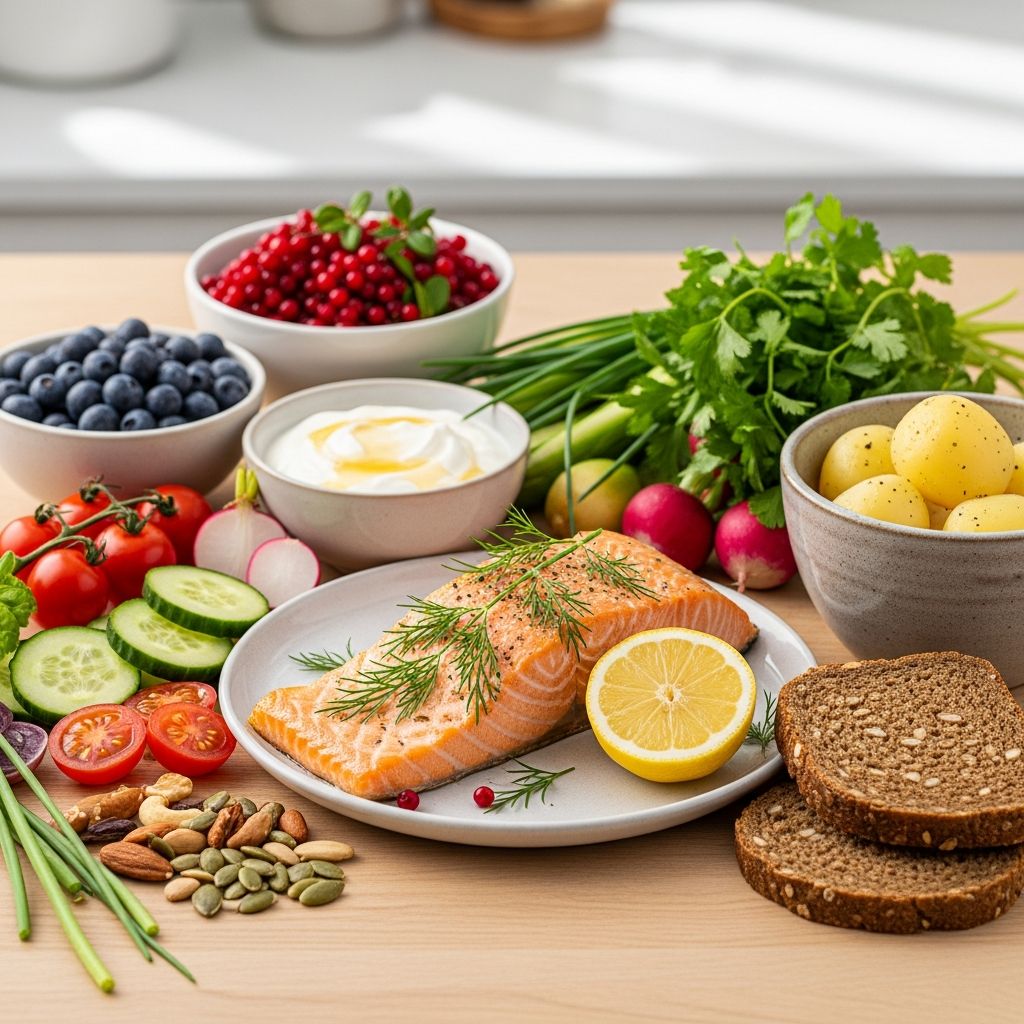
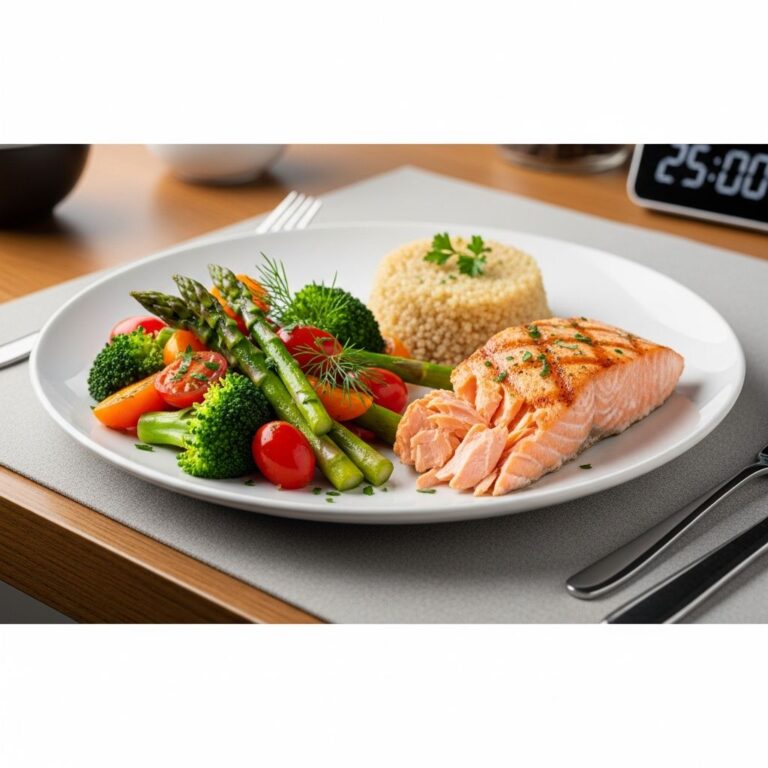
The Nordic diet is a sustainable eating pattern rooted in traditional Scandinavian cuisine, emphasizing locally sourced, seasonal whole foods like vegetables, berries, whole grains, fish, and legumes to promote health and environmental well-being.
Developed by researchers at the University of Copenhagen and inspired by renowned chef René Redzepi of NOMA restaurant, this diet—also called the New Nordic Diet (NND)—prioritizes health, gastronomy, Nordic identity, and sustainability.
What Is the Nordic Diet?
The Nordic diet draws from the fresh, nutrient-dense foods of Denmark, Norway, Sweden, Finland, Iceland, and Greenland, focusing on plant-based meals with moderate animal products. It promotes mindful eating, often shared with family, and uses ingredients like lingonberries, root vegetables, rye bread, and oily fish.
Key principles include:
- More fruits, vegetables, and seasonal, organic produce, especially cruciferous veggies like kale, broccoli, cabbage, and root vegetables such as carrots and beets.
- Whole grains like rye, barley, oats, and pumpernickel over refined grains.
- Fish and seafood (up to three servings weekly), prioritizing sustainable, oily varieties rich in EPA and DHA.
- Higher-quality, grass-fed meats in small amounts; favor plant proteins like legumes, nuts, and seeds.
- Healthy fats from rapeseed (canola) oil, nuts, seeds, and limited low-fat dairy.
- Less processed foods, sugars, red/processed meats, and sugary drinks.
- Cooking at home, minimizing waste, and choosing local, wild foods.
This approach aligns with Nordic Nutritional Recommendations, creating a cardioprotective profile high in fiber, polyunsaturated fats, and antioxidants while low in saturated fats, salt, and sugars.
Foods to Eat on the Nordic Diet
The diet features abundant plant foods and sustainable seafood. Here’s a breakdown:
| Category | Examples |
|---|---|
| Vegetables | Cabbage, Brussels sprouts, kale, broccoli, carrots, beets, turnips, fennel, salad greens |
| Fruits & Berries | Apples, pears, lingonberries, blackberries, strawberries (local and seasonal) |
| Whole Grains | Rye bread, oats, barley, crispbreads, pumpernickel |
| Proteins | Fish (herring, salmon), seafood, legumes (lentils, chickpeas), nuts, seeds (chia, flax), free-range eggs, game meats (reindeer, elk) in moderation |
| Dairy | Low-fat or unsweetened Icelandic yogurt, skyr |
| Fats | Rapeseed oil, olive oil, nuts, seeds |
Seaweed and wild greens add unique Nordic flair.
What to Limit or Avoid
- Red and processed meats (e.g., bacon, sausages)
- Sugary foods, snacks, and beverages
- Refined grains (white bread, pasta)
- Processed and packaged goods with additives
- Excessive animal fats like butter
- Low-quality dairy and cured meats
These restrictions support a low-glycemic load, aiding satiety and metabolic health.
Health Benefits of the Nordic Diet
Research shows the Nordic diet reduces risks of chronic diseases. Long-term trials link it to weight loss, improved blood lipids, lower inflammation, and better cardiovascular health.
- Heart Health: High in omega-3s from fish and fiber from whole grains; low in saturated fats. Studies show reduced LDL cholesterol and blood pressure.
- Weight Management: Ad libitum eating leads to sustainable weight loss due to high protein, fiber, and volume.
- Diabetes Prevention: Low-glycemic foods stabilize blood sugar; similar to DASH and Portfolio diets.
- Metabolic Health: Lowers inflammation and supports gut health via antioxidants and prebiotics in berries and grains.
- Mental Well-Being: Mindful, communal eating may boost mood; nutrient density aids brain health.
- Sustainability: Local sourcing cuts carbon footprint, supports biodiversity.
Related Stories



A scoring system (Baltic Sea Diet Score) measures adherence via intake of Nordic fruits, veggies, grains, fish, low-fat dairy, and limited meats/fats.
Nordic Diet vs. Mediterranean Diet
Both are plant-forward and cardioprotective, but differ in fats and foods:
| Aspect | Nordic Diet | Mediterranean Diet |
|---|---|---|
| Primary Fat | Rapeseed/canola oil (polyunsaturated) | Olive oil (monounsaturated) |
| Grains | Rye, barley, oats | Wheat, couscous |
| Fruits | Berries, apples, pears | Citrus, figs, grapes |
| Vegetables | Root veggies, cruciferous | Tomatoes, eggplant |
| Protein | Fish, legumes, game | Fish, legumes, more red wine |
The Nordic diet is more sustainability-focused with local Nordic staples.
Sample Nordic Diet Meal Plan
A typical day balances veggies, protein, and grains:
Breakfast
- Steel-cut oats with lingonberries, chia seeds, and unsweetened skyr yogurt
- Poached eggs with steamed kale and rye crispbread
Lunch
- Smoked salmon salad with mixed greens, beets, apples, and rapeseed oil dressing
- Vegetable-legume soup with barley bread
Dinner
- Baked herring with roasted root vegetables (carrots, parsnips) and quinoa
- Lean venison stir-fry with cabbage, onions, and whole-grain rye
Snacks
- Handful of nuts and fresh pear
- Yogurt with berries
- Carrot sticks with hummus
Adjust portions for calorie needs; aim for colorful plates.
Is the Nordic Diet Healthy?
Yes, backed by randomized trials and observational data showing benefits for CVD risk factors, weight, and metabolic health. It’s adaptable globally with local swaps, like UK berries for Nordic ones. Challenges include access to fresh fish and seasonal produce, but it fosters enjoyable, eco-friendly eating.
Frequently Asked Questions
What are the main principles of the Nordic diet?
It emphasizes local, seasonal whole foods: more veggies/berries, whole grains, fish, healthy fats; less processed items and red meat.
Can the Nordic diet help with weight loss?
Yes, its high-fiber, protein-rich meals promote satiety and ad libitum weight reduction in studies.
Is the Nordic diet good for heart health?
Absolutely; it lowers cholesterol and blood pressure via omega-3s, fiber, and low sodium.
How does it differ from the Mediterranean diet?
Nordic uses rapeseed oil and rye/berries; Mediterranean favors olive oil and tomatoes—both healthy but regionally adapted.
Is the Nordic diet sustainable?
Yes, prioritizing local, organic, wild foods reduces environmental impact.
References
- What Is the Nordic Diet? Benefits, Meal Plan, What You Can Eat — DrAxe.com. 2023. https://draxe.com/nutrition/nordic-diet/
- New Nordic Diet — Heart UK. 2024-01-15. https://www.heartuk.org.uk/dietary-patterns/new-nordic-diet
- What Is The Nordic Diet? — WebMD. 2023-05-20. https://www.webmd.com/diet/ss/slideshow-nordic-diet
- [Healthy Shift] The Nordic Diet — Compass Group Hong Kong. 2024. https://www.compass-hk.com/media-news/healthy-shift-the-nordic-diet/
- Nordic Diet — Ernaehrungs-Umschau (PDF). 2017-01. https://www.ernaehrungs-umschau.de/fileadmin/Ernaehrungs-Umschau/pdfs/pdf_2017/01_17/01_17_neu_mit_Autorenhinweis/EU01_2017_englisch_Nordic_Diet.pdf
- The Mediterranean and Nordic Diet: A Review of Differences — NIH PMC. 2021-07-12. https://pmc.ncbi.nlm.nih.gov/articles/PMC8270004/
Similar Articles








Read full bio of Sneha Tete