What Is the Nutrition Focused Physical Exam?
Discover how the nutrition-focused physical exam helps dietitians identify malnutrition through hands-on assessment of muscle, fat, and overall nutrition status.
The
nutrition-focused physical exam (NFPE)
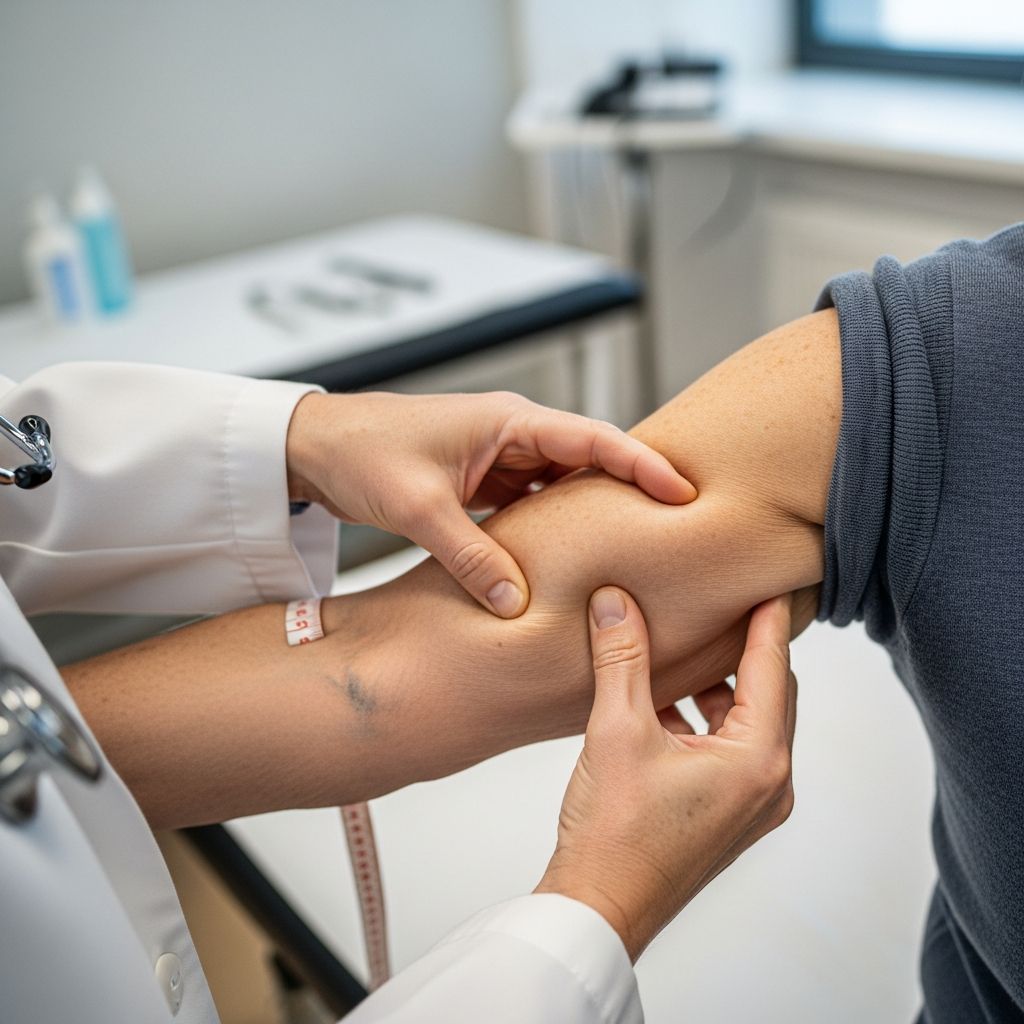
is a targeted physical assessment performed by registered dietitian nutritionists (RDNs) to evaluate a patient’s nutritional status, particularly for signs of malnutrition. Unlike general physical exams, the NFPE zeroes in on indicators like muscle and fat loss, fluid imbalances, and micronutrient deficiencies, using observation, palpation, and simple measurements. This hands-on approach empowers RDNs to make objective malnutrition diagnoses based on standardized criteria from the Academy of Nutrition and Dietetics and ASPEN.NFPE is essential in clinical settings, from hospitals to outpatient care, as it provides immediate, non-invasive insights complementing lab tests, dietary history, and anthropometrics. It helps identify subtle changes in body composition that weight alone might miss, especially when fluid shifts mask true nutritional deficits. By systematically examining key body sites, RDNs can document findings to support nutrition diagnoses and interventions.
Why Perform a Nutrition-Focused Physical Exam?
Malnutrition affects up to 50% of hospitalized patients and is linked to poor outcomes, longer stays, and higher costs. Traditional diagnostics like labs can lag, but NFPE offers real-time detection of sarcopenia, cachexia, or overnutrition. Key reasons include:
- Objective Malnutrition Diagnosis: Uses ASPEN/Academy criteria: unintended weight loss (>5% in 1 month, >7.5% in 3 months), reduced intake (<75% needs), and physical findings of loss in muscle mass or fat stores.
- Holistic Assessment: Captures functional impacts like grip strength, revealing how nutrition affects daily living.
- Early Intervention: Spots micronutrient issues (e.g., dry skin for vitamin A deficiency) before severe complications.
- Documentation Strength: Supports PES statements (Problem, Etiology, Signs/Symptoms) for reimbursable nutrition care plans.
Competency in NFPE requires training, practice, and validation, often through workshops offering hands-on simulations and case studies.
Key Components of the NFPE
The NFPE follows a head-to-toe systematic approach, starting with overall impressions and progressing to specific sites. Core areas include muscle and fat stores, fluid status, skin/hair/nails, oral cavity, and functional measures.
Overall Appearance and First Impressions
Begin with a general scan: level of consciousness, distress signs, dress, nutrient deficiencies, involuntary movements, or paralysis. Note body positioning, language, habitus, amputations, communication ability, and affect. Alertness and posture provide initial clues to energy reserves and cognition.
Muscle Mass Assessment
Muscle wasting signals protein-energy malnutrition. Palpate and observe these sites:
- Temple (Temporalis): Hollowing or depression indicates severe loss; slight dip for mild-moderate; well-defined in nourished.
- Clavicle/Shoulder (Pectoralis, Deltoid, Trapezius): Prominent bones with minimal muscle in severe cases; visible contours in moderate; full padding normally.
- Shoulder Blade (Scapula): Sunken or winged appearance shows wasting.
- Hand/Thenar Eminence: Thin pads signal loss.
- Anterior Thigh (Quadriceps): Square, bony look severe; hollow mild; protruding muscle normal.
- Patellar Region: Prominent knee cap severe; rounded moderate; muscle-covered normal.
- Posterior Calf (Gastrocnemius): Minimal tissue severe; underdeveloped moderate; bulbous normal.
Use palpation: grasp muscles gently; compare sides for asymmetry.
Fat Store Assessment
Pinch skinfolds to gauge subcutaneous fat:
| Exam Area | Tips | Severe Malnutrition | Mild-Moderate | Well-Nourished |
|---|---|---|---|---|
| Orbital (Eyes) | View frontally, touch cheekbone | Hollow, dark circles, sunken | Shadowed appearance | Full, smooth |
| Upper Arm (Triceps) | Bend arm, pinch skin (no muscle) | Fingers touch or gap | Some depth | Ample fat |
| Ribs/Lower Back (Mid-axillary) | Press hands on hips, view back | Prominent ribs, deep depressions | Visible ribs | Soft contours |
| Iliac Crest | Pinch above hip bone | Bony prominence | Thin pad | Thick fold |
These visuals differentiate malnutrition severity.
Fluid Status: Edema and Dehydration
Edema: Press shin or sacrum for 3 seconds; >2mm pit indicates retention. Bilateral pitting suggests nutrition/fluid overload.
Dehydration: Check skin turgor (slow recoil), mucous membranes (dry/sticky), eyes (sunken), urine (dark/concentrated). Vital signs: low BP, tachycardia. Fluid masks weight loss, so NFPE clarifies.
Skin, Hair, Nails, and Mucous Membranes
Inspect for deficiencies:
- Skin: Dry/cracked (A, zinc); petechiae (C); hyperpigmentation (B12).
- Hair: Brittle (protein); sparse (iron, zinc).
- Nails: Spooning (iron); white spots (zinc).
- Mouth: Glossitis (B vitamins), bleeding gums (C), ulcers (iron).
Scalp: Dull hair; note lesions or pressure ulcers signaling poor nutrition.
Functional Assessment
Grip Strength: Use dynamometer; <20kg men/<12kg women flags impairment. Correlates with muscle function.
For pediatrics: MUAC, weight velocity.
Vital Signs and Measurements
Integrate BMI z-scores, MUAC, weight trends. Fluid affects scales; NFPE reveals true composition.
How to Perform the NFPE Step-by-Step
1. Prepare: Wash hands, explain process, ensure privacy.
2. Observe Overall: Posture, distress.
3. Head/Neck: Temples, clavicles, hair.
4. Torso: Ribs, scapula, abdomen.
5. Extremities: Arms, thighs, calves; pinch fat, check edema.
6. Functional: Grip, ambulation.
7. Document: Use photos/charts if allowed.
Practice via simulations builds competency.
Documentation and PES Statements
Use “Nutrition-Focused Physical Findings” heading. Subheadings: appearance, CV-pulmonary, extremities, GI, head/eyes, skin, vitals. Integrate into PES: e.g., “Inadequate protein-energy intake (NI-1.2) related to poor appetite as evidenced by temporal wasting and 8% weight loss in 3 months”. Strengthens malnutrition coding.
Frequently Asked Questions (FAQs)
Q: Who performs the NFPE?
A: Trained RDNs, often after workshops for competency.
Q: How long does an NFPE take?
A: 5-15 minutes, depending on depth.
Q: Can NFPE diagnose malnutrition alone?
A: No, combines with weight loss/intake per ASPEN criteria.
Q: Is training required?
A: Yes, hands-on practice recommended; workshops offer CPEUs.
Q: How does NFPE differ from physician exams?
A: Nutrition-specific focus on body composition for diet interventions.
Training and Resources for RDNs
Workshops cover muscle/fat assessment, edema, micronutrients, coding. Handbooks illustrate findings. Ongoing competency: 2 assessments/year.
NFPE transforms nutrition care by bridging subjective history with tangible findings, improving outcomes.
References
- Nutrition Focused Physical Examination: Overview and application — Western Michigan University. 2016. https://med.wmich.edu/sites/default/files/B6_3.pdf
- What Is the Nutrition Focused Physical Exam? — Academy of Nutrition and Dietetics. Accessed 2026. https://www.eatright.org/health/health-conditions/malnutrition-and-deficiencies/what-is-the-nutrition-focused-physical-exam
- Nutrition Focused Physical Exam (NFPE) — Indiana Academy of Nutrition and Dietetics. 2017-04-13. https://www.eatrightin.org/wp-content/uploads/2020/08/Indiana-NFPE-presentation.pdf
- Nutrition Focused Physical Exam Hands-on Training Workshop — Academy of Nutrition and Dietetics. Accessed 2026. https://www.eatrightpro.org/nfpe
- Overview of Nutrition Focused Physical Examination in Adults — Rutgers School of Health Related Professions. 2016-04-22. https://eatrightinternational.org/wp-content/uploads/2017/06/intro-to-nfpe-april-20-2016-handout.pdf
- Nutrition Focused Physical Examination Components Specific — NIH/PMC. Accessed 2026. https://pmc.ncbi.nlm.nih.gov/articles/PMC12284346/
- Nutrition-Focused Physical Exam for Adults: An Illustrated Handbook — ASPEN. Accessed 2026. https://nutritioncare.org/bookstore/nutrition-focused-physical-exam-for-adults-an-illustrated-handbook-second-edition/
- Role of the nutrition‐focused physical examination in identifying — ASPEN Journals. 2022. https://aspenjournals.onlinelibrary.wiley.com/doi/10.1002/ncp.10797
Similar Articles



Read full bio of medha deb