Comprehensive OMAD Diet Guide: Benefits, Risks, and Meal Ideas
Discover the one-meal-a-day diet: potential benefits for weight loss, key risks, and expert insights on safety and sustainability.
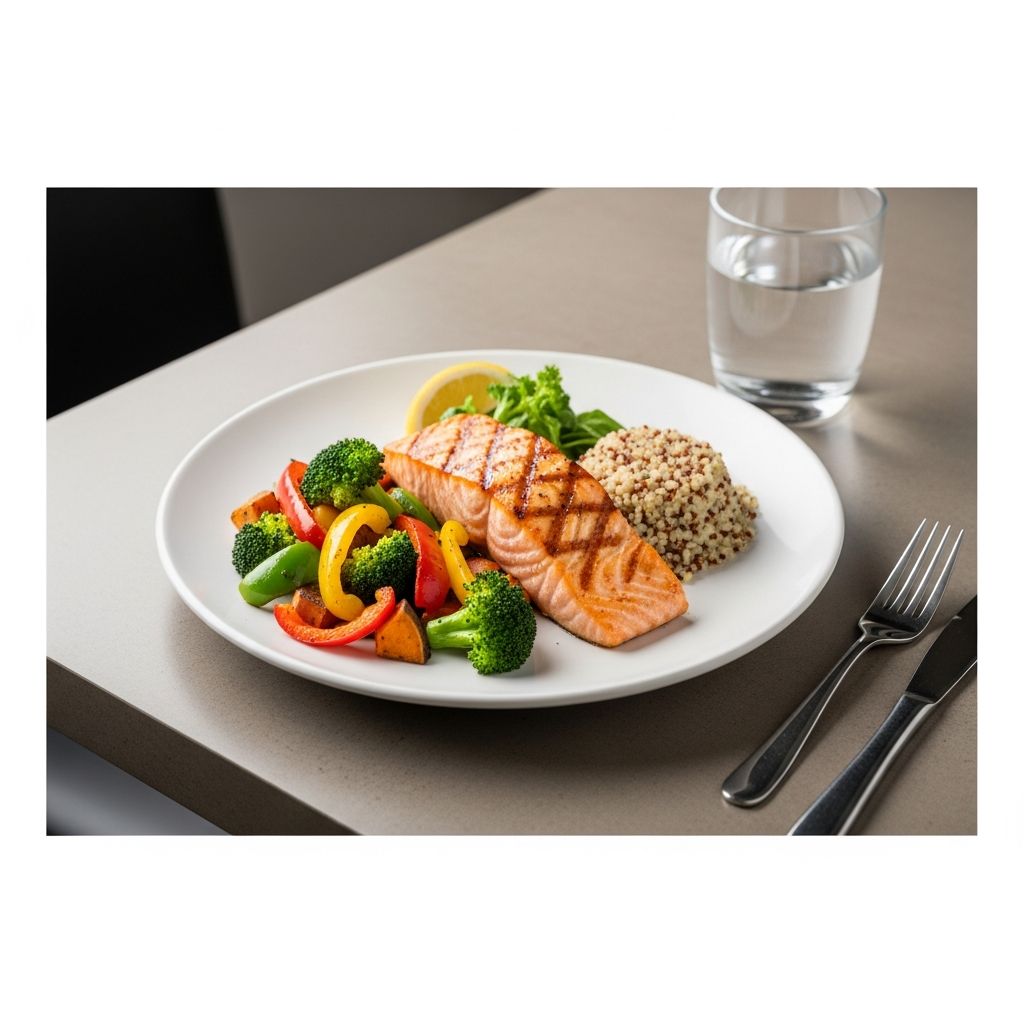
The OMAD diet, short for “One Meal a Day,” is an extreme form of intermittent fasting where individuals consume all their daily calories in a single meal, typically within a 1-hour window, and fast for the remaining 23 hours. This approach aims to simplify eating patterns and promote weight loss by creating a significant calorie deficit and encouraging the body to burn fat stores for energy.
What Is Intermittent Fasting?
Intermittent fasting (IF) refers to eating patterns that cycle between periods of eating and fasting, rather than focusing on what to eat. Common methods include 16:8 (fasting for 16 hours, eating within 8), 5:2 (normal eating five days, restricted calories two days), and the more restrictive OMAD, or 23:1 fasting. Proponents claim IF improves metabolic health, but OMAD pushes the limits with its prolonged fasting period.
During fasting windows, the body shifts from using glucose to fat for fuel, a process called ketosis or fat oxidation, which may enhance metabolic flexibility. A 2022 study showed that a single evening meal increased fat oxidation during exercise, though the sample was small.
What Is the OMAD Diet?
In the OMAD diet, you select a 1-2 hour eating window—often dinner between 4-7 p.m.—and consume all nutrients needed for the day in that meal. No calories are allowed outside this window, but zero-calorie drinks like water, black coffee, and unsweetened tea are permitted to curb hunger. Unlike traditional diets, OMAD imposes no food restrictions, allowing flexibility in choices from pizza to salads.
This simplicity appeals to busy people, eliminating meal planning and calorie counting. However, the extended fast demands discipline, as the body adapts to using stored energy.
Potential Health Benefits of OMAD
OMAD enthusiasts report several benefits, primarily tied to calorie reduction and fasting physiology:
- Weight Loss: By limiting intake to one meal, most people naturally consume fewer calories, leading to fat loss. Studies link fewer meals per day to lower BMI, though OMAD isn’t superior to standard calorie restriction.
- Simplified Eating: No need to track macros or avoid foods, reducing decision fatigue.
- Improved Fat Burning: Prolonged fasting boosts fat oxidation, potentially aiding body composition.
- Appetite Control: Some experience reduced hunger over time due to hormonal changes, like lower ghrelin after adaptation.
Research on IF supports metabolic benefits like better insulin sensitivity, but OMAD-specific evidence is limited and often from small studies.
OMAD Diet Risks and Downsides
While appealing for quick results, OMAD carries notable risks:
- Nutrient Deficiencies: Fitting all daily vitamins, minerals, protein, and fiber into one meal is challenging, risking shortfalls in essentials like calcium or fiber.
- Muscle Loss: Extreme calorie restriction may reduce lean mass, increasing metabolic disease risk.
- Side Effects: Common issues include fatigue, dizziness, irritability, headaches, and brain fog during adaptation.
- Metabolic Changes: A 2007 study found single-meal eating raised LDL cholesterol and blood pressure despite weight loss.
- Hunger and Cravings: Initial ghrelin spikes can intensify hunger.
- Binge Risk: Without restrictions, overeating processed foods during the window is common.
Related Stories



Long-term sustainability is low, as social events and lifestyles clash with rigid timing.
Is OMAD Safe?
OMAD isn’t universally safe and lacks robust long-term studies. Short-term, healthy adults may tolerate it with monitoring, but risks outweigh benefits for many. A small 2022 study noted weight loss and fat oxidation benefits from evening OMAD, but larger trials are needed.
Experts caution against it due to potential muscle loss and nutrient gaps. It’s no more effective for weight loss than balanced calorie reduction.
A Registered Dietitian’s Perspective on OMAD
From a dietitian’s view, OMAD oversimplifies nutrition. While IF like 16:8 offers flexibility, OMAD’s extremity hinders meeting needs. Focus on nutrient-dense meals with lean proteins, veggies, whole grains, and healthy fats. Hydrate well and ease in gradually. Consult professionals before starting, especially with health conditions.
What To Eat on OMAD (With Meal Plan Ideas)
Prioritize nutrient density to maximize one meal’s impact. Aim for 1,500-2,500 calories based on needs, balancing macros: 40-50% carbs, 25-30% protein, 25-30% fats.
| Food Group | Examples | Benefits |
|---|---|---|
| Proteins | Chicken, fish, eggs, tofu, lentils | Satiety, muscle maintenance |
| Veggies | Broccoli, spinach, peppers (unlimited) | Fiber, vitamins, volume |
| Whole Grains | Quinoa, brown rice, sweet potatoes | Sustained energy |
| Healthy Fats | Avocado, nuts, olive oil | Nutrient absorption |
| Fruits | Berries, apples | Antioxidants |
Sample Meal Ideas:
- Mediterranean Feast: Grilled salmon, quinoa salad with veggies, olive oil dressing, Greek yogurt with berries (≈1,800 cal).
- Vegetarian Power Bowl: Tofu stir-fry with broccoli, brown rice, avocado, nuts.
- High-Protein Plate: Turkey breast, sweet potato, large green salad, fruit.
Avoid excess processed sugars to prevent spikes.
Who Should Not Try OMAD
Certain groups must avoid OMAD:
- Pregnant or breastfeeding women
- Children and teens
- Older adults
- Those with eating disorder history
- Diabetics or hypoglycemics
- People on insulin or food-dependent meds
- Those with metabolic disorders or obesity (paradoxically risky)
Always consult a doctor.
Frequently Asked Questions (FAQs)
What is the OMAD diet?
A form of 23:1 intermittent fasting with one daily meal.
Does OMAD work for weight loss?
Yes, via calorie deficit, but not better than other methods.
Is OMAD safe long-term?
Likely not, due to nutrient and muscle risks; more research needed.
What can I drink during OMAD fasting?
Water, black coffee, unsweetened tea.
How much should I eat in my OMAD meal?
Enough for daily needs (1,500-2,500 cal), nutrient-focused.
Bottom Line
OMAD offers simplicity and potential short-term weight loss but poses risks like deficiencies and unsustainability. Milder IF may be safer. Prioritize whole foods and professional advice for health.
References
- One meal a day: Health benefits and risks — Medical News Today. 2022. https://www.medicalnewstoday.com/articles/320125
- OMAD: Should You Eat Just One Meal A Day? — Sweat. 2023. https://sweat.com/blogs/nutrition/omad-diet
- The OMAD Diet: Fab or Fad? Benefits & Risks — MegaWeCare. 2023. https://www.megawecare.com/good-health-by-yourself/nutrition/one-meal-a-day-omad-diet
- Eating One Meal a Day: What Happens to Your Body? — Vinmec. 2023. https://www.vinmec.com/eng/blog/one-meal-a-day-what-happens-to-your-body-en
- OMAD Diet: Benefits and Risks — Healthgrades. 2024. https://resources.healthgrades.com/right-care/food-nutrition-and-diet/omad-diet
- One Meal a Day Diet: Benefits, Risks, and More — Healthline. 2023. https://www.healthline.com/health/one-meal-a-day
- Differential Effects of One Meal per Day in the Evening on Metabolic… — PMC (NCBI). 2022-01-11. https://pmc.ncbi.nlm.nih.gov/articles/PMC8787212/
Similar Articles








Read full bio of Sneha Tete