Vertical Diet: Complete Guide To Benefits, Foods, Meal Plan
Explore the Vertical Diet: A performance-focused eating plan emphasizing easy-to-digest foods like red meat and white rice for muscle gain and gut health.
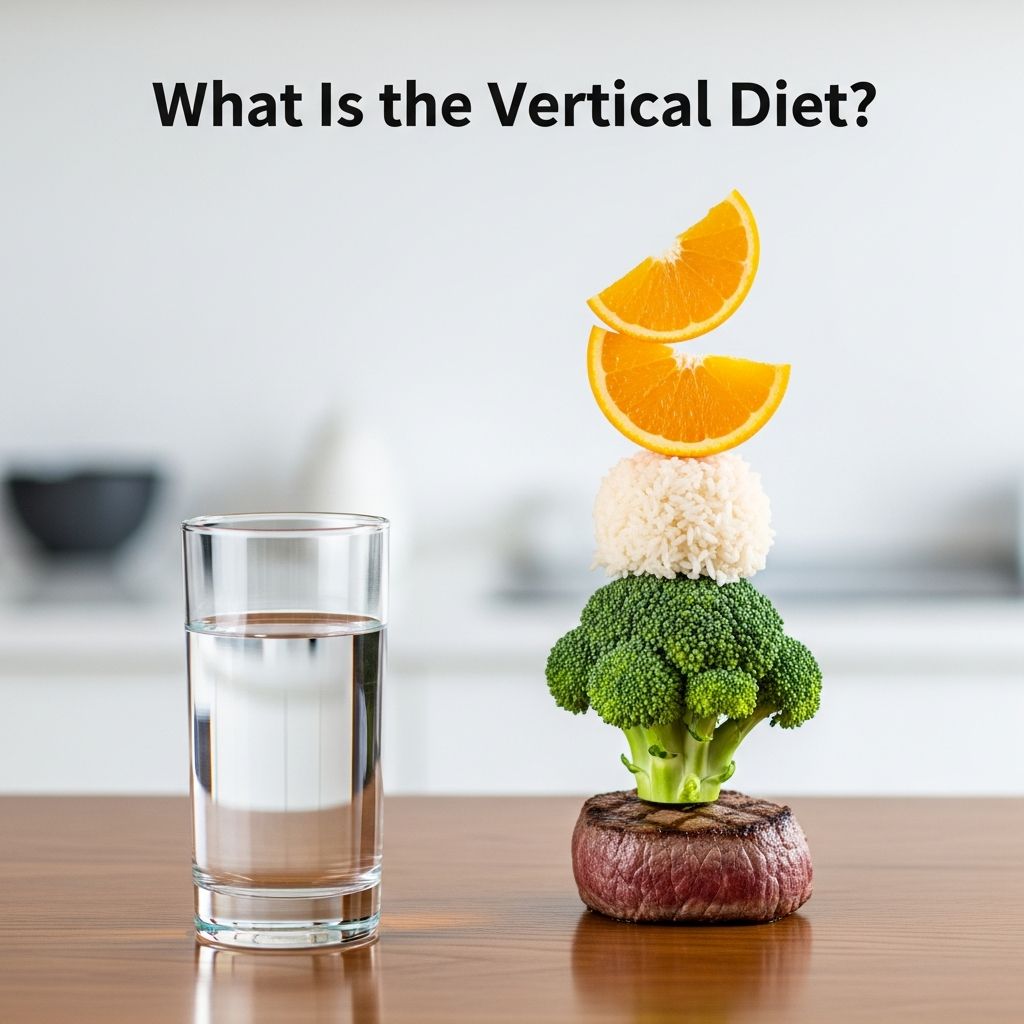
The Vertical Diet is a performance-oriented eating plan developed by professional bodybuilder and powerlifter Stan Efferding to optimize digestion, nutrient absorption, and athletic performance. Unlike traditional “horizontal” diets that emphasize a broad variety of foods, the Vertical Diet focuses on a narrow selection of highly bioavailable, easily digestible foods, allowing individuals to consume larger volumes of calories without gastrointestinal distress.
Structured like an inverted ‘T,’ the diet’s “vertical” core consists primarily of red meat and white rice, providing dense macronutrients, while the “horizontal” base incorporates micronutrient-rich foods in moderation to support overall health. Efferding promotes it in his book The Vertical Diet as a sustainable framework for muscle gain, fat loss, and improved gut health, though scientific evidence supporting its unique claims remains limited.
How the Vertical Diet Works
The Vertical Diet flips conventional nutrition advice by prioritizing digestibility over variety. Efferding argues that many nutrient-dense foods, while healthy, can cause bloating or incomplete absorption, hindering athletes who need high caloric intake. By “going vertical,” followers build meals around simple, low-residue foods that the body processes efficiently.
The plan divides into two parts:
- Vertical Component (80-90% of calories): High-volume macronutrients like red meat (rich in protein, iron, B-vitamins, zinc, and creatine) and white rice (fast-digesting carbs). These form the bulk of intake to fuel intense training.
- Horizontal Component (micronutrient support): Limited low-FODMAP fruits, vegetables, full-fat dairy, and eggs to fill nutritional gaps without overloading digestion.
This structure enables easier consumption of 4,000+ calories daily, ideal for strength athletes struggling with appetite on high-fiber diets. It can adapt to various patterns like high-carb bulking or intermittent fasting.
Benefits of the Vertical Diet
Proponents claim the Vertical Diet enhances metabolism, gut health, and performance by maximizing nutrient uptake. Key reported benefits include:
- Improved Digestion and Gut Health: Low-FODMAP emphasis reduces bloating, gas, and IBS-like symptoms, allowing more food intake without discomfort.
- Muscle Growth and Recovery: Red meat’s complete amino acids and creatine support hypertrophy and post-workout repair.
- Weight Management: High satiety from protein and carbs aids fat loss or lean bulking by simplifying calorie surplus/deficit tracking.
- Enhanced Performance: Efficient carb loading with white rice boosts glycogen for powerlifting and bodybuilding.
- Overall Health Improvements: Minimizes processed sugars and irritants, potentially stabilizing blood sugar and cholesterol.
Athletes like powerlifters report easier adherence during contest prep, with some gaining strength without GI issues.
Vertical Diet Food List
The diet restricts to gut-friendly, nutrient-packed options. Core foods:
| Category | Recommended Foods | Why Included |
|---|---|---|
| Proteins (Vertical Core) | Red meat (ribeye, sirloin, ground beef), eggs | Micronutrient-dense; high bioavailability of iron, zinc, B12, creatine |
| Carbs (Vertical Core) | White rice, white potatoes, sushi rice | Easy digestion; rapid glycogen replenishment |
| Dairy | Full-fat milk, cheese, yogurt | Calcium, probiotics; low-lactose options for tolerance |
| Vegetables (Horizontal) | Low-FODMAP: carrots, spinach, zucchini, lettuce, cucumbers, bell peppers | Micronutrients without fermentation |
| Fruits (Horizontal, Limited) | Low-FODMAP: strawberries, blueberries, oranges, bananas (ripe) | Antioxidants, vitamins in small amounts |
| Fats | Avocado, olive oil, butter | Calorie-dense for bulking |
Related Stories



Avoid: High-FODMAP foods (onions, garlic, broccoli, beans), processed junk, added sugars, alcohol.
Sample Vertical Diet Meal Plan
A typical day for a 200-lb athlete aiming for 4,000 calories might look like this:
- Meal 1 (Peri-Workout Shake): 2 cups full-fat milk, 4 oz ground beef, 1 cup white rice, raw carrots. (~800 cal)
- Meal 2: 12 oz ribeye steak, 2 cups white rice, spinach salad with olive oil. (~1,200 cal)
- Meal 3: 8 oz sirloin, 2 baked potatoes, Greek yogurt. (~900 cal)
- Meal 4: 1 lb ground beef, 3 cups rice, bell peppers. (~1,100 cal)
- Snacks: Eggs, cheese, fruit smoothies. Total: High protein (~250g), carbs (~500g), moderate fat.
Adjust portions based on goals; sip milk between meals for electrolytes.
Is the Vertical Diet Healthy? Potential Downsides
While effective for short-term athletic use, long-term adherence raises concerns. Red meat-heavy intake may elevate heart disease risk via saturated fats and heme iron, per population studies. White rice lacks fiber, potentially harming gut microbiome diversity.
- Limited Variety: Risks nutrient deficiencies (e.g., vitamin C, fiber) without careful horizontal additions.
- No Strong Evidence: Claims lack randomized trials; benefits may stem from calorie control, not uniqueness.
- Not for Everyone: High meat could worsen kidney strain or gout; vegans/vegetarians need major adaptations.
- Sustainability: Monotony leads to dropout; not ideal for general weight loss.
Consult a doctor, especially with GI or heart conditions. Dietitians recommend it cyclically for athletes only.
Frequently Asked Questions
Who created the Vertical Diet?
Stan Efferding, a pro bodybuilder, with input from experts like Damon McCune, Ph.D., R.D.
Is the Vertical Diet good for weight loss?
It can support fat loss via high protein and calorie precision, but it’s designed for performance/muscle gain.
Can vegetarians follow the Vertical Diet?
Possible with eggs, dairy, and plant proteins, but deviates from red meat core; nutrient gaps likely.
How does it differ from keto or paleo?
High-carb (rice-focused) vs. keto’s low-carb; more processed-tolerant than strict paleo, emphasizes digestion.
Does the Vertical Diet improve gut health?
It may reduce bloating short-term via low-FODMAP, but long-term fiber scarcity could harm microbiome.
References
- Diets Decoded: The Vertical Diet — Nutritious Life. 2023. https://nutritiouslife.com/eat-empowered/what-is-the-vertical-diet/
- The Vertical Diet: Benefits, Food to Eat, How It Works — Prevention. 2023-10-15. https://www.prevention.com/weight-loss/diets/a46179680/vertical-diet/
- Vertical Diet 101 — 1UP Nutrition. 2024. https://1upnutrition.com/blogs/fitness-blog/diet-101-vertical-diet
- Vertical Diet: Everything You Need to Know About Meat & Rice Diet — Squatwolf. 2023. https://squatwolf.com/blogs/nutrition/the-vertical-diet
- Keto, Paleo, and Vertical Diets: Are they healthy for everyone? — One Medical. 2022-05-20. https://www.onemedical.com/blog/diet-nutrition/keto-paleo-vertical-diets-are-they-healthy/
- The Vertical Diet: A Dietitian’s Review — Ideal Nutrition. 2023. https://www.idealnutrition.com.au/the-vertical-diet-a-dietitians-review/
Similar Articles








Read full bio of medha deb