Gut Microbiome: 5 Key Functions And How To Maintain It
Discover how your gut microbiome affects digestion, immunity, and overall health.
Understanding Your Gut Microbiome
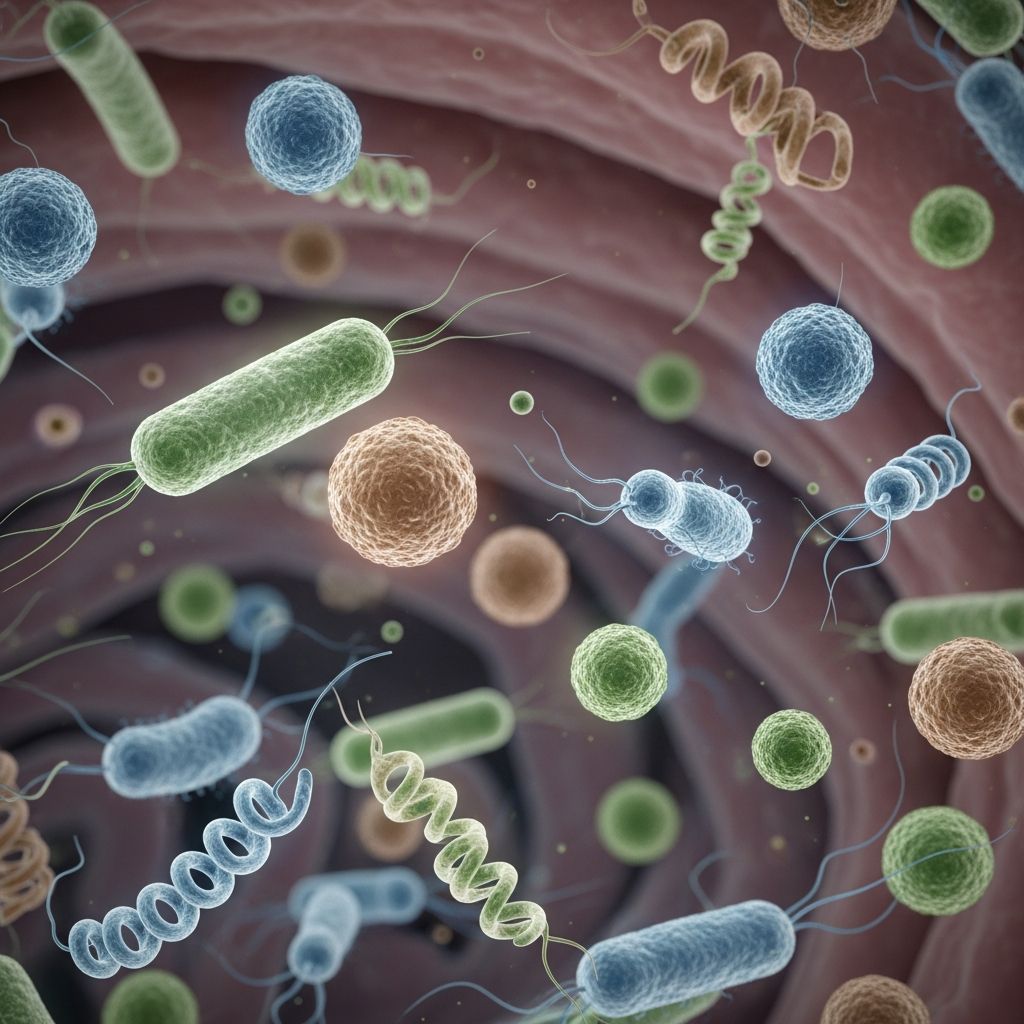
Your gut microbiome is far more than just bacteria—it’s a complex, living ecosystem that exists within your intestines and plays a crucial role in your overall health and wellbeing. This microscopic world consists of trillions of microorganisms that work together in a delicate balance to support essential bodily functions. Unlike what many people assume, your gut microbiome is not located in your stomach but rather in your large and small intestines, where the majority of these microbes reside and flourish.
The term “gut microbiome” refers to the complete environment surrounding the microorganisms in your digestive tract. This includes the microorganisms themselves—collectively known as microbiota—as well as the proteins, metabolites, and genetic material they produce, along with your own body’s proteins and metabolites present in this setting. Understanding this distinction is important because the microbiome encompasses not just the organisms but the entire ecosystem and all the interactions within it.
What Comprises Your Gut Microbiota
Your gut microbiota is composed of a diverse array of microorganisms, not just bacteria. This complex community includes bacteria, fungi, yeast, viruses, and other microscopic organisms that have evolved to thrive in the specific environment of your intestines. Each of these organisms plays different roles in maintaining your digestive health and supporting various physiological functions.
The specific types of bacteria that live in your colon are distinctly different from those found elsewhere in your digestive tract. Most colon bacteria are anaerobic, meaning they require a low-oxygen environment to survive and reproduce. The upper portions of your gastrointestinal tract, with their higher oxygen levels, faster movement, and strong digestive juices, are simply not conducive to these bacteria’s survival. This specialization is not a limitation but rather an adaptation that allows these organisms to perform their unique functions within the colon.
Essential Functions of Your Gut Microbiome
Your gut microbiome oversees numerous physiological functions that are vital to your survival and wellbeing. These functions extend far beyond simple digestion and include intestinal homeostasis, mucosal barrier function, inflammation regulation, immune system development and maintenance, metabolic balance, and endocrine equilibrium. This extensive range of responsibilities demonstrates why maintaining a healthy microbiome is so important for your overall health.
Immune System Development and Support
One of the most remarkable functions of your gut microbiome is its role in developing and maintaining your immune system. During infancy, your gut microbiome helps establish and develop your gut immune system by exposing it to various microorganisms and training it to respond appropriately to different threats. This early microbial exposure is crucial for developing tolerance to beneficial organisms while building defenses against harmful pathogens. As you age into adulthood, your microbiome continues to maintain this carefully balanced immune response, helping to protect you from infections while preventing inappropriate immune reactions that could lead to inflammation or autoimmune conditions.
Nutrient Production and Synthesis
Beyond breaking down food, your gut bacteria perform the remarkable task of synthesizing essential nutrients, vitamins, enzymes, and hormones that your body needs. These microorganisms can produce compounds that you cannot synthesize on your own, making them an integral part of your nutritional system. Additionally, the byproducts of helpful gut bacteria, known as short-chain fatty acids (SCFAs), provide important benefits for your immune system and overall health.
Barrier Function and Protection
Short-chain fatty acids produced by beneficial gut bacteria help maintain your gut barrier, which is one of your body’s most important defenses. This barrier keeps bacteria and bacterial toxins contained within your intestines and prevents them from escaping into your bloodstream, where they could trigger systemic inflammation and cause illness. Additionally, these fatty acids have powerful anti-inflammatory properties that protect your gut lining from damage. Secretory immunoglobulin A (SIgA), an antibody that helps protect mucosal surfaces throughout your body, is also essential for this barrier function. SIgA binds continuously to microbes in your gut, preventing them from reaching and interacting with your intestinal tissue.
Related Stories



Fiber Breakdown and Metabolism
Anaerobic bacteria in your colon perform the crucial function of breaking down indigestible fibers in your digestive tract. These are foods that your own digestive enzymes cannot process, but which your microbial partners can ferment into useful metabolites. Without these bacteria, a significant portion of plant-based foods would pass through your system undigested, depriving you of their benefits.
Microbial Competition and Protection
Helpful gut microbes also compete directly with unhelpful bacteria for territory and nutrients within your intestines. By occupying space and consuming resources, beneficial bacteria prevent harmful microorganisms from establishing themselves and causing problems. This natural competition is so effective that chronic bacterial infections like Clostridium difficile and Helicobacter pylori are directly related to having a diminished or imbalanced gut microbiome. When the population of helpful bacteria is reduced, whether through antibiotics or other factors, pathogenic bacteria find the opportunity to thrive.
The Gut-Body Connection
Research has revealed extensive “crosstalk” between your gut microbiome and your body as a whole. This communication network extends far beyond the intestines, with ongoing research investigating how the microbiome influences organs like your brain, heart, liver, and lungs. The metabolites produced by your gut bacteria enter your bloodstream and can affect various bodily systems, potentially influencing everything from mood and cognition to cardiovascular health and metabolic function. This emerging field of research continues to uncover new connections between gut health and systemic health conditions.
Maintaining a Healthy Gut Microbiome
Just like a garden requires proper care, your gut microbiome is directly affected by the nutrients and exposures it experiences. The composition of your microbiome depends heavily on your diet, chemical exposures, exposure to disease-causing organisms, and bowel movement regularity. Understanding these factors empowers you to actively support your microbiome’s health.
The Role of Dietary Fiber
The variety of microorganisms in your gut microbiome requires a variety of plant fibers to thrive. Different bacterial species prefer different whole foods, and by consuming a diverse range of plant-based foods, you provide your microbes with the substrates they need to produce beneficial metabolites like short-chain fatty acids. These fatty acids, in turn, nourish your gut and lower the pH inside your intestines, creating an environment that favors beneficial microbes over harmful ones.
Understanding Dysbiosis
An imbalance between healthy and unhealthy microbes and their functions is known as gut dysbiosis. This condition can develop through various factors including poor diet, excessive stress, inadequate sleep, certain medications (particularly antibiotics), infections, or environmental toxins. When dysbiosis occurs, the protective functions of your microbiome are compromised, potentially leading to increased susceptibility to infections, inflammation, and various digestive and systemic health problems.
Recent Research Advances
Recent discoveries have expanded our understanding of the microbiome’s complexity. Cleveland Clinic researchers identified a previously unknown bacterium called Tomasiella immunophila that plays a significant role in degrading secretory immunoglobulin A in the gut. This finding reveals that certain bacteria can directly impact your immune defenses, and reduced SIgA levels are associated with enhanced susceptibility to infection and excess inflammation. Understanding such mechanisms opens new avenues for developing therapeutic interventions for inflammatory and infectious diseases including inflammatory bowel disease, Crohn’s disease, and ulcerative colitis.
Frequently Asked Questions
Q: Where exactly is my gut microbiome located?
A: Your gut microbiome is primarily located in your large and small intestines, not in your stomach. This is where the majority of the trillions of microorganisms that make up your microbiota reside and perform their important functions.
Q: What types of microorganisms make up my gut microbiota?
A: Your gut microbiota is composed of bacteria, fungi, yeast, viruses, and other microscopic organisms. Each type plays different roles in maintaining your digestive and overall health.
Q: Why do anaerobic bacteria thrive in my colon but not elsewhere?
A: Anaerobic bacteria require low-oxygen environments to survive. The colon provides this ideal environment, while your upper GI tract with its higher oxygen levels and strong digestive juices is not suitable for their survival.
Q: How can I improve my gut microbiome health?
A: You can support your microbiome by eating a diverse diet rich in plant fibers, managing stress, getting adequate sleep, avoiding unnecessary antibiotic use, and maintaining regular bowel movements. Different bacteria prefer different whole foods, so variety is key.
Q: What is gut dysbiosis and how does it affect me?
A: Dysbiosis is an imbalance between healthy and unhealthy microbes in your gut. It can compromise your gut’s protective functions and potentially lead to increased susceptibility to infections, inflammation, and various health problems.
Q: What are short-chain fatty acids and why are they important?
A: Short-chain fatty acids are byproducts of beneficial gut bacteria. They help maintain your gut barrier, keep harmful bacteria contained, and have anti-inflammatory properties that protect your intestinal health.
Q: How does my gut microbiome affect my immune system?
A: During infancy, your microbiome helps develop your immune system. Throughout life, it continues to maintain immune balance by training your immune system to respond appropriately to different threats while preventing inappropriate inflammatory responses.
References
- Cleveland Clinic researchers discover a new bacterium that causes immunodeficiency in the gut — Cleveland Clinic Lerner Research Institute. 2024-09-26. https://www.lerner.ccf.org/news/article/?title=Cleveland+Clinic+researchers+discover+a+new+bacterium+that+causes+immunodeficiency+in+the+gut
- Gut microbiome: a novel preventive and therapeutic target for various prostatic conditions — National Center for Biotechnology Information (NCBI). https://pmc.ncbi.nlm.nih.gov/articles/PMC11317475/
- What Is Your Gut Microbiome? — Cleveland Clinic. https://my.clevelandclinic.org/health/body/25201-gut-microbiome
- How Your Gut Microbiome Impacts Your Health — Cleveland Clinic Health. https://health.clevelandclinic.org/gut-microbiome
- What is the heart and gut microbiome connection? A Q&A with a cardiologist and researcher — Cleveland Clinic Lerner Research Institute. https://www.lerner.ccf.org/news/article/?title=What+is+the+heart+and+gut+microbiome+connection%3F+A+Q%26A+with+a+cardiologist+and+researcher
Similar Articles








Read full bio of medha deb