What It’s Like to Experience Claustrophobia
Personal stories and expert insights reveal the intense fear of enclosed spaces, its triggers, symptoms, and effective treatments for claustrophobia.
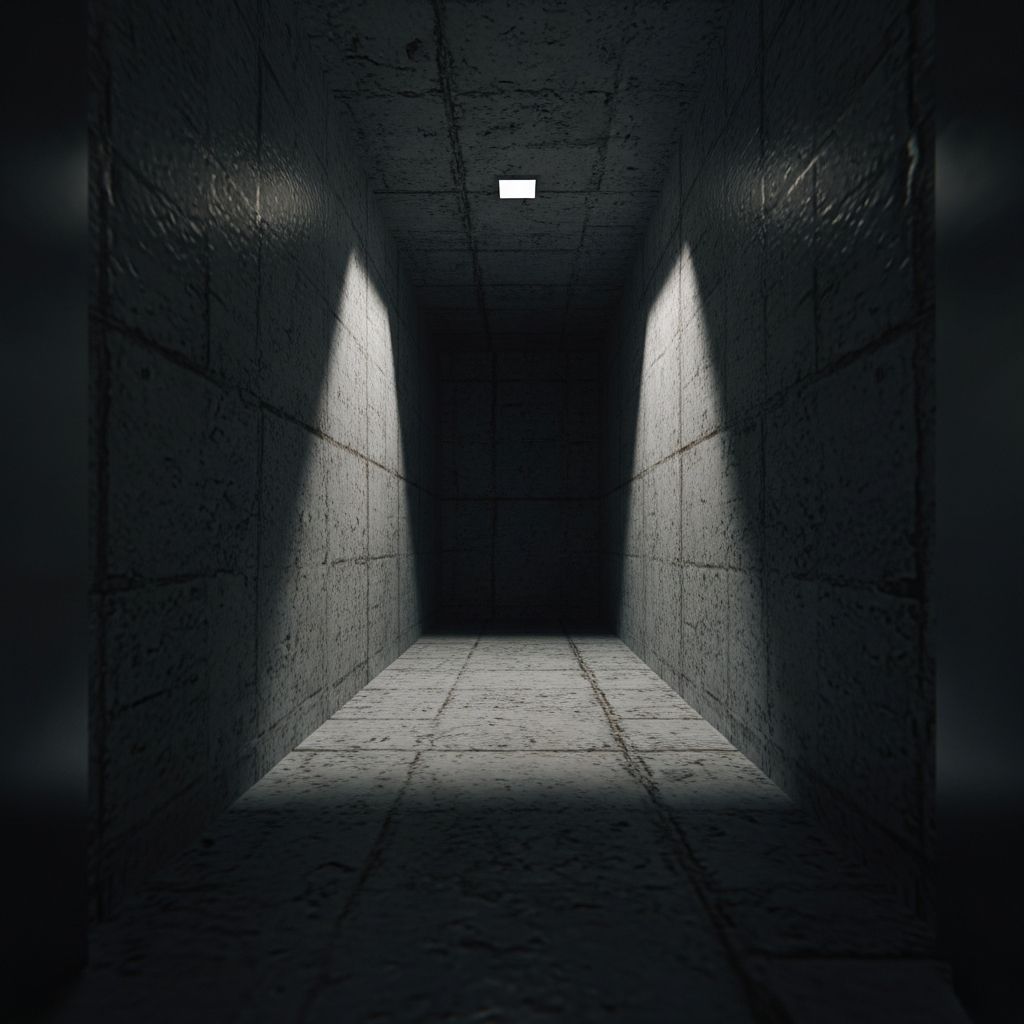
Claustrophobia, the intense fear of enclosed or confined spaces, affects approximately 12.5% of the population, with women comprising the majority of cases. It’s not simply discomfort in tight areas but a profound anxiety stemming from perceived threats like suffocation, entrapment, or loss of control within such spaces. This phobia disrupts daily life, from avoiding elevators to dreading medical scans, yet it’s highly treatable with therapies like cognitive behavioral therapy (CBT).
Understanding Claustrophobia: More Than Just Dislike of Small Spaces
Claustrophobia manifests as an irrational yet overwhelming fear that enclosed environments pose danger, often triggering physical and emotional distress. Unlike general discomfort, it involves anticipatory anxiety about potential harm, such as running out of oxygen or being unable to escape. Common triggers include elevators, tunnels, airplanes, crowded rooms, and even windowless spaces perceived as confining. The fear isn’t of the space itself but of helplessness within it, leading many to avoid situations entirely.
Prevalence data indicates this phobia impacts daily functioning for many, interfering with work, travel, and healthcare access. For instance, fear of MRI machines—a narrow, tube-like enclosure—is a frequent barrier to essential diagnostics. Early recognition is key, as untreated claustrophobia can escalate to panic attacks, straining relationships and self-esteem.
Symptoms of Claustrophobia: Physical and Emotional Toll
When confronted with a trigger, claustrophobic individuals experience a cascade of symptoms mimicking a panic attack. Physical manifestations include rapid heartbeat (tachycardia), shortness of breath, sweating, trembling, dizziness, nausea, chest pain, and dry mouth. These arise from the brain’s amygdala overreacting to perceived threats, flooding the body with stress hormones.
Emotional symptoms are equally debilitating: intense panic, overwhelming fear, an urgent need to escape, fear of losing control or fainting, and recognition that the fear is irrational yet uncontrollable. Thoughts of suffocation or entrapment dominate, creating a vicious cycle where anxiety heightens physical sensations. In severe cases, these episodes lead to avoidance behaviors that limit life opportunities.
- Physical symptoms: Heart palpitations, difficulty breathing, sweating, shaking, dizziness, nausea.
- Emotional symptoms: Panic, intense fear, desire to flee, fear of harm or suffocation.
Causes and Risk Factors: Why Some Fear Confined Spaces
The exact etiology of claustrophobia remains multifaceted, involving genetic predispositions, environmental factors, and traumatic experiences. A genetic mutation may heighten amygdala sensitivity, amplifying fear responses. Traumatic events, like being trapped in a confined space during childhood, can imprint lasting anxiety. Learned behaviors from observing fearful parents or evolutionary instincts for survival in open spaces also contribute.
Not all enclosed spaces trigger it equally; perception of confinement—such as lack of escape routes—matters most. Women report higher rates, possibly due to biological or socialization differences. While not fully understood, these factors explain why one person tolerates elevators while another panics.
Personal Stories: Real-Life Experiences with Claustrophobia
Imagine stepping into an elevator, heart pounding as doors close, convinced air is thinning— that’s daily reality for many. Sarah, 32, recounts her first panic attack in a crowded subway: “Sweat poured down, breaths came shallow; I clawed at doors, terrified of suffocating.” Avoidance became her norm, skipping job interviews in tall buildings.
Related Stories



Tom, 45, dreads flights: “Turbulence in a metal tube feels like doom; I hyperventilate, gripping armrests, fearing entrapment mid-air.” His phobia escalated post-childhood lock-in incident. For Lisa, 28, MRI prep was nightmare fuel: “The machine’s hum amplified my dread; I bolted halfway, sobbing from imagined coffin-like burial.” These accounts highlight how claustrophobia invades routines, fostering isolation.
Yet, stories of triumph emerge. Mark overcame elevator fear via gradual exposure, now commuting confidently: “It was terrifying at first, but therapy rewired my brain.” Personal narratives underscore the phobia’s variability—from mild unease to debilitating terror—and hope through intervention.
Diagnosis: Identifying Claustrophobia in Clinical Settings
Diagnosis relies on history and symptom screening, as no lab test exists. Clinicians assess via DSM-5 criteria: marked fear of confined spaces, avoidance behaviors, symptoms lasting over six months, and significant life impairment. Tools like questionnaires gauge intensity; physical exams rule out cardiac issues mimicking symptoms.
Patients describe triggers and reactions: “Elevators make me dizzy and desperate to escape.” Differential diagnosis excludes panic disorder or agoraphobia. Early identification empowers management, preventing chronic avoidance.
Treatment Options: Overcoming Claustrophobia Effectively
The gold standard is
cognitive behavioral therapy (CBT)
, which challenges distorted thoughts like “I’ll suffocate” and builds coping skills. Patients learn to reframe fears, reducing amygdala overactivity.Exposure therapy
, a CBT subset, gradually introduces triggers—from imagining an elevator to riding one—desensitizing responses. Interoceptive exposure simulates anxiety symptoms safely.Relaxation techniques aid: deep breathing, progressive muscle relaxation, mindfulness. Virtual reality (VR) exposure offers controlled simulations, effective per studies. Medications like SSRIs or short-term benzodiazepines manage severe anxiety, though not first-line.
| Treatment Type | Description | Effectiveness |
|---|---|---|
| CBT | Changes negative thought patterns | High; mainstay therapy |
| Exposure Therapy | Gradual confrontation of fears | Proven for phobias |
| Medications | SSRIs, benzodiazepines for acute cases | Supportive, short-term |
| VR Therapy | Immersive simulations | Emerging, promising |
Coping Strategies and Self-Help for Daily Management
Self-help empowers between therapy sessions. Practice deep breathing: inhale for 4 counts, hold 4, exhale 4. Visualization—picturing calm escapes—distracts from panic. Close eyes in triggers, focus on pleasant memories. Advance planning: use stairs, open-window seats, inform others.
- Deep, regular breathing to counter hyperventilation.
- Distraction via counting or mental imagery.
- Avoidance minimization through graded exposure.
- Support groups for shared experiences.
Patient education on symptoms fosters control; apps track progress. Consistency yields results, enhancing quality of life.
Challenges in Healthcare: MRI and Medical Procedures
Claustrophobia complicates 4-37% of MRIs; open or upright scanners help. Prep includes anxiety techniques, sedation if needed. Inform staff early; mirrors or music distract. Alternatives like CT suit severe cases. Addressing this barrier ensures vital care access.
Living with Claustrophobia: Long-Term Outlook
With treatment, most regain normalcy; 90% improve via CBT. Relapses possible under stress, but tools endure. Support networks bolster resilience. Embracing management transforms fear into manageable challenge.
Frequently Asked Questions (FAQs)
Q: What is claustrophobia?
A: An intense fear of enclosed spaces causing anxiety, panic, and avoidance.
Q: What are common triggers?
A: Elevators, tunnels, airplanes, crowded rooms, MRI machines.
Q: How is claustrophobia treated?
A: Primarily CBT and exposure therapy; medications as adjunct.
Q: Can claustrophobia be cured?
A: Highly treatable; many overcome it fully with commitment.
Q: Are there self-help tips?
A: Deep breathing, distraction, gradual exposure practice.
References
- Claustrophobia – StatPearls — NCBI Bookshelf, NIH. 2023-08-08. https://www.ncbi.nlm.nih.gov/books/NBK542327/
- Guide to MRI for claustrophobic patients — United Imaging. 2023. https://eu.united-imaging.com/en/news-center/knowledge-base/category-mr/article-65
- Claustrophobia: What Is It, Symptoms, Causes & Treatment — Cleveland Clinic. 2023-11-03. https://my.clevelandclinic.org/health/diseases/21746-claustrophobia
- Claustrophobia: Symptoms, Treatment, and More — Healthline. 2023. https://www.healthline.com/health/claustrophobia
- Claustrophobia and Virtual Reality — XR Health. 2023. https://www.xr.health/us/blog/claustrophobia-and-virtual-reality/
Similar Articles








Read full bio of medha deb