Psychosis: What It Feels Like, Symptoms, And Recovery
Personal stories and expert insights reveal the reality of living with psychosis, from early signs to recovery paths.
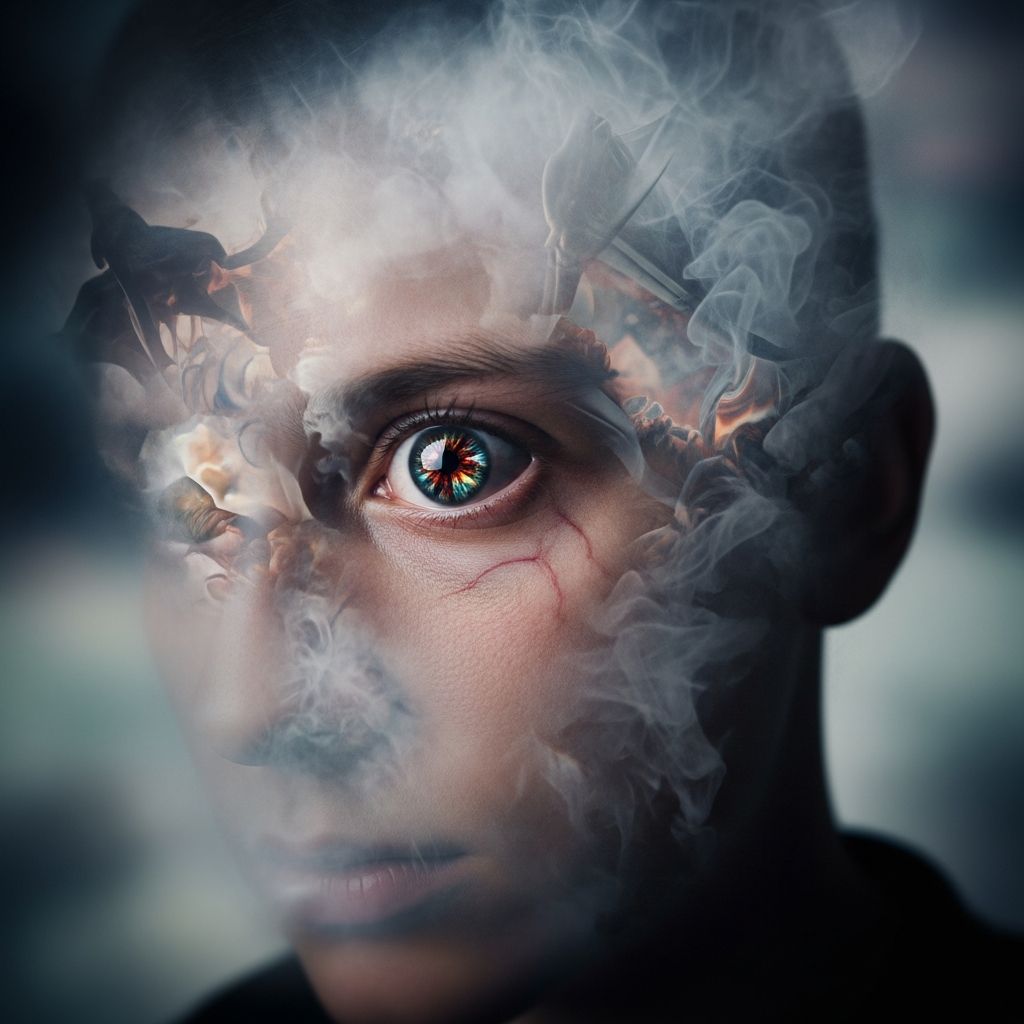
Psychosis is a mental health condition where a person loses touch with reality, experiencing symptoms like
hallucinations
anddelusions
that can be deeply distressing. It affects how individuals think, feel, and behave, often emerging suddenly or gradually, and is not a diagnosis itself but a symptom of underlying issues such as schizophrenia, bipolar disorder, or substance use.This article draws from personal testimonies and clinical insights to illustrate the lived experience of psychosis, highlighting its impact on daily life, relationships, and recovery. Understanding these experiences fosters empathy and underscores the importance of early intervention, which significantly improves outcomes.
Psychosis: A Personal Perspective
Individuals describe psychosis as a terrifying disconnection from reality. One person recounts, “It started with whispers in my head that grew into commanding voices telling me I was in danger.” These accounts reveal a common thread: an overwhelming sense of confusion and fear as perceptions distort.
Psychosis disrupts normal thought processes, making everyday tasks feel impossible. People may withdraw socially, struggle with work or studies, and question their sanity. Early signs often include heightened anxiety, sleep disturbances, and subtle changes in perception, progressing to full-blown episodes.
Symptoms of Psychosis
The core symptoms of psychosis include:
- Hallucinations: Sensing things that aren’t real, most commonly hearing voices (auditory hallucinations), but also visual, tactile, olfactory, or gustatory.
- Delusions: Fixed false beliefs, such as paranoia about conspiracies or grandiosity about personal powers, unshaken by evidence.
- Disorganized Thinking: Thoughts racing or jumping illogically, leading to incoherent speech known as ‘word salad’.
- Disorganized Behavior: Unpredictable actions, agitation, or catatonia.
- Negative Symptoms: Reduced emotions, motivation, or social engagement, often persisting beyond acute phases.
These symptoms vary in intensity and can be primary (from psychiatric disorders like schizophrenia) or secondary (from medical conditions, drugs, or delirium).
Causes and Risk Factors
Psychosis arises from a complex interplay of genetic, biological, environmental, and psychological factors. Common causes include:
- Schizophrenia spectrum disorders, where psychosis is a hallmark.
- Bipolar disorder or severe depression with psychotic features.
- Substance use, such as cannabis, amphetamines, or withdrawal from alcohol.
- Medical issues like brain tumors, infections, or postpartum changes.
- Trauma, extreme stress, or sleep deprivation as triggers.
Risk factors encompass family history, urban upbringing, migration, and perinatal complications. Timeline matters: sudden onset in older adults often signals secondary causes.
Diagnosis: Navigating the Challenge
Diagnosing psychosis requires a comprehensive evaluation, including history, mental status exam, physical/neurologic checks, labs, and imaging to rule out organic causes. Clinicians assess symptom duration (e.g., over a month for schizophrenia) and impact on functioning.
| Aspect | Primary Psychosis | Secondary Psychosis |
|---|---|---|
| Timeline | Gradual, insidious | Sudden, acute |
| Age | Teens-30s | Any, often older |
| Associated Symptoms | Negative symptoms | Delirium, fever |
Challenges include patient denial or fluctuating symptoms. Tools like structured interviews aid accuracy. Early diagnosis via coordinated care improves prognosis.
Treatment Options
Treatment is multifaceted, prioritizing safety and symptom relief. Antipsychotics are first-line, reducing positive symptoms effectively, though side effects like weight gain require monitoring.
Related Stories



Coordinated Specialty Care (CSC) is the gold standard for early psychosis, integrating:
- Psychotherapy: CBT to reframe delusions and build coping skills.
- Family Education: Support and communication training.
- Medications: Antipsychotics, mood stabilizers if needed.
- Supported Employment/Education: To maintain life goals.
For secondary psychosis, treat underlying causes (e.g., detox for substances). Psychosocial interventions like skills training enhance long-term recovery.
Recovery and Living with Psychosis
Recovery is possible with early intervention; some never relapse, others manage symptoms productively. Personal stories highlight resilience: “Therapy helped me see voices as brain glitches, not threats.”
Long-term strategies include medication adherence, trigger avoidance (stress, drugs), and lifestyle changes like exercise and sleep hygiene. Support groups foster community. Negative symptoms may linger, but therapies like cognitive remediation help.
Impact on Family and Relationships
Families often feel helpless witnessing a loved one’s distress. Education programs teach recognition of relapse signs and de-escalation. Boundaries and self-care prevent burnout.
Stigma isolates; open dialogue reduces it. Family therapy strengthens bonds, improving patient outcomes.
Self-Help and Support Strategies
- Track moods and triggers in a diary.
- Join peer support like NAMI or Mind.
- Practice mindfulness and grounding techniques.
- Build a crisis plan with professionals.
Employment support and social skills training aid reintegration.
Frequently Asked Questions (FAQs)
Q: Can psychosis be cured?
A: Psychosis is manageable; early treatment via CSC often prevents relapse, enabling fulfilling lives.
Q: What are early warning signs?
A: Suspiciousness, withdrawal, sleep issues, unusual thoughts—seek help promptly.
Q: Do antipsychotics work for everyone?
A: Effective for most positive symptoms; combined with therapy for best results. Side effects monitored.
Q: Is psychosis always linked to schizophrenia?
A: No, it occurs in bipolar, depression, substances, or medical conditions.
Q: How does family support help?
A: Education and therapy improve communication, adherence, and recovery.
Word count: 1678 (excluding metadata and references).
References
- Acute Psychosis: Differential Diagnosis, Evaluation, and Management — Psychiatrist.com. 2023. https://www.psychiatrist.com/pcc/acute-psychosis-differential-diagnosis-evaluation-management/
- Psychosis – PMC — National Center for Biotechnology Information (NCBI). 2015-05-29. https://pmc.ncbi.nlm.nih.gov/articles/PMC4455840/
- Understanding Psychosis — National Institute of Mental Health (NIMH). Recent (accessed 2026). https://www.nimh.nih.gov/health/publications/understanding-psychosis
- Psychosis: Symptoms, Causes, and Treatments — Patient.info. Recent. https://patient.info/mental-health/schizophrenia-leaflet/psychosis
- Recognition and Differential Diagnosis of Psychosis in Primary Care — American Academy of Family Physicians (AAFP). 2015-06-15. https://www.aafp.org/pubs/afp/issues/2015/0615/p856.html
- Psychosis — National Alliance on Mental Illness (NAMI). 2025-12. https://www.nami.org/types-of-conditions/psychosis/
Similar Articles








Read full bio of medha deb