What Your Lymph Nodes Have Done for You Lately
Discover the vital roles your lymph nodes play in immunity, health, and disease prevention.
Your body is constantly under siege. Every day, you encounter countless bacteria, viruses, and other harmful substances that could compromise your health. Yet, most of the time, you remain blissfully unaware of these threats. This remarkable resilience is largely due to a sophisticated network of defenders working silently throughout your body—your lymph nodes. These small, bean-shaped structures are among the most important components of your immune system, yet many people rarely think about them until they become swollen during an illness. Understanding what your lymph nodes do for you can help you appreciate the intricate systems keeping you healthy.
Understanding the Lymphatic System
The lymphatic system is one of the body’s most vital yet frequently overlooked physiological systems. Unlike the circulatory system, which relies on the heart to pump blood throughout your body, the lymphatic system operates without a central pump. Instead, it depends on muscle contractions, breathing, and body movement to circulate lymph fluid through an extensive network of vessels and nodes. This elegant design has evolved to perform several critical functions that maintain your overall health and wellbeing.
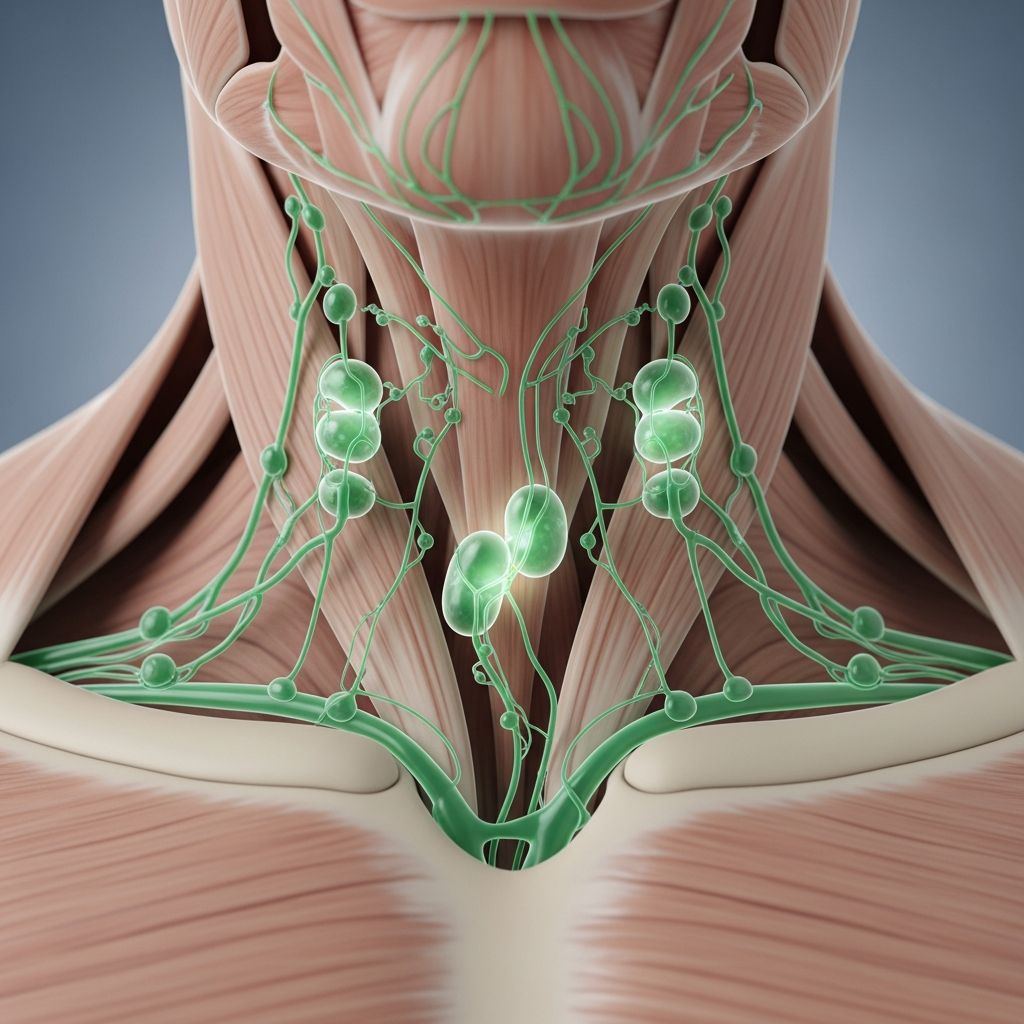
Lymph nodes are small, oval-shaped structures distributed throughout your body along lymphatic vessels. You likely have between 600 and 700 lymph nodes, though estimates vary. These nodes are concentrated in areas such as your neck, armpits, groin, chest, and abdomen. Their strategic placement allows them to intercept pathogens and foreign substances before they can cause widespread harm.
The Three Essential Functions of Your Lymph Nodes
Immune Surveillance and Defense
The primary function of lymph nodes is to serve as checkpoints in your body’s defense system. As lymph fluid circulates through your tissues, it collects not only waste products but also potentially dangerous pathogens such as bacteria, viruses, and other invading organisms. When this fluid reaches a lymph node, specialized immune cells called white blood cells examine and filter out these harmful substances.
Within each lymph node, you’ll find lymphocytes, including B cells and T cells, which are essential components of your adaptive immune response. When these immune cells encounter antigens—markers on foreign substances that trigger immune responses—they can mount a targeted defense. This is why lymph nodes become swollen when you’re fighting an infection; the immune cells within them are actively multiplying and working to eliminate the threat. This swelling is actually a sign that your immune system is functioning properly and responding to a challenge.
Detoxification and Waste Removal
Beyond filtering out pathogens, lymph nodes play a crucial role in removing cellular waste and toxins from your tissues. Your cells are constantly dying and being replaced, creating metabolic byproducts that need to be cleared. The lymphatic system collects these waste materials and transports them to lymph nodes, where they are processed and eventually eliminated from your body.
This detoxification function is essential for maintaining cellular health and preventing the accumulation of harmful substances. When lymphatic function is compromised, toxins can build up in tissues, potentially leading to inflammation, fatigue, and chronic pain. By efficiently removing these waste products, your lymph nodes help keep your tissues clean and functioning optimally.
Fluid Balance and Tissue Health
Another critical function of your lymphatic system, centered around lymph nodes, is maintaining proper fluid balance in your body. Tissues constantly leak fluid into the surrounding spaces, which must be reabsorbed to prevent swelling and edema. The lymphatic system collects this excess interstitial fluid and returns it to the bloodstream, maintaining the delicate balance necessary for optimal cellular function.
Related Stories



This fluid regulation is particularly important in tissues that are prone to accumulating excess fluid. When lymphatic drainage is impaired, fluid can accumulate, leading to swelling, discomfort, and reduced mobility. By efficiently managing fluid levels, your lymph nodes ensure that tissues remain properly hydrated and function effectively.
How Lymph Nodes Work Together
Your lymph nodes don’t work in isolation; instead, they function as part of an interconnected network. Lymphatic vessels connect various nodes, creating pathways for lymph fluid to circulate throughout your body. As lymph passes through successive nodes, it becomes progressively filtered and refined. This network ensures comprehensive protection against pathogens and efficient waste removal.
The lymph nodes in different regions of your body tend to drain specific areas. For example, lymph nodes in your neck drain the head and upper body, while those in your groin drain the lower extremities. This regional organization allows your immune system to mount localized responses to infections and injuries, preventing pathogens from spreading to other parts of your body.
When Lymph Nodes Become Swollen
Swollen lymph nodes, or lymphadenopathy, are often a sign that your immune system is actively fighting an infection or responding to another challenge. Common causes include:
– Viral infections such as the common cold or flu- Bacterial infections including strep throat or ear infections- Mononucleosis and other viral conditions- Immune responses to vaccinations- Local injuries or inflammation- Autoimmune conditions
In most cases, swollen lymph nodes resolve on their own as your immune system successfully combats the underlying issue. However, if lymph nodes remain enlarged for more than two to three weeks, or if they are accompanied by other concerning symptoms, medical evaluation may be warranted.
The Connection Between Lymph Nodes and Cardiovascular Health
Emerging research has revealed important connections between lymph node function and cardiovascular health. The lymphatic system plays a role in managing inflammation and maintaining proper fluid balance, both of which are critical for heart health. Enhanced lymphatic function through increased lymphangiogenesis—the formation of new lymphatic vessels—has shown promise in improving cardiac outcomes following injury. This research suggests that supporting lymphatic health may have broader implications for cardiovascular disease prevention and treatment.
Supporting Your Lymph Node and Lymphatic Health
Stay Hydrated
Proper hydration is fundamental to lymphatic function. Water helps thin lymph fluid, enabling it to flow more freely through vessels and nodes. Aim to drink approximately two liters of water daily, adjusting for your activity level and climate. Staying well-hydrated supports efficient waste removal and helps your immune system function optimally.
Incorporate Regular Movement
Since the lymphatic system lacks its own pump, physical activity is essential for promoting lymph circulation. Low-impact exercises such as walking, yoga, swimming, and gentle stretching encourage muscle contractions that propel lymph through vessels and nodes. Aim for at least 150 minutes of moderate activity per week to support lymphatic circulation and overall health.
Practice Deep Breathing
Deep breathing exercises stimulate lymph flow, particularly in the chest area, which contains many lymph nodes. Practices such as diaphragmatic breathing or meditation can enhance lymphatic circulation while simultaneously reducing stress and promoting relaxation. Incorporating just 10 to 15 minutes of deep breathing daily can support your lymphatic system.
Maintain a Healthy Diet
Nutrition plays a role in supporting immune function and lymphatic health. Foods rich in antioxidants, such as fruits and vegetables, help combat inflammation and support immune cell function. Reducing processed foods and excess salt can also help prevent fluid retention and support optimal lymphatic flow.
Get Adequate Sleep
During sleep, your body undergoes important repair and maintenance processes, including lymphatic drainage and immune function optimization. Aim for seven to nine hours of quality sleep per night to support your lymph nodes and overall immune health.
When to Be Concerned About Lymph Nodes
While swollen lymph nodes are usually benign and resolve on their own, certain situations warrant medical attention. You should consult a healthcare provider if:
– Lymph nodes remain enlarged for more than three to four weeks- Nodes are unusually large, hard, or fixed in place- Swelling is accompanied by fever, night sweats, or unexplained weight loss- Lymph nodes appear in unusual locations- You have a family history of lymphoma or other malignancies- Swelling is accompanied by severe or persistent pain
In rare cases, enlarged lymph nodes can indicate more serious conditions such as lymphoma, leukemia, or metastatic cancer. Early detection and proper diagnosis are important for ensuring appropriate treatment if needed.
The Broader Immune Context
Your lymph nodes function as part of your broader immune system, which includes your thymus, spleen, bone marrow, and distributed lymphoid tissues. Together, these components create a sophisticated surveillance and defense network. Your lymph nodes serve as critical filtering stations, processing information from tissues throughout your body and coordinating immune responses when threats are detected.
This interconnected system has evolved over millions of years to protect you from countless pathogens and maintain your health. Every time you successfully fight off an infection, your lymph nodes are playing a central role, training immune cells to recognize and respond to future threats.
Lymphatic Function and Overall Wellness
Beyond their role in fighting infections, healthy lymph nodes contribute to your overall sense of wellbeing. When your lymphatic system is functioning properly, you’re likely to feel more energized and resilient, with better protection against illnesses and inflammation. Conversely, when lymphatic function is compromised, you may experience fatigue, joint stiffness, and increased susceptibility to infections.
This connection between lymphatic health and overall wellness underscores the importance of supporting your lymph nodes through lifestyle choices. By staying hydrated, exercising regularly, managing stress, and maintaining good nutrition, you’re actively supporting these silent guardians of your health.
Frequently Asked Questions
Q: How many lymph nodes does the human body have?
A: The human body typically contains between 600 and 700 lymph nodes, distributed throughout the body with concentrations in the neck, armpits, groin, chest, and abdomen. These nodes form part of an interconnected lymphatic network that filters lymph fluid and supports immune function.
Q: Why do lymph nodes swell when you’re sick?
A: Lymph nodes swell as your immune system actively responds to infection or injury. When your body detects pathogens or foreign substances, immune cells within the lymph nodes multiply rapidly to combat the threat. This swelling is typically a sign that your immune system is functioning properly and should resolve as the infection clears.
Q: How long should I be concerned if my lymph nodes remain swollen?
A: Most swollen lymph nodes resolve within two to three weeks as your body fights off infection. However, if nodes remain enlarged for more than three to four weeks, are unusually hard or fixed, or are accompanied by fever, night sweats, or weight loss, you should consult a healthcare provider.
Q: Can I improve my lymph node function through lifestyle changes?
A: Yes, several lifestyle changes can support healthy lymphatic function. These include staying well-hydrated, engaging in regular physical activity, practicing deep breathing, maintaining a nutritious diet, managing stress, and getting adequate sleep. These habits promote efficient lymph circulation and support immune system function.
Q: What is the relationship between lymph nodes and cancer?
A: While lymph nodes themselves can develop cancer, their primary concern in cancer cases is serving as filters where cancerous cells can become trapped during metastasis. Virtually all cancers have the potential to spread to lymph nodes, which is why lymph node status is often important in cancer diagnosis and treatment planning.
Q: Is it safe to have lymph nodes removed during surgery?
A: The safety and advisability of lymph node removal depends on the specific clinical situation. While removing lymph nodes can help treat cancer or severe infections, it may also compromise local immunity and increase the risk of lymphedema. Healthcare providers carefully weigh the benefits and risks for each patient.
References
- Promoting Lymphangiogenesis and Lymphatic Growth and Function in Cardiovascular and Metabolic Diseases — American Heart Association. 2023-02-17. https://www.ahajournals.org/doi/10.1161/ATVBAHA.122.318406
- Understanding the Importance of the Lymphatic System: Your Body’s Detox Highway — Unity Health Performance. 2023. https://www.unityhealthperformance.com/post/understanding-the-importance-of-the-lymphatic-system-your-body-s-detox-highway
- Lymphatic Vessels: Tissue Fluid Balance and Immune Function — Harvard Medical School, Steele Laboratories. 2023. https://steelelabs.mgh.harvard.edu/timothy_padera/pi_bio
- Lymph Node: Function, Structure & Location — Britannica. 2024. https://www.britannica.com/science/lymph-node
- The Benefits and Harms of Different Extents of Lymph Node Dissection — PubMed Central, National Institutes of Health. 2017. https://pubmed.ncbi.nlm.nih.gov/28126351
Similar Articles








Read full bio of medha deb