What Makes A Healthful Drink Of Water: 6 Best Types
Discover the best types of water for health, hydration, and daily needs—from tap to mineral water.
Water is the cornerstone of health, comprising about 60% of the body and supporting vital functions like temperature regulation, nutrient transport, and waste elimination. Choosing the right type of water can enhance hydration, cooking, and overall wellness, though personal needs vary by activity, climate, and diet. This guide examines various waters—tap, distilled, alkaline, mineral, sparkling, and electrolyte-enhanced—to help you select the most healthful option.
Water’s Role in Health and Hydration
Water is essential for life, enabling the body to maintain normal temperature, lubricate joints, protect spinal cord and tissues, and eliminate waste through urination, sweating, and bowel movements. Dehydration, even mild, can cause fatigue, unclear thinking, mood changes, constipation, kidney stones, and overheating. About 60% of body weight is water, which transports oxygen and nutrients while removing waste.
Daily water loss occurs via urine, sweat, feces, and breathing, increasing with exercise, heat, altitude, or illness like fever and diarrhea. Replacing sugary drinks with water reduces calorie intake, aiding weight management. Foods like fruits and vegetables (e.g., watermelon, spinach) contribute 20-30% of fluid needs, but beverages remain primary.
Types of Water: Pros, Cons, and Best Uses
No single water type is universally superior; choice depends on purpose—drinking, cooking, or post-exercise recovery. Tap water is safe, affordable, and fluoridated in many areas, reducing cavity risk. Here’s a breakdown:
- Tap Water: Most economical and regulated for safety. Provides fluoride for dental health; chlorine prevents bacteria but may affect taste.
- Distilled Water: Purified by boiling and condensation, free of minerals and impurities. Ideal for cooking delicate items like white vegetables (cauliflower, potatoes) to prevent discoloration, or yeast breads for optimal fermentation.
- Alkaline or Hard Water: Higher pH and mineral content (calcium, magnesium). Can firm up bread dough during yeast fermentation; excessive acidity makes dough sticky.
- Sparkling Water: Carbonated, calorie-free alternative to sodas or mocktails. Retains hydration benefits without sugar.
- Mineral Water: Naturally contains minerals like calcium, magnesium. May support bone health; choose based on label for specific benefits.
- Electrolyte Water: Adds sodium, potassium for post-workout recovery, mimicking sports drinks. Effective only if levels match sweat loss (check labels; some are just for taste).
| Type | Key Features | Best For | Potential Drawbacks |
|---|---|---|---|
| Tap | Fluoridated, safe, cheap | Daily drinking | Taste from chlorine |
| Distilled | Mineral-free, pure | Cooking veggies, bread | Lacks minerals |
| Alkaline/Hard | High minerals, pH | Baking firm bread | May alter flavors |
| Sparkling | Carbonated, zero cal | Soda substitute | Bloating for some |
| Mineral | Natural electrolytes | Mineral boost | Costly |
| Electrolyte | Added Na/K | Post-exercise | Varies by brand |
This table summarizes options; always check local water quality reports for tap safety.
Cooking with Water: Impact on Food Quality
Water quality affects cooking outcomes. Distilled water keeps white vegetables vibrant by avoiding mineral reactions that cause greying. Alkaline water firms bread via better yeast activity; acidic water yields sticky dough. Chlorine levels are safe for baking but high enough to curb bacteria. Fluoride in tap water doesn’t impact cooking but supports oral health when consumed.
Related Stories



For rice or pasta, filtered tap often suffices. Hard water may create scale in appliances; softened water suits laundry but not drinking due to sodium. Experiment to match water to recipes for best results.
Hydration Needs: How Much Water Do You Need?
Needs vary: men average 3.7L (125oz), women 2.7L (91oz) daily, including food sources. Thirst guides intake, but active people or those in heat need more. Tips include drinking with meals, opting for water over soda, and carrying a bottle.
- Listen to thirst, especially during activity or hot weather.
- Replace sugary drinks with water to cut calories.
- Hydrate steadily, not all at once.
Post-Workout and Special Scenarios
After intense exercise, electrolyte water restores sodium/potassium lost in sweat, more effectively than plain water for prolonged sessions. Coconut water offers some electrolytes but varies by brand and isn’t superior to plain water for hydration. Drink to thirst; pouring water over head doesn’t rehydrate.
Which Water is Healthiest?
The healthiest water meets your needs without excess calories or contaminants. Tap is ideal for most—safe, fluoridated, economical. Distilled suits cooking; electrolyte for athletes. All contribute to fluid goals; variety prevents boredom. No evidence one type outperforms others for health if adequately hydrating. Kidneys thrive with ample water, reducing stress from concentrated urine.
Research shows water replacing caloric beverages lowers energy intake, aiding weight control. Prioritize plain water daily, enhancing as needed.
Frequently Asked Questions (FAQs)
Is tap water safe to drink?
Yes, regulated tap water is safe and provides fluoride for teeth. Check local reports for quality.
Does alkaline water offer health benefits?
No strong evidence; it may aid baking but isn’t superior for hydration.
How much electrolyte water after workout?
If sweating heavily, choose ones matching sports drinks’ sodium/potassium. Otherwise, plain water suffices.
Can sparkling water hydrate like still water?
Yes, it’s equally hydrating and calorie-free.
Is distilled water better for health?
Not for drinking long-term (lacks minerals), but excellent for specific cooking.
Practical Tips for Healthful Hydration
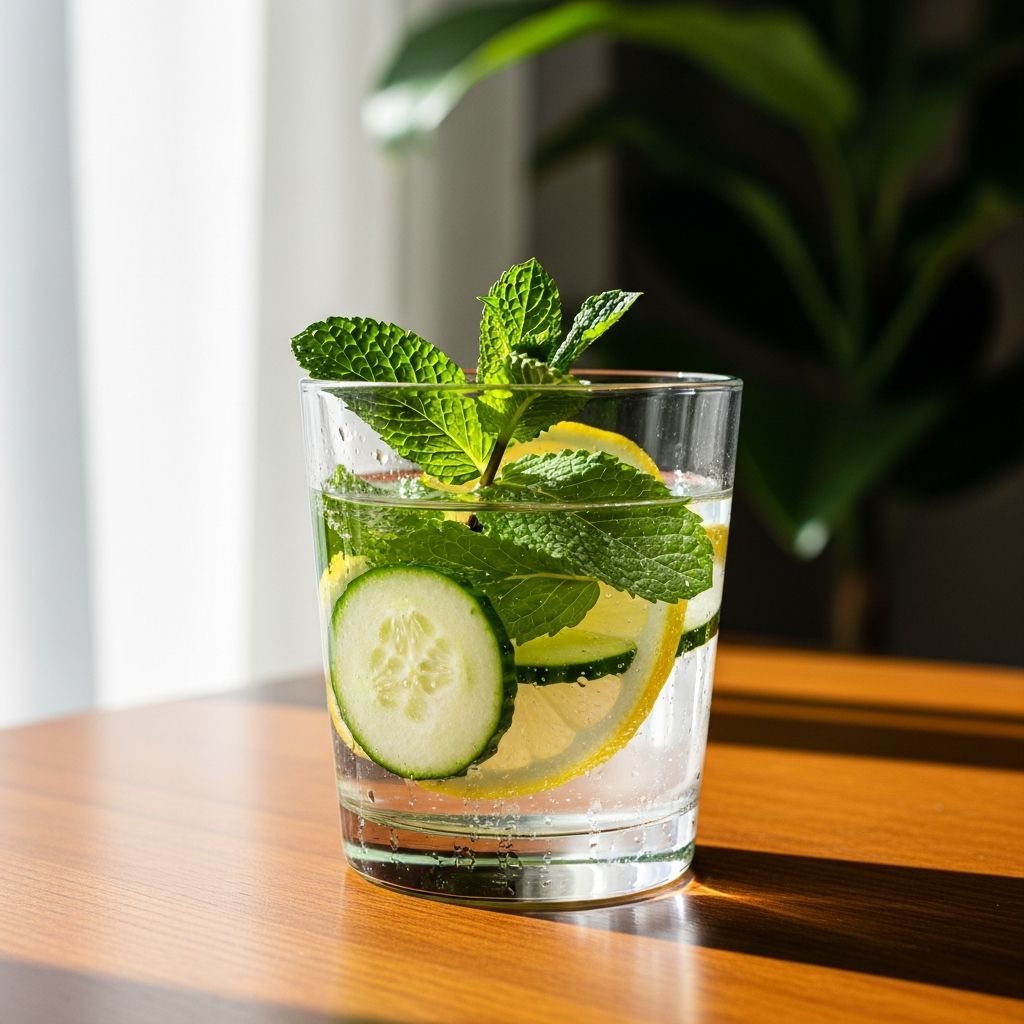
Infuse water with fruits for flavor. Track intake via apps. Eat water-rich foods: watermelon (92% water), spinach. Children need age-specific amounts; consult pediatric guidelines.
For athletes: Pre-hydrate, sip during, rehydrate post with electrolytes if >60min intense. Elderly or ill may need reminders to drink.
References
- About Water and Healthier Drinks — Centers for Disease Control and Prevention (CDC). 2023. https://www.cdc.gov/healthy-weight-growth/water-healthy-drinks/index.html
- Water: How Much Do Kids Need? — Academy of Nutrition and Dietetics. 2023. https://www.eatright.org/health/essential-nutrients/water/water-how-much-do-kids-need
- How Much Water Do You Need? — Academy of Nutrition and Dietetics. 2023. https://www.eatright.org/health/essential-nutrients/water/how-much-water-do-you-need
- Water: How much should you drink every day? — Mayo Clinic. 2023-05-15. https://www.mayoclinic.org/healthy-lifestyle/nutrition-and-healthy-eating/in-depth/water/art-20044256
- Water, Hydration and Health — National Center for Biotechnology Information (NCBI/PMC). 2010-08-10. https://pmc.ncbi.nlm.nih.gov/articles/PMC2908954/
- What Makes a Healthful Drink of Water? — Academy of Nutrition and Dietetics. 2023. https://www.eatright.org/health/essential-nutrients/water/what-makes-a-healthful-drink-of-water
Similar Articles








Read full bio of Sneha Tete