What Makes Winter Squash a Superfood? Key Nutrients Explained
Discover why winter squash earns superfood status with its rich vitamins, antioxidants, and fiber for immune support and heart health.
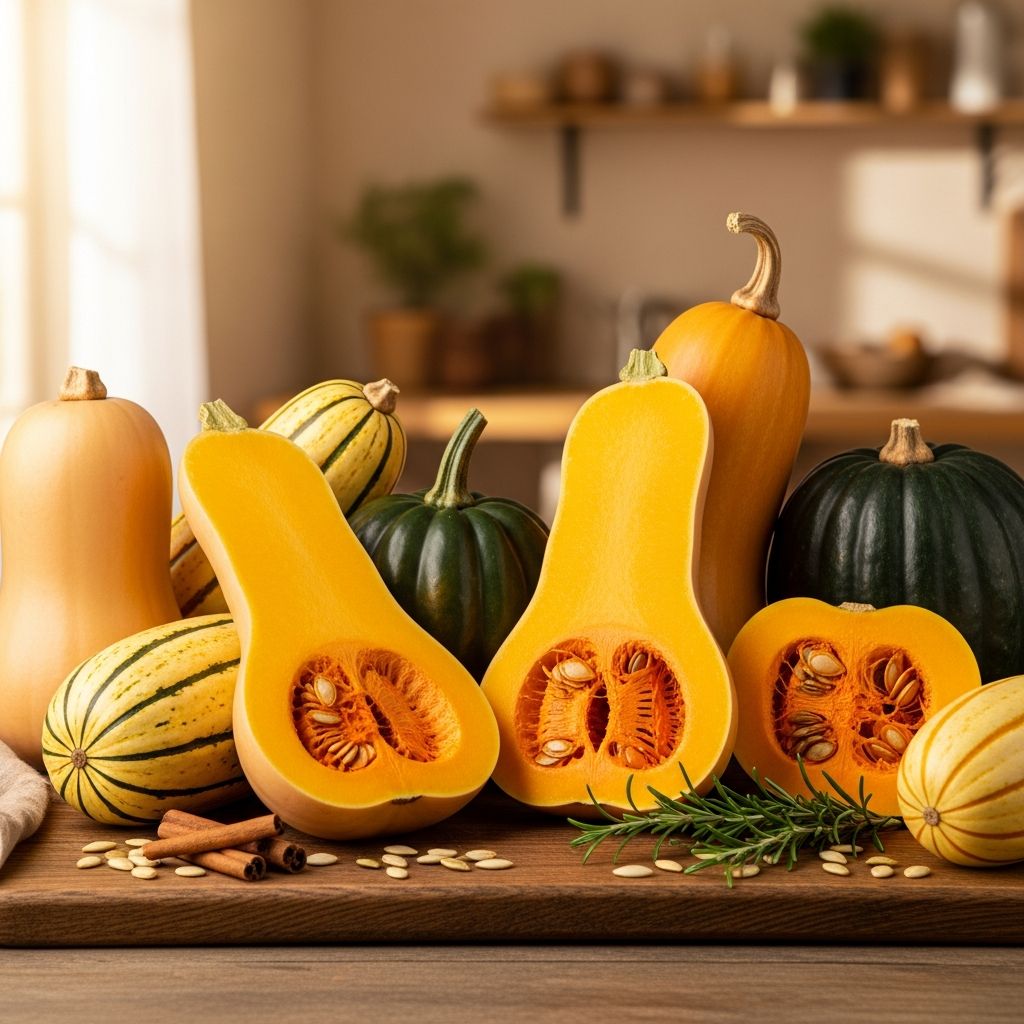
Winter squash varieties such as butternut, acorn, spaghetti, and pumpkin stand out as superfoods due to their exceptional nutrient density, providing high levels of vitamins A and C, fiber, antioxidants like beta-carotene, and essential minerals that support immune function, eye health, digestion, and chronic disease prevention.
Winter Squash 101: What It Is and Why It’s Special
Winter squash refers to a group of hardy, thick-skinned vegetables harvested in late fall and stored through winter, distinguishing them from tender summer squashes. Their vibrant orange, yellow, and green flesh is loaded with nutrients, making them ideal for seasonal eating. Unlike summer squash, winter varieties have a longer shelf life due to their tough rinds, allowing them to last months in cool storage. These gourds are botanically fruits but culinarily treated as vegetables, offering versatility in soups, roasts, and sides.
Nutritionally, a single cup of cooked winter squash delivers over 200% of daily vitamin A needs from beta-carotene, 33% of vitamin C, substantial fiber, and minerals like potassium and magnesium. This profile supports everything from vision and immunity to gut health and blood pressure regulation. Their low calorie count—around 45-80 per serving—makes them suitable for weight management compared to starchy potatoes.
Popular Varieties of Winter Squash
Over 100 winter squash types exist, but a few dominate markets for their flavor and nutrition. Each offers unique textures and tastes while sharing core superfood qualities.
- Butternut Squash: Pear-shaped with smooth beige skin and sweet, nutty orange flesh. It’s firm, ideal for roasting or pureeing, and excels in vitamin A content exceeding 100% daily needs per cup.
- Acorn Squash: Compact, green-ribbed with tender orange interior. Rich in antioxidants like vitamins A and C, it strengthens bones, blood vessels, and immunity.
- Spaghetti Squash: Oblong yellow exterior yielding noodle-like strands when cooked. Low-carb at 7-10g per cup, high in vitamins B6, A, C for dental and digestive health.
- Pumpkin: Iconic round shape in orange or other hues. Loaded with beta-carotene for eye health, cancer risk reduction, and flu-season immunity.
- Other Notables: Delicata (edible skin, sweet), kabocha (pumpkin-like, dense), and honeynut (mini butternut hybrid, extra nutrient-dense).
Color indicates nutrient levels: deeper orange signals more beta-carotene, while green varieties like acorn add unique polyphenols.
Key Nutrients in Winter Squash
Winter squash’s superfood status stems from its powerhouse nutrients, backed by dietary analyses.
| Nutrient | Amount per 1 Cup Cooked | % Daily Value | Benefits |
|---|---|---|---|
| Vitamin A (beta-carotene) | ~22,000 IU | 200%+ | Vision, immunity, skin health, cancer risk reduction |
| Vitamin C | ~30mg | 33% | Immune support, antioxidant, collagen for skin/bones |
| Fiber | ~6g | 20%+ | Gut health, weight control, blood sugar stability |
| Potassium | ~500mg | 10-15% | Blood pressure, heart function |
| Magnesium | ~50mg | 12% | Bone health, muscle function |
These values vary slightly by variety but consistently position winter squash as nutrient-dense.
Health Benefits of Winter Squash
Related Stories



Boosts Immunity and Eye Health
Beta-carotene converts to vitamin A, essential for vision, mucous membrane integrity, and immune cell production. One cup provides over daily needs, linking to lower cancer and infection risks.
Supports Digestion and Gut Health
High soluble fiber promotes regular bowel movements, feeds gut bacteria, and reduces colorectal cancer risk. It also aids weight management by increasing satiety.
Promotes Heart Health
Potassium balances sodium for blood pressure control, while antioxidants combat inflammation. Fiber lowers cholesterol.
Antioxidant Power Against Chronic Disease
Carotenoids and polyphenols fight oxidative stress, aging, and diseases like cancer and heart issues.
Low-Calorie, Diabetes-Friendly
Lower carbs than potatoes (e.g., spaghetti squash at 7-10g/cup) suit low-carb diets, with steady blood sugar from fiber.
How to Select, Store, and Prepare Winter Squash
Choose heavy, firm squash with dull rinds—no soft spots. Store in cool, dry places for months.
Preparation Tips:
- Cut in half, remove seeds (roast them for snacks rich in fats, iron, zinc).
- Roast at 400°F with oil, salt; 30-45 min.
- Steam, boil, or microwave for tenderness.
- Skins edible on delicata; peel others post-cook.
Delicious Ways to Enjoy Winter Squash
- Roasted with cinnamon or savory herbs as a side.
- Pureed into soups with ginger, carrots.
- Stuffed with quinoa, chickpeas, nuts.
- Spaghetti squash pasta substitute with marinara.
- Added to salads, grain bowls, mac ‘n’ cheese, pot roasts.
Nutritionist Tips and Potential Downsides
Experts like RDs recommend 1-2 cups weekly. Watch oxalates if prone to kidney stones; cook to reduce. Pesticide residue low due to thick skins.
Frequently Asked Questions (FAQs)
Is winter squash low-carb?
Yes, varieties like spaghetti squash have 7-10g carbs per cup, lower than potatoes.
Can you eat winter squash skin?
Yes, on delicata or kabocha for extra fiber; others after cooking.
Is winter squash good for weight loss?
Absolutely—low calories (45/cup), high fiber promotes fullness.
How does winter squash benefit immunity?
Vitamins A and C, plus antioxidants, enhance immune response and fight infections.
What’s the best way to cook winter squash?
Roasting maximizes flavor and nutrient retention.
References
- Unlocking the Goodness of Winter Squash: A Seasonal Superfood — Tiffany Rios, RD, CDE, Shore Physicians Group. 2023. https://shorephysiciansgroup.com/unlocking-the-goodness-of-winter-squash-a-seasonal-superfood/
- Craving Comfort? Put Winter Squash on the Menu — Larchwood Food Center. 2023. https://larchwoodfoodcenter.com/health_wellness/articles/165/craving-comfort-put-winter-squash-on-the-menu
- The Health Benefits of Winter Squash — Consumer Reports. 2023-12-01. https://www.consumerreports.org/health/healthy-eating/health-benefits-of-winter-squash-a4674562313/
- Health Benefits of Winter Squash and Ways You Can Cook Them — UC Davis Health. 2023-11. https://health.ucdavis.edu/blog/good-food/health-benefits-of-winter-squash-and-ways-you-can-cook-them/2023/11
- Warm Up to Tasty and Nutritious Winter Squash — American Heart Association. 2025-11-17. https://www.heart.org/en/news/2025/11/17/warm-up-to-tasty-and-nutritious-winter-squash
Similar Articles








Read full bio of medha deb