Heart Palpitations: 6 Safe Home Remedies To Ease Skipped Beats
Understanding heart palpitations: When skipped beats are normal and when to seek help.
What Makes Your Heart Skip a Beat?
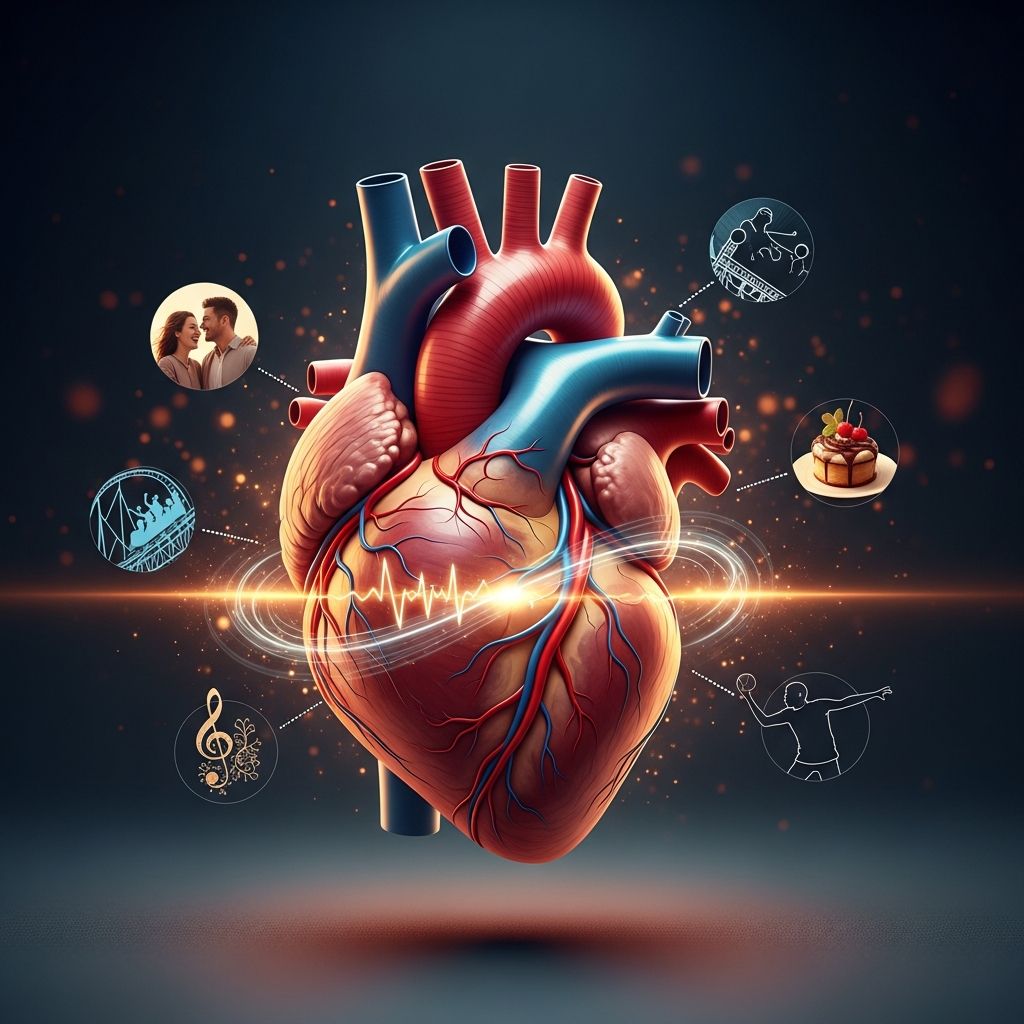
Have you ever felt your heart suddenly skip a beat or flutter unexpectedly in your chest? Many people experience this sensation at some point in their lives, and while it can be alarming, the good news is that in most cases, these episodes are completely harmless. Understanding what causes your heart to skip a beat, when it’s normal, and when you should be concerned can help ease your mind and guide you toward appropriate medical care if needed.
Understanding Heart Palpitations and Skipped Beats
The sensation of a skipped heartbeat is one of the most common cardiac complaints that people bring to their doctors. However, what feels like a skipped beat is typically not actually a skipped beat at all. Instead, the heart is experiencing what medical professionals call premature beats—extra heartbeats that occur before the next scheduled beat. These premature beats come in two main varieties: premature ventricular contractions (PVCs) and premature atrial contractions (PACs).
When these early beats occur, they disrupt the normal rhythm of the heart and trigger a compensatory pause—a longer pause before the next regular beat resumes. This pause creates the distinctive sensation that many people describe as a “skip” or “flutter.” The heart’s electrical system is simply firing earlier than expected, not stopping or malfunctioning.
Research shows that these premature beats are remarkably common. Up to 40% of adults experience occasional skipped beats, and studies using Holter monitors—portable devices that record heart rhythms over 24 hours—show that approximately 1 in 3 healthy adults without any structural heart disease experience more than 100 premature beats per day. This prevalence demonstrates that occasional palpitations are a normal part of how the human heart functions.
Common Triggers of Heart Palpitations
Understanding what triggers your heart to skip beats can help you manage and potentially prevent these episodes. Several everyday factors and lifestyle choices can provoke premature beats:
Stimulants and Dietary Factors
Caffeine is one of the most common culprits behind heart palpitations. Found in coffee, tea, energy drinks, and chocolate, caffeine stimulates the nervous system and can increase heart rate and trigger premature beats. Alcohol consumption also tops the list of arrhythmia triggers, particularly when consumed in large quantities or on an empty stomach. Similarly, nicotine from cigarettes or vaping devices stimulates adrenaline release, directly increasing heart rate and potentially causing palpitations.
Skipping meals represents another often-overlooked trigger. When you go too long without eating, blood sugar levels drop, triggering the release of adrenaline—a stress hormone that accelerates heart rate and can provoke irregular beats. This connection between fasting and heart palpitations is particularly important for people with pre-existing heart conditions, as prolonged fasting can disrupt electrolyte balance and medication timing.
Dehydration
Your heart depends on adequate hydration to function properly. When you become dehydrated, blood volume decreases, forcing your heart to work harder to pump blood throughout your body. This increased workload can trigger the sensation of skipped beats, especially during hot weather or intense exercise. Simply increasing your water intake can often resolve palpitations related to dehydration.
Related Stories



Stress and Adrenaline
The connection between stress and heart palpitations is direct and powerful. Stressful situations—whether from work pressure, personal relationships, or even watching a thrilling movie—trigger the release of adrenaline. This hormone elevates heart rate and can cause your heart to skip beats. Anxiety and emotional stress activate the sympathetic nervous system, which controls heart rate and rhythm.
Physical Activity and Exercise
While regular exercise is beneficial for heart health, intense or sudden physical exertion can temporarily trigger premature beats, especially if you push yourself beyond your normal fitness level. The increased adrenaline, elevated heart rate, and changes in electrolyte balance during vigorous exercise can all contribute to palpitations.
When Skipped Beats Are Normal and Benign
For most people, occasional skipped beats are completely normal and require no treatment. These premature beats are almost always benign, meaning they aren’t life-threatening or indicators of a developing heart attack. If you have a structurally healthy heart with no underlying cardiac disease, experiencing occasional palpitations is not cause for concern.
Many people find it reassuring to learn that their “skipped beats” are simply their heart’s electrical system firing a bit early—not a sign that their heart has stopped or is malfunctioning. The sensation may feel alarming in the moment, but the actual cardiac event is harmless.
However, keeping track of when your palpitations occur can provide valuable information. A simple trigger diary—noting the time, what you were doing, what you ate or drank, and your emotional state when palpitations occurred—often reveals patterns that you might never have noticed otherwise. Identifying your personal triggers allows you to make targeted lifestyle modifications to reduce episodes.
Warning Signs That Require Medical Attention
While most skipped beats are benign, certain situations warrant prompt medical evaluation. If your palpitations are accompanied by any of the following symptoms, you should contact your doctor or seek emergency care:
Serious Warning Symptoms
Chest pain or pressure: If skipped beats are accompanied by chest discomfort, this could signal cardiac ischemia or a heart attack and requires immediate emergency evaluation.
Dizziness or lightheadedness: When palpitations cause dizziness, this may indicate that your heart is not pumping blood effectively to your brain. This warrants urgent medical assessment.
Fainting or near-fainting (syncope): Loss of consciousness or near-syncope accompanying skipped beats indicates that blood flow to the brain is being significantly impaired. This is a red flag symptom requiring immediate evaluation.
Shortness of breath: If palpitations are accompanied by difficulty breathing, this suggests the heart is struggling to pump blood efficiently and needs urgent medical attention.
Persistent or frequent palpitations: Long runs of premature beats or palpitations that occur continuously throughout the day deserve medical evaluation to rule out more serious arrhythmias.
Patterns That Need Cardiology Review
More than six extra beats per minute: Frequent PVCs representing over 10% of total heartbeats can increase the risk of cardiomyopathy and warrant a comprehensive cardiology evaluation.
Runs of three or more beats in succession: When premature beats occur in consecutive sequences, this can indicate non-sustained ventricular tachycardia, a potentially dangerous arrhythmia pattern that requires medical investigation.
Sustained rapid rhythm lasting longer than 30 seconds: A heart rate around 170 beats per minute or higher that persists for more than 30 seconds qualifies as sustained ventricular tachycardia and demands immediate emergency care.
Diagnostic Tests for Heart Palpitations
If your doctor recommends testing to evaluate your palpitations, several diagnostic options are available, each providing different information about your heart’s electrical activity:
Ambulatory Heart Monitors
24-hour Holter monitor: This portable device captures your heart’s electrical activity continuously for 24 hours, allowing doctors to see the frequency and patterns of premature beats during your normal daily activities. Insurance typically covers this test if symptoms affect your quality of life.
7-day patch monitor: Similar to a Holter monitor but worn for up to seven days, this device provides a longer observation period for pattern identification.
Two-week event monitor: These advanced monitors use continuous closed-loop recording technology and can capture transient arrhythmias that shorter monitors might miss, making them particularly useful when symptoms are unpredictable.
Implantable cardiac monitors: When noninvasive tests fail to identify the cause of persistent palpitations, a subcutaneous device implanted under the skin can track heart rhythms for months or even years, significantly improving the likelihood of correlating symptoms with specific arrhythmias.
Blood Tests
Thyroid-stimulating hormone (TSH) and complete blood count: Hyperthyroidism and anemia are responsible for approximately 15% of new-onset palpitations, making these blood tests essential for initial evaluation.
Electrolyte panel including magnesium: Low magnesium levels below 1.7 mg/dL can trigger PVCs and are easily corrected through supplementation or dietary changes.
Managing Heart Palpitations at Home
If you experience occasional, benign palpitations without concerning symptoms, several self-care strategies can help reduce their frequency and intensity:
Reduce stimulant consumption: Cut back on or eliminate caffeine, alcohol, and nicotine. Even small reductions in these substances can significantly decrease palpitation episodes for many people.
Stay hydrated: Drink adequate water throughout the day, especially during and after exercise or in hot weather.
Eat regular meals: Avoid skipping meals or going long periods without food to maintain stable blood sugar levels.
Manage stress: Practice relaxation techniques such as deep breathing, meditation, yoga, or progressive muscle relaxation to reduce stress-triggered palpitations.
Exercise moderately: Engage in regular, moderate-intensity exercise rather than sudden bursts of intense activity.
Improve sleep: Fatigue can increase palpitation frequency, so prioritize adequate, quality sleep each night.
Fasting and Heart Health Considerations
Intermittent fasting and other fasting protocols have gained popularity for weight loss and metabolic benefits, but for people with heart conditions, fasting requires special caution. Prolonged fasting can trigger hypoglycemia, dehydration, and electrolyte imbalances—all of which can provoke arrhythmias.
For people with existing heart conditions such as hypertension, coronary artery disease, arrhythmias, or heart failure, fasting disrupts medication timing and can trigger dangerous rhythm disturbances. Medical experts recommend that cardiac patients avoid fasting periods longer than 12 hours and should break a fast immediately if they experience chest discomfort, dizziness, palpitations, or fainting.
Frequently Asked Questions
Q: Is it normal to feel your heart skip a beat occasionally?
A: Yes, absolutely. Up to 40% of adults experience occasional skipped beats, and healthy people without any heart disease can have over 100 premature beats per day. These isolated episodes are typically benign and not cause for concern.
Q: What’s the difference between PVCs and PACs?
A: PVCs (premature ventricular contractions) originate in the heart’s lower chambers (ventricles), while PACs (premature atrial contractions) originate in the upper chambers (atria). Both create the sensation of skipped beats but originate from different parts of the heart.
Q: Can caffeine cause permanent heart damage from palpitations?
A: No. While caffeine can trigger palpitations in susceptible individuals, these episodes themselves don’t cause permanent heart damage in people with healthy hearts. Reducing caffeine intake typically eliminates these palpitations.
Q: When should I call 911 for heart palpitations?
A: Seek emergency care immediately if palpitations are accompanied by chest pain, severe dizziness, fainting, shortness of breath, or if rapid palpitations last longer than 30 seconds. When in doubt, it’s better to err on the side of caution.
Q: Can dehydration really cause skipped beats?
A: Yes. Dehydration reduces blood volume, forcing your heart to work harder. This increased workload can trigger premature beats. Simply increasing water intake often resolves palpitations related to dehydration.
Q: Are skipped beats a sign of a heart attack?
A: No. Occasional skipped beats are almost always benign and not a sign of heart attack. However, if palpitations occur with chest pain, pressure, or other warning symptoms, seek immediate medical evaluation.
Q: Should I keep a diary of my palpitations?
A: Yes. Keeping a simple trigger diary noting when palpitations occur, what you were doing, and what you consumed often reveals patterns and identifies personal triggers, allowing you to make targeted lifestyle modifications.
References
- Why does my heart skip beats and should I worry? — Eureka Health. 2025. https://www.eurekahealth.com/resources/why-does-my-heart-skip-beats-en
- Skipping Meals, Skipping Beats? Cardiologist Explains The Hidden Heart Risks of Fasting — NDTV Health. 2025. https://www.ndtv.com/health/skipping-meals-skipping-beats-cardiologist-explains-the-hidden-heart-risks-of-fasting-9702208
- When the Heart “Skips a Beat,” From the 2016 Harvard Heart Letter — PRWeb/Harvard Health. 2016. https://www.prweb.com/releases/when_the_heart_skips_a_beat_from_the_2016_harvard_heart_letter/prweb13281888.htm
- Heart Palpitations Usually Not Dangerous — Newswise/Harvard Heart Letter. 2025. https://www.newswise.com/articles/heart-palpitations-usually-not-dangerous
Similar Articles








Read full bio of Sneha Tete