What Should I Do If The Condom Broke? Essential Steps
Expert guidance on immediate steps, pregnancy risks, STI prevention, and avoiding condom breakage in the future.
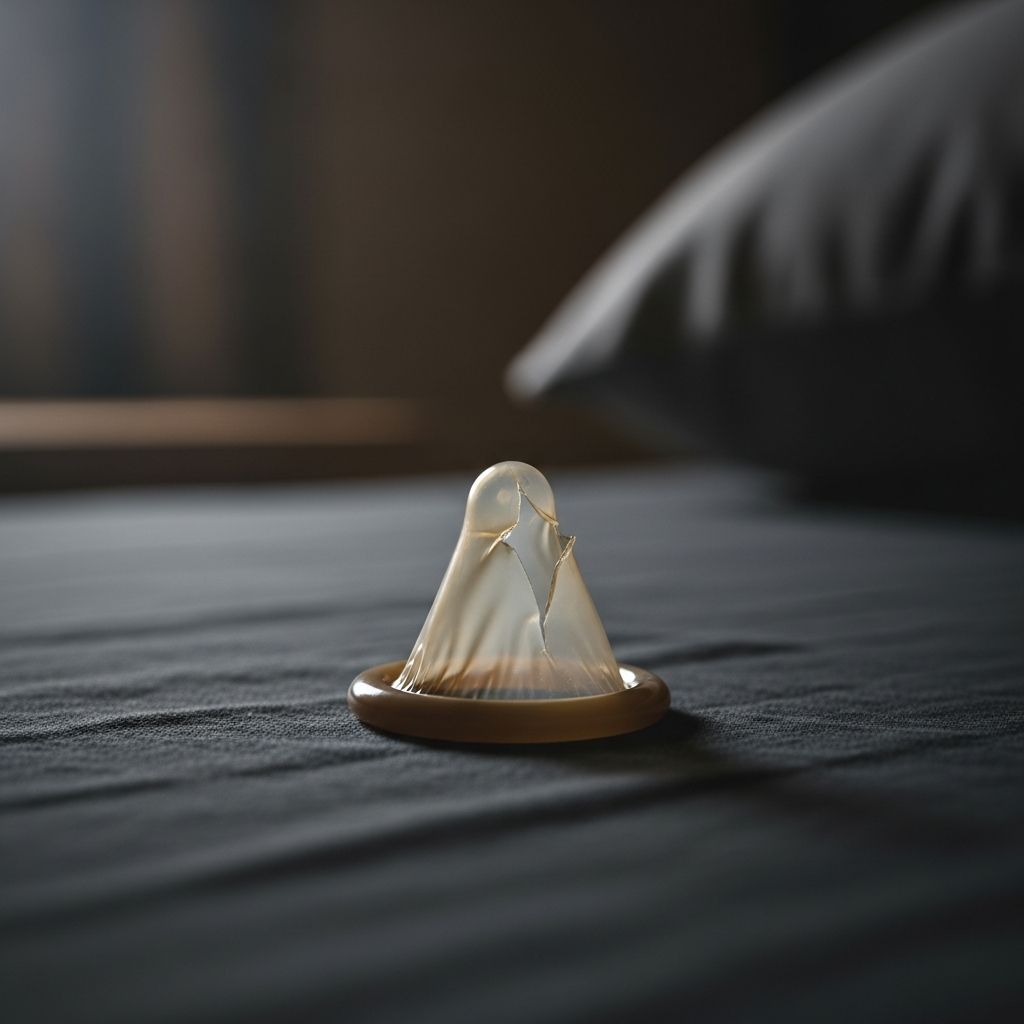
Discovering a broken condom during intercourse can be alarming, prompting concerns about unintended pregnancy and sexually transmitted infections (STIs). Acting swiftly with evidence-based steps minimizes risks effectively.
Overview
Condom breakage, while uncommon, occurs in about 2% of uses according to prospective studies tracking thousands of intercourse instances. Factors like improper use, poor fit, or material damage contribute, affecting roughly 15% breakage rate in some high-risk groups such as young men at STI clinics. Immediate response involves stopping activity, hygiene, and risk assessment for pregnancy or STIs. This guide outlines actions grounded in clinical recommendations from sources like the NIH and health authorities.
Assess the Situation
If you notice the condom has broken—evidenced by a tear, hole, or it slipping off—halt intercourse immediately. Gently withdraw to avoid further exposure. Key initial steps include:
- Wash up promptly: Use lukewarm water to gently clean genitals, removing any semen or fluids. Showering helps too, but avoid harsh soaps that irritate skin.
- Urinate: This flushes the urethra, reducing UTI risk, especially for the receptive partner.
- Avoid douching or aggressive rinsing: Douching pushes semen deeper and irritates vaginal tissues, heightening infection chances.
Calmly evaluate exposure: Was ejaculation inside? Track menstrual cycle for pregnancy risk. Note partner STI history if known. These actions limit immediate harm while planning next steps.
If You’re Concerned About Pregnancy
Pregnancy risk post-breakage depends on cycle timing, with highest odds during ovulation. Emergency contraception (EC) is highly effective if used soon.
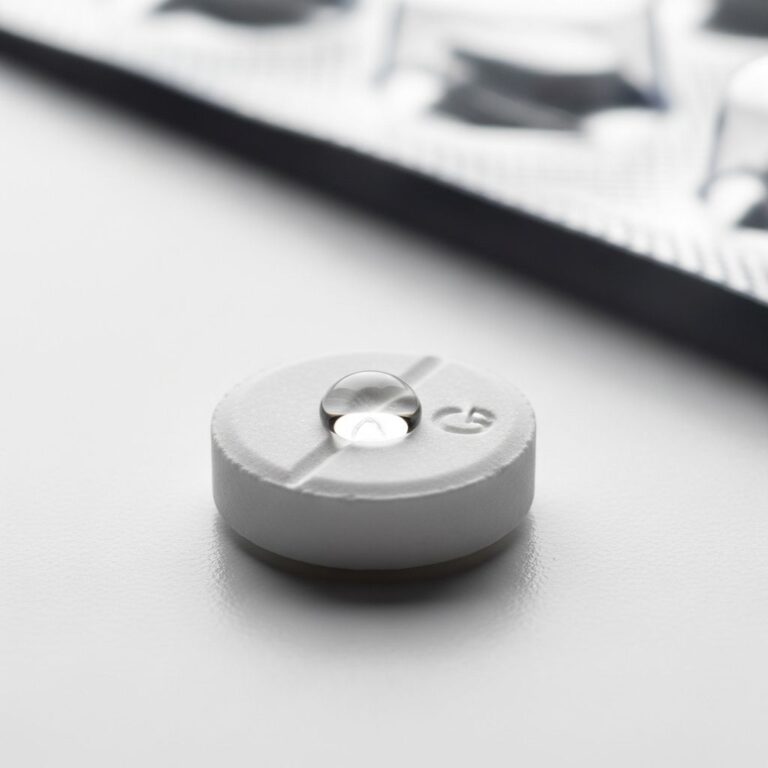
- Plan B (levonorgestrel): Available over-the-counter, 95% effective within 24 hours, 85% at 48-72 hours. Take 1.5mg dose as soon as possible, ideally within 72 hours.
- Ella (ulipristal acetate): Prescription-only, effective up to 120 hours, superior for women over 165 lbs where Plan B efficacy drops.
- Copper IUD: Most effective (99%) up to 5 days post-exposure; also provides ongoing contraception. Consult a provider promptly.
Effectiveness wanes over time—act fast. If period is late, test pregnancy 3 weeks later or see a doctor. Studies show prior breakage history triples future risk, underscoring prevention.
If You’re Concerned About STIs
Condoms reduce STI transmission by 70-90% when intact, but breakage exposes fluids carrying HIV, chlamydia, gonorrhea, syphilis, etc. Risks vary:
| STI | Transmission Risk per Act (Unprotected) | Post-Breakage Concern |
|---|---|---|
| HIV | 0.08-1.4% (vaginal) | High if partner positive; PEP within 72 hours. |
| Chlamydia/Gonorrhea | Up to 30% | Test 1-2 weeks; treat if exposed. |
| Syphilis/Herpes | Variable | Serosort partners; test routinely. |
- Post-exposure prophylaxis (PEP): For HIV, start within 72 hours via ER or clinic—28-day antiretrovirals, 80% effective if adhered.
- Testing timeline: Bacterial STIs (chlamydia, gonorrhea) test at 1-2 weeks; HIV/HSV at 4-6 weeks, confirm 3 months.
- Partner notification: Encourage mutual testing/treatment to break transmission chains.
Among STI clinic attendees, 31% report recent breakage, linked to slippage and poor technique. Prompt testing prevents complications like PID or infertility.
How to Prevent Future Breakage
Breakage stems from user errors in 70%+ cases, per NIH analysis. Common causes and fixes:
- Sharp objects: Avoid teeth, nails, jewelry, scissors for opening—strongest risk factor (AOR 2.6).
- Poor fit/feel: Tight condoms tear (AOR 2.3); try larger/smaller sizes or lubricated varieties.
- Air in tip: Pinch and squeeze out air while unrolling (AOR 2.0).
- Oil lubricants: Degrade latex; use water/silicone-based only.
- Expiration/storage: Check dates; store cool/dry, away from heat.
- Double condoms: Causes friction tears; use one quality latex/polyisoprene.
- Experience matters: Novices 6.5x more likely to break; practice on models.
Related Stories



Inexperience triples odds; women with prior breaks face 9x recurrence. Test sizes: snug but not constricting. Spermicide use halves breakage in some studies.
See a Doctor or Clinic
Don’t delay professional care. Pharmacies stock EC; clinics offer free/low-cost STI tests, PEP, IUD insertion. Urgent care or ER for PEP. Track symptoms: discharge, pain, sores warrant immediate visit. Annual STI screens recommended for sexually active individuals.
Frequently Asked Questions (FAQs)
Can I get pregnant if the condom broke but he pulled out?
Yes, pre-ejaculate contains sperm; risk persists. Use EC promptly.
How soon after condom breakage should I take Plan B?
Within 24 hours for max 95% efficacy; up to 72 hours at 85%.
Will peeing or washing prevent pregnancy/STIs?
No—hygiene reduces local irritation/UTIs but doesn’t eliminate risks.
What if I’m on birth control already?
EC still advised post-breakage; consult provider on interactions.
How common is condom breakage?
1-2% per use generally; up to 15% in STI clinic populations.
Does condom type matter for breakage?
Yes—latex standard; avoid expired/non-lubricated; fit critical.
This comprehensive guide empowers safer sex. Prioritize communication, consent, and routine health checks for optimal protection.
References
- Men with broken condoms: who and why? — Rodgers J et al., NIH PMC. 2008-11-19. https://pmc.ncbi.nlm.nih.gov/articles/PMC2598576/
- Likelihood That a Condom Will Break or Slip Off Is at Least Partly Related to Users — Guttmacher Institute. 2000-01-01. https://www.guttmacher.org/journals/psrh/2000/01/likelihood-condom-will-break-or-slip-least-partly-related-users
- What Should I Do If the Condom Broke? — Healthline (medically reviewed). 2019-03-14. https://www.healthline.com/health/healthy-sex/condom-broke
- How Can Condoms Break? (for Teens) — Nemours KidsHealth. Accessed 2026. https://kidshealth.org/en/teens/condom-tore.html
Similar Articles








Read full bio of medha deb