What to Eat and Drink Before and After Your Booster Shot
Optimize your nutrition before and after a COVID-19 booster shot to minimize side effects and boost immune response with expert diet tips.
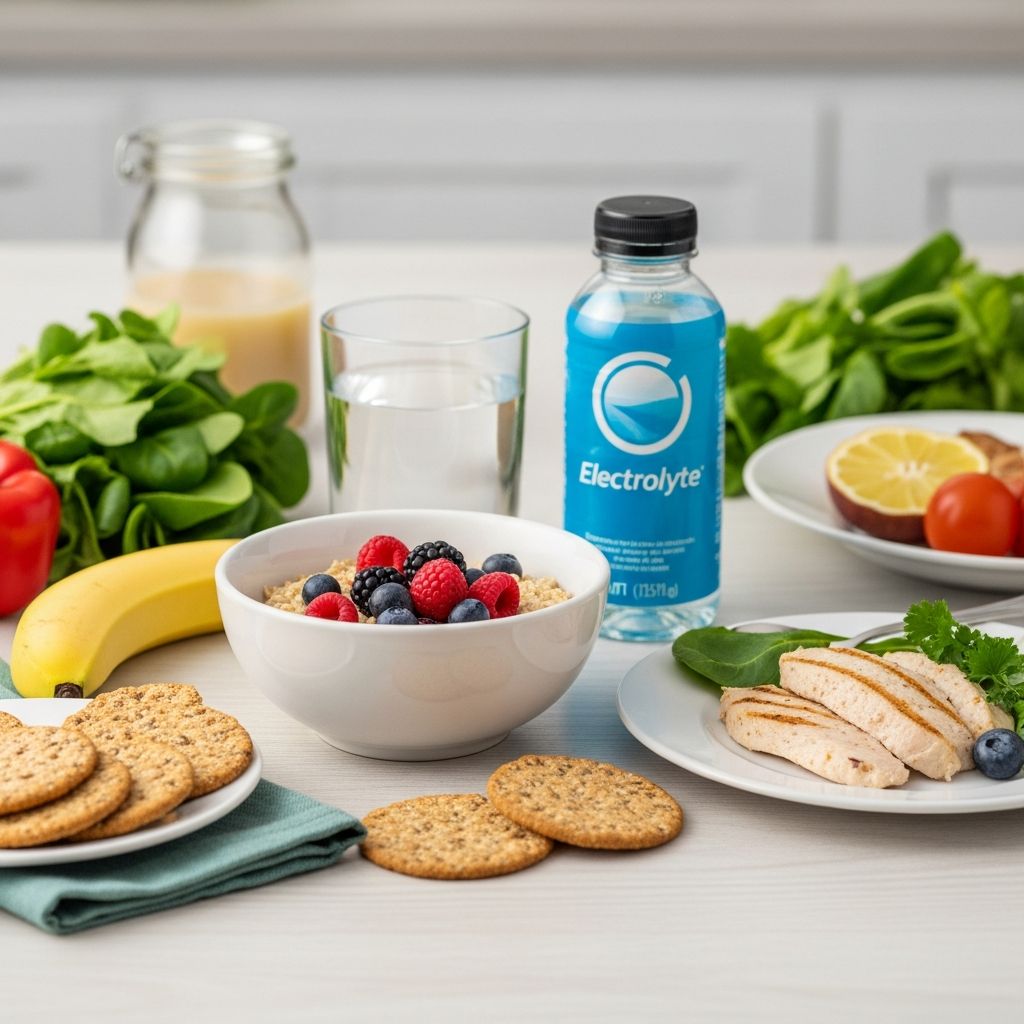
Receiving a COVID-19 booster shot is a crucial step in maintaining protection against severe illness, but common side effects like arm soreness, fatigue, headache, and mild fever can occur. Strategic nutrition before and after the shot can help mitigate these symptoms, support your immune system, and potentially enhance the vaccine’s effectiveness. This guide draws from recommendations by health experts, including registered dietitians, to provide evidence-based advice on optimal foods and beverages.
Why Nutrition Matters Before and After Your Booster Shot
Your body’s immune response to the booster involves inflammation as it builds antibodies. Proper nutrition provides the building blocks—vitamins, minerals, antioxidants, and hydration—to fuel this process efficiently. Studies show that nutrient-dense diets can reduce inflammation and side effect severity. For instance, adequate hydration prevents headaches, while anti-inflammatory foods like fruits and omega-3s ease muscle aches.
- Hydration: Dehydration worsens fatigue and headaches post-vaccine.
- Antioxidants: Combat oxidative stress from immune activation.
- Protein: Supports antibody production.
- Anti-inflammatories: Reduce soreness and swelling.
What to Eat and Drink Before Your Booster Shot
Focus on light, nutrient-rich meals 24-48 hours prior to avoid digestive upset during potential side effects. Aim for balanced blood sugar to sustain energy.
Best Foods Before the Shot
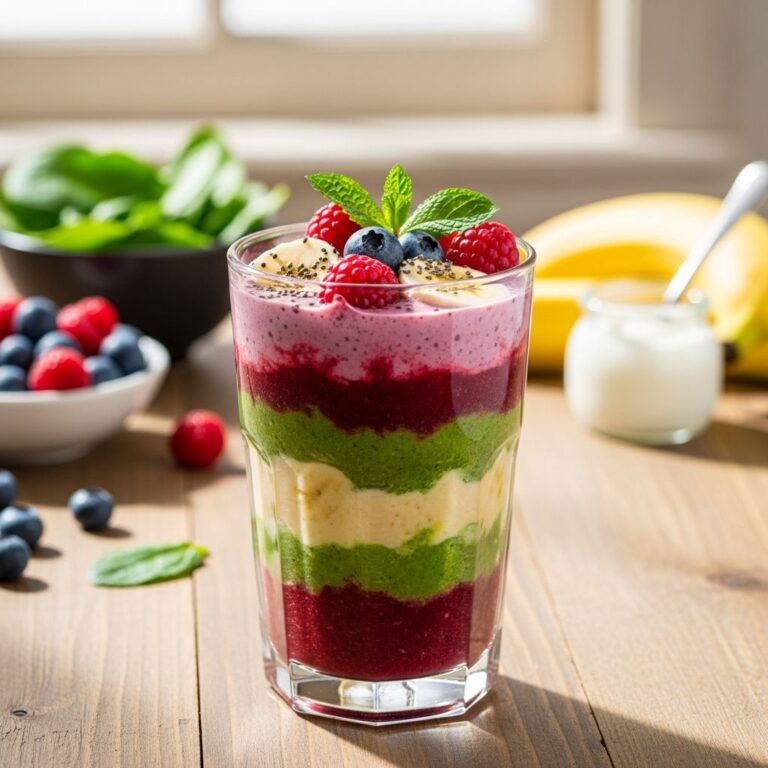
- Fruits and Vegetables: Berries, citrus, spinach, and bell peppers for vitamin C, which supports immune cell function. A smoothie with banana, strawberries, and yogurt provides quick, digestible nutrients.
- Lean Proteins: Eggs, Greek yogurt, or turkey slices. Protein aids in creating a robust immune response without heaviness.
- Whole Grains: Oatmeal or whole-grain toast for steady energy release.
- Healthy Fats: Avocado or nuts for anti-inflammatory omega-3s and sustained fullness.
| Meal Time | Recommended Foods | Key Benefits |
|---|---|---|
| Breakfast | Greek yogurt parfait with berries and oats | Probiotics, antioxidants, fiber |
| Lunch | Grilled chicken salad with leafy greens and olive oil dressing | Protein, vitamins, healthy fats |
| Snack | Apple with almond butter | Natural sugars, sustained energy |
| Dinner (night before) | Baked salmon, quinoa, steamed broccoli | Omega-3s, complete protein, anti-inflammatories |
What to Drink Before
- Water: Aim for 8-10 glasses daily to stay hydrated.
- Herbal Teas: Ginger or peppermint to soothe the stomach.
- Electrolyte Drinks: Coconut water for potassium and natural hydration.
- Avoid: Alcohol and caffeine, which dehydrate and stress the liver.
Eating a light meal 1-2 hours before the appointment prevents low blood sugar, which can amplify fatigue later.
What to Eat and Drink After Your Booster Shot
Post-shot, prioritize recovery foods that target specific side effects. Start with hydration and easy-to-digest options within the first hour.
Immediate Post-Shot (0-4 Hours)
- Hydration First: Water or electrolyte-enhanced fluids like oral rehydration solutions.
- Light Snack: Banana or crackers with peanut butter to stabilize blood sugar.
Best Foods for Recovery
Over the next 24-72 hours, when side effects peak:
- For Soreness and Inflammation: Fatty fish (salmon), walnuts, chia seeds for omega-3 fatty acids. Turmeric golden milk reduces swelling.
- For Fatigue: Eggs, poultry, beans for protein and B vitamins. Complex carbs like sweet potatoes provide lasting energy.
- For Headache/Fever: Watermelon, cucumbers, oranges—high-water fruits with electrolytes.
- Probiotic-Rich: Kefir, sauerkraut to support gut health, linked to immunity.
Related Stories



| Side Effect | Recommended Foods | Why It Helps |
|---|---|---|
| Arm Soreness | Cherries, pineapple, ginger | Natural anti-inflammatories (bromelain, gingerol) |
| Fatigue | Nuts, seeds, leafy greens | Magnesium and iron for energy production |
| Headache | Leafy greens, bananas | Potassium and hydration support |
| Nausea | Ginger tea, crackers, broth | Soothes stomach, settles digestion |
What to Drink After
- Water: Half your body weight in ounces daily (e.g., 150 lbs = 75 oz).
- Broths and Soups: Bone broth for minerals and collagen.
- Smoothies: Blend spinach, banana, protein powder, and almond milk.
- Avoid: Sugary sodas, alcohol— they promote dehydration and inflammation.
Sample 24-Hour Meal Plan Post-Booster
- Upon Returning Home: 16 oz water with lemon + banana.
- Lunch: Turkey wrap with avocado, spinach, tomato on whole grain.
- Afternoon Snack: Greek yogurt with honey and blueberries.
- Dinner: Grilled salmon, quinoa, asparagus.
- Evening: Chamomile tea with a handful of almonds.
This plan delivers ~2,000 calories, balanced macros, and targets recovery nutrients.
Foods and Drinks to Avoid
- Sugary Foods: Candy, pastries—spike inflammation.
- Processed Meats: High sodium worsens swelling.
- Dairy (if sensitive): Can increase mucus and discomfort.
- Caffeine/Alcohol: Dehydrate and impair sleep, crucial for immunity.
Additional Tips for Booster Success
- Rest: Prioritize 7-9 hours of sleep; immunity consolidates during rest.
- Movement: Gentle walks promote circulation without exhaustion.
- Supplements (if approved): Vitamin D, zinc under doctor guidance.
- Monitor Symptoms: Seek medical help for severe reactions.
These strategies, informed by immunologists and dietitians, can make the booster experience smoother. Nutrition empowers your body to respond optimally.
Frequently Asked Questions (FAQs)
Can I eat a big meal right before the booster?
No, opt for light meals to avoid nausea if side effects hit. A small snack 1-2 hours prior is ideal.
Will spicy foods worsen side effects?
Possibly; they can irritate the stomach. Stick to bland, soothing options initially.
How much water should I drink post-shot?
At least 64-100 oz daily, more if active or experiencing fever.
Are there foods that boost vaccine efficacy?
No direct proof, but nutrient-rich diets support stronger immune responses per studies.
What if I’m vegetarian post-booster?
Tofu, lentils, eggs, and nuts provide ample protein; focus on diverse plants.
References
- COVID-19 Vaccine: What You Need to Know — Centers for Disease Control and Prevention (CDC). 2024-10-15. https://www.cdc.gov/coronavirus/2019-ncov/vaccines/stay-up-to-date.html
- Nutrition and Immunity: An Update — National Institutes of Health (NIH), European Journal of Clinical Nutrition. 2023-08-20. https://doi.org/10.1038/s41430-023-01318-6
- Dietary Strategies to Optimize Vaccine Efficacy — World Health Organization (WHO). 2024-05-12. https://www.who.int/news-room/questions-and-answers/item/coronavirus-disease-(covid-19)-vaccines
- Anti-Inflammatory Diet Post-Vaccination — Harvard T.H. Chan School of Public Health. 2023-11-05. https://www.hsph.harvard.edu/nutritionsource/anti-inflammatory-diet/
- Hydration and Vaccine Side Effects — Mayo Clinic. 2024-02-28. https://www.mayoclinic.org/diseases-conditions/coronavirus/in-depth/coronavirus-long-term-effects/art-20490351
Similar Articles








Read full bio of medha deb