What to Do If a Contact Lens Is Stuck in Your Eye
Don't panic—learn safe steps to remove a stuck contact lens and know when to seek professional eye care help.
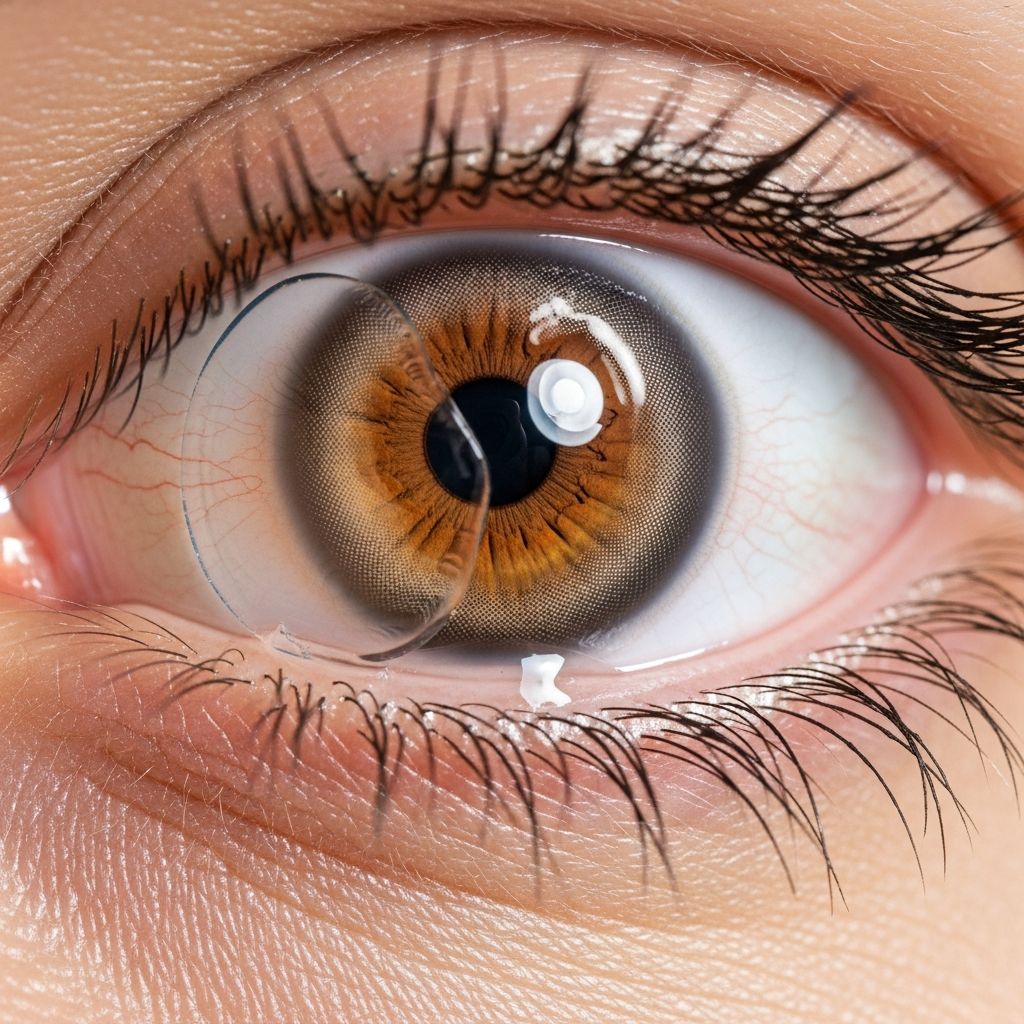
A contact lens stuck in your eye can cause discomfort, anxiety, and potential health risks if not addressed promptly. While most cases resolve with simple at-home techniques, understanding the causes, symptoms, and proper removal methods is crucial for eye safety.
Can a Contact Lens Really Get ‘Lost’ Behind Your Eye?
It’s a common myth that a contact lens can slip behind the eye, but this is anatomically impossible. The eye is protected by the conjunctiva, a thin membrane connecting the eyeball to the eyelid, preventing any lens from moving behind it. Instead, a stuck lens typically shifts under the upper or lower eyelid, creating a sensation of being lost.
Reassurance is key: no need to panic. The lens remains on the eye’s surface, and with proper steps, it can be located and removed safely.
Why Do Contact Lenses Get Stuck?
Contact lenses adhere to the eye due to surface tension but can become stuck for several reasons:
- Dryness: Prolonged wear or dry environments cause lenses to dehydrate and stick firmly to the cornea.
- Improper fit: Lenses that are too tight, loose, or the wrong size shift easily and trap under eyelids.
- Sleeping in lenses: Overnight wear dries them out and increases adhesion.
- Extended wear: Exceeding recommended use time leads to buildup of proteins and debris.
- Torn or damaged lenses: Pieces can fragment and migrate, complicating removal.
Understanding these causes helps prevent future incidents through proper lens care and hydration.
Symptoms of a Stuck Contact Lens
Recognizing symptoms early allows for quick action. Common signs include:
- A foreign body sensation or gritty feeling.
- Blurred or distorted vision.
- Eye redness, watering, or irritation.
- Increased light sensitivity (photophobia).
- Mild pain or discomfort.
These symptoms often mimic dry eye but persist despite blinking or drops. If symptoms worsen, professional evaluation is advised.
Risks of Leaving a Stuck Contact Lens in Your Eye
While not immediately dangerous, prolonged adhesion poses serious risks:
- Infections: Bacteria thrive under stuck lenses, leading to conjunctivitis or keratitis.
- Corneal abrasions: Rubbing causes scratches, painful and prone to infection.
- Ulcers and scarring: Severe cases result in corneal sores and permanent vision loss.
- Irritation escalation: Redness, swelling, and discharge indicate advancing issues.
Leaving lenses in for days heightens these dangers, as seen in rare cases like 27 lenses accumulated in one eye. Prompt removal minimizes complications.
How to Remove a Stuck Contact Lens: Step-by-Step Guide
Follow these safe, evidence-based steps. Always wash hands thoroughly first.
- Moisten the eye: Apply preservative-free lubricating or saline drops to rehydrate the lens.
- Locate the lens: Use a mirror; look up, down, side-to-side. It may be under the lid.
- Blink forcefully: Blink repeatedly to dislodge via natural tear flow.
- Gently massage: Close eye, massage upper lid in circles to shift lens downward.
- Slide and pinch: Gently slide to white of eye, pinch softly between thumb and finger. Avoid forceful pulling.
- For torn lenses: Moisten, blink to corner, slide pieces out carefully.
Related Stories



Pro tip: Never use fingernails or dig; this risks scratches. If unsuccessful after 10-15 minutes, stop and seek help.
When to See an Eye Doctor for a Stuck Contact Lens
Home methods fail in about 10-20% of cases. Seek professional care if:
- Symptoms persist after attempts.
- Pain, severe redness, swelling, or discharge appears.
- Vision blurs or light sensitivity worsens.
- Lens unseen but sensation remains.
- History of eye conditions like dry eye.
- Lens stuck over 24 hours.
Optometrists use tools like slit lamps for safe removal and check for damage. ER visit warranted for acute pain or vision loss.
Prevention Tips: Avoid Stuck Contacts in the Future
Proactive habits reduce risks significantly:
- Follow wear schedules; remove before sleep unless approved extended-wear.
- Use daily disposables or proper cleaning solutions.
- Stay hydrated; use drops in dry/AC environments.
- Get annual fittings; report fit issues.
- Avoid rubbing eyes with lenses in.
| Type | Max Wear Time | Stuck Risk | Best For |
|---|---|---|---|
| Daily | 1 day | Low | Beginners, dry eyes |
| Bi-weekly/Monthly | Scheduled | Medium | Cost-conscious |
| Extended | Up to 30 days | High if overnight | Travelers (with care) |
Frequently Asked Questions (FAQs)
Should I go to the ER for a stuck contact lens?
Only for severe pain, vision loss, or swelling. Otherwise, see an optometrist promptly.
What happens if I leave contacts in for 2 days?
Risk of infection, abrasions, and dryness rises sharply. Remove ASAP and monitor.
How long can a contact stay in the eye safely?
Depends on type: daily max 14-16 hours; never exceed guidelines to avoid complications.
What if I can’t find the lens but feel it?
Massage lid, use drops, blink. If no luck, professional tools locate it safely.
Can pieces of a torn lens get stuck?
Yes; moisten and gently remove fragments to the corner.
This comprehensive guide empowers contact wearers with knowledge for safe management. Prioritize eye health by acting swiftly and consulting pros when needed.
References
- Contact Stuck for Days? Here’s What to Do When a Lens Won’t Budge — The Eye Pros. 2023. https://theeyepros.com/contact-stuck-for-days-heres-what-to-do-when-a-lens-wont-budge/
- Can a Stuck Contact Lens Get Lost Behind Your Eyes? — Opti-Illusions. 2023. https://opti-illusions.com/can-a-stuck-contact-lens-get-lost-behind-your-eyes/
- How To Tell If A Contact Lens Is Still In Your Eye? — The Eye Avenue. 2023. https://theeyeavenue.com/how-to-tell-if-a-contact-lens-is-still-in-your-eye/
- How to Tell if a Contact Lens is Still in Your Eye — Littlefield Eye Associates. 2023. https://littlefieldeyeassociates.com/how-to-tell-if-a-contact-lens-is-still-in-your-eye/
- How Do I Remove a Contact Stuck in My Eye? — Healthline. 2023-10-12. https://www.healthline.com/health/contact-stuck-in-eye
Similar Articles








Read full bio of Sneha Tete