What to Do If You Eat Too Much Sugar with Diabetes
Expert advice on managing blood sugar spikes after overindulging in sugar for people with diabetes.
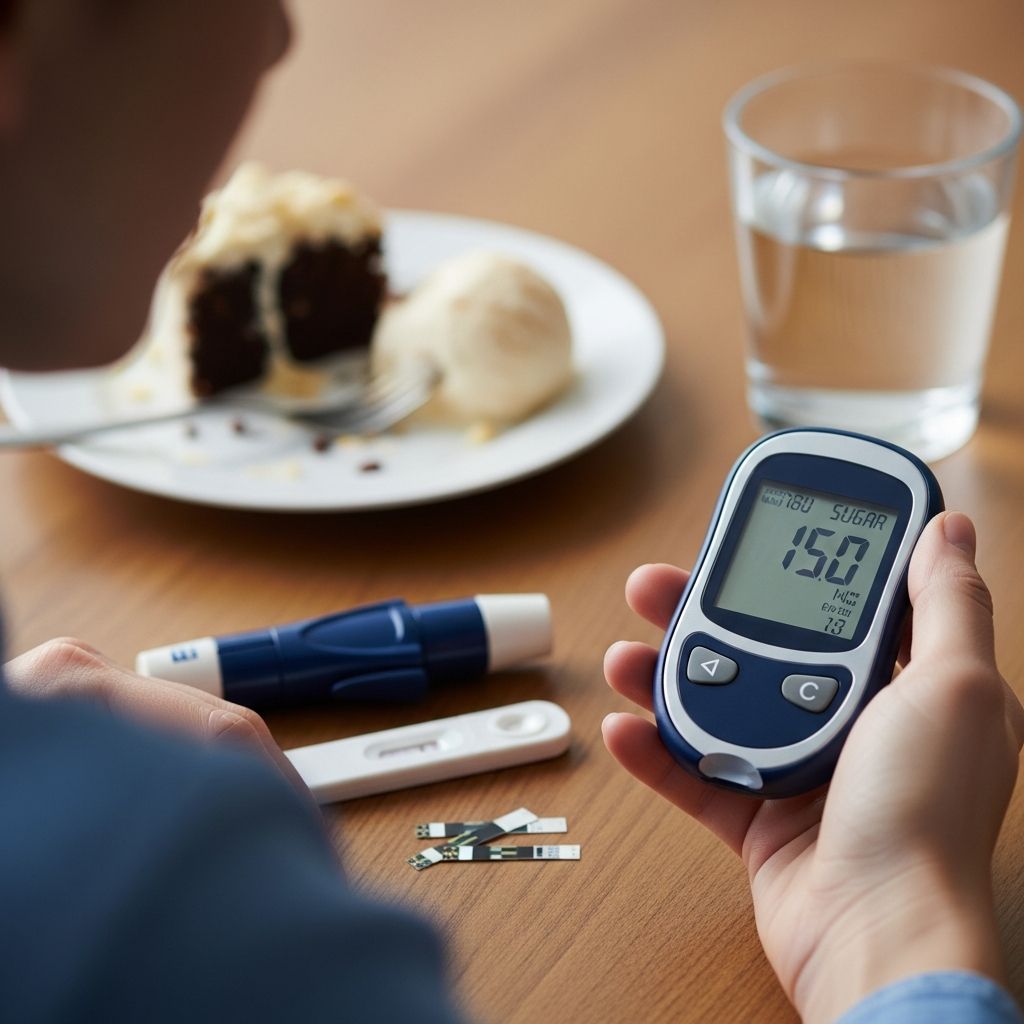
Eating too much sugar can cause a rapid blood sugar spike for people with diabetes, but prompt actions can help stabilize glucose levels and prevent complications. This guide covers immediate responses, recovery strategies, and prevention based on expert recommendations from sources like the American Diabetes Association.
Don’t Panic—Here’s What to Do
When you’ve consumed excess sugar, the priority is monitoring and mitigating the blood glucose rise. Hyperglycemia, or high blood sugar, occurs because added sugars like those in sugary beverages or desserts are quickly absorbed, leading to elevated glucose levels that strain insulin response in diabetes. Stay calm, as stress hormones can worsen spikes.
- Check your blood sugar immediately: Use a glucometer to establish a baseline reading every 1-2 hours to track the peak and decline.
- Hydrate aggressively: Drink water to dilute blood sugar and promote urination, which helps flush excess glucose.
- Engage in light physical activity: A 15-30 minute walk can enhance muscle glucose uptake without insulin.
These steps align with practical strategies to counteract added sugars’ effects, as overconsumption contributes to type 2 diabetes risk through rapid glycemic loads.
Monitor Your Blood Sugar Levels
Regular monitoring is crucial post-indulgence. Blood sugar may peak 1-2 hours after eating sugar and remain elevated for hours. Aim for targets under 180 mg/dL post-meal per ADA guidelines, though individual targets vary.
| Time After Eating | Action | Expected Glucose Range (mg/dL) |
|---|---|---|
| 1 hour | Check and note | 140-180 (target) |
| 2 hours | Recheck; walk if >200 | <180 |
| 4 hours | Monitor for drop | 70-140 |
If levels exceed 250 mg/dL with ketones, contact a healthcare provider to avoid diabetic ketoacidosis.
Engage in Physical Activity
Exercise lowers blood sugar by increasing insulin sensitivity and glucose transport into cells. Opt for moderate activities like brisk walking, cycling, or yoga rather than intense workouts, which could trigger stress responses.
- Start with 10-15 minutes immediately after eating.
- Continue intermittently if glucose remains high.
- Avoid exercise if blood sugar >300 mg/dL or ketones are present.
Studies show physical activity helps manage postprandial hyperglycemia effectively in diabetes.
Stay Hydrated
Dehydration exacerbates high blood sugar as the body pulls fluid to dilute glucose. Consume at least 8-16 ounces of water hourly, avoiding sugary or caffeinated drinks that could worsen the situation.
Herbal teas or infused water provide variety. Proper hydration supports kidney function in excreting excess sugar.
Eat a Balanced Snack with Protein and Fiber
Counter sugar with foods that slow digestion: pair with protein (nuts, cheese), healthy fats (avocado), and fiber (veggies). Examples:
Related Stories



- Apple slices with almond butter.
- Greek yogurt with berries.
- Handful of nuts and celery.
This blunts further spikes and prevents hypoglycemia later.
Consider Low- and No-Calorie Sweeteners
Low- and no-calorie sweeteners (LNCS) like stevia, aspartame, or sucralose can replace added sugars without impacting blood glucose. The ADA recognizes LNCS for reducing calorie and carb intake in diabetes management.
- Use in beverages or cooking to satisfy sweet cravings.
- Avoid compensation by overeating elsewhere.
Evidence from RCTs shows LNCS aid weight control and glycemia without adverse effects.
Why Does Eating Sugar Affect People with Diabetes Differently?
In diabetes, impaired insulin production (type 1) or response (type 2) prevents efficient glucose clearance from blood. Added sugars, especially fructose in SSBs, rapidly elevate levels, increasing risks of obesity, heart disease, and complications. Average U.S. intake is 17 teaspoons daily, far exceeding AHA limits of 6 tsp (women)/9 tsp (men).
Immediate Effects of Too Much Sugar
Short-term: hyperglycemia symptoms like thirst, fatigue, blurred vision. Frequent spikes damage vessels over time.
- Fatigue and headache from energy fluctuations.
- Increased urination and thirst.
- Potential nausea if extreme.
Long-Term Risks of Frequent High Blood Sugars
Chronic hyperglycemia leads to neuropathy, retinopathy, nephropathy, and cardiovascular disease. Limiting added sugars to <10% calories (ideally <6%) per Dietary Guidelines prevents these.
Short-Term Effects on A1C and Insulin Sensitivity
One episode minimally affects A1C, but repeated ones impair sensitivity, mimicking prediabetes progression.
How Much Sugar Is Too Much for Diabetes?
CDC advises <10% daily calories from added sugars (200 kcal/12 tsp on 2,000 kcal diet). AHA: women ≤6 tsp (25g), men ≤9 tsp (36g). For diabetes, even less is ideal to maintain euglycemia.
Common Sources of Hidden Sugars
- Sugar-sweetened beverages (24% intake).
- Desserts/snacks (19%).
- Coffee/tea, cereals (19%).
Prevent Future Overindulgences
- Plan meals with carb counting.
- Stock LNCS-sweetened alternatives.
- Read labels: aim <5g added sugar/serving.
- Use apps for tracking.
Build a Diabetes-Friendly Pantry
Stock nuts, veggies, lean proteins, LNCS. Avoid stocking temptations.
Frequently Asked Questions
Will one sugary treat ruin my diabetes management?
No, occasional indulgences are manageable with prompt action, but consistency matters for A1C control.
Can artificial sweeteners cause blood sugar spikes?
No, LNCS do not raise blood glucose and help reduce added sugars per ADA.
How long does a sugar binge affect blood sugar?
Typically 4-6 hours to normalize with intervention; monitor overnight.
Is fruit sugar safe for diabetes?
Whole fruits yes, due to fiber; limit juices/SSBs high in fructose.
When to call a doctor after too much sugar?
If glucose >300 mg/dL, ketones present, or symptoms persist.
Key Takeaways
- Act fast: monitor, hydrate, exercise.
- Use LNCS for satisfaction without spikes.
- Limit added sugars to AHA/CDC guidelines.
- Focus on balanced habits for prevention.
References
- Practical Strategies to Help Reduce Added Sugars Consumption to Prevent Obesity and Diabetes — Diabetes Spectrum (PMC). 2021-02-01. https://pmc.ncbi.nlm.nih.gov/articles/PMC7839604/
- Sweet Nothings: The Truth About Sugar and Diabetes — University of Utah Health. 2023-11-01. https://healthcare.utah.edu/healthfeed/2023/11/sweet-nothings-truth-about-sugar-and-diabetes
- How Much Sugar Is Too Much? — American Heart Association. 2023-01-01. https://www.heart.org/en/healthy-living/healthy-eating/eat-smart/sugar/how-much-sugar-is-too-much
- Get the Facts: Added Sugars — Centers for Disease Control and Prevention (CDC). 2024-01-01. https://www.cdc.gov/nutrition/php/data-research/added-sugars.html
Similar Articles








Read full bio of medha deb