Panic Attack In Public: 6 Essential Steps To Regain Control
Learn essential steps to manage a panic attack in public, recognize symptoms, and find long-term support for anxiety relief.
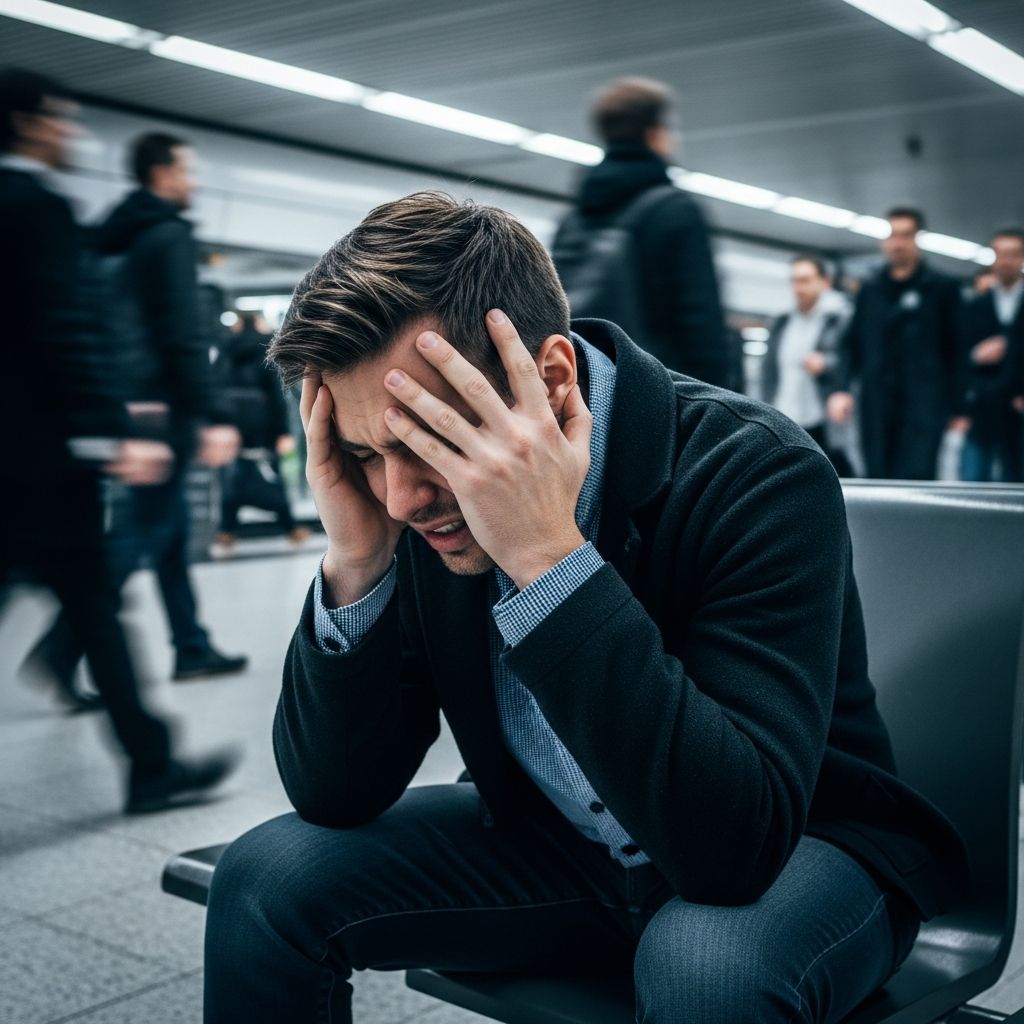
A panic attack in public can feel overwhelming and frightening, striking suddenly even during enjoyable moments. Recognizing the signs early and applying proven coping strategies can help you regain control quickly and safely.
Peer-reviewed guidance emphasizes preparation: understanding your body’s response, practicing grounding techniques, and knowing when to seek help ensures you navigate these episodes with confidence.
In this article:
- What happens to your body during a panic attack?
- How do you know if you are having a panic attack?
- What should you do if you are in public and start having a panic attack?
- What can others do if they see someone having a panic attack in public?
- Can panic attacks be prevented in the future?
- Where can you find support for anxiety, stress or panic disorder?
What happens to your body during a panic attack?
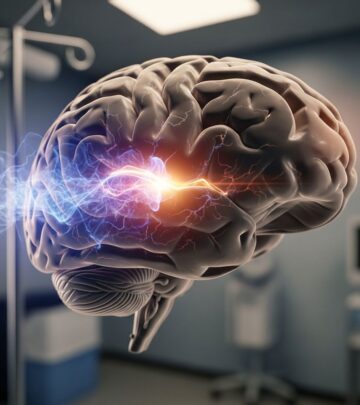
Panic attacks stem from a sudden surge of intense anxiety triggered by your body’s built-in alarm system, akin to a smoke detector activating at the faintest hint of danger. This ‘fight-or-flight’ response, essential for survival in ancestral times—like fleeing predators or hunting—prepares you for immediate action.
Senior well-being practitioner Holly Brick describes this as a rapid physiological cascade: adrenaline floods your system, causing your heart to race, muscles to tense, and senses to heighten. Your body redirects blood to vital organs, leading to symptoms like sweating, trembling, and shortness of breath. While adaptive for real threats, in modern contexts without danger, it manifests as a panic attack.
During the peak, which typically lasts 5-10 minutes, you might feel detached from reality (derealization) or yourself (depersonalization). These sensations arise because the brain’s amygdala—the fear center—overrides rational thinking in the prefrontal cortex.
Importantly, panic attacks are not physically harmful; they cannot cause heart attacks or long-term damage, though they mimic serious conditions, fueling further fear. Understanding this biological mechanism demystifies the experience, reducing its power over time.
How do you know if you are having a panic attack?
Identifying a panic attack promptly is crucial, especially in public where embarrassment might amplify distress. According to diagnostic criteria, a panic attack involves at least four of 13 characteristic symptoms peaking within minutes.
Common signs include:
- Intense fear or discomfort that surges abruptly.
- Racing or pounding heart (palpitations).
- Sweating, trembling, or shaking.
- Shortness of breath or smothering sensations.
- Chest pain or discomfort.
- Dizziness, lightheadedness, or faintness.
- Chills or hot flushes.
- Nausea or abdominal distress.
- Numbness or tingling (paresthesias).
- Derealization (unreality) or depersonalization (detached from self).
- Fear of losing control or ‘going crazy’.
- Fear of dying.
Brick notes that these bodily changes often trigger catastrophic thoughts, like ‘I’m having a heart attack’ or ‘I’m going to die,’ creating a vicious cycle. Bodily symptoms intensify fear, which worsens symptoms.
Differentiating from a heart attack: Panic symptoms usually resolve within 30 minutes without intervention, lack radiation of pain to arms/jaw, and respond to grounding techniques. If chest pain persists or you’re unsure, call emergency services immediately.
Related Stories



Post-attack hypervigilance—scanning for bodily cues—perpetuates the cycle. Early recognition via the 5-4-3-2-1 grounding technique interrupts this: Name 5 things you see, 4 you touch, 3 you hear, 2 you smell, 1 you taste.
What should you do if you are in public and start having a panic attack?
If symptoms emerge in public—say, at a shop, event, or commute—act swiftly to de-escalate. The goal: Signal safety to your brain, slowing the fight-or-flight response.
Step-by-step coping strategies:
- Find a safe spot: Move to a quieter area, bench, or exit if possible. Sit or stand firmly to ground yourself physically.
- Focus on breathing: Practice 4-7-8 breathing: Inhale for 4 seconds, hold 7, exhale 8. This activates the parasympathetic nervous system, countering hyperventilation.
- Ground with senses: Use 5-4-3-2-1 method to anchor in the present, diverting from panic thoughts.
- Challenge thoughts: Remind yourself: ‘This is a panic attack, not danger. It will pass in minutes.’ Evidence shows these pass harmlessly.
- Progressive muscle relaxation: Tense and release muscle groups (e.g., fists, shoulders) to release tension.
- Seek minimal help if needed: Tell a trusted person or staff: ‘I’m having a panic attack; I need space/quiet.’
Psychotherapist Nicola Vanlint advises avoiding stimulants like caffeine post-attack, as they prolong arousal. Practice these in calm states for automatic recall during episodes.
In severe cases with chest pain/shortness unrelieved after 10 minutes, seek medical evaluation to rule out cardiac issues.
What can others do if they see someone having a panic attack in public?
Witnessing a panic attack can be alarming, but empathetic, non-intrusive support aids recovery. Nicky Lidbetter of Anxiety UK outlines key dos and don’ts.
| Do | Don’t |
|---|---|
| Stay calm and reassuring: ‘You’re safe; this will pass.’ | Panic or draw crowds, increasing embarrassment. |
| Offer space but stay nearby if wanted. | Tell them to ‘calm down’ or ‘just breathe’ dismissively. |
| Encourage grounding: ‘Can you name three things you see?’ | Suggest paper bag breathing (can worsen CO2 imbalance). |
| Help access quiet area or water. | Force physical contact unless requested. |
| Call emergency only if symptoms suggest medical issue (e.g., unrelenting pain). | Overwhelm with questions. |
Encourage foot-stamping for grounding, as suggested by experts. Post-episode, listen without judgment; long-term, suggest professional help.
Can panic attacks be prevented in the future?
Yes, through cognitive behavioral therapy (CBT), exposure, and lifestyle changes. Prevention breaks the fear cycle by proving attacks are safe.
- CBT: Reframes catastrophic thoughts; online options like Onebright target anxiety roots.
- Graduated exposure: Face feared situations incrementally (e.g., short public outings building to longer).
- Lifestyle: Regular exercise, sleep, mindfulness meditation, limit caffeine/alcohol.[10]
- Medication: SSRIs (e.g., sertraline) for panic disorder if frequent; consult GP.
Work with qualified practitioners; early intervention prevents chronic panic disorder.
Where can you find support for anxiety, stress or panic disorder?
Support abounds via NHS, charities, and apps. Start with GP for assessment/CBT referral.[10]
- NHS: IAPT services offer free therapy; call 111 for advice.
- Charities: Anxiety UK, Mind, No Panic helplines.
- Online: Onebright CBT, NHS apps like SilverCloud.
- Hotlines: Samaritans (116 123), Crisis Text Line.
Peer forums on Patient.info foster connection. Track triggers in a journal for therapy insights.
Frequently Asked Questions (FAQs)
Q: How long does a panic attack last?
A: Typically 5-10 minutes to peak, resolving in 20-30 minutes. Lingering anxiety may follow but fades.
Q: Can panic attacks happen without warning?
A: Yes, especially in panic disorder; they peak rapidly without obvious triggers.
Q: Is a panic attack the same as a heart attack?
A: No, though symptoms overlap. Panic resolves with techniques; heart attacks need immediate care.
Q: Should I avoid public places after a panic attack?
A: Temporarily if distressing, but gradual exposure prevents avoidance worsening anxiety.
Q: When to see a doctor for panic attacks?
A: If frequent, interfering with life, or mimicking other conditions.[10]
References
- What to do if you have a panic attack in public — Patient.info. 2021-12-02. https://patient.info/features/mental-health/what-to-do-if-you-have-a-panic-attack-in-public
- Panic Disorder (Anxiety and Phobias) — Patient.info. N/A. https://patient.info/doctor/mental-health/panic-disorder
- Am I having a panic attack or a heart attack? — Patient.info. 2024-09-11. https://patient.info/features/heart-health/am-i-having-a-heart-attack-or-a-panic-attack
- How to support someone through a panic attack — Patient.info. N/A. https://patient.info/features/mental-health/how-to-support-someone-through-a-panic-attack
- Panic attack vs. anxiety attack: 6 things to know — Michigan Medicine, University of Michigan (.edu). N/A. https://www.michiganmedicine.org/health-lab/panic-attack-vs-anxiety-attack-6-things-know
- Panic Attacks (Panic Disorder): Causes, Symptoms, and Treatment — Patient.info. N/A. https://patient.info/mental-health/anxiety/panic-attack-and-panic-disorder
Similar Articles








Read full bio of medha deb