What To Eat Before A Workout: 5 Best Pre-Workout Foods
Discover the best pre-workout foods and timing to fuel your exercise, boost performance, and avoid digestive issues for optimal results.
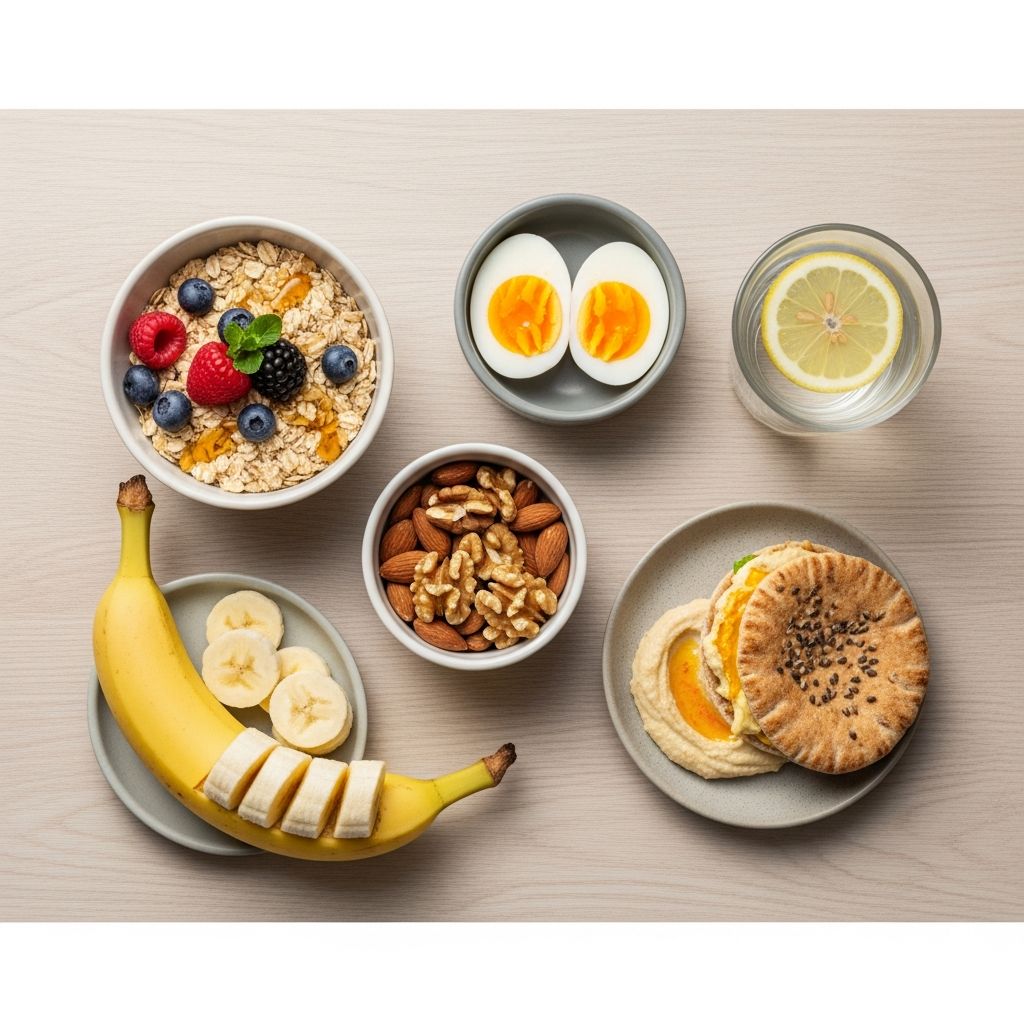
Eating the right foods before a workout provides essential energy, supports muscle function, and enhances performance while minimizing gastrointestinal discomfort. Proper pre-workout nutrition combines carbohydrates for quick fuel, proteins for muscle repair, and moderate fats, timed based on exercise intensity and duration.
Why Pre-Workout Nutrition Matters
Consuming appropriate nutrients before exercise replenishes glycogen stores, delays fatigue, and improves endurance and strength. Carbohydrates serve as the primary energy source during high-intensity activities, while proteins help prevent muscle breakdown. Without adequate fueling, workouts suffer from reduced power output and early exhaustion.
Research shows multi-ingredient pre-workout approaches, including carbs and amino acids like beta-alanine and creatine, can increase energy, focus, and training volume. For instance, supplements with caffeine, creatine, and beta-alanine delay fatigue and boost muscular endurance in recreationally active individuals.
When to Eat Before a Workout
Timing depends on meal size and workout type:
- 2-3 hours before: Full meal with balanced macros for endurance sessions.
- 30-60 minutes before: Light snack high in carbs, low in fat/fiber to avoid bloating.
- Immediate pre-workout: Simple sugars or sports drinks for quick energy in short sessions.
For morning workouts, a small carb-rich snack like a banana suffices if fasting overnight. Adjust based on tolerance—experiment to find what works without causing nausea.
Best Pre-Workout Foods
Focus on easily digestible options blending
carbs
(50-70g) andprotein
(10-20g) for most sessions. Examples include:- Banana with peanut butter: Potassium-rich fruit for electrolytes plus nut butter protein/fats.
- Greek yogurt with berries: Probiotics for gut health, antioxidants from berries.
- Oatmeal with whey protein: Sustained-release carbs from oats, fast-absorbing protein.
- Apple slices with almond butter: Fiber-balanced snack for steady energy.
- Whole-grain toast with avocado and egg: Complex carbs, healthy fats, complete protein.
Avoid heavy, fried, or high-fiber foods like beans or broccoli close to exercise to prevent cramps.
Pre-Workout Nutrition by Workout Type
| Workout Type | Duration | Ideal Pre-Fuel | Examples |
|---|---|---|---|
| Cardio/Endurance | 45+ min | High-carb, moderate protein | Banana + yogurt; energy bar |
| Strength/Weights | 30-60 min | Carb-protein balance | Oats + protein shake; turkey sandwich |
| HIIT | 20-40 min | Quick carbs + caffeine | Toast + coffee; fruit smoothie |
| Yoga/Pilates | 45-60 min | Light carbs | Apple; handful of nuts |
Tailor intake to demands: endurance needs more glycogen, strength benefits from amino acids like those in creatine-enhanced meals.
Carbs: The Primary Fuel Source
**Carbohydrates** power ATP production for intense efforts. Aim for 1-4g/kg body weight pre-workout. Simple carbs (fruit, sports drinks) for fast energy; complex (grains) for sustained release. Beta-alanine from carb-rich foods buffers lactic acid, extending high-intensity performance.
Protein: Muscle Protection
10-25g pre-workout preserves lean mass. Sources like whey, eggs, or Greek yogurt provide branched-chain amino acids (BCAAs) to reduce breakdown during exercise.
Fats and Fiber: Use Sparingly
Limit fats (<10g) and fiber to prevent delayed gastric emptying. Healthy options like nuts in small amounts add satiety without overload.
Related Stories



Hydration and Electrolytes
Dehydration impairs performance by 2-3%. Drink 16-20oz water 2 hours prior, plus electrolytes (sodium, potassium) for sessions over 60min. Pre-workout supplements often include these for hemodynamic support.
Common Pre-Workout Mistakes to Avoid
- Eating too close to workout: Causes side stitches.
- Skipping fuel: Leads to bonking or low blood sugar.
- Over-relying on supplements: Whole foods provide broader nutrients.
- Ignoring personal tolerance: Test in training, not competition.
Creatine and beta-alanine in foods/supplements enhance benefits but monitor for interactions.
Sample Pre-Workout Meal Plans
For Early Morning Workout
- 5:30 AM: Overnight oats with banana slices and chia seeds.
- Water + black coffee for caffeine boost.
Midday Gym Session
- 11 AM (for 1 PM workout): Turkey wrap with spinach and hummus.
- 12:30 PM: Handful grapes.
Evening HIIT
- 5 PM (for 6:30 PM): Smoothie with spinach, berries, protein powder, almond milk.
These plans deliver 30-60g carbs, 15g protein, calibrated for digestion.
Special Considerations
Vegetarian/Vegan: Use plant proteins like pea protein, lentils with rice.
Diabetes: Low-GI carbs, monitor glucose.
Beginners: Start small to build tolerance.
Fast-Mimicking: BCAAs or EAAs if intermittent fasting.
Pre-workout blends with arginine, taurine, and B-vitamins support various needs safely in healthy adults.
Frequently Asked Questions (FAQs)
What should I eat 30 minutes before a workout?
A light, carb-focused snack like a banana or rice cake with a thin nut butter spread provides quick energy without heaviness.
Is it okay to workout on an empty stomach?
Possible for low-intensity fasted cardio, but risks muscle loss and fatigue in high-intensity sessions. Fuel for best results.
How much caffeine pre-workout?
3-6mg/kg body weight (e.g., 200-400mg for 70kg person) from coffee or supplements enhances focus and fat oxidation.
Best pre-workout for weight loss?
Moderate carbs/protein combos preserve muscle while creating deficit; avoid excess calories.
Can I eat fatty foods before lifting?
Limit fats; they slow digestion. Opt for lean proteins instead.
Supplements vs. Whole Foods
Whole foods offer micronutrients and fiber benefits. Supplements like those with creatine (increases phosphate reserves), beta-alanine (pH buffer), and caffeine excel for convenience and targeted effects. Studies confirm safety and efficacy in active populations for up to 28 days.
In summary, personalize pre-workout intake: prioritize carbs for energy, protein for protection, time for digestion, and hydrate. Consistent fueling elevates performance sustainably.
References
- Pre-Workout Supplements and Their Effects on Cardiovascular Health — Nutrients Journal (PMC). 2024. https://pmc.ncbi.nlm.nih.gov/articles/PMC12028264/
- Spradley et al. Ingesting a pre-workout supplement containing caffeine, B-vitamins, amino acids, creatine, and beta-alanine before exercise delays fatigue — Nutrition & Metabolism. 2012-04-13. https://doi.org/10.1186/1743-7075-9-28
- Kendall et al. Ingesting a preworkout supplement containing caffeine, creatine, β-alanine, amino acids, and B vitamins for 28 days — Journal of the International Society of Sports Nutrition. 2014. https://doi.org/10.1186/1550-2783-11-S1-P14
- International Olympic Committee consensus statement: dietary supplements and the high-performance athlete — British Journal of Sports Medicine. 2023 (updated). https://bjsm.bmj.com/content/57/15/965
Similar Articles








Read full bio of Sneha Tete