What to Eat Before, During, and After Running
Optimize your running performance and recovery with expert nutrition tips for every stage of your run.
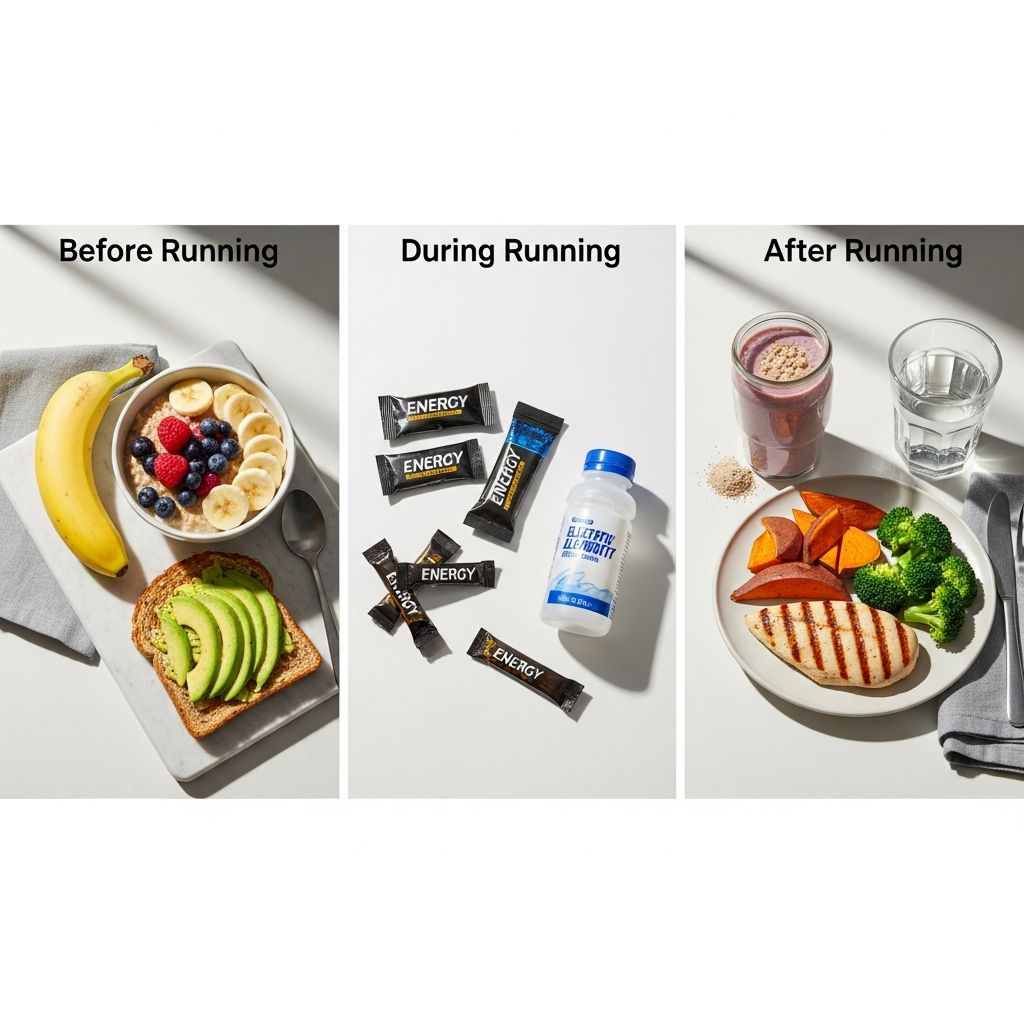
Running demands a lot from your body—energy, endurance, and efficient recovery. Proper nutrition is the cornerstone of peak performance, whether you’re training for a 5K or tackling ultra-marathons. What you eat before, during, and after your runs can make the difference between hitting the wall or powering through, reducing injury risk, and bouncing back faster. This guide breaks down the science-backed strategies for fueling your runs effectively, drawing from sports nutrition principles to help runners optimize their diet.
Why Nutrition Matters for Runners
Runners burn hundreds of calories per mile, depleting glycogen stores—the body’s primary fuel from carbohydrates. Without adequate fueling, you risk bonking (sudden fatigue), muscle breakdown, and prolonged recovery. The American College of Sports Medicine recommends tailoring intake based on run duration and intensity: short runs (<60 minutes) may need minimal fuel, while longer efforts demand strategic carbs, electrolytes, and hydration. Post-run, nutrients repair muscle damage and replenish energy, with protein aiding synthesis and carbs restoring glycogen.
What to Eat Before Running
Pre-run nutrition should provide steady energy without gastrointestinal distress. Aim for easily digestible carbs 1-4 hours before lacing up, paired with moderate protein and minimal fat/fiber to avoid bloating. Timing matters: a full meal 3-4 hours out, a snack 30-60 minutes prior.
Timing Your Pre-Run Meal
- 3-4 hours before: Balanced meal with 1-4g carbs/kg body weight (e.g., 70-280g for a 70kg runner).
- 1-2 hours before: Lighter carbs like oatmeal or banana.
- 30 minutes before: Simple sugars like sports drink or gel.
Best Pre-Run Foods
| Food | Why It Works | Portion Example |
|---|---|---|
| Oatmeal with banana | Sustained carbs, potassium | ½ cup oats + 1 banana |
| Toast with peanut butter & jelly | Quick carbs + small fat for satiety | 1 slice whole-grain toast |
| Greek yogurt with berries | Protein + antioxidants | ¾ cup yogurt + ½ cup berries |
| Smoothie (banana, spinach, protein powder) | Hydrating, nutrient-dense | 12-16 oz |
Avoid heavy, fatty, or high-fiber foods like fried items or bran cereals close to run time, as they slow digestion. Hydrate with 16-20 oz water 2 hours before, plus electrolytes if it’s hot.
What to Eat During Running
For runs under 60 minutes, water suffices. Longer runs (especially >90 minutes or in heat) require 30-60g carbs/hour to maintain blood sugar and delay fatigue. Practice in training to test tolerance.
Fueling Strategies for Long Runs
- Carb sources: Gels (25g carbs each), chews, sports drinks.
- Hydration: 4-8 oz every 15-20 minutes; include sodium (300-600mg/hour).
- Caffeine boost: 3mg/kg body weight (e.g., gels with 25-50mg).
During-Run Fuel Options
| Type | Carbs per Serving | Pros | Cons |
|---|---|---|---|
| Energy gel | 20-30g | Portable, fast-absorbing | Can be too sweet |
| Sports drink (e.g., Gatorade) | 14-20g/8oz | Hydrates + fuels | Bulkier to carry |
| Chews or gummies | 25g/pack | Chewable texture | May stick to teeth |
| Real food (dates, pretzels) | 15-25g | Palatable | Harder to digest |
Start fueling early (first 30 minutes) and sip consistently. The International Society of Sports Nutrition notes this preserves muscle glycogen by 50% during endurance exercise.
Related Stories



What to Eat After Running
The 30-60 minute ‘golden window’ post-run is critical for recovery. Consume 20-40g protein + 1-1.2g carbs/kg body weight within 30 minutes to spike insulin, shuttle nutrients to muscles, and restore glycogen (optimal within 4 hours total).
Post-Run Recovery Goals
- Replenish glycogen: 3:1 carb-to-protein ratio.
- Repair muscles: Leucine-rich proteins (e.g., whey, eggs).
- Rehydrate: 16-24 oz per pound lost.
- Reduce inflammation: Antioxidants from fruits/veggies.
Best Post-Run Meals and Snacks
| Option | Macros | Timing |
|---|---|---|
| Chocolate milk | 30g carbs, 8g protein | Immediate |
| Turkey sandwich on whole grain | 50g carbs, 25g protein | Within 1 hour |
| Protein smoothie with fruit | 40g carbs, 25g protein | Immediate |
| Quinoa salad with eggs & veggies | 60g carbs, 30g protein | Full meal |
For intense sessions, add tart cherry juice for anti-inflammatory benefits. Avoid alcohol, which impairs recovery.
Nutrition for Different Types of Runs
Short Runs (<60 min)
Focus pre-run snack if fasted; post-run light protein-carb combo.
Long Runs (>90 min)
Practice race-day fueling; emphasize during-run carbs.
Speed Work/Intervals
Higher carbs pre-run for anaerobic energy; extra protein post.
Daily Training Runs
Consistent carbs (5-7g/kg/day); periodize around key workouts.
Hydration Tips for Runners
Dehydration drops performance by 2% per 1% body weight lost. Weigh before/after runs: replace 125-150% fluid loss. Urine color (pale yellow = good) guides daily intake (half body weight in oz minimum).
Common Nutrition Mistakes Runners Make
- Skipping pre-run fuel → low energy.
- Over-relying on gels → GI issues.
- Ignoring protein post-run → slow recovery.
- Poor hydration → cramps, fatigue.
- Not practicing fuel → race-day disasters.
Frequently Asked Questions (FAQs)
Should I run fasted?
For low-intensity short runs, yes—but not for performance sessions. Fasted running burns more fat but risks muscle loss.
What if I have a sensitive stomach?
Test low-fiber, low-fat options; use liquid fuels like smoothies or drinks.
How much should I eat on race day?
Mimic training: carbs breakfast 3 hours pre, gels every 45 min.
Can I eat junk food after runs?
In moderation for glycogen, but prioritize nutrient-dense foods long-term.
Vegetarian/vegan runner tips?
Beans, lentils, tofu for protein; quinoa, sweet potatoes for carbs.
References
- Nutrition and Athletic Performance — American College of Sports Medicine. 2016 (reaffirmed 2024). https://journals.lww.com/acsm-msse/fulltext/2016/03000/nutrition_and_athletic_performance.25.aspx
- International Society of Sports Nutrition Position Stand: Nutrient Timing — Journal of the International Society of Sports Nutrition. 2017-08-14. https://jissn.biomedcentral.com/articles/10.1186/s12970-017-0189-4
- ACSM Guidelines for Exercise Testing and Prescription — American College of Sports Medicine. 2024. https://www.acsm.org/education-resources/books/guidelines-exercise-testing-prescription
- Carbohydrate Availability and Physical Performance — Sports Medicine (Springer). 2023-05-15. https://doi.org/10.1007/s40279-023-01869-5
- Hydration to Maximize Performance and Recovery — National Strength and Conditioning Association. 2022. https://www.nsca.com/education/articles/kinetic-select/hydration-to-maximize-performance-and-recovery/
Similar Articles








Read full bio of Sneha Tete