What to Eat Before, During, and After Running
Fuel your runs effectively with expert nutrition advice on pre-run carbs, mid-run hydration, and post-run recovery meals.
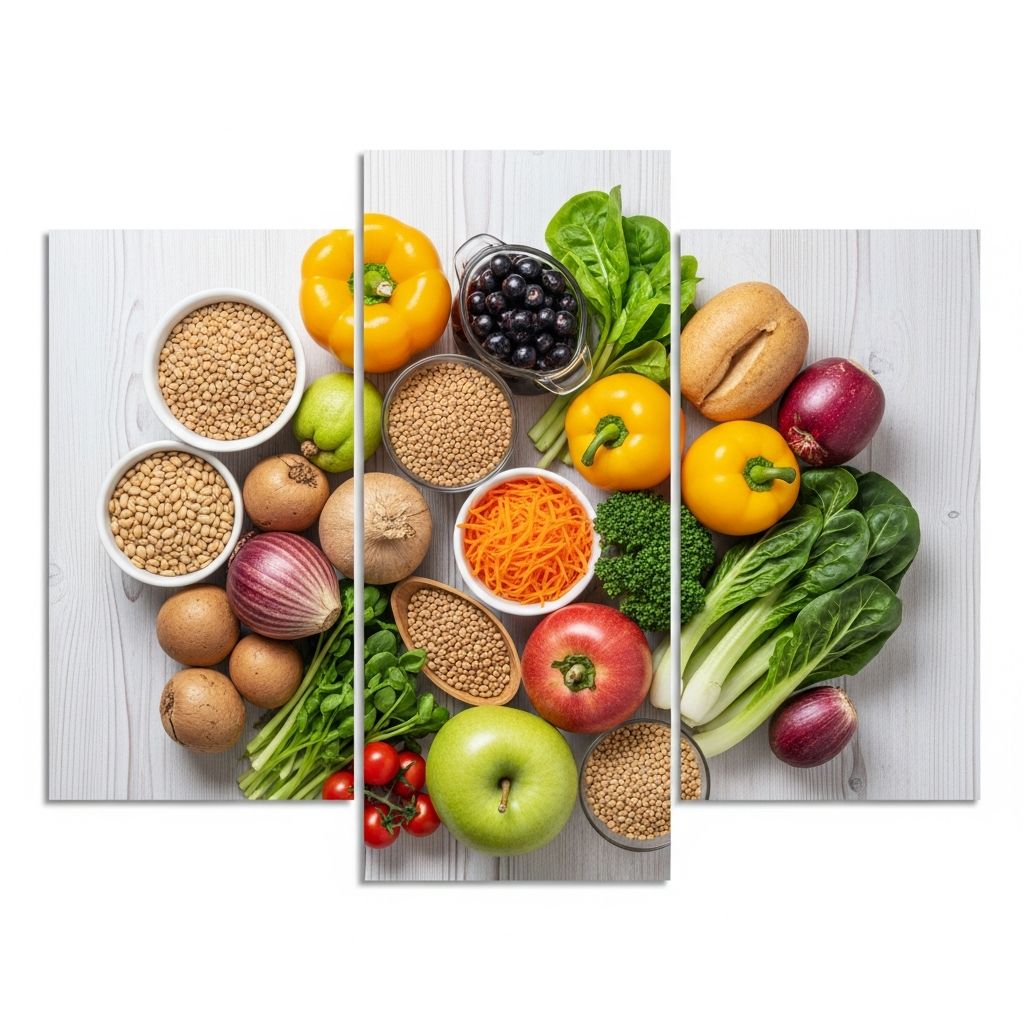
Proper nutrition is the cornerstone of successful running, whether you’re training for a 5K or tackling ultramarathons. What you eat before, during, and after your runs directly impacts your energy levels, endurance, performance, and recovery. Poor fueling can lead to bonking mid-run, muscle cramps, or prolonged soreness, while smart eating strategies enhance stamina, speed, and resilience.
This comprehensive guide, informed by registered dietitians, sports nutritionists, and elite runners, breaks down the best foods and timing for every phase of your run. We’ll cover carbohydrate loading, hydration protocols, protein timing, and common pitfalls to avoid. By optimizing your nutrition, you’ll unlock better performances and faster recoveries.
Why Nutrition Matters for Runners
Runners burn thousands of calories per session, depleting glycogen stores—the body’s primary fuel for high-intensity exercise. Without adequate carbs, your body shifts to fat and protein breakdown, causing fatigue and muscle loss. Hydration is equally critical; even 2% dehydration impairs performance by 10-20%.1 Post-run, the 30-60 minute “recovery window” is prime for nutrient absorption to repair tissues and replenish energy.
Individual needs vary by run duration, intensity, body weight, and experience. Beginners might need simpler strategies, while marathoners focus on gut training for race-day fueling.
What to Eat Before Running
Pre-run nutrition provides the glucose and glycogen needed for sustained energy. Aim for easily digestible carbs with moderate protein and minimal fat/fiber to prevent GI distress.
Timing Your Pre-Run Meal
- 2-4 hours before: Full meal with 1-4g carbs/kg body weight (e.g., 70-280g for 70kg runner).
- 30-60 minutes before: Small snack like a banana or energy gel (30-60g carbs).
- Early morning runs: Quick options like toast with jam or sports drink.
Best Pre-Run Foods
| Food | Carbs (g) | Why It Works |
|---|---|---|
| Oatmeal with banana | 50-70 | Sustained energy from oats; potassium from banana prevents cramps. |
| White toast + honey + peanut butter | 40-60 | Low-fiber carbs digest quickly; small fat amount stabilizes blood sugar. |
| Smoothie (yogurt, berries, oats) | 40-50 | Liquid form absorbs fast; protein aids satiety. |
| Energy bar or gel | 25-40 | Portable, concentrated carbs for short notice. |
Avoid heavy fats (e.g., fried foods), high-fiber veggies, or excessive protein close to run time, as they slow digestion. Caffeine in coffee or gels can boost performance by 3-5% via enhanced fat mobilization.2
What to Eat and Drink During Running
For runs under 60 minutes, water suffices. Longer efforts require carbs (30-60g/hour) and electrolytes to maintain blood sugar and hydration. Practice in training to train your gut.
Intra-Run Fueling Guidelines
- Short runs (<60 min): Water every 15-20 min.
- Long runs (60-120 min): 30g carbs/hour + electrolytes.
- Marathons/ultras (>2 hours): 60-90g carbs/hour from multiple sources (glucose + fructose).
Top During-Run Options
- Hydration: Sports drinks (6-8% carbs, 300-500mg sodium/L).
- Gels: 20-30g carbs each; take with water.
- Chews/gummies: 25g carbs/pack; easier on stomach.
- Real foods: Dates, pretzels, or bananas for variety.
Related Stories



Sodium is key: aim for 300-700mg/hour to replace sweat losses (average 900mg/L sweat).3 Dehydration hits women harder due to lower plasma volume.
What to Eat After Running
Post-run is recovery time. Within 30 minutes, consume carbs + protein (3-4:1 ratio) to spike insulin, replenish glycogen (at 50% faster rate), and kickstart muscle repair.
Recovery Nutrition Basics
- Carbs: 1-1.2g/kg/hour for 4-6 hours.
- Protein: 20-40g, rich in leucine (e.g., whey).
- Hydration: 16-24oz per pound lost; include sodium.
Best Post-Run Meals and Snacks
| Option | Carbs (g) | Protein (g) | Notes |
|---|---|---|---|
| Chocolate milk | 30 | 25 | Ideal 3:1 ratio; electrolytes included. |
| Greek yogurt + berries + granola | 40 | 20 | Probiotics aid gut health post-run. |
| Turkey sandwich on whole grain | 50 | 30 | Balanced; add veggies for micronutrients. |
| Protein shake + banana | 40 | 25 | Quick for on-the-go recovery. |
| Quinoa bowl with eggs and sweet potato | 60 | 25 | Anti-inflammatory; sustains recovery. |
Sleep and total daily calories matter too—runners often underfuel chronically, risking RED-S (Relative Energy Deficiency in Sport).
Special Considerations for Runners
Beginners vs. Elite Runners
Novices prioritize simple, familiar foods to build habits. Elites experiment with carb periodization (high-carb pre-long run, low-carb for fat adaptation).
Female Runners and Menstrual Cycle
Hormonal fluctuations affect fueling: increase carbs by 10-20% in luteal phase when glycogen use rises.4
Common Mistakes to Avoid
- Skipping pre-run fuel (leads to early fatigue).
- Over-relying on gels (causes GI issues).
- Ignoring hydration (cumulative dehydration tanks performance).
- Low protein post-run (impairs repair).
- Not practicing race fueling.
Frequently Asked Questions (FAQs)
Should I eat before a morning run?
Yes, even a small carb snack (e.g., half banana) prevents low blood sugar. If fasted, keep it easy (<30 min).
What’s the best carb source during runs?
Multiple transporters: glucose gels + fructose chews maximize 90g/hour uptake without distress.
How much protein after running?
20-40g within 30-60 min; leucine threshold (2-3g) triggers muscle protein synthesis.
Can I run fasted for fat loss?
Occasionally yes, but not daily—risks muscle loss and metabolic slowdown. Fuel properly for performance.
What if I have a sensitive stomach?
Test low-FODMAP foods like rice cakes, ginger chews; train gut with liquids over solids.
References
- American College of Sports Medicine position stand: Exercise and fluid replacement — ACSM. 2016-02-01. https://pubmed.ncbi.nlm.nih.gov/26891169/
- International Society of Sports Nutrition position stand: Caffeine and exercise performance — JISSN. 2021-01-12. https://jissn.biomedcentral.com/articles/10.1186/s12970-020-00383-4
- ACSM position stand: Nutrition and athletic performance — Medicine & Science in Sports & Exercise. 2016-03. https://pubmed.ncbi.nlm.nih.gov/26891166/
- Naissance of a new paradigm in female athlete nutrition — British Journal of Sports Medicine. 2024-05-15. https://bjsm.bmj.com/content/58/11/586
- IOC consensus statement on relative energy deficiency in sport (RED-S) — British Journal of Sports Medicine. 2018-04-26. https://bjsm.bmj.com/content/52/7/439
Similar Articles








Read full bio of Sneha Tete