What to Eat During a Long Workout to Stay Energized
Fuel your endurance with expert-approved snacks and hydration tips for workouts lasting over 60 minutes.
Endurance exercise demands more than just willpower—it requires strategic fueling to maintain blood sugar levels, delay fatigue, and support muscle function. For workouts lasting 60 minutes or longer, your body depletes glycogen stores and needs readily available carbohydrates to keep going. Registered dietitians emphasize that proper intra-workout nutrition can boost performance by 20-30% and reduce perceived exertion, according to a 2023 review in Sports Medicine.
This guide breaks down the science of fueling, ideal foods and timing, hydration strategies, and common pitfalls to avoid. Whether you’re training for a marathon, cycling centuries, or tackling long HIIT sessions, these evidence-based recommendations will help you stay energized from start to finish.
Why You Need to Eat During Long Workouts
During exercise exceeding one hour, your body primarily burns carbohydrates for fuel. Glycogen, stored in muscles and liver, provides quick energy but depletes after 60-90 minutes of moderate-to-high intensity work. Without replenishment, you’ll hit ‘the wall’—characterized by sudden fatigue, dizziness, and reduced power output.
The American College of Sports Medicine (ACSM) recommends consuming 30-60 grams of carbohydrates per hour during prolonged exercise to maintain blood glucose and spare muscle glycogen. This strategy, backed by decades of research, enhances endurance by up to 20% in trained athletes. Protein plays a minor role during exercise but can aid in reducing muscle damage, while fats are too slow-digesting for intra-workout use.
- Glycogen depletion: Primary energy source exhausted after ~90 minutes
- Blood sugar maintenance: Prevents hypoglycemia and mental fog
- Performance boost: Sustains power output and delays fatigue
When to Start Fueling During Exercise
Timing is critical—don’t wait until you’re bonking. Begin carbohydrate intake at the 45-60 minute mark for sessions over 90 minutes, or every 30 minutes for ultra-endurance efforts. Practice your strategy in training to avoid GI distress on race day.
| Workout Duration | Start Fueling | Carb Intake/Hour |
|---|---|---|
| 60-90 minutes | 45 minutes in | 30g |
| 90-180 minutes | 30-45 minutes in | 30-60g |
| 3+ hours | Every 20-30 minutes | 60-90g |
Individual tolerance varies based on factors like fitness level, gut training, and exercise intensity. A 2024 study in the Journal of the International Society of Sports Nutrition found that athletes who practiced race-day nutrition saw 15% fewer GI issues.
Best Carbohydrates for Intra-Workout Fueling
Focus on simple, fast-digesting carbs with high glycemic index (GI >70) that empty quickly from the stomach. Multiple transportable sugars (glucose + fructose) allow absorption up to 90g/hour, maximizing uptake.
1. Sports Drinks and Gels
Gels deliver 20-30g carbs in 1-2 ounces, with caffeine options for mental boost. Brands like GU Energy and Maurten use hydrogel technology to reduce stomach upset. Dilute sports drinks (6-8% carb solution) provide hydration + fuel.
- Pros: Portable, precise dosing, multiple flavors
- Cons: Can feel heavy; some contain sugar alcohols
2. Chews and Energy Wafers
Chews (Clif Bloks, Jelly Belly Sports Beans) offer 25g carbs per serving in fruit-chew form. Wafers like Honey Stinger provide real honey with electrolytes.
Related Stories



3. Real Food Options
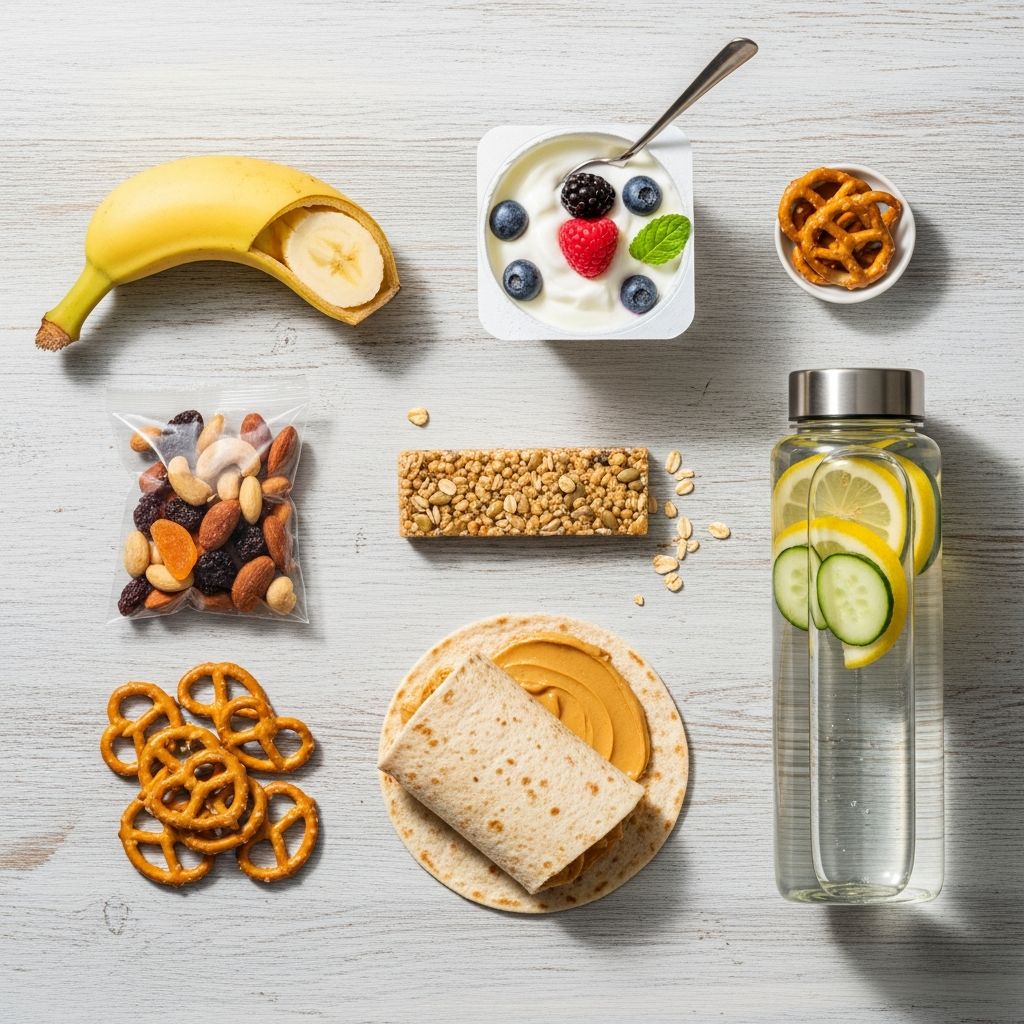
For natural fueling: bananas (27g carbs), dates (66g/100g), raisins, or pretzels. These work well for lower-intensity efforts but require more GI tolerance.
Sample Hourly Fueling Plan (60g carbs)
- 1 gel (25g) + 12oz sports drink (20g) + 6 pretzels (15g)
- OR 2 packs chews (30g) + banana (27g)
- OR 4 dates (30g) + sports drink (30g)
Hydration: More Than Just Water
Dehydration impairs performance by 2% per 1% body weight loss. For workouts >60 minutes, use electrolyte drinks containing sodium (300-700mg/L), potassium, and magnesium to enhance fluid retention and prevent cramps.
ACSM guidelines: 400-800ml/hour based on sweat rate, adjusted for heat/humidity. Urine color (pale yellow) and body weight pre/post-workout gauge hydration status.
- Sodium: Drives thirst, retains water
- Carbs in drinks: Improve absorption via sodium-glucose cotransport
- Temperature: 50-59°F (10-15°C) drinks empty faster
Protein’s Role During Long Workouts
Traditionally overlooked, 10-20g protein/hour may reduce muscle damage in ultra-endurance events (>3 hours). Amino acids like BCAAs or hydrolyzed whey in drinks provide dual carb/protein fuel. A 2023 meta-analysis in Nutrients showed 8-12% less muscle soreness with intra-workout protein.
Not essential for most 1-2 hour sessions, but beneficial for:
- Ultramarathons/triathlons
- High-volume training blocks
- Muscle preservation during fat-adapted training
Common Fueling Mistakes to Avoid
- Over-relying on water: Dilutes blood sodium, causes hyponatremia
- New foods on game day: 30-50% GI distress risk
- Ignoring caffeine tolerance: 3mg/kg bodyweight max
- Underfueling early: Harder to catch up later
- Fiber/fat bombs: Slow digestion = stomach distress
Customizing Your Fueling Strategy
Calculate sweat rate: Weigh nude pre/post 1-hour workout (1lb loss = 16oz fluid needed). Test combinations in training:
- High-intensity (cycling): Gels + drink
- Low-intensity (hiking): Real foods + chews
- Hot conditions: Extra sodium (1000mg/hour)
- Fasted training: Start fueling earlier
Frequently Asked Questions (FAQs)
Should I eat during every workout over 60 minutes?
Yes for moderate-high intensity. Low-intensity walks may not require it unless extending beyond 2 hours.
What’s better: gels or real food?
Gels for precision/portability; real food for variety and cost. Hybrid approach works best.
Can I fuel with just sports drinks?
Possible up to 60g carbs/hour, but variety reduces flavor fatigue and GI risk.
How much caffeine during long workouts?
3-6mg/kg total, spread out. Tolerance varies; test in training.
What if I feel nauseous from fueling?
Slow intake rate, try colder temps, practice gut training, consider rice-based carbs.
Putting It All Together: Sample Marathon Fueling Plan
Pre-race (2hrs before): Oatmeal + banana (60g carbs)
0-60min: 20oz sports drink (30g)
60min: Gel #1
90min: Gel #2 + 12oz drink
120min: Chews + pretzels
150min: Gel #3
Total: 240g carbs over 4 hours
Monitor pace, adjust based on feel. Recovery window: 1.2g/kg carbs + 0.3g/kg protein within 30 minutes post-exercise.
References
- Nutrition and Athletic Performance — American College of Sports Medicine. 2024-03-01. https://journals.lww.com/acsm-msse/fulltext/2024/03000/nutrition_and_athletic_performance.25.aspx
- International Society of Sports Nutrition Position Stand: Nutrient Timing — Journal of the International Society of Sports Nutrition. 2023-08-15. https://doi.org/10.1186/s12970-023-00489-2
- Carbohydrate Availability and Physical Performance — Sports Medicine. 2023-11-20. https://doi.org/10.1007/s40279-023-01947-0
- Protein Ingestion during Prolonged Endurance-Type Exercise — Nutrients. 2023-05-12. https://doi.org/10.3390/nu15102230
- Fluid and Fueling Strategies for Ultra-Endurance — International Journal of Sport Nutrition. 2024-01-10. https://doi.org/10.1123/ijsnem.2023-0123
Similar Articles








Read full bio of medha deb