What to Eat for Dinner to Lose Weight: Healthy Recipes
Discover delicious, nutritious dinner ideas that support your weight loss goals.
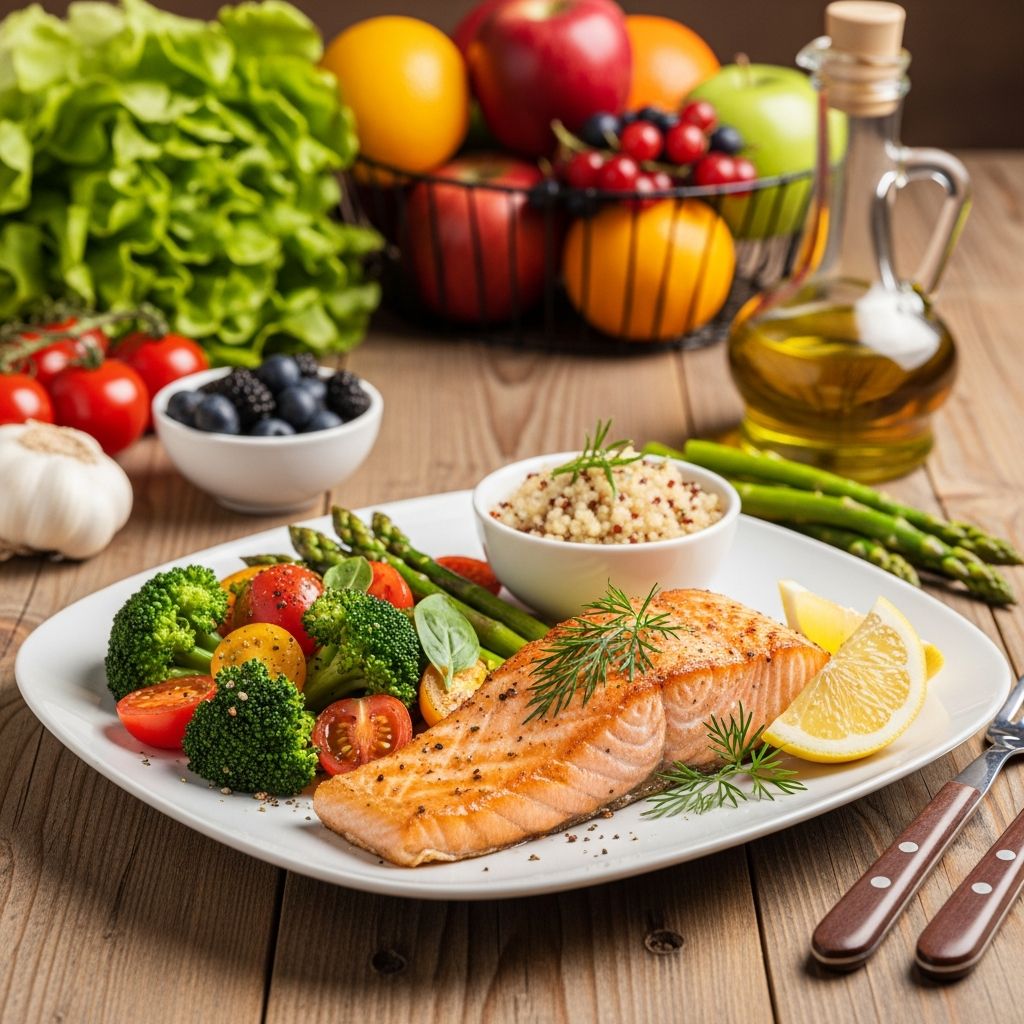
Dinner is often the most challenging meal when trying to lose weight. After a long day, many people struggle with cravings for comfort foods and oversized portions. However, with the right approach, dinner can actually become your secret weapon for successful weight loss. This comprehensive guide explores nutritionist-approved dinner strategies, delicious recipes, and evidence-based principles to help you achieve your weight loss goals without sacrificing satisfaction.
The Importance of Dinner in Weight Loss
Dinner plays a crucial role in your overall weight loss success. Unlike breakfast or lunch, dinner often represents the largest meal consumption for many people, making it an ideal opportunity to optimize your caloric intake and nutrient profile. When you eat dinner, your body’s metabolic rate begins to slow as you prepare for sleep, which means the calories consumed at this meal are less likely to be burned through activity. Strategic dinner choices can prevent late-night hunger, reduce cravings, and set you up for success the following day.
Research indicates that people who prioritize protein and fiber at dinner experience greater satiety, leading to reduced overall caloric intake and improved weight loss outcomes. Additionally, eating a balanced dinner helps stabilize blood sugar levels throughout the evening, preventing the blood sugar crashes that often trigger unhealthy snacking.
Key Principles for Weight Loss Dinners
1. Prioritize Lean Protein
Protein is the most satiating macronutrient, meaning it keeps you feeling fuller longer. Including a quality protein source at dinner helps prevent overeating and reduces cravings later in the evening. Lean proteins also have a higher thermic effect, meaning your body burns more calories digesting them compared to fats or carbohydrates.
- Skinless chicken breast and turkey
- Lean fish like salmon, cod, and tilapia
- Lean beef cuts such as sirloin or tenderloin
- Plant-based options including legumes, tofu, and tempeh
- Egg whites and low-fat dairy products
2. Include Plenty of Vegetables
Vegetables are nutritional powerhouses that are low in calories but high in fiber and essential micronutrients. They help create volume in your meals, making you feel fuller while consuming fewer calories. Aim to fill half your dinner plate with vegetables for optimal results.
- Leafy greens: spinach, kale, arugula
- Cruciferous vegetables: broccoli, cauliflower, Brussels sprouts
- Colorful options: bell peppers, tomatoes, zucchini
- Root vegetables: carrots, sweet potatoes (in moderation)
- Mushrooms and asparagus
3. Control Portion Sizes
Even healthy foods can contribute to weight gain when consumed in excessive quantities. Understanding proper portion sizes helps you maintain a caloric deficit without feeling deprived. A balanced dinner plate should include approximately 3-4 ounces of lean protein, 1-2 cups of vegetables, and a small portion of whole grains or healthy carbohydrates.
4. Choose Whole Grains Wisely
While carbohydrates have been demonized in some diet trends, whole grains are actually beneficial for weight loss when chosen wisely. They provide sustained energy and contain fiber that promotes satiety. However, portions should be modest—typically around ½ to 1 cup of cooked whole grains per meal.
Related Stories



- Brown rice and wild rice
- Quinoa and farro
- Whole wheat pasta
- Sweet potatoes and regular potatoes (with skin)
High-Protein Dinner Ideas for Weight Loss
Protein-centered dinners are particularly effective for weight loss. Here are several satisfying options:
Grilled Chicken with Roasted Vegetables
Prepare a 4-ounce grilled chicken breast seasoned with herbs and lemon, paired with roasted broccoli, bell peppers, and zucchini tossed in a minimal amount of olive oil. This meal provides approximately 300-350 calories and delivers 35 grams of protein.
Baked Fish with Quinoa
Bake salmon or white fish with herbs and lemon, serve with ½ cup of cooked quinoa and steamed asparagus. Fish provides omega-3 fatty acids that support overall health, while quinoa offers complete protein for vegetarians or those seeking variety.
Turkey and Vegetable Stir-Fry
Create a flavorful stir-fry using lean ground turkey, mixed vegetables, and a sauce made from low-sodium soy sauce, ginger, and garlic. Serve over brown rice or cauliflower rice for a lower-calorie alternative that maintains satiety.
Lean Beef with Sweet Potato
A 3-ounce portion of lean ground beef or sirloin steak with a medium sweet potato and green beans provides satisfying flavors while maintaining reasonable calorie counts. Sweet potatoes offer valuable nutrients and natural sweetness that can satisfy cravings.
Plant-Based Dinner Options
Vegetarian and vegan diners can successfully lose weight with protein-focused plant-based meals:
Lentil and Vegetable Soup
A hearty lentil soup packed with vegetables provides complete nutrition in a low-calorie package. Lentils offer approximately 9 grams of protein and 8 grams of fiber per cooked cup, making them exceptional for satiety.
Tofu Stir-Fry
Firm tofu, when prepared correctly, offers a satisfying protein source. Marinate and cook tofu until crispy, then combine with numerous vegetables and a light sauce for a complete meal.
Bean-Based Chili
A vegetarian chili made with black beans, kidney beans, and diced tomatoes provides protein, fiber, and satisfaction. Top with a small amount of low-fat Greek yogurt or a sprinkle of reduced-fat cheese for added protein.
Strategies to Maximize Weight Loss at Dinner
Eat Slowly and Mindfully
Eating slowly allows your brain adequate time to register fullness signals, which typically take 15-20 minutes. Use smaller utensils, chew thoroughly, and avoid distractions like television to enhance mindful eating.
Start with a Salad or Soup
Beginning dinner with a large salad or broth-based soup increases vegetable intake and creates early satiety. This strategy naturally reduces the quantity of higher-calorie foods consumed during the main course.
Use a Smaller Plate
Psychological research demonstrates that smaller plates make standard portions appear larger, leading to increased satisfaction with less food. This simple visual trick can significantly impact overall caloric intake.
Limit Added Fats and Oils
While healthy fats are important for nutrition, they are calorie-dense at 9 calories per gram. Measure oil portions carefully, use cooking spray alternatives, or employ cooking methods like grilling, baking, and steaming instead of pan-frying.
Avoid High-Calorie Beverages
Alcoholic beverages, sugary drinks, and high-calorie beverages consumed with dinner add significant empty calories. Opt for water, unsweetened tea, or black coffee to maintain your caloric deficit.
Foods to Limit or Avoid
While no foods need to be completely eliminated, certain foods should be minimized when losing weight:
- Fried foods: High in calories and unhealthy fats; choose baked or grilled alternatives
- Creamy sauces: Loaded with calories and saturated fat; use tomato-based or broth-based sauces instead
- Processed foods: Often high in sodium, sugar, and added fats; prioritize whole foods
- Sugary desserts: Provide empty calories without satiety; satisfy sweet cravings with fruit
- High-fat meats: Choose lean cuts and trim visible fat before cooking
- Excessive cheese: While nutritious, cheese is calorie-dense; use sparingly as a flavor enhancer
Sample Weekly Dinner Plan
| Day | Dinner Idea | Est. Calories | Protein (g) |
|---|---|---|---|
| Monday | Grilled chicken breast with broccoli and brown rice | 350 | 38 |
| Tuesday | Baked salmon with asparagus and quinoa | 380 | 35 |
| Wednesday | Turkey meatballs with zucchini noodles and marinara | 320 | 32 |
| Thursday | Vegetable stir-fry with tofu and cauliflower rice | 280 | 18 |
| Friday | Lean beef sirloin with sweet potato and green beans | 370 | 36 |
| Saturday | Lentil soup with vegetables and whole grain bread | 340 | 16 |
| Sunday | Grilled fish tacos with cabbage slaw and black beans | 360 | 30 |
Tips for Dining Out While Losing Weight
Social eating and restaurant meals don’t have to derail weight loss efforts. Use these strategies when dining out:
- Request grilled, baked, or steamed preparation methods instead of fried
- Ask for sauces and dressings on the side for portion control
- Order vegetable-based side dishes instead of fries or chips
- Choose lean protein options and ask for smaller portions
- Review menus online before visiting to make informed choices
- Share an entree or ask for half portions to be prepared
- Stay hydrated with water throughout the meal
Frequently Asked Questions
Q: What time should I eat dinner for weight loss?
A: Eating dinner 2-3 hours before bed allows adequate digestion time. The specific time matters less than overall daily caloric intake and meal composition. Choose a consistent dinner time that fits your schedule.
Q: Can I eat carbohydrates at dinner while losing weight?
A: Yes, whole grain carbohydrates can be part of a weight loss diet. The key is portion control and choosing complex carbs over refined options. Aim for ½ to 1 cup of cooked whole grains per meal.
Q: How much protein should I eat at dinner for weight loss?
A: Most nutrition experts recommend 25-35 grams of protein per meal for optimal satiety and muscle preservation. This typically equals 3-4 ounces of lean protein.
Q: Are frozen vegetables acceptable for weight loss dinners?
A: Absolutely. Frozen vegetables are nutritionally comparable to fresh varieties and often more affordable. They’re convenient, reduce food waste, and retain nutrients well.
Q: Can I have a satisfying dinner under 300 calories?
A: Yes, by focusing on high-volume, low-calorie foods like vegetables and lean proteins. A vegetable stir-fry with tofu or a large salad with grilled chicken can easily fit within 300 calories.
Q: Should I skip dinner to accelerate weight loss?
A: No. Skipping meals often leads to overeating later, unstable blood sugar, and loss of muscle mass. A nutritious dinner supports sustainable weight loss and overall health.
References
- Protein and Weight Loss: A Systematic Review and Meta-Analysis — American Journal of Clinical Nutrition, Published 2015. https://doi.org/10.3945/ajcn.114.080588
- Dietary Fiber Intake and Body Weight: A Systematic Review and Meta-Analysis — Nutrients Journal, Published 2020. https://doi.org/10.3390/nu9121200
- Satiety and the Treatment of Obesity — U.S. National Library of Medicine, National Center for Biotechnology Information. https://www.ncbi.nlm.nih.gov/books/NBK221039/
- Meal Timing and Metabolic Health — Journal of Nutrition and Metabolism, Published 2019. https://doi.org/10.1155/2019/4276038
- Thermic Effect of Food and Weight Management — Advances in Nutrition, Published 2016. https://doi.org/10.3945/an.115.008524
Similar Articles








Read full bio of medha deb