What To Eat To Build Muscle: Essential Foods And Nutrition Tips
Discover the best foods, nutrients, and meal strategies to fuel muscle growth and strength gains effectively.
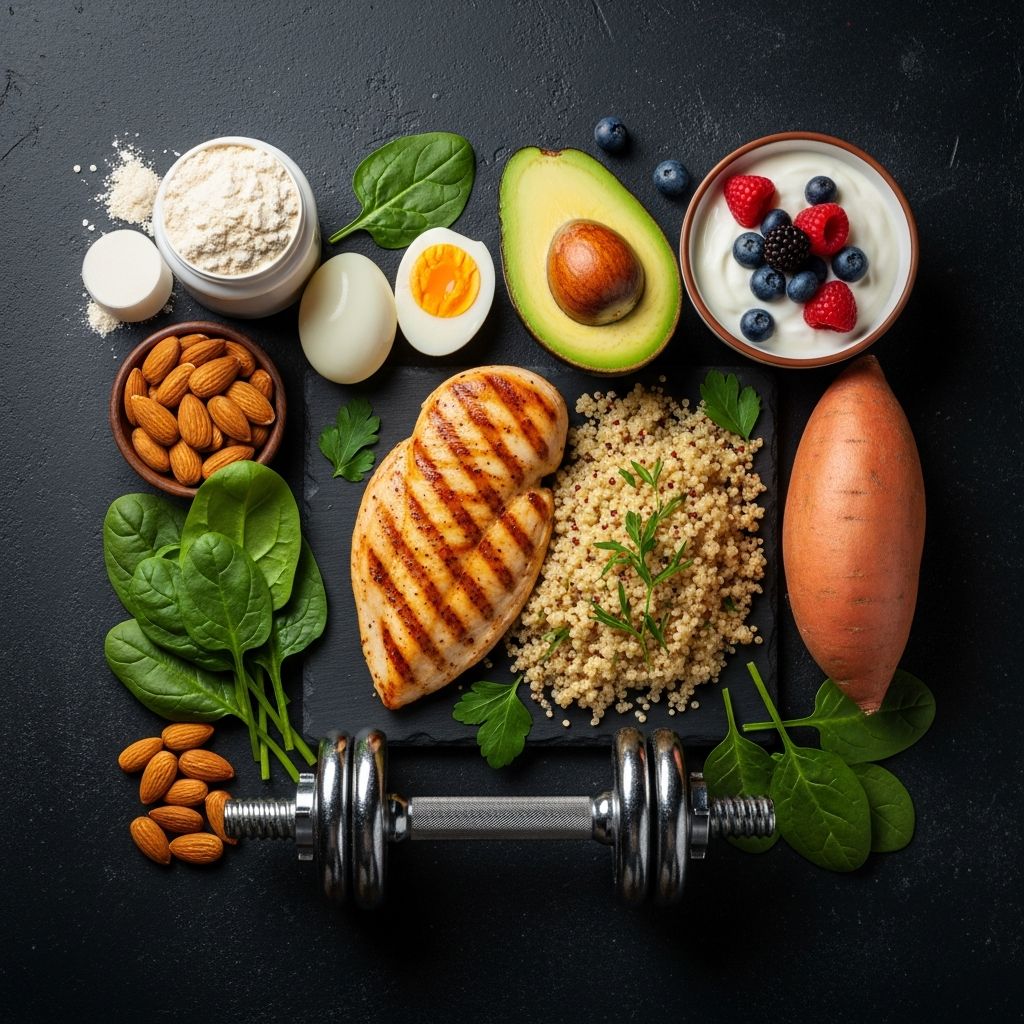
Building muscle requires more than just lifting weights—proper nutrition is the foundation of hypertrophy, recovery, and strength gains. Whether you’re a beginner or seasoned athlete, knowing what to eat to build muscle can accelerate your progress. This comprehensive guide covers the essential nutrients, top food choices, timing strategies, and sample meal plans backed by sports nutrition science.
Muscle growth, or hypertrophy, occurs when muscle protein synthesis exceeds breakdown, primarily driven by resistance training and adequate protein intake. Research from the Journal of the International Society of Sports Nutrition emphasizes that total daily protein, alongside energy balance, is key for maximizing gains. Aim for a slight calorie surplus (250–500 calories above maintenance) with 1.6–2.2 grams of protein per kg of body weight daily.
How Much Protein Do You Need to Build Muscle?
Protein is the building block of muscle. The Recommended Dietary Allowance (RDA) for adults is 0.8g/kg, but for muscle building, target 1.6–2.2g/kg body weight, spread across 3–5 meals. A 180lb (82kg) person needs 131–180g daily.
- Why this range? Meta-analyses show doses above 1.6g/kg enhance strength and lean mass gains during resistance training.
- Timing: Consume 20–40g per meal, with 0.4–0.55g/kg post-workout for optimal synthesis.
- Sources: Prioritize high-quality proteins with all essential amino acids (EAAs), especially leucine (2–3g per serving).
Don’t neglect carbs and fats: Carbs fuel workouts (4–7g/kg), while fats support hormones (0.5–1.5g/kg).
Best Protein Sources for Muscle Growth
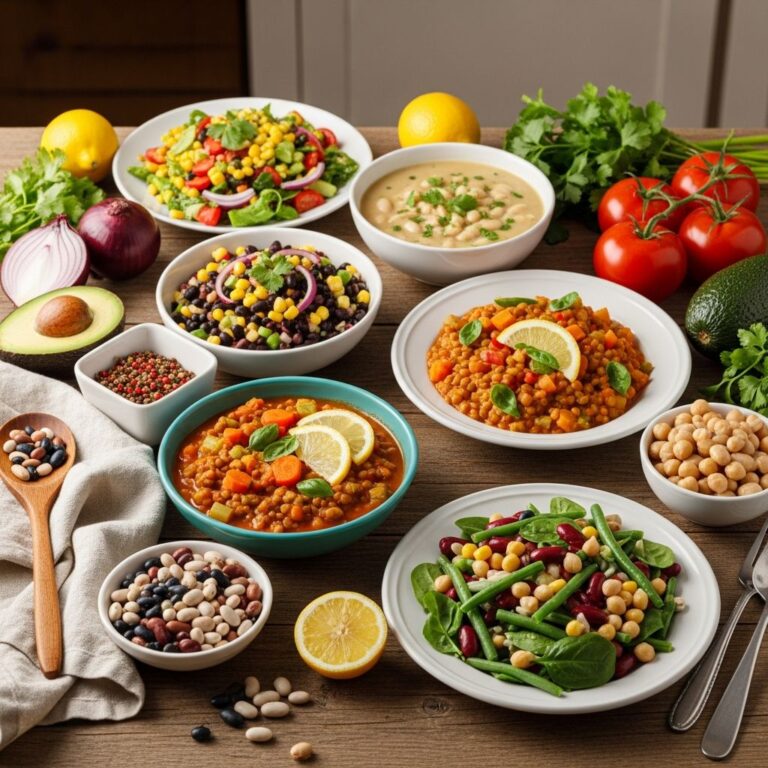
Focus on complete proteins from animal and plant sources. Here’s a breakdown:
| Food (per 100g) | Protein (g) | Leucine (g) | Calories | Notes |
|---|---|---|---|---|
| Chicken breast | 31 | 2.5 | 165 | Lean, versatile |
| Salmon | 25 | 2.0 | 208 | Omega-3s for recovery |
| Eggs (2 large) | 12 | 1.1 | 140 | Complete, affordable |
| Greek yogurt | 10 | 0.9 | 59 | Probiotics + casein |
| Tofu | 17 | 1.3 | 144 | Plant-based option |
| Whey protein | 80 (powder) | 7–10 | 400 | Fast-digesting supplement |
Incorporate variety: Animal proteins score high on digestibility (PDCAAS=1.0), but plants work when combined (e.g., rice + beans).
Carbs and Fats: The Unsung Heroes of Muscle Building
Carbs replenish glycogen, preventing catabolism: Opt for oats, sweet potatoes, quinoa (complex sources). Fats, especially saturated and omega-3s, boost testosterone—avocados, nuts, olive oil.
- Pre-workout: 30–60g carbs (banana + oats) for energy.
- Intra-workout: Carbs if sessions >90min.
- Post-workout: Carbs + protein (1:2–1:4 ratio) for insulin-driven uptake.
Supplements That Actually Help Build Muscle
Food first, but evidence-based supps fill gaps:
- Whey/Casein Protein: Convenient for hitting macros.
- Creatine Monohydrate: 5g/day increases strength 8–14% (ISSN position stand).
- BCAAs/EAAs: Useful if low-protein diet.
- Vitamin D: Supports testosterone if deficient.
- Beta-Alanine: For endurance in high-rep sets.
Avoid hype: Pre-workouts okay sparingly; no need for testosterone boosters without bloodwork.
Sample Meal Plan for Muscle Gain (2,800 Calories)
For a 180lb active male; adjust via TDEE calculator.
| Meal | Foods | Protein (g) | Carbs (g) | Fats (g) | Calories |
|---|---|---|---|---|---|
| Breakfast | 4 eggs, 1 cup oats, berries | 30 | 60 | 20 | 550 |
| Snack | Greek yogurt (200g), almonds (30g) | 25 | 15 | 20 | 350 |
| Lunch | Chicken breast (200g), rice (1 cup), broccoli | 60 | 70 | 10 | 650 |
| Post-Workout | Whey shake + banana | 30 | 40 | 5 | 300 |
| Dinner | Salmon (200g), sweet potato, salad w/ olive oil | 50 | 50 | 30 | 650 |
| Evening Snack | Cottage cheese (200g), apple | 25 | 20 | 5 | 200 |
| Totals | – | 220 | 255 | 90 | 2,700 |
Related Stories



Common Muscle-Building Nutrition Mistakes
- Undereating calories/protein: Track intake accurately.
- Ignoring progressive overload: Nutrition amplifies training.
- Poor sleep/hydration: 7–9 hours + 3–4L water daily.
- All-or-nothing mindset: 80/20 rule for sustainability.
Frequently Asked Questions (FAQs)
Do I need to eat every 3 hours to build muscle?
No. Total daily intake matters more than frequency, though 4–6 meals aid some. Focus on consistency.
Can vegetarians/vegans build muscle?
Yes! Combine sources like lentils + quinoa, use pea/rice protein. Supplement B12 if needed.
How soon will I see muscle gains?
Beginners: 1–2lbs/month. Track progress via photos, measurements—not scale.
Is cardio bad for muscle building?
Not if moderated (2–3x/week). HIIT preserves muscle better than steady-state.
Should women eat differently for muscle?
Same principles, lower absolute calories/protein due to size. Strength train heavy.
Consult a doctor or dietitian before major changes, especially with health conditions.
References
- International Society of Sports Nutrition Position Stand: protein and exercise — JISSN. 2017-06-20. https://jissn.biomedcentral.com/articles/10.1186/s12970-017-0177-8
- Protein for muscle hypertrophy — British Journal of Sports Medicine. 2018-04-11. https://bjsm.bmj.com/content/52/6/376
- Dietary Protein and Muscle Mass — American Journal of Clinical Nutrition. 2015-08-19. https://academic.oup.com/ajcn/article/101/6/1320S/4564499
- Creatine Supplementation Position Stand — JISSN. 2021-01-08. https://jissn.biomedcentral.com/articles/10.1186/s12970-020-00388-w
- Nutrient timing revisited — JISSN. 2023-09-29 (updated). https://jissn.biomedcentral.com/articles/10.1186/s12970-023-00527-4
Similar Articles








Read full bio of Sneha Tete